×

Côte d’Ivoire🇨🇮 | citiesSan PedroPort facilities, Atlantic shoreline, seafood markets | things to do and best time to go

Explore ManExplore Yamoussoukro

Backpacking in San Pedro
🏆 Top pickcity ranked #4
By Johan Kruseman 🇳🇱 | Updated June 1, 2026

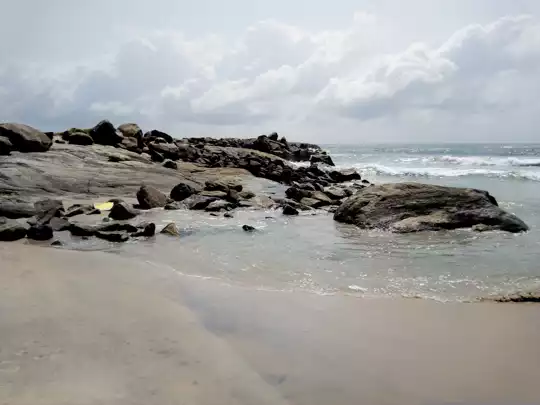
A decade ago, San Pedro was the Côte d’Ivoire coast’s best-kept secret—just a handful of weathered expats, fishermen, and the occasional overland wanderer swapping stories over grilled fish by the port. Today, the city is busier, the port’s grown, and the beaches—still wild in places—now see more local families and a trickle of international travelers. You’ll find San Pedro on the southwest coast, where the rainforest meets the Atlantic in a swirl of red earth and salt air. For backpackers, it’s a city of trade-offs: the beaches are genuinely worth your time, especially Plage Monogaga, and the Taï National Park nearby is a UNESCO-level adventure, but the city itself is functional rather than charming. Nightlife is lively but local; don’t expect a backpacker bar scene. Costs are lower than Abidjan, but English isn’t widely spoken, and solo travelers may feel isolated. It’s safe by regional standards, but you’ll need street smarts. San Pedro is raw, real, and rewarding if you’re after authenticity over polish.

Discover everything you want to know in the 📖 Côte d’Ivoire Travel Guide.
Loading the map 🌍
CLICK TO FILTER
cities
towns
landmarks
national parks
hikes
beaches
attractions
festivals
regions
SHOW COUNTRY’S BESTSHOW ALL

✨ Why go?
Ranked #4 city in Côte d’Ivoire
What makes this city worth visiting

San Pedro in Côte d’Ivoire is a strategic stop for backpackers weaving through West Africa. It’s not just about the highlights; it’s about how they fit into your journey. The city serves as a basecamp for day trips to stunning beaches and lush landscapes, making it a practical choice for those eager to explore without the hassle of constant packing.

Accommodations here are affordable and cater to the backpacker vibe, with hostels that foster a sense of community. You’ll find delicious street food that won’t break the bank, allowing you to fuel up for your adventures. The walkability of San Pedro means you can easily navigate its streets, soaking in the local culture without needing a taxi.

When the sun sets, the nightlife offers a mix of chill bars and lively spots, perfect for unwinding … read more 👉
San Pedro in Côte d’Ivoire is a strategic stop for backpackers weaving through West Africa. It’s not just about the highlights; it’s about how they fit into your journey. The city serves as a basecamp for day trips to stunning beaches and lush landscapes, making it a practical choice for those eager to explore without the hassle of constant packing.

Accommodations here are affordable and cater to the backpacker vibe, with hostels that foster a sense of community. You’ll find delicious street food that won’t break the bank, allowing you to fuel up for your adventures. The walkability of San Pedro means you can easily navigate its streets, soaking in the local culture without needing a taxi.

When the sun sets, the nightlife offers a mix of chill bars and lively spots, perfect for unwinding after a day of exploration. Plus, with easy onward travel options, you can seamlessly continue your journey. If you’re looking for a place that balances comfort and value, San Pedro is worth more than just a fleeting visit.
Want to include San Pedro in your Côte d’Ivoire route?
Create a personalized Côte d’Ivoire itinerary that includes San Pedro and the places that fit your trip — based on your travel style, budget, and available time. Get your route in seconds.

Generate my trip

💡 HighlightsWhat this place is best known for

  1. Le Grand Port de San Pedro — One of the country’s busiest ports and the real heartbeat of the city: watching cocoa and timber operations, container traffic and the bustle on the quays gives you the clearest sense of why San Pedro exists.
  2. Plages du front de mer (San Pedro beaches) — Long sandy stretches and small local beach spots where fishermen mend nets, locals cool off, and you can walk, swim or watch dramatic sunsets without the tourist crowds you get elsewhere.
  3. Le Marché Central (Central Market) — A raw, colorful market full of fruit, vegetables, spices and everyday life; great for people-watching, cheap street food and practicing a few phrases with traders.
  4. Marché aux poissons / le quartier des pêcheurs — The early-morning fish market and landing area are noisy, smelly and unforgettable—perfect
read more 👉
  1. Le Grand Port de San Pedro — One of the country’s busiest ports and the real heartbeat of the city: watching cocoa and timber operations, container traffic and the bustle on the quays gives you the clearest sense of why San Pedro exists.
  2. Plages du front de mer (San Pedro beaches) — Long sandy stretches and small local beach spots where fishermen mend nets, locals cool off, and you can walk, swim or watch dramatic sunsets without the tourist crowds you get elsewhere.
  3. Le Marché Central (Central Market) — A raw, colorful market full of fruit, vegetables, spices and everyday life; great for people-watching, cheap street food and practicing a few phrases with traders.
  4. Marché aux poissons / le quartier des pêcheurs — The early-morning fish market and landing area are noisy, smelly and unforgettable—perfect for seeing daily routines, buying fresh catch, or watching pirogues come in.
  5. Phare de San Pedro (the lighthouse) — The lighthouse at the point is a compact landmark with good views of the gulf; it’s a small but photogenic spot that anchors the seafaring character of the town.
  6. Cathédrale Saint-Pierre (San Pedro Cathedral) — The city’s main cathedral and spiritual center; even if you’re not religious, the building and its role in community life give historical and cultural context to San Pedro.
  7. Quais et entrepôts du cacao — Walk the edges of the cocoa terminals to see sacks, cranes and the export side of Ivorian life; industrial, gritty and educational for anyone who cares about where chocolate starts.
  8. Promenade du front de mer / corniche — The seaside esplanade where locals stroll in the evenings, small street-food stalls appear, and the pace of life slows—great for low-cost dining and meeting people.
  9. Stade municipal (match-day experience) — If you can time it with a local football match, the stadium is one of the best ways to feel local energy: loud, cheap, and genuinely communal.
  10. Marchés et ateliers d’artisanat local — Scattered craft stalls and small workshops around the town where you can find woodwork, woven goods and simple souvenirs made locally—more authentic than tourist boutiques.
For nearby day trips outside the city, consider Taï National Park for rainforest and wildlife, the coastal town of Sassandra for a quieter colonial-architecture and beach scene, or the beaches and mangrove area around Grand-Béréby.
Spotted a mistake or missing something? Contact us.
🏘️ NeighborhoodsHow different areas shape the experience

San Pedro, a vibrant coastal city in Côte d’Ivoire, offers a mix of experiences for backpackers. Here’s a breakdown of key neighborhoods to help you navigate your stay.

Centre Ville: This is the heartbeat of San Pedro. You’ll find bustling markets, local eateries, and a lively atmosphere. It’s affordable, with plenty of budget accommodations. Walkability is excellent, making it easy to explore. The nightlife here is vibrant, with bars and music venues. Perfect for short stays where you want to soak up the local culture.

Plage de San Pedro: If you’re after sun and surf, this area is your go-to. The beach vibe is laid-back, with guesthouses and beach bars lining the shore. Prices can vary, but you can find decent deals. It’s a bit quieter at night, ideal for those looking to relax after a … read more 👉
San Pedro, a vibrant coastal city in Côte d’Ivoire, offers a mix of experiences for backpackers. Here’s a breakdown of key neighborhoods to help you navigate your stay.

Centre Ville: This is the heartbeat of San Pedro. You’ll find bustling markets, local eateries, and a lively atmosphere. It’s affordable, with plenty of budget accommodations. Walkability is excellent, making it easy to explore. The nightlife here is vibrant, with bars and music venues. Perfect for short stays where you want to soak up the local culture.

Plage de San Pedro: If you’re after sun and surf, this area is your go-to. The beach vibe is laid-back, with guesthouses and beach bars lining the shore. Prices can vary, but you can find decent deals. It’s a bit quieter at night, ideal for those looking to relax after a day in the sun. Great for longer stays if you want to unwind.

Quartier de la Gare: Close to the train station, this neighborhood is convenient for transport. It’s not as touristy, which means lower prices and a more authentic experience. Walkability is decent, but you might need to rely on taxis for longer distances. Suitable for both short and longer stays, especially if you’re planning to explore beyond the city.

Zone Portuaire: This area is all about the working port. It’s less glamorous but offers a unique perspective on local life. Accommodations are budget-friendly, but the vibe is more industrial. It’s quieter, making it suitable for longer stays if you’re looking for a different pace. Transport access is good, but you’ll want to plan your outings carefully.

⌛️ 1 daySeeing the highlights in 24 hours

San Pedro, Côte d’Ivoire, is a vibrant port city where the rhythm of life pulses through its bustling markets and serene beaches. It’s a place where you can taste the local cuisine, soak in the coastal atmosphere, and experience the warmth of Ivorian culture—all in a single day.

Start your morning in the lively neighborhood of the Port, where the scent of fresh fish mingles with the salty sea air. Grab a breakfast of *attiéké* (fermented cassava) paired with grilled fish at a local eatery. This dish is a staple here, and it’s a delicious way to fuel up for your day. After breakfast, stroll along the waterfront, taking in the colorful fishing boats and the hustle of the market.

As the sun climbs higher, make your way to the nearby *Plage de San Pedro*. This beach is less frequented by tourists, … read more 👉
San Pedro, Côte d’Ivoire, is a vibrant port city where the rhythm of life pulses through its bustling markets and serene beaches. It’s a place where you can taste the local cuisine, soak in the coastal atmosphere, and experience the warmth of Ivorian culture—all in a single day.

Start your morning in the lively neighborhood of the Port, where the scent of fresh fish mingles with the salty sea air. Grab a breakfast of *attiéké* (fermented cassava) paired with grilled fish at a local eatery. This dish is a staple here, and it’s a delicious way to fuel up for your day. After breakfast, stroll along the waterfront, taking in the colorful fishing boats and the hustle of the market.

As the sun climbs higher, make your way to the nearby *Plage de San Pedro*. This beach is less frequented by tourists, offering a more authentic experience. You can relax on the sand, swim in the warm waters, or even join locals playing beach soccer. The vibe here is laid-back, perfect for soaking up the sun and enjoying the moment.

In the afternoon, head to the *Centre Culturel de San Pedro*. This cultural center often hosts art exhibitions and performances that showcase local talent. It’s a great spot to connect with the community and gain insight into Ivorian art and music.

As evening approaches, wander through the *Quartier des Artisans*, where you can find unique handmade crafts. This neighborhood is a treasure trove of local artistry, and you might even catch a craftsman at work. For dinner, indulge in a meal at a nearby restaurant serving traditional Ivorian dishes, like *kédjénou* (a slow-cooked chicken stew).

End your day by watching the sunset from the beach, reflecting on the rich experiences you’ve gathered. San Pedro may not be on every tourist’s radar, but it’s a city that rewards those willing to explore its depths.
Turn your San Pedro visit into an Côte d’Ivoire adventure
Build a complete Côte d’Ivoire route with San Pedro, hidden gems, must-see destinations, and realistic travel times included.

Generate my trip

🌤️ When to go?Choosing the right time of year


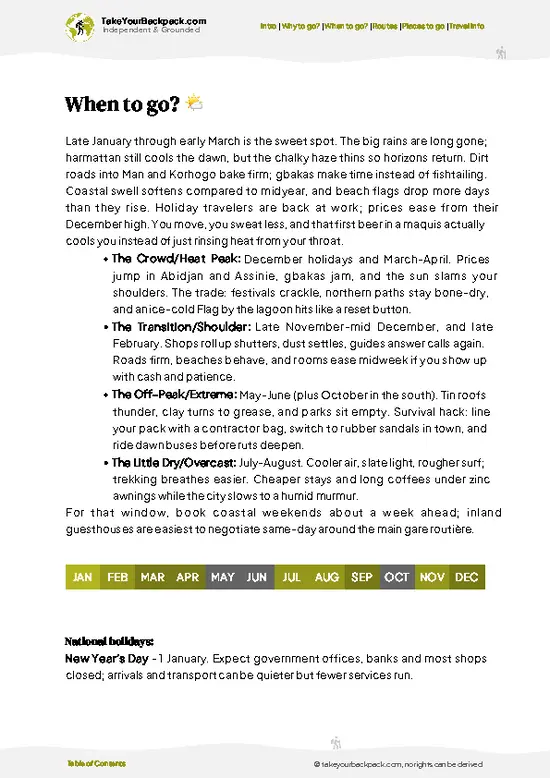
  • Weather: San Pedro’s climate is tropical, with a wet season from May to October bringing heavy rains and humidity that can slow down your pace and soak your gear. The dry season, November to April, offers clearer skies and less mud—ideal for trekking and beach time.

  • Temperature: Expect highs around 28-32°C (82-90°F) year-round, but the dry season feels more bearable with lower humidity. The wet season’s heat combined with moisture can make it feel like a sauna, which might drain your energy faster.

  • Daylight Hours: Daylight is fairly consistent, roughly 11-12 hours daily, so early starts are always a smart move to maximize your adventures before the afternoon heat or rain kicks in.

  • Crowds: Tourist traffic peaks during the dry season, especially December to February, when international
read more 👉

  • Weather: San Pedro’s climate is tropical, with a wet season from May to October bringing heavy rains and humidity that can slow down your pace and soak your gear. The dry season, November to April, offers clearer skies and less mud—ideal for trekking and beach time.

  • Temperature: Expect highs around 28-32°C (82-90°F) year-round, but the dry season feels more bearable with lower humidity. The wet season’s heat combined with moisture can make it feel like a sauna, which might drain your energy faster.

  • Daylight Hours: Daylight is fairly consistent, roughly 11-12 hours daily, so early starts are always a smart move to maximize your adventures before the afternoon heat or rain kicks in.

  • Crowds: Tourist traffic peaks during the dry season, especially December to February, when international travelers flock here. If you prefer fewer people, shoulder months like November or March offer a quieter experience without the full wet season’s downsides.

  • Seasonal Activities: Dry months align with local festivals and fishing seasons, adding cultural layers to your trip. Wet season limits outdoor events but brings lush landscapes and fewer tourists, which can be a trade-off worth considering.

  • Price Fluctuations: Accommodation and transport costs spike in the dry season’s peak months. Traveling just before or after this window can save you money while still enjoying decent weather.


Pro-tip: Aim for late November or early March to balance weather, crowd size, and cost—giving you a smart edge in the timing game.


source: climatestotravel.comJANJanuary: excellent for travelingFEBFebruary: excellent for travelingMARMarch: highly recommended for travelingAPRApril: highly recommended for travelingMAYMay: fair for travelingJUNJune: fair for travelingJULJuly: fair for travelingAUGAugust: fair for travelingSEPSeptember: fair for travelingOCTOctober: fair for travelingNOVNovember: highly recommended for travelingDECDecember: excellent for traveling
when-to-go

✈️ The backpacker research shortcutCôte d’Ivoire Travel Guide

An offline-friendly backpacking guide with optimized travel routes, ranked highlights, transport advice, and the best areas to stay.
The digital guide (337 pages) contains:
85 highlights, ranked by travel appeal
Optimized 5, 10 & 15-day travel routes
Cities, national parks, landmarks, beaches
How to get around
Offline-friendly for travel without Wi-Fi
👉 Click to see all 30+ guide features

📅 Plan smarter in minutes, not weeks
Month by month travel advice
Festivals & national holidays
Budget expectations

🗺️ Go to the right places, skip the overrated ones
Honest pros & cons of destinations
Top hikes, parks & viewpoints
Lesser-known places most travelers miss
Clear “worth it vs skip it” guidance

🛏️ Travel smoothly without rookie mistakes
Best areas to stay
Transport systems explained simply
Common scams & safety advice
SIM cards, money & practical tips

🌍 Understand the country, not just visit it
Culture & traditions
52 Essential phrases & customs
Festivals worth planning around
Traveler-friendly historical context
Insights that make places more meaningful

📱 Built for real travel conditions
Fully downloadable PDF
Works completely offline
Optimized for phone use
Useful in remote areas & buses
Everything in one place
Save weeks of stressful planning
Get instant access to your full guide. 30‑day money-back guarantee.


By proceeding you agree to our terms.
Sent to your inbox immediately after payment • 100% Secure Checkout
Best Backpacking Travel Advisor 2025 tourism awardBest Backpacking
Travel Advisor
2025
What others say about Take Your Backpack Guides:
⭐⭐⭐⭐⭐
Fantastic, amazing amount of information!
⭐⭐⭐⭐⭐
My goodness this is amazing, it's what I've been looking for hats off too you!
⭐⭐⭐⭐⭐
I think this is absolutely BRILLIANT
⭐⭐⭐⭐
Very complete and informative. It's still missing places, but I gotta to commend you
⭐⭐⭐⭐⭐
This is truly amazing, thank you, can't wait to explore it with my kids!
⭐⭐⭐⭐⭐
Awesome resource, thank you!
⭐⭐⭐⭐⭐
This is amazing! Can't wait to explore the ones I haven't seen
⭐⭐⭐⭐
I love this! Well done, great idea.
⭐⭐⭐⭐⭐
Thanks for taking the time to make this gem!
⭐⭐⭐⭐⭐
This might be the best website I've ever seen.
⭐⭐⭐⭐⭐
Congratulations, and thank you so much for your work; it's incredibly valuable.
⭐⭐⭐⭐
In all seriousness I think you did a great job pointing out the important spots
⭐⭐⭐⭐⭐
10/10 very good
⭐⭐⭐⭐⭐
As someone who's only just starting to visit regularly this is awesome, thank you.
⭐⭐⭐⭐
Thank you very much! I'm going to visit my dad, it's going to be very useful!
⭐⭐⭐⭐⭐
This is really cool! We'll be travelling for the first time and this definitely come in handy.
⭐⭐⭐⭐⭐
You are now our minister of culture, congratulations 👨‍💼
⭐⭐⭐⭐⭐
Just wanted to tell you that this is a pearl! Going to follow your recommendations.
⭐⭐⭐⭐⭐
This is so cool. I'll definitely be using the resource for my travels soon.
⭐⭐⭐⭐⭐
This is very impressive! Good work.
⭐⭐⭐⭐⭐
This is an amazing and informative site. Very well done!

🛏️ Where to stay?Best areas and accommodation options

San Pedro’s backpacker sweet spot is the area around the city center and the port district. This zone strikes a solid balance between safety, social buzz, and budget options. It’s where you’ll find the most hostels and guesthouses catering to solo travelers and those watching their wallets. The vibe here is relaxed but lively—think local markets, street food stalls, and a steady flow of fellow backpackers swapping stories over cold drinks.

Compared to the outskirts or newer residential neighborhoods, this central strip offers a more authentic pulse of the city without the sketchy edges. It’s … read more 👉
San Pedro’s backpacker sweet spot is the area around the city center and the port district. This zone strikes a solid balance between safety, social buzz, and budget options. It’s where you’ll find the most hostels and guesthouses catering to solo travelers and those watching their wallets. The vibe here is relaxed but lively—think local markets, street food stalls, and a steady flow of fellow backpackers swapping stories over cold drinks.

Compared to the outskirts or newer residential neighborhoods, this central strip offers a more authentic pulse of the city without the sketchy edges. It’s walkable, well-lit at night, and close to key transport hubs, which means less time and money spent on taxis or confusing routes. You’re trading off a bit of luxury and quiet for convenience and connection, but that’s exactly the point for most backpackers.

If you stray too far into the industrial port or the high-end hotel zones, you’ll lose that social atmosphere and budget-friendly vibe. Those areas are quieter but less welcoming to travelers looking to meet others or save cash. So, for a smart, safe, and sociable stay, lock in near the city center and port—this is where San Pedro’s backpacker game is strongest.

🚌 Getting aroundHow to get from A to B

San Pedro moves at its own rhythm—somewhere between the laid-back pulse of a coastal town and the unpredictable hustle of a growing city. It’s not a place where you’ll find strict timetables etched in stone, but neither is it a free-for-all chaos. Instead, the flow here is a dance of local intuition and practical necessity. Buses and colectivos (shared vans) don’t always leave on the dot, but they rarely keep you waiting long. Walking is more than just a way to get around; it’s a way to absorb the city’s character, catch the scent of street food, and spot the quirks that don’t make it into guidebooks. Your choices between time, money, and comfort will shape your experience—knowing what you’re trading off is the key to mastering San Pedro’s transit game.


  • Walking: The ultimate budget option
read more 👉
San Pedro moves at its own rhythm—somewhere between the laid-back pulse of a coastal town and the unpredictable hustle of a growing city. It’s not a place where you’ll find strict timetables etched in stone, but neither is it a free-for-all chaos. Instead, the flow here is a dance of local intuition and practical necessity. Buses and colectivos (shared vans) don’t always leave on the dot, but they rarely keep you waiting long. Walking is more than just a way to get around; it’s a way to absorb the city’s character, catch the scent of street food, and spot the quirks that don’t make it into guidebooks. Your choices between time, money, and comfort will shape your experience—knowing what you’re trading off is the key to mastering San Pedro’s transit game.


  • Walking: The ultimate budget option and the best way to soak in San Pedro’s vibe. Most central spots are within 20-30 minutes on foot. Zero cost, full control over pace, and a chance to discover alleyways and murals you’d miss otherwise. Not ideal if you’re hauling heavy gear or under a tight schedule.


  • Colectivos: Shared vans running fixed routes but flexible on departure times—usually leave when full. Cost is low, around $1-$2 per ride, making them a favorite for budget travelers. They’re faster than buses but can get cramped during peak hours. Comfort is basic, but the trade-off is speed and price.


  • Local Buses: Scheduled but not always punctual, buses cover most of the city and outskirts. Fares hover around $0.50-$1, making them the cheapest motorized option. They’re slower than colectivos due to frequent stops and traffic but offer more space and a chance to observe daily life from a window seat. First buses start around 5:30 AM, last run near 9 PM.


  • Taxi: Readily available but pricier, expect to pay $5-$10 for typical rides within town. Offers door-to-door comfort and speed, especially if you’re short on time or traveling late. Negotiate fares upfront to avoid surprises. Best for when time is tight and comfort is worth the splurge.


  • Bicycle Rentals: A middle ground between walking and motorized transit. Rentals cost about $10-$15 per day. Great for covering more ground quickly while staying active and flexible. San Pedro’s terrain is mostly flat, but watch for busy streets and uneven pavement. Not the best choice in heavy rain or at night.


Understanding these options as a trade-off matrix—time saved versus money spent versus comfort gained—lets you tailor your travel style. Want to stretch your budget and dive deep into the city’s texture? Walk or hop on a colectivo. Need to maximize your day with minimal hassle? A taxi or bike rental might be your winning move. San Pedro’s transit isn’t just about getting from A to B; it’s about choosing how you experience the city’s pulse.

👛 Costs (as of 17 February 2026)How expensive it really is

Backpacking in San Pedro, Côte d’Ivoire, presents a clear set of trade-offs between time, money, and comfort, and understanding these costs lets you play the system smartly.
  • Dorm Accommodation (High Season): Expect to pay around €10-€15 per night. High season drives prices up due to demand, but you still get basic, clean dorms that keep your budget intact without sacrificing safety.
  • Dorm Accommodation (Off-Season): Prices drop to about €6-€10 per night. Off-season means fewer tourists, so you can negotiate better deals or find quieter spots with similar standards.
  • Meals: Local street food and small eateries cost roughly €2-€5 per meal. You’re looking at hearty, flavorful dishes—think grilled fish or spicy stews—that fill you up without emptying your wallet.
  • Local Transport: Short rides
read more 👉
Backpacking in San Pedro, Côte d’Ivoire, presents a clear set of trade-offs between time, money, and comfort, and understanding these costs lets you play the system smartly.
  • Dorm Accommodation (High Season): Expect to pay around €10-€15 per night. High season drives prices up due to demand, but you still get basic, clean dorms that keep your budget intact without sacrificing safety.
  • Dorm Accommodation (Off-Season): Prices drop to about €6-€10 per night. Off-season means fewer tourists, so you can negotiate better deals or find quieter spots with similar standards.
  • Meals: Local street food and small eateries cost roughly €2-€5 per meal. You’re looking at hearty, flavorful dishes—think grilled fish or spicy stews—that fill you up without emptying your wallet.
  • Local Transport: Short rides on shared taxis or minibuses typically cost €0.30-€0.50. It’s slow and crowded but cheap and authentic, perfect if you’re not in a rush.
  • City Transport Pass: San Pedro doesn’t have a formal city transport pass system; instead, budget about €1-€2 daily if you rely heavily on taxis or multiple rides.
  • Basic Activities/Entry Fees: Expect to spend €2-€5 for entry to local attractions or guided tours. Many cultural sites and markets have low or no fees, but some organized tours or parks charge modest prices.
  • Miscellaneous Expenses: Budget around €1-€3 for essentials like bottled water, snacks, or small tips. These add up but are manageable if you keep an eye on them.

Total daily costs for backpacking in San Pedro generally fall between €15 and €30. This range balances the essentials—safe dorms, filling meals, and local transport—while leaving room for a few activities and small comforts. Knowing these numbers upfront lets you decide where to stretch or save, turning your trip into a strategic win rather than a budget scramble.


source: cotedivoiretourisme.ci
⚠️ Prices can change and everyone travels differently, so take this as a rough guide. Hope it helps you plan your adventure!

🚌 Day tripsBest day trips from San Pedro

San Pedro, Côte d’Ivoire, is a backpacker’s dream base for day trips, offering a mix of culture, nature, and adventure. Here’s how to make the most of your time without breaking the bank.

Lagune de Grand-Béréby
Just a 30-minute ride from San Pedro, this lagoon is a serene escape. Picture yourself kayaking through mangroves, spotting colorful birds, and enjoying the tranquility away from the city buzz. The cost is minimal—around 5,000 CFA for transport and a small fee for kayak rental. The best time to visit is during the dry season, from November to March, when the weather is perfect. A common mistake? Underestimating the time needed to soak in the beauty; plan for at least half a day.


Assouindé Beach
A mere 20-minute drive will land you at Assouindé Beach, where the golden sands … read more 👉
San Pedro, Côte d’Ivoire, is a backpacker’s dream base for day trips, offering a mix of culture, nature, and adventure. Here’s how to make the most of your time without breaking the bank.

Lagune de Grand-Béréby
Just a 30-minute ride from San Pedro, this lagoon is a serene escape. Picture yourself kayaking through mangroves, spotting colorful birds, and enjoying the tranquility away from the city buzz. The cost is minimal—around 5,000 CFA for transport and a small fee for kayak rental. The best time to visit is during the dry season, from November to March, when the weather is perfect. A common mistake? Underestimating the time needed to soak in the beauty; plan for at least half a day.


Assouindé Beach
A mere 20-minute drive will land you at Assouindé Beach, where the golden sands and gentle waves invite you to unwind. This beach is less crowded than others, making it ideal for a chill day. Bring your own snacks to save money—total costs can be as low as 3,000 CFA for transport. The best time to go is early morning to catch the sunrise and avoid the heat. First-timers often forget to pack sunscreen; trust me, you’ll need it!


Parc National de Taï
For the adventurous, a trip to Parc National de Taï is a must. It’s about a two-hour drive, but the chance to see rare wildlife and lush rainforest makes it worthwhile. Entry fees are around 10,000 CFA, plus transport costs. Aim for a guided tour to enhance your experience, which can add another 15,000 CFA. The dry season is best for wildlife spotting. A common pitfall? Not bringing enough water; it can get hot, and you’ll want to stay hydrated.


Sassandra
This charming coastal town is about an hour from San Pedro. Known for its colonial architecture and laid-back vibe, Sassandra offers a glimpse into local life. You can explore the market and enjoy fresh seafood for around 8,000 CFA total. The best time to visit is during the cooler months, from December to February. Many first-timers miss the local fishing village; don’t skip it—it’s where the real charm lies.


With these trips, you’ll experience the essence of Côte d’Ivoire while keeping your budget intact. Each choice balances time, money, and comfort, ensuring you make the most of your adventure.
Want to know what more Côte d’Ivoire offers?
The Côte d’Ivoire Travel Guide describes 85 highlights, from cities to national parks, from beaches to hikes

Get the Travel Guide -

🍲 FoodEating & Drinking in San Pedro

In San Pedro, Côte d’Ivoire, food and drink are a vibrant tapestry of flavors and social connections. Start with attieke, a fermented cassava dish that’s a staple here. It’s often served with grilled fish, drizzled with spicy sauce, and the combination is a must-try. The smoky aroma of the fish sizzling over open flames fills the air, drawing you in.

Street food is where the real magic happens. Vendors line the bustling markets, offering fritters and plantains that are crispy on the outside and soft within. Grab a few to snack on while mingling with locals. The atmosphere is electric, filled with laughter and lively chatter.

When it comes to drinks, don’t miss out on bissap, a refreshing hibiscus tea that’s both tart and sweet. It’s a common sight in cafés and street stalls, served chilled … read more 👉
In San Pedro, Côte d’Ivoire, food and drink are a vibrant tapestry of flavors and social connections. Start with attieke, a fermented cassava dish that’s a staple here. It’s often served with grilled fish, drizzled with spicy sauce, and the combination is a must-try. The smoky aroma of the fish sizzling over open flames fills the air, drawing you in.

Street food is where the real magic happens. Vendors line the bustling markets, offering fritters and plantains that are crispy on the outside and soft within. Grab a few to snack on while mingling with locals. The atmosphere is electric, filled with laughter and lively chatter.

When it comes to drinks, don’t miss out on bissap, a refreshing hibiscus tea that’s both tart and sweet. It’s a common sight in cafés and street stalls, served chilled and often garnished with mint.

Etiquette is relaxed but communal. Sharing food is a sign of friendship, so don’t hesitate to join a group at a table or share a plate. Embrace the slow pace of meals; savoring each bite is part of the experience. In San Pedro, every meal is a chance to connect, making your culinary journey as rich as the flavors themselves.

🛡️ SafetySafety Tips and Common Scams in San Pedro

San Pedro, Côte d’Ivoire, is generally safe for backpackers, but a few situational awareness tips can enhance your experience. Stick to well-lit areas at night, especially if you’re solo. The waterfront can be lively, but it’s wise to avoid quiet spots after dark.

Watch for common scams, like overly friendly locals who might offer to guide you for a fee. A polite but firm “no, thank you” usually suffices. Street vendors can be persistent, but a smile and a shake of the head will often do the trick.

Keep your belongings close, especially in crowded markets. Pickpocketing isn’t rampant, but it can happen. Use a crossbody bag and keep your phone and wallet secure.

Overall, staying aware and confident will help you navigate San Pedro smoothly, allowing you to focus on the vibrant culture … read more 👉
San Pedro, Côte d’Ivoire, is generally safe for backpackers, but a few situational awareness tips can enhance your experience. Stick to well-lit areas at night, especially if you’re solo. The waterfront can be lively, but it’s wise to avoid quiet spots after dark.

Watch for common scams, like overly friendly locals who might offer to guide you for a fee. A polite but firm “no, thank you” usually suffices. Street vendors can be persistent, but a smile and a shake of the head will often do the trick.

Keep your belongings close, especially in crowded markets. Pickpocketing isn’t rampant, but it can happen. Use a crossbody bag and keep your phone and wallet secure.

Overall, staying aware and confident will help you navigate San Pedro smoothly, allowing you to focus on the vibrant culture and local flavors without unnecessary distractions.

Other Ivorian cities near San Pedro

Explore more nearby:

  • Tabou—Remote beaches, border proximity, fishing villages| 87 km away
  • Soubré—Sassandra River, hydroelectric dam, agricultural hub| 115 km away
  • Lakota—rubber plantations, rural roads, small-town center| 159 km away

💡 Not sure where to go next?
Create a personalized itinerary for Côte d’Ivoire including San Pedro and the places that fit your trip.

Generate my itinerary

👉 Discover all cities

Or checkout all Côte d’Ivoire has to offer (think cities, towns, villages, national parks, hikes, beaches, festivals)
Country photo of Côte d’Ivoire

We 💚 feedbackParting advice and final tips

San Pedro has a laid-back vibe that feels like a well-kept secret. The best surprise? The local seafood market—fresh catches that make your taste buds dance. Grab a plate of grilled fish and soak in the lively atmosphere. Just a heads-up: the roads can be tricky, especially during the rainy season. Plan your transport wisely. Embrace the spontaneity, and you’ll find moments that make this place truly special. It’s all about the little things here.

✍️ Help improve this page!
The information on this page is based on in-depth research, insights shared by experienced travelers, and feedback from the local travel community in Côte d’Ivoire. While every effort is made to keep the information accurate and current, conditions can change — so if you spot anything incorrect or outdated, please get in touch.


🙋‍♂️ Give feedback

👋 Meet the founderWho’s Behind Take Your Backpack?

Johan, backpacker and founder of TakeYourBackpackHi, I’m Johan (Netherlands 🇳🇱), the creator of TakeYourBackpack. Over the past decade, I’ve backpacked through 80+ countries across six continents, gaining extensive experience with independent travel, long-term trips, and overland routes.

This site is built on a combination of firsthand travel experience and carefully curated insights from other backpackers. Many guides are based on places I’ve personally visited, while others bring together tips, observations, and practical advice shared by trusted travelers I’ve met along the way.

The goal is to provide realistic, experience-driven guidance — not generic itineraries — so you can explore destinations with better context, clearer expectations, and more confidence.

Get full country guide •
Instant download • 85 highlights • Full Offline guide