

Ilok Castle (Iločki dvorac)
The castle sits on a bluff above the Danube, its pale stone walls catching the late afternoon sun. This isn’t just a postcard relic—it’s a living timeline. You walk through medieval fortifications, Renaissance flourishes, and Habsburg echoes, all in one sweep. The museum inside is compact but dense with artifacts: Ottoman sabers, faded maps, and the kind of creaky wooden floors that make you slow down and listen. The view from the ramparts—mist rising off the river, the spires of Serbia in the distance—reminds you why people have fought over this spot for centuries. Best in the golden hour before sunset, when the light softens and the crowds thin. Entry is about 4-6 EUR. Give yourself 1.5-2 hours if you want to linger in the gardens and soak up the atmosphere.
Old … read more 👉
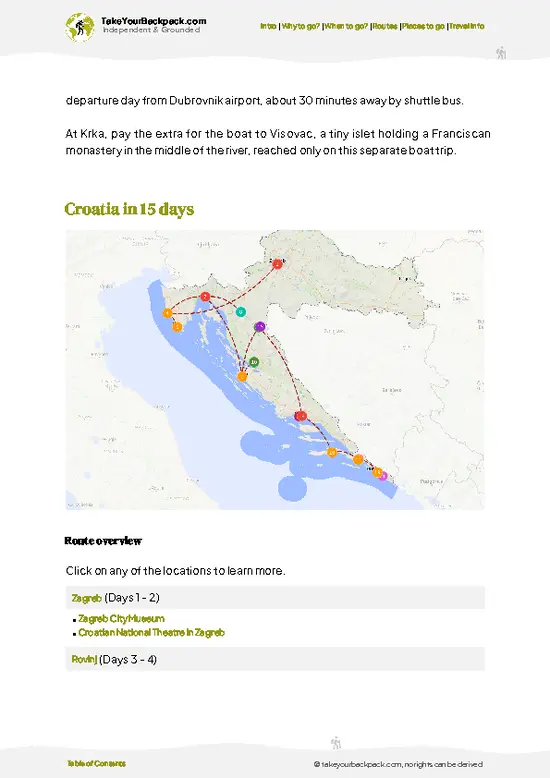
Ilok Castle (Iločki dvorac)
The castle sits on a bluff above the Danube, its pale stone walls catching the late afternoon sun. This isn’t just a postcard relic—it’s a living timeline. You walk through medieval fortifications, Renaissance flourishes, and Habsburg echoes, all in one sweep. The museum inside is compact but dense with artifacts: Ottoman sabers, faded maps, and the kind of creaky wooden floors that make you slow down and listen. The view from the ramparts—mist rising off the river, the spires of Serbia in the distance—reminds you why people have fought over this spot for centuries. Best in the golden hour before sunset, when the light softens and the crowds thin. Entry is about 4-6 EUR. Give yourself 1.5-2 hours if you want to linger in the gardens and soak up the atmosphere.
Old Wine Cellars (Stari Podrumi)
Ilok’s wine cellars are not just for sipping—they’re for time travel. Descend into cool, candle-lit tunnels carved in the 15th century, where the air smells of earth and oak. The Traminac and Graševina here have won medals, but the real prize is the ritual: a local guide uncorks a bottle, pours into thick-stemmed glasses, and tells you stories about monks, emperors, and the Nazi gold train. Tastings run about 8-12 EUR, often with a small plate of local cheese or kulen sausage. Go late afternoon or early evening, when the cellars are quiet and the wine feels earned after a day of walking. Plan for 1-1.5 hours.
Church of St. John of Capistrano
This Gothic church is Ilok’s spiritual anchor. The stone is worn smooth by centuries of hands, and the air inside is cool, heavy with incense and candle wax. The church is named for the “soldier saint” who rallied defenders here during the Ottoman siege. Look for the carved wooden pulpit and the battered tombstone of Capistrano himself. It’s free to enter, but a small donation is appreciated. Early morning is best, when shafts of light cut through the stained glass and you might have the place to yourself. 30-45 minutes is enough for most, but history buffs will want longer.
Ilok Town Walls and Gates
Walking the old town walls is the closest you’ll get to Ilok’s medieval heartbeat. The stone is rough under your palm, and the Danube wind carries the scent of wildflowers and river mud. The gates—some battered, some restored—frame the town’s red-tiled roofs and the endless green of the vineyards. There’s no ticket; just wander. Early evening is magic, when the swallows swoop and the sky turns lavender. Allow 30-60 minutes, more if you’re a photographer or just want to sit and watch the river traffic.
Museum of the Town of Ilok
Small but fiercely local, this museum is tucked inside the castle complex but deserves its own mention. The exhibits are tactile: Roman pottery, Ottoman coins, folk costumes with embroidery so fine you’ll want to touch it. The staff are passionate and happy to answer questions. Entry is included with the castle ticket. Visit midday to escape the heat or a sudden Danube squall. 45 minutes is enough for a focused visit.
For day trips, the Vukovar Memorial Center, the Baranja wine region, and the Kopački Rit wetlands are all within easy reach—Kopački Rit, with its wild herons and endless reeds, is my personal favorite for a full-sensory reset.
Spotted a mistake or missing something? Contact us.

 Best Backpacking
 Hi, I’m Johan (Netherlands 🇳🇱), the creator of TakeYourBackpack. Over the past 3 decades, I’ve backpacked through 90+ countries across six continents, gaining extensive experience with independent travel, long-term trips, and overland routes.