×

Croatia🇭🇷 | attractionsPula ArenaRoman amphitheater, limestone arches, gladiator history | things to do and best time to go

Explore Dubrovnik City Walls and FortressesExplore Museum of Broken Relationships

Backpacking in Pula Arena
🏆 Top pickattraction ranked #3
By Johan Kruseman 🇳🇱 | Updated September 4, 2026

Forget the Instagram myth: Pula Arena isn’t some empty, mystical ruin where you’ll snap a solo gladiator shot at sunrise. It’s a living, breathing chunk of Roman history smack in the heart of Pula, a gritty port city on Croatia’s Istrian coast. The arena is jaw-dropping—one of the best-preserved Roman amphitheaters anywhere, and yes, you’ll feel the weight of two millennia when you step inside. But you’ll also feel the presence of busloads of tourists, especially in summer, and the ticket price isn’t pocket change for a backpacker. Still, there’s a raw thrill in standing where lions and gladiators once fought, and if you catch a concert or film festival here, the energy is electric—think ancient stones vibrating with modern life. Compared to Dubrovnik’s polished drama or Plitvice’s natural spectacle, Pula Arena is rougher around the edges, less manicured, more real. It’s not the prettiest, but it’s unforgettable for all the right reasons.

Discover everything you want to know in the 📖 Croatia Travel Guide.


Get your Croatia guide
113 ranked highlights, routes & tips, works offline (419 pages)
Loading the map 🌍
CLICK TO FILTER
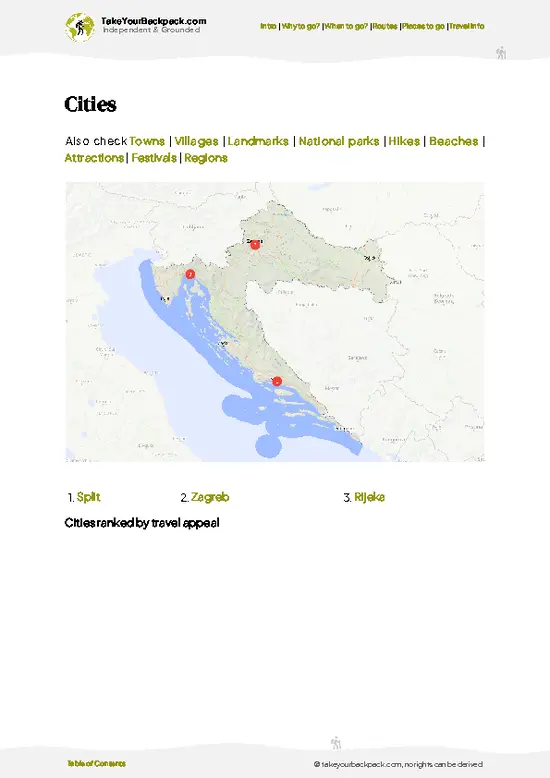
cities
towns
villages
landmarks
national parks
hikes
beaches
attractions
festivals
regions
SHOW COUNTRY’S BESTSHOW ALL

✨ Why go?
Ranked #3 attraction in Croatia
The unique appeal for travelers

The Pula Arena is not just another Roman amphitheater slapped onto a tourist map. Sure, it’s iconic—one of the best-preserved arenas in the world—but that alone doesn’t justify the detour. What hooks backpackers is the raw, tangible connection to history you get here. Walking through its massive stone arches, you’re stepping into a 2,000-year-old gladiator battleground that still echoes with the grit and spectacle of ancient times. It’s a cultural heavyweight, a symbol of Roman power that survived centuries of war, neglect, and weather.

Yes, it draws crowds, especially in summer, and the entrance fee isn’t pocket change for a tight budget. But the payoff is real: the arena’s scale and condition are jaw-dropping, and the atmosphere—especially during evening events—turns history into a living, … read more 👉
The Pula Arena is not just another Roman amphitheater slapped onto a tourist map. Sure, it’s iconic—one of the best-preserved arenas in the world—but that alone doesn’t justify the detour. What hooks backpackers is the raw, tangible connection to history you get here. Walking through its massive stone arches, you’re stepping into a 2,000-year-old gladiator battleground that still echoes with the grit and spectacle of ancient times. It’s a cultural heavyweight, a symbol of Roman power that survived centuries of war, neglect, and weather.

Yes, it draws crowds, especially in summer, and the entrance fee isn’t pocket change for a tight budget. But the payoff is real: the arena’s scale and condition are jaw-dropping, and the atmosphere—especially during evening events—turns history into a living, breathing experience. For backpackers trekking the Croatian coast, it’s a milestone that breaks up the beaches and party towns with something substantial, grounding your trip in a deep sense of place and time. The Pula Arena isn’t just a photo op; it’s a visceral reminder that some ruins still roar.
Want to include Pula Arena in your Croatia route?
Create a personalized Croatia itinerary that includes Pula Arena and the places that fit your trip — based on your travel style, budget, and available time. Get your route in seconds.

Generate my trip

💡 HighlightsWhat this place is best known for

The Underground Tunnels (Hypogeum)
Forget the postcard shots from the stands—if you want to feel the pulse of ancient Rome, you need to duck into the hypogeum. This is where gladiators waited, animals were caged, and the real drama simmered before bursting into the arena. It’s dark, cool, and a little claustrophobic, but that’s the point. You’re walking the same stone corridors as people who had everything to lose. No velvet ropes, no cheesy sound effects—just raw, echoing history. This is my personal favorite, because it’s where the arena stops being a monument and starts being a time machine.


Open-Air Summer Concerts and Film Festivals
Here’s the plot twist: the Pula Arena isn’t just a relic, it’s a living venue. Every summer, the place comes alive with concerts and film screenings. Imagine … read more 👉
The Underground Tunnels (Hypogeum)
Forget the postcard shots from the stands—if you want to feel the pulse of ancient Rome, you need to duck into the hypogeum. This is where gladiators waited, animals were caged, and the real drama simmered before bursting into the arena. It’s dark, cool, and a little claustrophobic, but that’s the point. You’re walking the same stone corridors as people who had everything to lose. No velvet ropes, no cheesy sound effects—just raw, echoing history. This is my personal favorite, because it’s where the arena stops being a monument and starts being a time machine.


Open-Air Summer Concerts and Film Festivals
Here’s the plot twist: the Pula Arena isn’t just a relic, it’s a living venue. Every summer, the place comes alive with concerts and film screenings. Imagine watching a movie or listening to live music with the Adriatic breeze on your face, surrounded by two-thousand-year-old limestone. The acoustics are shockingly good—ancient Romans knew their sound engineering. Yes, tickets can be pricey and you’ll be sharing the experience with a crowd, but it’s one of those rare moments where the hype is justified. The energy is electric, and the setting is unbeatable.


The Arena’s Outer Walls at Sunset
Instagram will show you the arena at midday, bleached by the sun and crawling with tour groups. The real magic happens at dusk. The crowds thin, the stone glows gold, and the whole structure feels like it’s exhaling after a long day. Stand outside and walk the perimeter—don’t just rush in for the “I was here” photo. The scale and symmetry are best appreciated when you’re not jostling for space. It’s a moment of quiet grandeur that most people miss.


The Gladiator Reenactments
Yes, it sounds touristy. Yes, it’s a bit theatrical. But if you’re going to see staged combat anywhere, do it here. The reenactments are surprisingly well done—think more choreography, less theme park. The performers know their history, and the crowd gets into it. It’s a rare chance to see the arena used for its original purpose (minus the actual bloodshed). Kids love it, but adults get swept up too. Just check the schedule ahead of time; these don’t run every day.


The View from the Upper Tier
Climb up. Don’t settle for the ground-level circuit. From the upper rows, you get a panoramic sweep of Pula’s harbor, the old town, and the distant shimmer of the sea. It’s a reminder that the arena wasn’t just a stage for violence—it was a statement of power, built to impress anyone arriving by land or water. The view is free with your ticket, and it’s worth every step.
Spotted a mistake or missing something? Contact us.

Things to do around Pula Arena

Ratings based on Tripadvisor reviews. When you book through this link, you support our work at no extra cost to you.

🌤️ When to go?When to go for the best experience


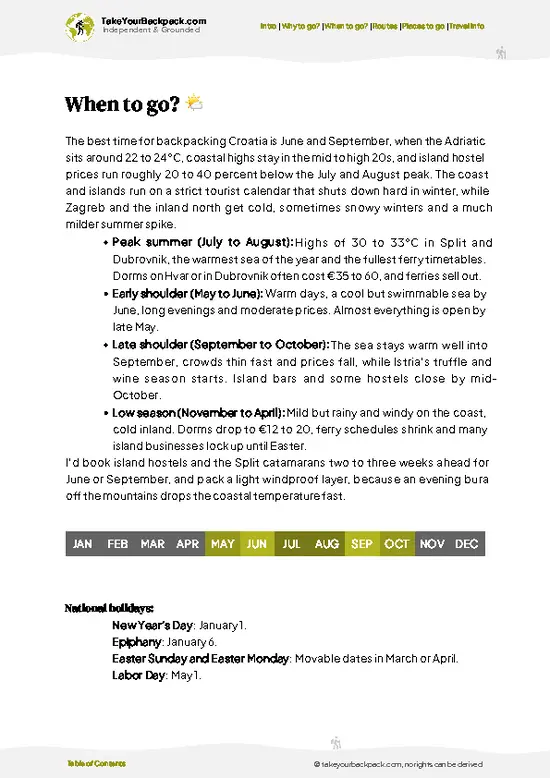
  • Weather: The best weather hits between May and September, with temperatures ranging from 20°C to 30°C (68°F to 86°F). April and October can be unpredictable—rain and chill sneak in, making the arena less pleasant to explore.

  • Temperature: Summer months (June to August) bring highs around 28-30°C (82-86°F), perfect for wandering without freezing or sweating buckets. Spring and fall hover around 15-22°C (59-72°F), which is cooler but still manageable if you layer smartly.

  • Daylight Hours: Long summer days mean you get up to 15 hours of daylight in June, giving you plenty of time to soak in the arena and nearby sights. Winter months shrink daylight to about 9 hours, cramping your sightseeing window.

  • Crowds: July and August are peak tourist season—expect throngs of selfie sticks and tour groups.
read more 👉

  • Weather: The best weather hits between May and September, with temperatures ranging from 20°C to 30°C (68°F to 86°F). April and October can be unpredictable—rain and chill sneak in, making the arena less pleasant to explore.

  • Temperature: Summer months (June to August) bring highs around 28-30°C (82-86°F), perfect for wandering without freezing or sweating buckets. Spring and fall hover around 15-22°C (59-72°F), which is cooler but still manageable if you layer smartly.

  • Daylight Hours: Long summer days mean you get up to 15 hours of daylight in June, giving you plenty of time to soak in the arena and nearby sights. Winter months shrink daylight to about 9 hours, cramping your sightseeing window.

  • Crowds: July and August are peak tourist season—expect throngs of selfie sticks and tour groups. May, June, and September offer a more relaxed vibe with fewer people, letting you appreciate the arena’s raw history without elbowing through crowds.

  • Seasonal Activities: Summer brings open-air concerts and events inside the arena, which can be a mixed bag—either a magical experience or a noisy distraction, depending on your vibe. Off-season, you get quiet solitude but miss out on these extras.

  • Price Fluctuations: Ticket prices and accommodation spike in July and August. Visiting in May, June, or September means cheaper stays and often discounted entry fees, making your backpacking budget breathe easier.


Pro-tip: Aim for late May or early September—weather’s solid, crowds thin, and you get the arena’s full character without the tourist circus or wallet drain.


source: climatestotravel.comJANJanuary: below average for travelingFEBFebruary: below average for travelingMARMarch: fair for travelingAPRApril: fair for travelingMAYMay: excellent for travelingJUNJune: excellent for travelingJULJuly: good for travelingAUGAugust: good for travelingSEPSeptember: excellent for travelingOCTOctober: fair for travelingNOVNovember: below average for travelingDECDecember: below average for traveling
croatia-attraction-pula-arena v1
© Google |

✈️ The backpacker research shortcutCroatia Travel Guide

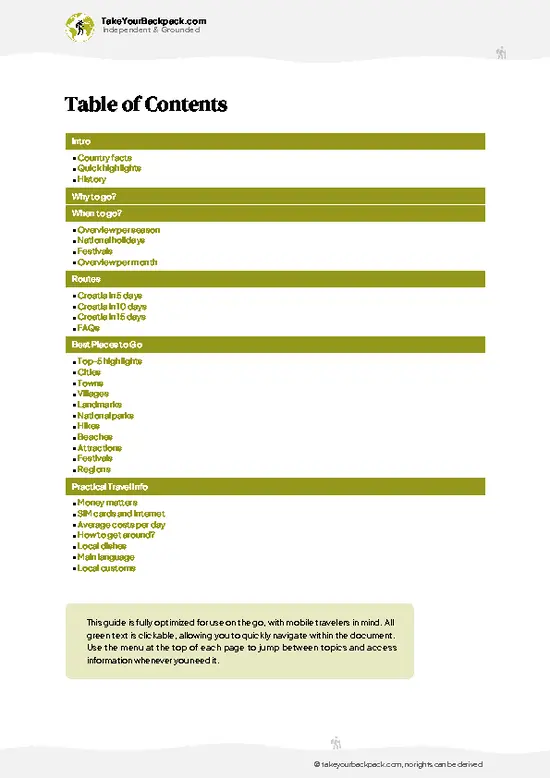
An offline-friendly backpacking guide with optimized travel routes, ranked highlights, transport advice, and the best areas to stay.
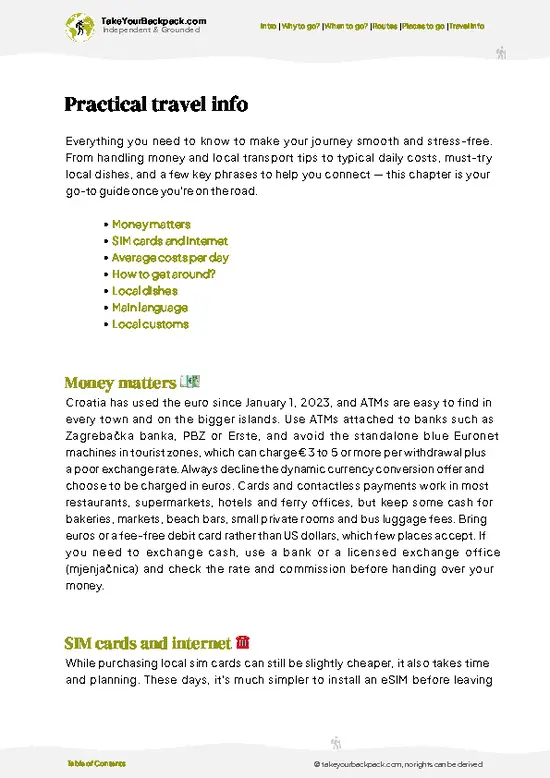
example page 0 from our offline Travel Guide for Croatia
example page 1 from our offline Travel Guide for Croatia
example page 2 from our offline Travel Guide for Croatia
example page 3 from our offline Travel Guide for Croatia
example page 4 from our offline Travel Guide for Croatia
example page 5 from our offline Travel Guide for Croatia
example page 6 from our offline Travel Guide for Croatia
example page 7 from our offline Travel Guide for Croatia
The digital guide (419 pages) contains:
113 highlights, ranked by travel appeal
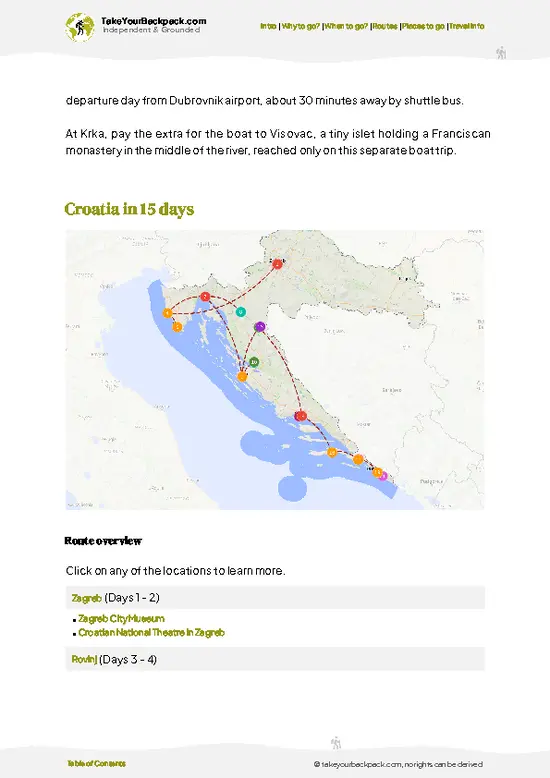
Optimized 5, 10 & 15-day travel routes
Cities, national parks, landmarks, beaches
How to get around
Offline-friendly for travel without Wi-Fi
👉 Click to see all 30+ guide features

📅 Plan smarter in minutes, not weeks
Month by month travel advice
Festivals & national holidays
Budget expectations

🗺️ Go to the right places, skip the overrated ones
Honest pros & cons of destinations
Top hikes, parks & viewpoints
Lesser-known places most travelers miss
Clear “worth it vs skip it” guidance

🛏️ Travel smoothly without rookie mistakes
Best areas to stay
Transport systems explained simply
Common scams & safety advice
SIM cards, money & practical tips

🌍 Understand the country, not just visit it
Culture & traditions
52 Essential phrases & customs
Festivals worth planning around
Traveler-friendly historical context
Insights that make places more meaningful

📱 Built for real travel conditions
Fully downloadable PDF
Works completely offline
Optimized for phone use
Useful in remote areas & buses
Everything in one place
Save weeks of stressful planning
Get instant access to your full guide. 30‑day money-back guarantee.
+ Add another guide for just US$7.80

By proceeding you agree to our terms.
Sent to your inbox immediately after payment • 100% Secure Checkout
Best Backpacking Travel Advisor 2025 tourism awardBest Backpacking
Travel Advisor
2025
What others say about Take Your Backpack Guides:
⭐⭐⭐⭐⭐
Fantastic, amazing amount of information!
⭐⭐⭐⭐⭐
My goodness this is amazing, it's what I've been looking for hats off too you!
⭐⭐⭐⭐⭐
I think this is absolutely BRILLIANT
⭐⭐⭐⭐
Very complete and informative. It's still missing places, but I gotta to commend you
⭐⭐⭐⭐⭐
This is truly amazing, thank you, can't wait to explore it with my kids!
⭐⭐⭐⭐⭐
Awesome resource, thank you!
⭐⭐⭐⭐⭐
This is amazing! Can't wait to explore the ones I haven't seen
⭐⭐⭐⭐
I love this! Well done, great idea.
⭐⭐⭐⭐⭐
Thanks for taking the time to make this gem!
⭐⭐⭐⭐⭐
This might be the best website I've ever seen.
⭐⭐⭐⭐⭐
Congratulations, and thank you so much for your work; it's incredibly valuable.
⭐⭐⭐⭐
In all seriousness I think you did a great job pointing out the important spots
⭐⭐⭐⭐⭐
10/10 very good
⭐⭐⭐⭐⭐
As someone who's only just starting to visit regularly this is awesome, thank you.
⭐⭐⭐⭐
Thank you very much! I'm going to visit my dad, it's going to be very useful!
⭐⭐⭐⭐⭐
This is really cool! We'll be travelling for the first time and this definitely come in handy.
⭐⭐⭐⭐⭐
You are now our minister of culture, congratulations 👨‍💼
⭐⭐⭐⭐⭐
Just wanted to tell you that this is a pearl! Going to follow your recommendations.
⭐⭐⭐⭐⭐
This is so cool. I'll definitely be using the resource for my travels soon.
⭐⭐⭐⭐⭐
This is very impressive! Good work.
⭐⭐⭐⭐⭐
This is an amazing and informative site. Very well done!

🛏️ Where to stay?Choosing the right base

The Pula Arena is a knockout attraction, no doubt. But let’s cut through the postcard-perfect hype: it’s a magnet for tourists, especially in summer. Crowds can be thick, and prices around the immediate vicinity tend to spike. If you’re chasing the ‘Instagram moment’ only, you’ll find yourself elbow-to-elbow with day-trippers and selfie sticks. That’s the reality.

Now, here’s where the savvy backpacker scores. The neighborhoods just a short walk from the Arena—like the Old Town and the Verudela Peninsula—offer the sweet spot. Old Town is your go-to for safety and social buzz. It’s compact, easy … read more 👉
The Pula Arena is a knockout attraction, no doubt. But let’s cut through the postcard-perfect hype: it’s a magnet for tourists, especially in summer. Crowds can be thick, and prices around the immediate vicinity tend to spike. If you’re chasing the ‘Instagram moment’ only, you’ll find yourself elbow-to-elbow with day-trippers and selfie sticks. That’s the reality.

Now, here’s where the savvy backpacker scores. The neighborhoods just a short walk from the Arena—like the Old Town and the Verudela Peninsula—offer the sweet spot. Old Town is your go-to for safety and social buzz. It’s compact, easy to navigate, and packed with lively bars and cafes where solo travelers can strike up conversations without shouting over a tourist mob. Plus, the vibe is authentic Pula, not just a tourist funnel.

Verudela, on the other hand, is quieter and leans more toward budget travelers who want a break from the tourist crush but still want to be close enough to hit the Arena and beaches easily. It’s safe, chill, and has a few social spots that attract backpackers looking to connect without the chaos.

Skip the immediate Arena block if you want value and real interaction. These neighborhoods give you the pulse of Pula without the tourist trap price tag or the crowd crush.

👛 Costs (as of 4 September 2026)Money, prices, and spending tips

As of the most recent estimates, the standard adult ticket price for visiting the Pula Arena is €10. Children under 5 years old enter free of charge. Discounts are available for students, pupils, and persons with disabilities, with tickets priced at €5 for students and €2.50 for children and students with disabilities. Groups of more than 10 people receive a 15% discount. Additional costs may apply for special events or guided tours, which are not specified in the available sources.

source: arenapula.hr
⚠️ Prices can change and everyone travels differently, so take this as a rough guide. Hope it helps you plan your adventure!

FAQFrequently asked questions about Pula Arena

1 to 2 hours is sufficient to visit Pula Arena, allowing time to explore the interior and learn about its history. The site is compact but rich in Roman architecture and exhibits. Allocate extra time if attending events held inside the arena.
Yes, Pula Arena is worth the entrance fee, which is around 70 HRK (Croatian Kuna). It is one of the best-preserved Roman amphitheaters in the world, offering a unique historical experience. The fee supports maintenance and access to informative displays.
Pula Arena is located in the city center of Pula and is easily accessible on foot from most parts of the city. If coming from Pula bus station, it is about a 15-minute walk. Local buses and taxis also serve the area, with clear signage directing visitors to the arena.
⚠️ Things can change over time, so always validate details locally before you go.

Other Croatian attractions near Pula Arena

Explore more nearby:


💡 Not sure where to go next?
Create a personalized itinerary for Croatia including Pula Arena and the places that fit your trip.

Generate my itinerary

👉 Discover all attractions

Or checkout all Croatia has to offer (think cities, towns, villages, national parks, hikes, beaches, festivals)
Country photo of Croatia

We 💚 feedbackIs it worth it?

The Pula Arena isn’t just another ancient ruin slapped with a tourist price tag—it’s a raw slice of Roman grit still standing strong after two millennia. Sure, it gets packed, especially midday, and the entry fee isn’t pocket change for a quick stop. But if you catch it during a live event or just wander the stone corridors imagining gladiators’ footsteps, that’s when the place punches way above its weight. It’s history you can almost touch, not just scroll past.

✈️ When did I visit Croatia?
I checked out Croatia twice as part of a working trip in Zagreb in 2021 and 2022.

✍️ Help improve this page!
The information on this page is based on my own backpacking experience in Croatia, supplemented with up-to-date research and feedback from other travelers. Travel details can change, so if you notice anything outdated or incomplete, feel free to let me know.


🙋‍♂️ Give feedback

👋 Meet the founderWho’s Behind Take Your Backpack?

Johan, backpacker and founder of TakeYourBackpackHi, I’m Johan (Netherlands 🇳🇱), the creator of TakeYourBackpack. Over the past decade, I’ve backpacked through 80+ countries across six continents, gaining extensive experience with independent travel, long-term trips, and overland routes.

This site is built on a combination of firsthand travel experience and carefully curated insights from other backpackers. Many guides are based on places I’ve personally visited, while others bring together tips, observations, and practical advice shared by trusted travelers I’ve met along the way.

The goal is to provide realistic, experience-driven guidance — not generic itineraries — so you can explore destinations with better context, clearer expectations, and more confidence.

Get full Croatia guide •
Instant download • 113 highlights • Full Offline guide