×

Croatia🇭🇷 | townsPulaRoman amphitheater, shipyards, market halls | things to do and best time to go

Explore KorčulaExplore Pag

Backpacking in Pula
🌟 Highlighttown ranked #6
By Johan Kruseman 🇳🇱 | Updated October 16, 2026

Most people arrive in Pula expecting a full-blown beach city, then wonder why they’re staring at shipyards instead of palm-lined promenades. Pula sits at the southern tip of the Istrian Peninsula in northern Croatia, and it’s more working port with Roman ruins than glossy resort. For backpackers, that’s both the charm and the catch. You get a compact old town with the amphitheatre, cheapish konobas, and rocky coves a bus ride away, but the “wow” coastline lives more in nearby Premantura, Kamenjak, and Fažana than in Pula itself. It works best as a practical base and transport hub, not a final destination: buses fan out across Istria, the center is walkable, and local buses cover beaches and villages. Hostels and bars feel social but not wild; think slow beers, not all-night raves. Compared to Rovinj’s postcard romance, Pula is grittier, cheaper, and more real.

Discover everything you want to know in the 📖 Croatia Travel Guide.


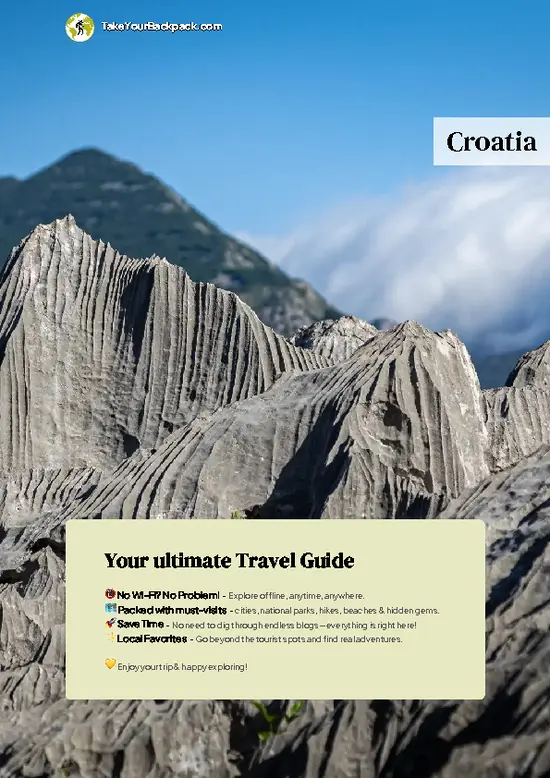
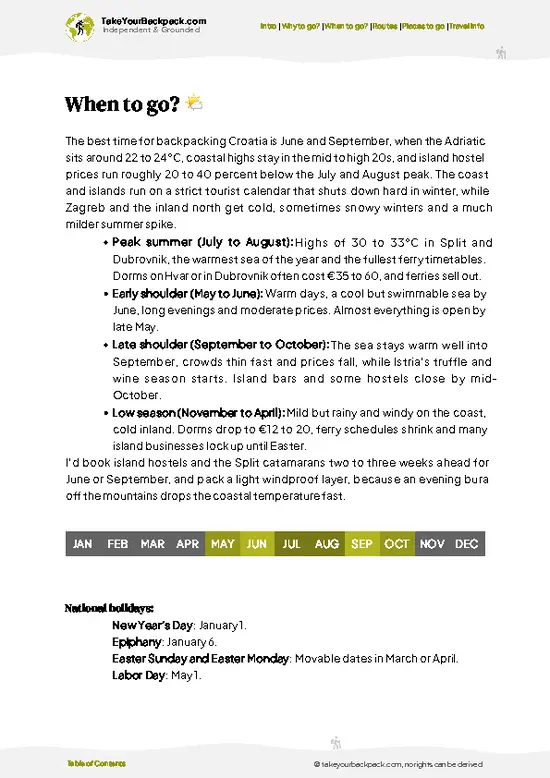
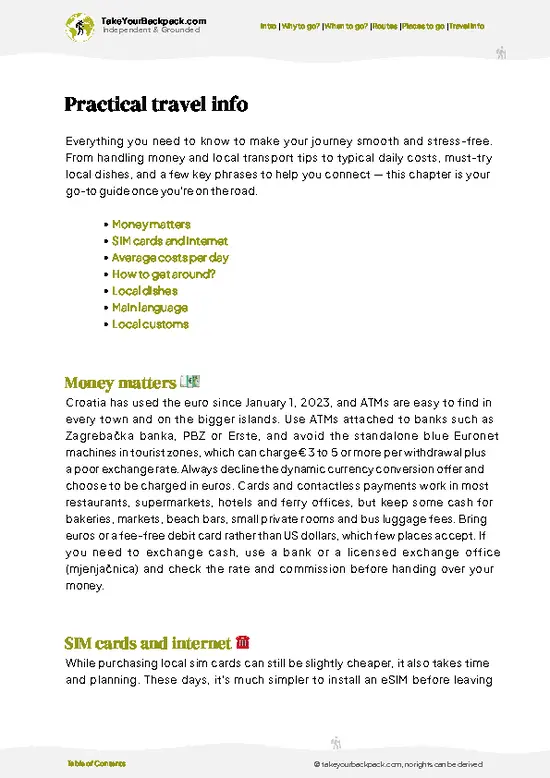
example page 0 from our offline Travel Guide for Croatia
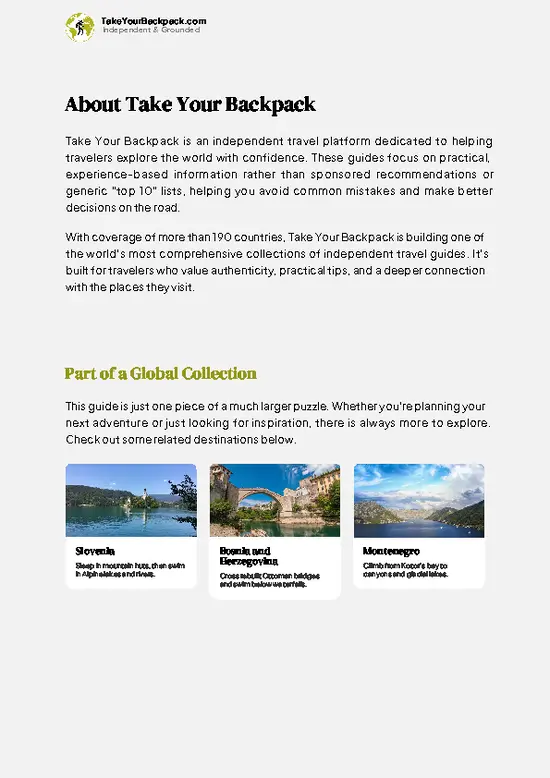
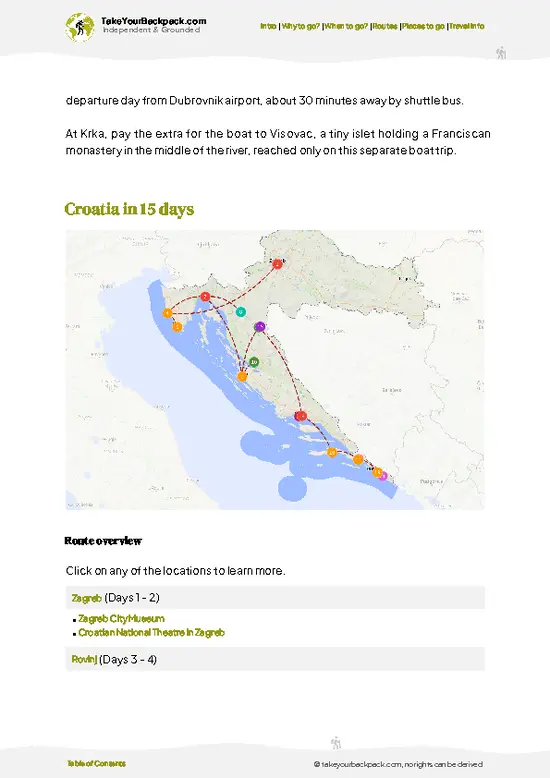
example page 1 from our offline Travel Guide for Croatia
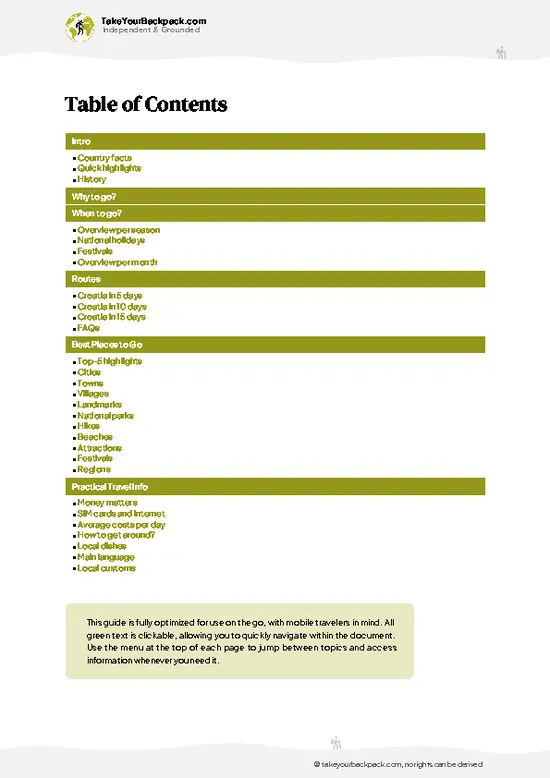
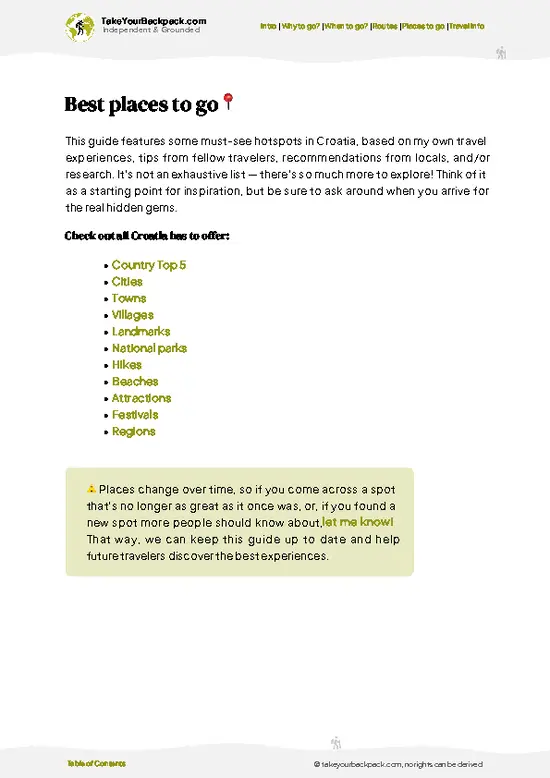
example page 2 from our offline Travel Guide for Croatia
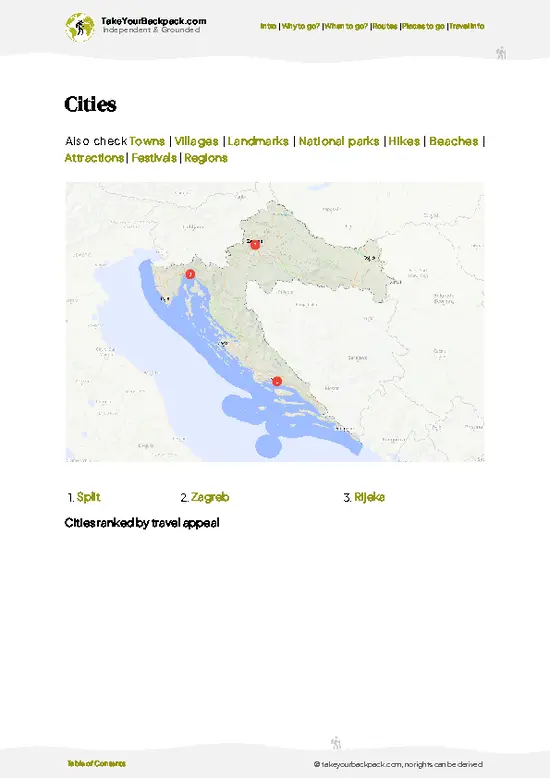
example page 3 from our offline Travel Guide for Croatia
example page 4 from our offline Travel Guide for Croatia
example page 5 from our offline Travel Guide for Croatia
example page 6 from our offline Travel Guide for Croatia
example page 7 from our offline Travel Guide for Croatia
Loading the map 🌍
CLICK TO FILTER
cities
towns
villages
landmarks
national parks
hikes
beaches
attractions
festivals
regions
SHOW COUNTRY’S BESTSHOW ALL

✨ Why go?
Ranked #6 town in Croatia
What makes it a must-see town

Backpackers flock to Pula for its strategic location along the Istrian coast, making it a perfect base for exploring nearby hikes and beaches. The walkable streets invite you to wander, with local food stalls and cozy guesthouses that feel like home. You can grab a fresh seafood dish or a slice of homemade pizza, all while soaking in the scent of the sea air mixed with grilled vegetables.

Most travelers stay a couple of days, enjoying the friendly social atmosphere that encourages connections among solo travelers and small groups alike. It’s not a party town, but you’ll find plenty of opportunities to share stories over a glass of local wine.

The Roman ruins and cultural sites are easily accessible, allowing you to dive into history without feeling rushed. For those who appreciate a slower … read more 👉
Backpackers flock to Pula for its strategic location along the Istrian coast, making it a perfect base for exploring nearby hikes and beaches. The walkable streets invite you to wander, with local food stalls and cozy guesthouses that feel like home. You can grab a fresh seafood dish or a slice of homemade pizza, all while soaking in the scent of the sea air mixed with grilled vegetables.

Most travelers stay a couple of days, enjoying the friendly social atmosphere that encourages connections among solo travelers and small groups alike. It’s not a party town, but you’ll find plenty of opportunities to share stories over a glass of local wine.

The Roman ruins and cultural sites are easily accessible, allowing you to dive into history without feeling rushed. For those who appreciate a slower pace, Pula offers a blend of relaxation and adventure, making it a worthwhile stop on your journey through Croatia.

💡 HighlightsDon't-miss highlights and experiences

  • Pula Arena (Roman Amphitheatre) — One of the best-preserved Roman amphitheatres in the world; you can walk the interior, imagine gladiator shows, and often catch concerts or events that make the stones come alive.
  • Temple of Augustus — A compact, atmospheric Roman temple sitting on the Forum; great for appreciating ancient stonework up close and for a quiet moment away from the crowds on the main square.
  • Arch of the Sergii (Triumphal Arch) — A beautifully carved Roman triumphal arch near the Forum; it’s small but impeccably preserved and makes for one of the most photographed corners of Pula.
  • Pula Forum (Republic Square) — The city’s social heart since Roman times: a pedestrian square surrounded by cafés, Roman ruins and municipal buildings — perfect for people-watching and sensing the
… read more 👉
  • Pula Arena (Roman Amphitheatre) — One of the best-preserved Roman amphitheatres in the world; you can walk the interior, imagine gladiator shows, and often catch concerts or events that make the stones come alive.
  • Temple of Augustus — A compact, atmospheric Roman temple sitting on the Forum; great for appreciating ancient stonework up close and for a quiet moment away from the crowds on the main square.
  • Arch of the Sergii (Triumphal Arch) — A beautifully carved Roman triumphal arch near the Forum; it’s small but impeccably preserved and makes for one of the most photographed corners of Pula.
  • Pula Forum (Republic Square) — The city’s social heart since Roman times: a pedestrian square surrounded by cafés, Roman ruins and municipal buildings — perfect for people-watching and sensing the layers of history.
  • Porta Gemina (Twin Gates) — A rare surviving double Roman gate tucked into a narrow street; an easy, satisfying stop that highlights how ancient infrastructure blends into modern Pula.
  • Pula Cathedral and Bell Tower — The cathedral’s mix of medieval and baroque touches is worth a look, and if you climb the bell tower you’ll get a rewarding panorama over the rooftops and the harbor.
  • Kaštel (Venetian Fortress) — The small Venetian fort on a hill with ramparts and museum spaces; good views, interesting exhibitions, and a real feel for the city’s later military history.
  • Zerostrasse (WWI Underground Tunnels) — An atmospheric network of Austro-Hungarian tunnels under the old town; guided walks take you inside the dim, vaulted passages and explain a layer of history you won’t see on the surface.
  • Pula Aquarium (Fort Verudela) — Housed in old coastal fortifications at the Verudela peninsula, the aquarium pairs marine tanks with seaside forts — nice if you want history, marine life, and a swim nearby.
  • Veli Varoš neighbourhood — A lived-in, old fishermen’s quarter with narrow lanes, small churches and local bakeries; wander here for real neighborhood atmosphere and a quieter, more authentic side of Pula.
A few easy day trips from Pula: Brijuni National Park (boat trips to the islands), the coastal charm of Rovinj, and the rugged beaches and sea caves of Cape Kamenjak near Premantura.
Spotted a mistake or missing something? Contact us.

Things to do around Pula

Ratings based on Tripadvisor reviews. When you book through this link, you support our work at no extra cost to you.

🏘️ NeighborhoodsHow different areas shape the experience

Pula, Croatia, is a blend of ancient history and vibrant local life, making it a backpacker’s playground. Each neighborhood offers a unique flavor, so let’s break it down.

Old Town: This is where history breathes. The Roman amphitheater looms large, and cobblestone streets invite exploration. It’s walkable and packed with cafes and shops. Prices can be higher here, but the atmosphere is electric, especially at night. Perfect for short stays where you want to soak in the sights.

Veruda: A quieter residential area, Veruda offers a more local vibe. It’s less touristy, with affordable eateries and markets. The beaches are nearby, making it great for longer stays if you want to relax. Public transport is accessible, but walking is a treat here.

Banjole: Just a short bus ride from Pula, Banjole … read more 👉
Pula, Croatia, is a blend of ancient history and vibrant local life, making it a backpacker’s playground. Each neighborhood offers a unique flavor, so let’s break it down.

Old Town: This is where history breathes. The Roman amphitheater looms large, and cobblestone streets invite exploration. It’s walkable and packed with cafes and shops. Prices can be higher here, but the atmosphere is electric, especially at night. Perfect for short stays where you want to soak in the sights.

Veruda: A quieter residential area, Veruda offers a more local vibe. It’s less touristy, with affordable eateries and markets. The beaches are nearby, making it great for longer stays if you want to relax. Public transport is accessible, but walking is a treat here.

Banjole: Just a short bus ride from Pula, Banjole is a coastal haven. It’s ideal for those who crave beach days and water sports. Prices are reasonable, and the nightlife is laid-back. This area suits longer stays, especially if you want a mix of relaxation and adventure.

Veli Vrh: This neighborhood is slightly removed from the hustle. It’s a residential area with a local feel, perfect for budget-conscious travelers. It’s walkable, but you’ll need to rely on public transport for nightlife. Great for those looking to immerse themselves in everyday Croatian life.

⌛️ 1 dayHow to make the most of one day

Pula, Croatia, is a treasure trove of Roman history and coastal charm, where ancient ruins stand shoulder to shoulder with vibrant local life. The air is tinged with the scent of salt and grilled seafood, and the warm Mediterranean sun casts a golden hue over the cobblestone streets.

Start your day at the iconic Arena, a well-preserved Roman amphitheater that’s a must-see. Arrive early to beat the crowds and soak in the atmosphere—imagine the cheers of ancient spectators echoing through the arches. Afterward, stroll through the nearby Forum, where you can admire the Temple of Augustus. Grab a coffee at a local café, like Caffe Bar Uliks, where the barista knows how to brew a perfect espresso, and the pastries are a delightful bonus.

In the afternoon, head to the less-traveled neighborhood … read more 👉
Pula, Croatia, is a treasure trove of Roman history and coastal charm, where ancient ruins stand shoulder to shoulder with vibrant local life. The air is tinged with the scent of salt and grilled seafood, and the warm Mediterranean sun casts a golden hue over the cobblestone streets.

Start your day at the iconic Arena, a well-preserved Roman amphitheater that’s a must-see. Arrive early to beat the crowds and soak in the atmosphere—imagine the cheers of ancient spectators echoing through the arches. Afterward, stroll through the nearby Forum, where you can admire the Temple of Augustus. Grab a coffee at a local café, like Caffe Bar Uliks, where the barista knows how to brew a perfect espresso, and the pastries are a delightful bonus.

In the afternoon, head to the less-traveled neighborhood of Veruda. Here, you’ll find the charming Veruda Harbor, a spot where locals dock their boats. The vibe is relaxed, and you can enjoy a leisurely lunch at a family-run konoba, savoring fresh fish and homemade pasta. The flavors are authentic, and the service feels like a warm embrace.

As the sun begins to set, make your way to the Punta Christo Fortress. This site is often overlooked by tourists, but the panoramic views of the Adriatic Sea as the sun dips below the horizon are worth the trek. Bring a bottle of local wine to sip while you watch the sky transform into a canvas of oranges and purples.

End your day in the heart of Pula’s old town, where the streets come alive with laughter and music. Find a cozy tavern to enjoy a hearty dinner, perhaps trying the local specialty, Istrian truffles, paired with a glass of Malvasia. The atmosphere is electric, and you’ll feel like you’ve truly experienced the soul of Pula.

🌤️ When to go?Choosing the right time of year

  • Weather: Pula basks in a Mediterranean climate. Summers hit highs around 28-32°C (82-90°F), perfect for beach days but can feel intense under the sharp Adriatic sun. Spring and early autumn offer milder warmth, around 18-24°C (64-75°F), making hiking and exploring ruins more comfortable.
  • Temperature: Winters are mild, rarely dropping below 5°C (41°F), but the sea is too cold for swimming. If you want to avoid the heat and still enjoy outdoor activities, late April to June or September to early October is your sweet spot.
  • Daylight Hours: Summer days stretch long, with up to 15 hours of light in July, giving you plenty of time to soak in the Roman amphitheater or stroll the waterfront. Off-season, daylight shrinks to about 9-10 hours, which means earlier nights but quieter streets.
  • Crowds:
… read more 👉
  • Weather: Pula basks in a Mediterranean climate. Summers hit highs around 28-32°C (82-90°F), perfect for beach days but can feel intense under the sharp Adriatic sun. Spring and early autumn offer milder warmth, around 18-24°C (64-75°F), making hiking and exploring ruins more comfortable.
  • Temperature: Winters are mild, rarely dropping below 5°C (41°F), but the sea is too cold for swimming. If you want to avoid the heat and still enjoy outdoor activities, late April to June or September to early October is your sweet spot.
  • Daylight Hours: Summer days stretch long, with up to 15 hours of light in July, giving you plenty of time to soak in the Roman amphitheater or stroll the waterfront. Off-season, daylight shrinks to about 9-10 hours, which means earlier nights but quieter streets.
  • Crowds: July and August pack the town with tourists, especially around the amphitheater and beaches. Shoulder seasons see fewer visitors, letting you savor Pula’s charm without elbowing through crowds or waiting in line for gelato.
  • Seasonal Activities: Summer brings festivals, open-air concerts, and lively markets. Spring and autumn offer truffle hunting tours and wine tastings, tapping into Istria’s rich culinary scene with fewer tourists around.
  • Price Fluctuations: Accommodation and flights spike in July and August. Booking outside peak months can save you 30-50%, and local eateries are less touristy and more wallet-friendly.
Pro-tip: Aim for late May or early October—warm enough to swim, long days to explore, and a local vibe that feels like you’ve stepped off the beaten path.


source: climatestotravel.comJANJanuary: fair for travelingFEBFebruary: fair for travelingMARMarch: good for travelingAPRApril: highly recommended for travelingMAYMay: excellent for travelingJUNJune: excellent for travelingJULJuly: good for travelingAUGAugust: good for travelingSEPSeptember: excellent for travelingOCTOctober: highly recommended for travelingNOVNovember: fair for travelingDECDecember: fair for traveling
croatia-city-pula
© Google |

✈️ The backpacker research shortcutCroatia Travel Guide

An offline-friendly backpacking guide with optimized travel routes, ranked highlights, transport advice, and the best areas to stay.
example page 0 from our offline Travel Guide for Croatia
example page 1 from our offline Travel Guide for Croatia
example page 2 from our offline Travel Guide for Croatia
example page 3 from our offline Travel Guide for Croatia
example page 4 from our offline Travel Guide for Croatia
example page 5 from our offline Travel Guide for Croatia
example page 6 from our offline Travel Guide for Croatia
example page 7 from our offline Travel Guide for Croatia
The digital guide (407 pages) contains:
✅ 109 highlights, ranked by travel appeal
✅ Optimized 5, 10 & 15-day travel routes
✅ Cities, national parks, landmarks, beaches
✅ How to get around
✅ Offline-friendly for travel without Wi-Fi
👉 Click to see all 30+ guide features

📅 Plan smarter in minutes, not weeks
✅ Month by month travel advice
✅ Festivals & national holidays
✅ Budget expectations

🗺️ Go to the right places, skip the overrated ones
✅ Honest pros & cons of destinations
✅ Top hikes, parks & viewpoints
✅ Lesser-known places most travelers miss
✅ Clear “worth it vs skip it” guidance

🛏️ Travel smoothly without rookie mistakes
✅ Best areas to stay
✅ Transport systems explained simply
✅ Common scams & safety advice
✅ SIM cards, money & practical tips

🌍 Understand the country, not just visit it
✅ Culture & traditions
✅ 52 Essential phrases & customs
✅ Festivals worth planning around
✅ Traveler-friendly historical context
✅ Insights that make places more meaningful

📱 Built for real travel conditions
✅ Fully downloadable PDF
✅ Works completely offline
✅ Optimized for phone use
✅ Useful in remote areas & buses
✅ Everything in one place
Stop searching, start planning
Get instant access to your full guide. 30‑day money-back guarantee.
+ Add another guide for just

By proceeding you agree to our terms.
Sent to your inbox immediately after payment • 100% Secure Checkout
Best Backpacking Travel Advisor 2025 tourism awardBest Backpacking
Travel Advisor
2025
What others say about Take Your Backpack Guides:
⭐⭐⭐⭐⭐
Fantastic, amazing amount of information!
⭐⭐⭐⭐⭐
My goodness this is amazing, it's what I've been looking for hats off too you!
⭐⭐⭐⭐⭐
I think this is absolutely BRILLIANT
⭐⭐⭐⭐
Very complete and informative. It's still missing places, but I gotta to commend you
⭐⭐⭐⭐⭐
This is truly amazing, thank you, can't wait to explore it with my kids!
⭐⭐⭐⭐⭐
Awesome resource, thank you!
⭐⭐⭐⭐⭐
This is amazing! Can't wait to explore the ones I haven't seen
⭐⭐⭐⭐
I love this! Well done, great idea.
⭐⭐⭐⭐⭐
Thanks for taking the time to make this gem!
⭐⭐⭐⭐⭐
This might be the best website I've ever seen.
⭐⭐⭐⭐⭐
Congratulations, and thank you so much for your work; it's incredibly valuable.
⭐⭐⭐⭐
In all seriousness I think you did a great job pointing out the important spots
⭐⭐⭐⭐⭐
10/10 very good
⭐⭐⭐⭐⭐
As someone who's only just starting to visit regularly this is awesome, thank you.
⭐⭐⭐⭐
Thank you very much! I'm going to visit my dad, it's going to be very useful!
⭐⭐⭐⭐⭐
This is really cool! We'll be travelling for the first time and this definitely come in handy.
⭐⭐⭐⭐⭐
You are now our minister of culture, congratulations 👨‍💼
⭐⭐⭐⭐⭐
Just wanted to tell you that this is a pearl! Going to follow your recommendations.
⭐⭐⭐⭐⭐
This is so cool. I'll definitely be using the resource for my travels soon.
⭐⭐⭐⭐⭐
This is very impressive! Good work.
⭐⭐⭐⭐⭐
This is an amazing and informative site. Very well done!

🛏️ Where to stay?Where staying makes the most sense

In Pula, the heartbeat for backpackers pulses strongest around the Old Town and the nearby Verudela Peninsula. The Old Town is where history breathes through limestone streets, and the air carries a mix of sea salt and espresso. Staying here means you’re steps from the Roman Arena, local markets, and a cluster of lively bars where solo travelers naturally mingle. The vibe is easygoing but buzzing—perfect for those who want to dive into Pula’s culture without losing the social thread.

Just a short walk or bike ride away, Verudela offers a quieter, more laid-back scene with access to beaches and … read more 👉
In Pula, the heartbeat for backpackers pulses strongest around the Old Town and the nearby Verudela Peninsula. The Old Town is where history breathes through limestone streets, and the air carries a mix of sea salt and espresso. Staying here means you’re steps from the Roman Arena, local markets, and a cluster of lively bars where solo travelers naturally mingle. The vibe is easygoing but buzzing—perfect for those who want to dive into Pula’s culture without losing the social thread.

Just a short walk or bike ride away, Verudela offers a quieter, more laid-back scene with access to beaches and green spaces. It’s a favorite for budget travelers who want to balance socializing with downtime by the Adriatic. Hostels here tend to have communal areas that encourage connections, from shared kitchens to rooftop terraces where the sunset paints the sky in fiery hues.

Compared to the more residential or industrial outskirts, these neighborhoods feel safer and more welcoming, especially after dark. The streets are well-lit, and there’s a steady flow of fellow travelers and locals, so you never feel isolated. Choosing these areas means you’re not just avoiding the tourist traps—you’re stepping into the rhythm of Pula’s everyday life, where every corner invites you to linger a little longer.

🚌 Getting aroundTransportation options and practical tips

Pula moves at its own rhythm—part Mediterranean ease, part old-world grit. The sun slants low in the afternoon, casting long shadows from ancient Roman arches onto cobblestone streets that still remember the footsteps of gladiators. This isn’t a place where you’ll find rigid timetables or a strict transit grid. Instead, it’s a town that flows with a casual pulse, where buses might show up a few minutes late, and locals navigate the streets with a mix of intuition and habit. The scent of pine and salty sea air drifts through the narrow alleys, inviting you to slow down and absorb the layers of history and daily life. To move like a local here, you’ll want to blend patience with a bit of savvy—knowing when to walk, when to catch a bus, and how to read the subtle cues of the town’s transport … read more 👉
Pula moves at its own rhythm—part Mediterranean ease, part old-world grit. The sun slants low in the afternoon, casting long shadows from ancient Roman arches onto cobblestone streets that still remember the footsteps of gladiators. This isn’t a place where you’ll find rigid timetables or a strict transit grid. Instead, it’s a town that flows with a casual pulse, where buses might show up a few minutes late, and locals navigate the streets with a mix of intuition and habit. The scent of pine and salty sea air drifts through the narrow alleys, inviting you to slow down and absorb the layers of history and daily life. To move like a local here, you’ll want to blend patience with a bit of savvy—knowing when to walk, when to catch a bus, and how to read the subtle cues of the town’s transport rhythm.
  • Walking: Pula’s compact center is best explored on foot. The main sights—like the Arena, Temple of Augustus, and Forum—are all within a 15- to 20-minute stroll of each other. Walking lets you catch the texture of the city: the rough stone walls, the chatter from café terraces, and the occasional waft of grilled seafood. It’s free, flexible, and the best way to soak in the atmosphere.
  • City Bus (Autobus): The local bus network covers Pula and nearby suburbs. Buses run roughly from 5:30 AM to 11 PM, with tickets costing around 12 HRK (about $1.50). They’re reliable but can be crowded during rush hour. The main hub is near the bus station by the ferry port, and routes are numbered—grab a route map at the station or your accommodation. This is your go-to for reaching beaches or neighborhoods outside the walkable center.
  • Bike Rentals: For a bit more speed and freedom, renting a bike is a smart move. Pula’s terrain is mostly flat, and cycling along the waterfront or through parks feels like a breeze. Daily rentals hover around 70-100 HRK ($9-$13). It’s faster than walking, cheaper than taxis, and lets you explore hidden corners without the hassle of parking.
  • Taxi: Taxis are available but pricier—expect around 30-50 HRK ($4-$7) for short trips within the city. They don’t run on meters everywhere, so agree on a fare upfront. Useful if you’re hauling gear or returning late when buses have stopped, but avoid relying on them for daily travel to save cash.
  • Ferry to Nearby Islands: If your budget allows a day trip, ferries depart from Pula’s harbor to nearby islands like Brijuni. Tickets vary by destination but start around 60 HRK ($8). Ferries run mostly in the morning and early afternoon, so plan accordingly. This option adds a refreshing maritime layer to your Pula experience, breaking up the urban pace with sea breeze and island trails.

👛 Costs (as of 16 October 2026)What things cost and how to budget

Backpacking in Pula, Croatia, offers a mix of Roman history and Adriatic charm, but knowing the daily costs helps you plan without surprises.
  • Dorm Accommodation: Expect to pay between €15 and €25 per night for a bed in a shared dorm. Hostels here are straightforward, often in old stone buildings with creaky floors, giving you a taste of local life without the tourist gloss.
  • Meals: Budget around €8 to €15 for daily food. Grabbing a burek or a slice of pizza from a local bakery for a few euros keeps you fueled. If you want to sit down for a simple meal—think grilled fish or a plate of pasta—it’ll push you closer to the upper end.
  • Local Transport: Pula is compact, so walking covers most ground. If you need a bus, a single ticket costs about €1.30. Taxis start around €3, but they’re rarely
… read more 👉
Backpacking in Pula, Croatia, offers a mix of Roman history and Adriatic charm, but knowing the daily costs helps you plan without surprises.
  • Dorm Accommodation: Expect to pay between €15 and €25 per night for a bed in a shared dorm. Hostels here are straightforward, often in old stone buildings with creaky floors, giving you a taste of local life without the tourist gloss.
  • Meals: Budget around €8 to €15 for daily food. Grabbing a burek or a slice of pizza from a local bakery for a few euros keeps you fueled. If you want to sit down for a simple meal—think grilled fish or a plate of pasta—it’ll push you closer to the upper end.
  • Local Transport: Pula is compact, so walking covers most ground. If you need a bus, a single ticket costs about €1.30. Taxis start around €3, but they’re rarely necessary unless you’re hauling gear or heading out late.
  • Basic Activities/Entry Fees: Visiting the Arena, Pula’s Roman amphitheater, costs around €8. Other sites like the Temple of Augustus or the Archaeological Museum are about €3 to €5. Budget €10 to €15 daily if you plan to explore a couple of spots.
  • Miscellaneous Expenses: Factor in about €3 to €5 for things like water, coffee, or a local SIM card top-up. Small costs add up, especially if you want to grab a cold drink after wandering the sunlit streets.

All told, you’re looking at roughly €40 to €60 per day to cover the essentials without cutting corners. Pula’s charm is in its layers—the salty sea air mixing with ancient stone—and the modest price tag means you can linger longer, soaking it all in without rushing.


source: numbeo.com
⚠️ Prices can change and everyone travels differently, so take this as a rough guide. Hope it helps you plan your adventure!

🚌 Day tripsShort trips worth adding

Pula, Croatia, is a backpacker’s dream base, offering easy access to stunning landscapes and rich history. Here’s how to make the most of your day trips without breaking the bank.

Brijuni National Park
A short ferry ride from Fazana, Brijuni is a lush archipelago where nature and history collide. You’ll wander through ancient Roman ruins and spot exotic wildlife, all while soaking in the Mediterranean sun. The ferry takes about 20 minutes, and a round trip costs around €20. Aim for spring or early fall when the crowds thin out, and the weather is just right. Many first-timers forget to book their ferry in advance, which can lead to long waits.
👉 Explore Brijuni National Park

Rovinj
This charming coastal town is a feast for the senses. Stroll through cobbled streets lined with colorful … read more 👉
Pula, Croatia, is a backpacker’s dream base, offering easy access to stunning landscapes and rich history. Here’s how to make the most of your day trips without breaking the bank.

Brijuni National Park
A short ferry ride from Fazana, Brijuni is a lush archipelago where nature and history collide. You’ll wander through ancient Roman ruins and spot exotic wildlife, all while soaking in the Mediterranean sun. The ferry takes about 20 minutes, and a round trip costs around €20. Aim for spring or early fall when the crowds thin out, and the weather is just right. Many first-timers forget to book their ferry in advance, which can lead to long waits.
👉 Explore Brijuni National Park

Rovinj
This charming coastal town is a feast for the senses. Stroll through cobbled streets lined with colorful buildings, and don’t miss the scent of fresh seafood wafting from local eateries. It’s about a 40-minute bus ride from Pula, costing around €5. The best time to visit is during the golden hour, when the sunset casts a warm glow over the harbor. A common mistake is sticking to the main square; venture into the narrow alleys for hidden cafés and local art.
👉 Explore Rovinj

Motovun
For a taste of Istrian hilltop charm, head to Motovun. This medieval town offers breathtaking views of the surrounding vineyards and olive groves. The bus ride takes about an hour and costs around €7. Autumn is prime truffle season, making it the perfect time to indulge in local cuisine. Many backpackers miss the chance to hike the trails around the town, which provide stunning panoramas and a more intimate experience with the landscape.
👉 Explore Motovun

Poreč
Just an hour away by bus, Poreč is known for its stunning Euphrasian Basilica, a UNESCO World Heritage site. The round trip will set you back about €10. Visit in the morning to beat the heat and enjoy a leisurely lunch by the waterfront. First-timers often overlook the small shops selling handmade crafts; these are perfect for unique souvenirs that capture the local spirit.
👉 Explore Poreč

Cape Kamenjak
This rugged peninsula is a paradise for nature lovers. With crystal-clear waters and secluded beaches, it’s perfect for a day of swimming and sunbathing. It’s about a 30-minute drive from Pula, and you can rent a bike for around €15. Late spring or early fall is ideal, as the beaches are less crowded. Many backpackers miss the hidden coves; take the time to explore beyond the main areas for a more tranquil experience.

🛡️ SafetySafety Tips and Common Scams in Pula

Pula is generally safe, but a few tips can enhance your experience. The bustling market area can get crowded, so keep your belongings close. Pickpockets are rare but not unheard of, especially in tourist hotspots like the Roman amphitheater.

If you’re wandering solo at night, stick to well-lit streets and avoid quiet alleys. The waterfront is lively and feels secure, but trust your instincts.

Watch out for the occasional restaurant that might try to upsell you on dishes or drinks you didn’t order. Always check your bill carefully.

Annoyances can include aggressive souvenir sellers, especially near major attractions. A polite but firm “no, thank you” usually does the trick.

Overall, carry yourself with confidence, stay aware of your surroundings, and you’ll unlock the charm of Pula without a hitch.

FAQFrequently asked questions about Pula

Yes, Pula is worth visiting for its well-preserved Roman amphitheater, the Pula Arena, and its charming old town. It offers a mix of history, culture, and coastal scenery that goes beyond a simple stopover. Many travelers spend time exploring the local markets and beaches, making it a worthwhile destination.
Two to three days are ideal to explore Pula thoroughly. This allows time to visit the Roman amphitheater, the Temple of Augustus, and nearby beaches without rushing. You can also take a day trip to the Brijuni Islands if you have extra time.
Yes, Pula can be visited as a day trip from nearby cities like Rovinj or even from Trieste, Italy, which is about 60 km away. The city is accessible by bus or car, making it feasible to explore the main sights in a single day. However, a day trip limits time for beaches and more relaxed exploration.
⚠️ Things can change over time, so always validate details locally before you go.

Other Croatian towns near Pula

Explore more nearby:

  • Rovinj—Peninsula old town, fishing harbor, pastel facades| 28 km away
  • Poreč—Roman mosaics, seaside promenade, basilica complex| 44 km away
  • Buzet—Hilltop views, truffle markets, medieval streets| 60 km away

💡 Not sure where to go next?
Create a personalized itinerary for Croatia including Pula and the places that fit your trip.

Generate my itinerary

👉 Discover all towns

Or checkout all Croatia has to offer (think cities, towns, villages, national parks, hikes, beaches, festivals)
Country photo of Croatia

We 💚 feedbackIs it worth it?

Pula’s ancient Roman ruins whisper stories of the past, especially the stunning amphitheater that feels alive with history. You can almost hear the echoes of gladiators. But be ready for the summer crowds; they can turn the serene vibe into a bustling scene. Embrace the chaos, though—it adds character. Just plan your visits early in the morning or later in the evening for a more intimate experience. It’s worth the effort.

✈️ When did I visit Croatia?
I checked out Croatia twice as part of a working trip in Zagreb in 2021 and 2022.

✍️ Help improve this page!
The information on this page is based on my own backpacking experience in Croatia, supplemented with up-to-date research and feedback from other travelers. Travel details can change, so if you notice anything outdated or incomplete, feel free to let me know.


🙋‍♂️ Give feedback

👋 Meet the founderWho’s Behind Take Your Backpack?

Johan, backpacker and founder of TakeYourBackpackHi, I’m Johan (Netherlands 🇳🇱), the creator of TakeYourBackpack. Over the past 3 decades, I’ve backpacked through 90+ countries across six continents, gaining extensive experience with independent travel, long-term trips, and overland routes.

This site is built on a combination of firsthand travel experience and carefully curated insights from other backpackers. Many guides are based on places I’ve personally visited, while others bring together tips, observations, and practical advice shared by trusted travelers I’ve met along the way.

The goal is to provide realistic, experience-driven guidance — not generic itineraries — so you can explore destinations with better context, clearer expectations, and more confidence.