×

Croatia🇭🇷 | citiesSplitRoman palace, seaside promenade, island ferries, Mediterranean markets | things to do and best time to go

Explore Plaža UjčaExplore Zagreb

Backpacking in Split
UNESCO World Heritage site
🏆 Top pickcity ranked #1
By Johan Kruseman 🇳🇱 | Updated September 4, 2026

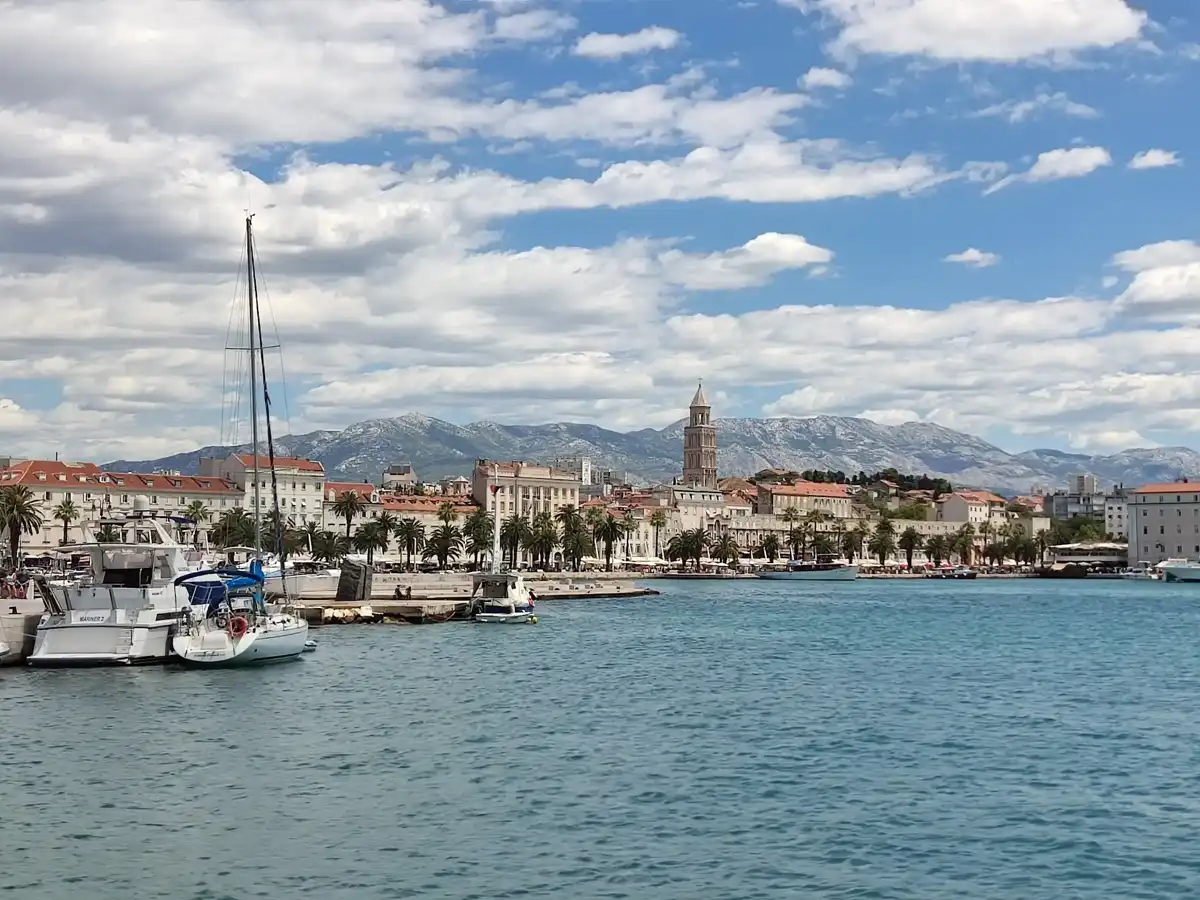
Ten years ago Split felt like a slightly scruffy port with a Roman palace attached; you could drink a beer on the Riva and actually hear the waves. Today it’s Croatia’s coastal hub, wedged halfway down the Dalmatian coast, and it runs on ferries, Airbnbs, and backpacker energy. For you, that means easy island hops, constant buses, and no shortage of hostels or bar crawls. The core around Diocletian’s Palace is wild: 1,700‑year‑old stone alleys packed with bars, cheap burek, and selfie sticks. It’s cheaper and grittier than Dubrovnik, busier and more social than Zadar, and safer than it looks at 2 a.m. when everyone’s singing in the streets. Downsides: crowds, cruise ships, and prices that jump in July; beaches are mostly pebbles and concrete, not postcard sand. But if you want a base with nightlife, history, and fast access to islands, Split is the smart play.

Discover everything you want to know in the 📖 Croatia Travel Guide.


Get your Croatia guide
113 ranked highlights, routes & tips, works offline (419 pages)
Loading the map 🌍
CLICK TO FILTER
cities
towns
villages
landmarks
national parks
hikes
beaches
attractions
festivals
regions
SHOW COUNTRY’S BESTSHOW ALL

✨ Why go?
Ranked #1 city in Croatia
What makes it a must-see city

Backpackers flock to Split for a blend of value and vibrancy that makes it a strategic stop on any Croatian itinerary. The city’s walkability is a game-changer; you can easily navigate its ancient streets, soaking in the history without the hassle of public transport. This accessibility means you can maximize your time, hopping from a café to a beach in minutes.

When it comes to accommodation, Split offers a range of hostels that cater to budget-conscious travelers, often buzzing with fellow backpackers eager to share tips and stories. The food scene is another highlight, with fresh seafood and local dishes that won’t break the bank.

As a basecamp for day trips, Split shines. You can venture to nearby islands or national parks, making it easy to explore without the need for extensive travel. … read more 👉
Backpackers flock to Split for a blend of value and vibrancy that makes it a strategic stop on any Croatian itinerary. The city’s walkability is a game-changer; you can easily navigate its ancient streets, soaking in the history without the hassle of public transport. This accessibility means you can maximize your time, hopping from a café to a beach in minutes.

When it comes to accommodation, Split offers a range of hostels that cater to budget-conscious travelers, often buzzing with fellow backpackers eager to share tips and stories. The food scene is another highlight, with fresh seafood and local dishes that won’t break the bank.

As a basecamp for day trips, Split shines. You can venture to nearby islands or national parks, making it easy to explore without the need for extensive travel. The nightlife is lively yet laid-back, perfect for unwinding after a day of adventures.

If you’re looking for a city that balances comfort and affordability, Split is a solid choice. It’s not just a stopover; it’s a place that enhances your journey, allowing you to dive deeper into Croatia’s charm.
Want to include Split in your Croatia route?
Create a personalized Croatia itinerary that includes Split and the places that fit your trip — based on your travel style, budget, and available time. Get your route in seconds.

Generate my trip

💡 HighlightsTop highlights of Split

  1. Diocletian’s Palace (Peristyle and old town core) — The Roman emperor’s retirement home is literally the city: wander marble alleys, sit in the Peristyle as locals and buskers perform, and watch modern life threaded through 1,700-year-old walls.
  2. Cathedral of Saint Domnius and Bell Tower — A former imperial mausoleum turned cathedral; climb the bell tower for a compact, unbeatable panorama over the palace rooftops and the Adriatic.
  3. Diocletian’s Palace Substructures (basement) — Dark, atmospheric vaulted rooms that preserve the palace’s original layout and give real context to what you see above ground.
  4. Riva (waterfront promenade) — The city’s social living room: cafés, people-watching, evening passeggiata, and a surprisingly lively spot for sundowners without leaving the center.
  5. Marjan
read more 👉
  1. Diocletian’s Palace (Peristyle and old town core) — The Roman emperor’s retirement home is literally the city: wander marble alleys, sit in the Peristyle as locals and buskers perform, and watch modern life threaded through 1,700-year-old walls.
  2. Cathedral of Saint Domnius and Bell Tower — A former imperial mausoleum turned cathedral; climb the bell tower for a compact, unbeatable panorama over the palace rooftops and the Adriatic.
  3. Diocletian’s Palace Substructures (basement) — Dark, atmospheric vaulted rooms that preserve the palace’s original layout and give real context to what you see above ground.
  4. Riva (waterfront promenade) — The city’s social living room: cafés, people-watching, evening passeggiata, and a surprisingly lively spot for sundowners without leaving the center.
  5. Marjan Hill (park and viewpoints) — Pine-shaded trails, tiny medieval chapels, perched viewpoints and hidden pebble coves; the quickest way to feel Split’s mix of sea, nature and everyday local life.
  6. Bačvice Beach — Sand, shallow water and locals playing picigin (a frantic ball game). It’s loud, social and essential Split summer culture — plus easy to reach from the center.
  7. Ivan Meštrović Gallery — The sculptor’s villa, gardens and works give a quieter, very Croatian cultural experience with excellent sea views and intimate sculptures.
  8. Pazar (Green Market) and fish market — A sensory, local experience: seasonal fruit, fresh fish, cheese and a peek at daily Split life right next to the palace.
  9. Archaeological Museum Split — One of Croatia’s oldest museums with artifacts spanning prehistory to late antiquity; great if you want context beyond the Roman stones.
  10. Sustipan Park (cliff-top park & cemetery) — A peaceful cliff-side green with dramatic sea views and historic tombstones; best for quiet sunsets away from the crowds.
A few nearby day-trip highlights you can reach from Split: the medieval port of Trogir, the waterfalls of Krka National Park (Skradinski buk), the island of Brač (Bol and Zlatni Rat beach), and the Cetina river canyon at Omiš.
Spotted a mistake or missing something? Contact us.

Things to do in Split

Ratings based on Tripadvisor reviews. When you book through this link, you support our work at no extra cost to you.

🏘️ NeighborhoodsUnderstanding the local layout

Split is a vibrant hub where ancient history meets modern life, making it a prime spot for backpackers. Here’s a breakdown of key neighborhoods to help you navigate your choices.

Old Town: This is the heart of Split, where history breathes through every stone. You’ll find affordable hostels and charming cafes. The vibe is lively, especially at night, with plenty of bars and restaurants. Walkability is a breeze; everything is within a short stroll. Perfect for short stays, but the touristy hustle can wear you down if you linger too long.

Veli Varoš: Just a stone’s throw from the Old Town, this area offers a more laid-back atmosphere. It’s quieter, with narrow streets and local eateries. Prices are slightly lower here, and you can easily walk to the main attractions. Ideal for longer stays … read more 👉
Split is a vibrant hub where ancient history meets modern life, making it a prime spot for backpackers. Here’s a breakdown of key neighborhoods to help you navigate your choices.

Old Town: This is the heart of Split, where history breathes through every stone. You’ll find affordable hostels and charming cafes. The vibe is lively, especially at night, with plenty of bars and restaurants. Walkability is a breeze; everything is within a short stroll. Perfect for short stays, but the touristy hustle can wear you down if you linger too long.

Veli Varoš: Just a stone’s throw from the Old Town, this area offers a more laid-back atmosphere. It’s quieter, with narrow streets and local eateries. Prices are slightly lower here, and you can easily walk to the main attractions. Ideal for longer stays if you want a mix of local life and accessibility.

Bačvice: Known for its sandy beach, Bačvice is the go-to for sun-seekers. The nightlife here is vibrant, with beach bars that come alive after sunset. Accommodation can be pricier, especially in peak season, but the beach access is a huge draw. Great for short stays focused on relaxation and fun.

Marjan Hill: For those who crave nature, this area offers hiking trails and stunning views. It’s a bit removed from the city buzz, making it perfect for a peaceful retreat. Transport options are limited, so plan to walk or bike. Best for longer stays if you want to escape the crowds and immerse yourself in nature.

Each neighborhood has its unique flavor, so weigh your priorities carefully.

⌛️ 1 day1-day itinerary for Split

Split, Croatia, is a city where ancient history meets vibrant local life. The heart of the city beats within the walls of Diocletian’s Palace, a UNESCO World Heritage site that feels alive with cafes, shops, and locals going about their day. You can almost hear the whispers of Roman emperors as you stroll through its narrow streets.

Start your morning with a strong cup of coffee at Café Luxor, right by the palace. The aroma of freshly brewed espresso mingles with the salty sea air, setting the perfect tone for your day. After your caffeine fix, wander through the palace’s labyrinthine corridors. Don’t miss the Peristyle, where you can soak in the grandeur of ancient columns.

As the sun climbs higher, head to the Veli Varos neighborhood, a charming area with colorful houses and a more local … read more 👉
Split, Croatia, is a city where ancient history meets vibrant local life. The heart of the city beats within the walls of Diocletian’s Palace, a UNESCO World Heritage site that feels alive with cafes, shops, and locals going about their day. You can almost hear the whispers of Roman emperors as you stroll through its narrow streets.

Start your morning with a strong cup of coffee at Café Luxor, right by the palace. The aroma of freshly brewed espresso mingles with the salty sea air, setting the perfect tone for your day. After your caffeine fix, wander through the palace’s labyrinthine corridors. Don’t miss the Peristyle, where you can soak in the grandeur of ancient columns.

As the sun climbs higher, head to the Veli Varos neighborhood, a charming area with colorful houses and a more local vibe. Here, you can grab a light lunch at a konoba (a traditional tavern) like Konoba Matejuska, where the seafood is fresh and the atmosphere is laid-back. Try the grilled sardines; they’re a local favorite and won’t break the bank.

In the afternoon, make your way to Marjan Hill. It’s a bit off the typical tourist path, but the panoramic views of the city and the Adriatic Sea are worth the trek. Take a leisurely hike or rent a bike to explore the trails. The pine-scented air and the sound of rustling leaves create a refreshing escape from the bustling streets below.

As evening approaches, return to the Riva, the waterfront promenade. Grab a gelato from one of the local stands and find a spot to watch the sunset. The sky transforms into a canvas of oranges and pinks, and you’ll feel the day’s adventures settle in. For dinner, indulge in a meal at Fife, known for its hearty Dalmatian dishes. The atmosphere is lively, and the prices are reasonable, making it a perfect end to your day.

In just one day, you’ve tasted the essence of Split—its history, its flavors, and its stunning views. Each choice you made was a step toward experiencing the city’s soul, proving that even a short visit can be rich and rewarding.
Turn your Split visit into an Croatia adventure
Build a complete Croatia route with Split, hidden gems, must-see destinations, and realistic travel times included.

Generate my trip

🌤️ When to go?Choosing the right time of year


  • Weather: Split enjoys a Mediterranean climate. Summers (June to August) are hot and dry, often hitting 30-35°C (86-95°F), perfect for beach days but can feel relentless. Spring and autumn offer milder, more comfortable weather around 15-25°C (59-77°F), ideal for hiking and exploring without overheating.

  • Daylight Hours: Peak summer brings long days, up to 15 hours of daylight, maximizing your time outdoors. Winter days shrink to about 9 hours, limiting sightseeing and outdoor activities.

  • Crowds: July and August are tourist magnets, especially around Diocletian’s Palace and the Riva promenade. Shoulder seasons (May, September) strike a balance—fewer crowds but still lively, letting you enjoy the city’s pulse without elbowing through throngs.

  • Seasonal Activities: Summer is festival season—music,
read more 👉

  • Weather: Split enjoys a Mediterranean climate. Summers (June to August) are hot and dry, often hitting 30-35°C (86-95°F), perfect for beach days but can feel relentless. Spring and autumn offer milder, more comfortable weather around 15-25°C (59-77°F), ideal for hiking and exploring without overheating.

  • Daylight Hours: Peak summer brings long days, up to 15 hours of daylight, maximizing your time outdoors. Winter days shrink to about 9 hours, limiting sightseeing and outdoor activities.

  • Crowds: July and August are tourist magnets, especially around Diocletian’s Palace and the Riva promenade. Shoulder seasons (May, September) strike a balance—fewer crowds but still lively, letting you enjoy the city’s pulse without elbowing through throngs.

  • Seasonal Activities: Summer is festival season—music, food, and cultural events fill the calendar. Spring and autumn bring local markets and quieter beaches, perfect for soaking in authentic daily life.

  • Price Fluctuations: Accommodation and flights spike in summer, sometimes doubling compared to spring or autumn. Booking early or aiming for shoulder seasons saves money without sacrificing the experience.


Pro-tip: For the smartest trade-off, visit Split in late May or early October—pleasant weather, manageable crowds, and better prices make it a winning combo for backpackers who want to feel like insiders, not just tourists.


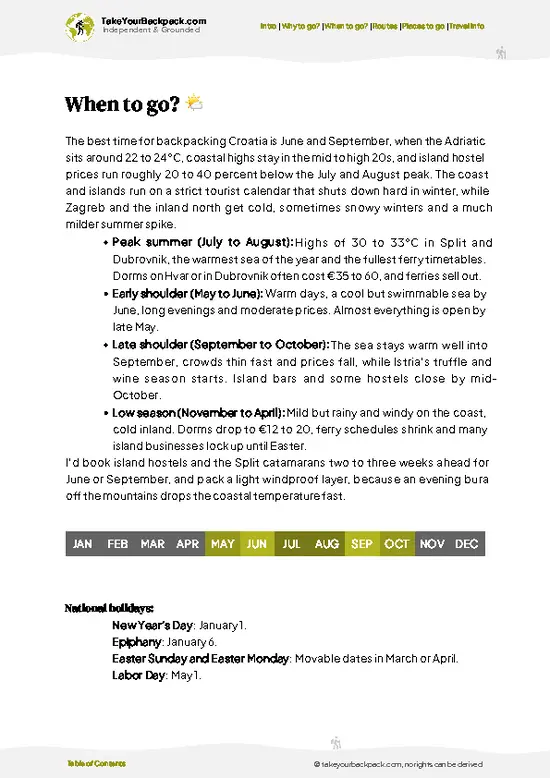
source: climatestotravel.comJANJanuary: fair for travelingFEBFebruary: fair for travelingMARMarch: good for travelingAPRApril: highly recommended for travelingMAYMay: excellent for travelingJUNJune: highly recommended for travelingJULJuly: good for travelingAUGAugust: good for travelingSEPSeptember: excellent for travelingOCTOctober: excellent for travelingNOVNovember: good for travelingDECDecember: fair for traveling
croatia-city-split
© Google | Martin Kalensky

✈️ The backpacker research shortcutCroatia Travel Guide

An offline-friendly backpacking guide with optimized travel routes, ranked highlights, transport advice, and the best areas to stay.
example page 0 from our offline Travel Guide for Croatia
example page 1 from our offline Travel Guide for Croatia
example page 2 from our offline Travel Guide for Croatia
example page 3 from our offline Travel Guide for Croatia
example page 4 from our offline Travel Guide for Croatia
example page 5 from our offline Travel Guide for Croatia
example page 6 from our offline Travel Guide for Croatia
example page 7 from our offline Travel Guide for Croatia
The digital guide (419 pages) contains:
113 highlights, ranked by travel appeal
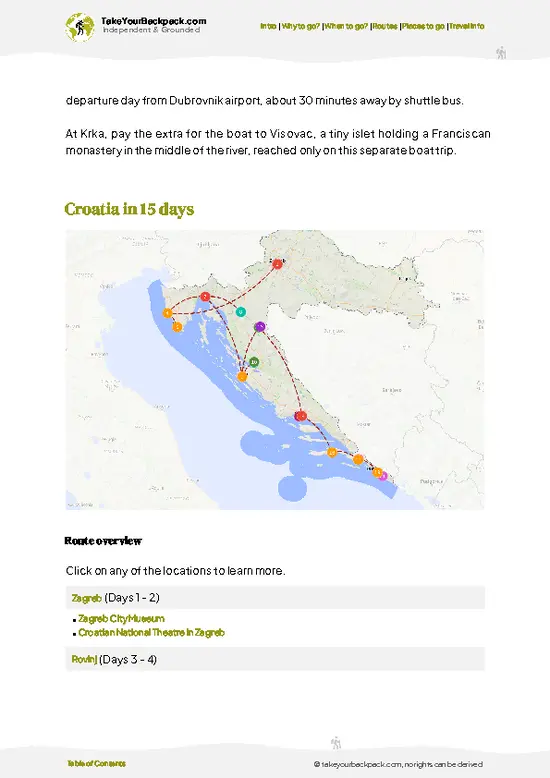
Optimized 5, 10 & 15-day travel routes
Cities, national parks, landmarks, beaches
How to get around
Offline-friendly for travel without Wi-Fi
👉 Click to see all 30+ guide features

📅 Plan smarter in minutes, not weeks
Month by month travel advice
Festivals & national holidays
Budget expectations

🗺️ Go to the right places, skip the overrated ones
Honest pros & cons of destinations
Top hikes, parks & viewpoints
Lesser-known places most travelers miss
Clear “worth it vs skip it” guidance

🛏️ Travel smoothly without rookie mistakes
Best areas to stay
Transport systems explained simply
Common scams & safety advice
SIM cards, money & practical tips

🌍 Understand the country, not just visit it
Culture & traditions
52 Essential phrases & customs
Festivals worth planning around
Traveler-friendly historical context
Insights that make places more meaningful

📱 Built for real travel conditions
Fully downloadable PDF
Works completely offline
Optimized for phone use
Useful in remote areas & buses
Everything in one place
Save weeks of stressful planning
Get instant access to your full guide. 30‑day money-back guarantee.
+ Add another guide for just US$7.80

By proceeding you agree to our terms.
Sent to your inbox immediately after payment • 100% Secure Checkout
Best Backpacking Travel Advisor 2025 tourism awardBest Backpacking
Travel Advisor
2025
What others say about Take Your Backpack Guides:
⭐⭐⭐⭐⭐
Fantastic, amazing amount of information!
⭐⭐⭐⭐⭐
My goodness this is amazing, it's what I've been looking for hats off too you!
⭐⭐⭐⭐⭐
I think this is absolutely BRILLIANT
⭐⭐⭐⭐
Very complete and informative. It's still missing places, but I gotta to commend you
⭐⭐⭐⭐⭐
This is truly amazing, thank you, can't wait to explore it with my kids!
⭐⭐⭐⭐⭐
Awesome resource, thank you!
⭐⭐⭐⭐⭐
This is amazing! Can't wait to explore the ones I haven't seen
⭐⭐⭐⭐
I love this! Well done, great idea.
⭐⭐⭐⭐⭐
Thanks for taking the time to make this gem!
⭐⭐⭐⭐⭐
This might be the best website I've ever seen.
⭐⭐⭐⭐⭐
Congratulations, and thank you so much for your work; it's incredibly valuable.
⭐⭐⭐⭐
In all seriousness I think you did a great job pointing out the important spots
⭐⭐⭐⭐⭐
10/10 very good
⭐⭐⭐⭐⭐
As someone who's only just starting to visit regularly this is awesome, thank you.
⭐⭐⭐⭐
Thank you very much! I'm going to visit my dad, it's going to be very useful!
⭐⭐⭐⭐⭐
This is really cool! We'll be travelling for the first time and this definitely come in handy.
⭐⭐⭐⭐⭐
You are now our minister of culture, congratulations 👨‍💼
⭐⭐⭐⭐⭐
Just wanted to tell you that this is a pearl! Going to follow your recommendations.
⭐⭐⭐⭐⭐
This is so cool. I'll definitely be using the resource for my travels soon.
⭐⭐⭐⭐⭐
This is very impressive! Good work.
⭐⭐⭐⭐⭐
This is an amazing and informative site. Very well done!

🛏️ Where to stay?Where staying makes the most sense

Split’s backpacker sweet spot is the area around the Old Town and the nearby Veli Varos neighborhood. This zone nails the balance between safety, social buzz, and budget-friendly options. Staying here means you’re steps from the Diocletian’s Palace ruins—an epic historical playground that doubles as a daily social hub. The streets pulse with energy, especially in the evenings, when travelers and locals mingle over cheap eats and craft beers. Hostels cluster here, offering dorms that are not just beds but launchpads for meeting fellow adventurers.

Compared to the quieter, more residential districts … read more 👉
Split’s backpacker sweet spot is the area around the Old Town and the nearby Veli Varos neighborhood. This zone nails the balance between safety, social buzz, and budget-friendly options. Staying here means you’re steps from the Diocletian’s Palace ruins—an epic historical playground that doubles as a daily social hub. The streets pulse with energy, especially in the evenings, when travelers and locals mingle over cheap eats and craft beers. Hostels cluster here, offering dorms that are not just beds but launchpads for meeting fellow adventurers.

Compared to the quieter, more residential districts like Meje or the sprawling, less central neighborhoods, this core area trades a bit of peace for maximum connection and convenience. You’re never far from the waterfront promenade, where sunset views are free and the vibe is relaxed but lively. Public transport and ferries to nearby islands are also within easy reach, cutting down on wasted time and extra costs.

If you want to stretch your budget without sacrificing the social scene, this is your zone. It’s not the plushest part of town, but that’s the point: you’re investing in experience over luxury. The payoff? A city that feels like a playground and a community all at once, where every corner invites you to dive deeper into Split’s rhythm.

🚌 Getting aroundGetting around like a local

Split moves at its own rhythm—part Mediterranean ease, part old port city hustle. It’s not a place where you’ll find trains running like clockwork or buses that never miss a beat. Instead, the city’s flow leans into a blend of predictable schedules and spontaneous bursts of activity. Locals and visitors alike navigate this mix with a kind of relaxed savvy, knowing when to wait and when to jump on the next ride, even if it’s a bit off the official timetable. For a budget traveler, understanding this dance between time, money, and comfort is the key to unlocking Split without overspending or wasting hours.


  • Walking: Split’s compact old town and waterfront are best explored on foot. It costs nothing, offers maximum flexibility, and lets you soak in the city’s layers at your own pace. Walking
read more 👉
Split moves at its own rhythm—part Mediterranean ease, part old port city hustle. It’s not a place where you’ll find trains running like clockwork or buses that never miss a beat. Instead, the city’s flow leans into a blend of predictable schedules and spontaneous bursts of activity. Locals and visitors alike navigate this mix with a kind of relaxed savvy, knowing when to wait and when to jump on the next ride, even if it’s a bit off the official timetable. For a budget traveler, understanding this dance between time, money, and comfort is the key to unlocking Split without overspending or wasting hours.


  • Walking: Split’s compact old town and waterfront are best explored on foot. It costs nothing, offers maximum flexibility, and lets you soak in the city’s layers at your own pace. Walking is slow compared to motorized options but unbeatable for comfort and immersion—just wear good shoes.


  • Local Bus: The backbone of budget transit, local buses run roughly from 5:30 AM to midnight. Tickets cost about 12 HRK (~$1.50), bought at kiosks or onboard (cash only). Buses cover the city and suburbs but can be slow during peak hours. Comfort is basic—expect standing room and occasional crowding. Timing isn’t always precise, so build in buffer time.


  • Ferry to Nearby Islands: For day trips to Hvar or Brač, ferries depart from the main port starting early morning until evening. Prices vary by destination but start around 40 HRK (~$5). Ferries are faster than buses for island access and offer a comfortable ride with scenic views, but schedules tighten outside peak season, so plan ahead.


  • Taxi: Taxis are plentiful but pricier—expect a 10-minute ride within the city to cost around 40-50 HRK (~$6-7). They offer door-to-door comfort and save time but can quickly drain a tight budget. Use them strategically for late-night returns or when carrying heavy gear.


  • Bicycle Rental: Renting a bike costs about 70-100 HRK (~$9-13) per day. It’s a middle ground between walking and motorized transit—faster than foot, cheaper than taxis, and more flexible than buses. Cycling lets you cover more ground comfortably, but watch for cobblestones and traffic in busy areas.


Mastering Split’s transit means balancing these options like a chess game. Walk when the city’s charm calls for slow discovery. Hop on a bus to stretch your range without breaking the bank. Ferry out to islands for a quick escape that’s worth the splurge. And keep taxis or bikes in your back pocket for moments when time or comfort tip the scales. Each choice is a trade-off—your job is to play them smart and make the city yours.

👛 Costs (as of 4 September 2026)How expensive it really is

Backpacking in Split, Croatia, is a balancing act between time, money, and comfort, and knowing the daily costs lets you play that game smartly.
  • Dorm Accommodation (High Season): Expect to pay around €20-€30 per night for a bed in a shared dorm during peak months (June to August). Prices spike because Split is a hotspot, so booking early is key.
  • Dorm Accommodation (Off-Season): From October to April, dorm beds drop to about €12-€18. The city is quieter, and you get more breathing room for less cash.
  • Meals: Street food and casual eateries will set you back roughly €5-€10 per meal. Grabbing a burek or a slice of pizza is budget-friendly, while a sit-down meal in a local konoba (tavern) might push closer to €12-€15.
  • Local Transport: Single bus rides cost about €1.30, perfect for hopping around
read more 👉
Backpacking in Split, Croatia, is a balancing act between time, money, and comfort, and knowing the daily costs lets you play that game smartly.
  • Dorm Accommodation (High Season): Expect to pay around €20-€30 per night for a bed in a shared dorm during peak months (June to August). Prices spike because Split is a hotspot, so booking early is key.
  • Dorm Accommodation (Off-Season): From October to April, dorm beds drop to about €12-€18. The city is quieter, and you get more breathing room for less cash.
  • Meals: Street food and casual eateries will set you back roughly €5-€10 per meal. Grabbing a burek or a slice of pizza is budget-friendly, while a sit-down meal in a local konoba (tavern) might push closer to €12-€15.
  • Local Transport: Single bus rides cost about €1.30, perfect for hopping around the city if your legs need a break.
  • City Transport Pass: A daily bus pass runs around €4, which pays off if you plan multiple trips or want the freedom to explore without counting coins each ride.
  • Basic Activities/Entry Fees: Museums and historical sites typically charge €3-€7. The Diocletian’s Palace area is mostly free to wander, but guided tours or special exhibitions add to the cost.
  • Miscellaneous Expenses: Think water, snacks, occasional coffee, or a small souvenir—budget around €3-€7 daily to cover these little extras that keep you fueled and happy.

Realistically, you’re looking at a daily spend between €25 and €50, depending on how much you lean into comfort or scrimp on extras. Split rewards those who know where to save and where to splurge, turning every euro into a piece of the city’s story.


source: visitsplit.com
⚠️ Prices can change and everyone travels differently, so take this as a rough guide. Hope it helps you plan your adventure!

🚌 Day tripsEasy escapes and nearby places

Split is a fantastic launchpad for day trips that blend adventure, culture, and stunning scenery. Here’s how to maximize your experience without breaking the bank.

Krka National Park
Just a short bus ride (about 1.5 hours) from Split, Krka National Park is a must-see for its cascading waterfalls and lush landscapes. The park is less crowded than Plitvice, making it a more serene experience. You can swim in the crystal-clear waters at Skradinski Buk, so pack your swimsuit! Expect to spend around €15 for entry and bus fare. Late spring or early fall is ideal to avoid the summer heat and crowds. A common mistake? Not bringing enough water and snacks; the park is expansive, and food options are limited.


Trogir
Only 30 minutes away by bus or ferry, Trogir is a UNESCO World Heritage site … read more 👉
Split is a fantastic launchpad for day trips that blend adventure, culture, and stunning scenery. Here’s how to maximize your experience without breaking the bank.

Krka National Park
Just a short bus ride (about 1.5 hours) from Split, Krka National Park is a must-see for its cascading waterfalls and lush landscapes. The park is less crowded than Plitvice, making it a more serene experience. You can swim in the crystal-clear waters at Skradinski Buk, so pack your swimsuit! Expect to spend around €15 for entry and bus fare. Late spring or early fall is ideal to avoid the summer heat and crowds. A common mistake? Not bringing enough water and snacks; the park is expansive, and food options are limited.


Trogir
Only 30 minutes away by bus or ferry, Trogir is a UNESCO World Heritage site that feels like stepping back in time. The medieval architecture and charming streets are perfect for wandering. Grab a coffee at a local café and soak in the atmosphere. You can easily do this trip for under €10, including transport. Spring and early fall offer pleasant weather without the tourist rush. First-timers often overlook the local markets; they’re a great spot for affordable snacks and unique souvenirs.
👉 Explore Trogir

Hvar Island
A ferry ride of about an hour takes you to Hvar, known for its vibrant nightlife and stunning beaches. While it can be pricier than other destinations, you can still enjoy it on a budget by exploring the less touristy beaches and hiking to the fortress for panoramic views. Expect to spend around €30 for the ferry and a meal. Late spring or early fall is best to enjoy the island without the summer party crowd. Many visitors miss the chance to explore the quaint villages inland; they offer a more authentic experience.


Vis Island
For a more off-the-beaten-path experience, take a ferry to Vis Island (about 2 hours). Known for its untouched beauty and local charm, Vis offers stunning beaches and the famous Blue Cave. The round trip can cost around €40, but the experience is worth it. Late spring or early fall is ideal for fewer tourists and pleasant weather. A common mistake is trying to see everything in one day; take your time to savor the local cuisine and laid-back vibe.


Omis
Just a 30-minute bus ride from Split, Omis is a treasure trove of outdoor activities. Nestled between mountains and the sea, it’s perfect for hiking, rock climbing, or simply lounging on the beach. You can enjoy this trip for under €15. Late spring or early fall is the best time to visit, avoiding the summer heat. First-timers often miss the chance to explore the old town; it’s a charming spot with great local eateries.
👉 Explore Omis
Want to know what more Croatia offers?
The Croatia Travel Guide describes 113 highlights, from cities to national parks, from beaches to hikes

Get the Travel Guide -

🍲 FoodEating & Drinking in Split

In Split, food and drink are not just sustenance; they’re a way to connect with the local culture. Start with pašticada, a slow-cooked beef dish marinated in red wine and spices, served with gnocchi. The flavors are deep and rich, a true taste of Dalmatian heritage. Don’t miss soparnik, a savory pie filled with Swiss chard and onions, often enjoyed as a street snack. It’s simple, yet bursting with flavor.

For drinks, the local Malvasija wine is a must-try. Its crisp, fruity notes pair beautifully with seafood, which is abundant here. Speaking of seafood, grab a plate of fresh grilled fish at a market stall, where the catch of the day is often just a few steps from the water.

Backpackers will find their groove in konobas, casual taverns where the atmosphere is lively and the prices are friendly. … read more 👉
In Split, food and drink are not just sustenance; they’re a way to connect with the local culture. Start with pašticada, a slow-cooked beef dish marinated in red wine and spices, served with gnocchi. The flavors are deep and rich, a true taste of Dalmatian heritage. Don’t miss soparnik, a savory pie filled with Swiss chard and onions, often enjoyed as a street snack. It’s simple, yet bursting with flavor.

For drinks, the local Malvasija wine is a must-try. Its crisp, fruity notes pair beautifully with seafood, which is abundant here. Speaking of seafood, grab a plate of fresh grilled fish at a market stall, where the catch of the day is often just a few steps from the water.

Backpackers will find their groove in konobas, casual taverns where the atmosphere is lively and the prices are friendly. Street food stalls are scattered throughout the city, offering quick bites that let you savor the local vibe without breaking the bank.

When dining, embrace the slow pace. Meals are meant to be enjoyed, so linger over your wine and engage with locals. Tipping is appreciated but not obligatory; a simple round-up will do. This isn’t just about food; it’s about experiencing Split through its flavors and the warmth of its people.

🛡️ SafetyStaying Safe: What Travelers Should Know

Split is generally safe, but a few mindful practices can enhance your experience. The bustling Riva waterfront is a prime spot for pickpockets, especially during peak tourist hours. Keep your belongings close and be aware of your surroundings.

If you’re a solo traveler, especially at night, stick to well-lit areas and avoid quiet backstreets. The Diocletian’s Palace area is lively and populated, making it a good choice for evening strolls.

Common scams include overly friendly locals offering unsolicited help or guiding you to specific shops where they earn a commission. Politely decline and trust your instincts.

Annoyances can arise from aggressive street performers or vendors, but a simple “no, thank you” usually suffices.

Overall, carry yourself confidently and engage with locals … read more 👉
Split is generally safe, but a few mindful practices can enhance your experience. The bustling Riva waterfront is a prime spot for pickpockets, especially during peak tourist hours. Keep your belongings close and be aware of your surroundings.

If you’re a solo traveler, especially at night, stick to well-lit areas and avoid quiet backstreets. The Diocletian’s Palace area is lively and populated, making it a good choice for evening strolls.

Common scams include overly friendly locals offering unsolicited help or guiding you to specific shops where they earn a commission. Politely decline and trust your instincts.

Annoyances can arise from aggressive street performers or vendors, but a simple “no, thank you” usually suffices.

Overall, carry yourself confidently and engage with locals when it feels right. This approach not only keeps you safe but also opens doors to genuine interactions.

FAQFrequently asked questions about Split

3 to 4 days are sufficient to explore Split thoroughly. This allows time to visit Diocletian's Palace, relax on nearby beaches, and take a day trip to islands like Hvar or Brač. Spending more than 4 days is ideal if you want to explore the surrounding Dalmatian coast in depth.
Yes, Split is generally safe for solo backpackers. The city has low violent crime rates, and common issues are limited to petty theft, especially in crowded tourist areas. Staying in well-populated neighborhoods and using standard travel precautions will keep you safe.
Split is known for Diocletian's Palace, a UNESCO World Heritage site and one of the best-preserved Roman ruins in the world. It is also famous for its vibrant waterfront promenade, local markets, and as a gateway to the Dalmatian islands. The city combines ancient history with lively Mediterranean culture.
⚠️ Things can change over time, so always validate details locally before you go.

Other Croatian cities near Split

Explore more nearby:

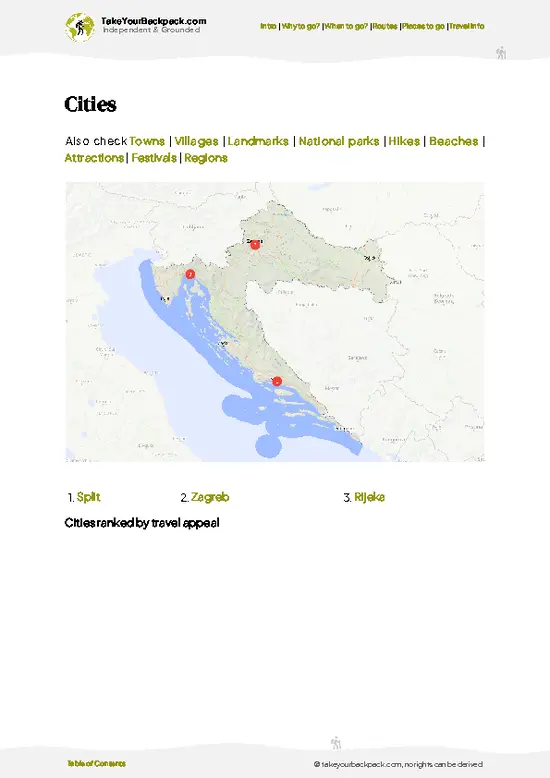
  • Zagreb—Austro-Hungarian squares, street art, hilltop viewpoints, tram network| 259 km away
  • Rijeka—port city, industrial heritage, alternative music, Adriatic gateway| 260 km away

💡 Not sure where to go next?
Create a personalized itinerary for Croatia including Split and the places that fit your trip.

Generate my itinerary

👉 Discover all cities

Or checkout all Croatia has to offer (think cities, towns, villages, national parks, hikes, beaches, festivals)
Country photo of Croatia

We 💚 feedbackIs it worth it?

Split is a treasure trove of history and vibrant life, with Diocletian’s Palace as a stunning centerpiece. You can wander through ancient ruins while sipping coffee at a bustling café—pure magic. But be ready for crowds, especially in summer. The charm can feel overshadowed by tourists. Embrace the hustle, and you’ll find those quieter moments that make it all worthwhile. It’s about balance; the energy here is contagious, but it comes at a price.

✈️ When did I visit Croatia?
I checked out Croatia twice as part of a working trip in Zagreb in 2021 and 2022.

✍️ Help improve this page!
The information on this page is based on my own backpacking experience in Croatia, supplemented with up-to-date research and feedback from other travelers. Travel details can change, so if you notice anything outdated or incomplete, feel free to let me know.


🙋‍♂️ Give feedback

👋 Meet the founderWho’s Behind Take Your Backpack?

Johan, backpacker and founder of TakeYourBackpackHi, I’m Johan (Netherlands 🇳🇱), the creator of TakeYourBackpack. Over the past decade, I’ve backpacked through 80+ countries across six continents, gaining extensive experience with independent travel, long-term trips, and overland routes.

This site is built on a combination of firsthand travel experience and carefully curated insights from other backpackers. Many guides are based on places I’ve personally visited, while others bring together tips, observations, and practical advice shared by trusted travelers I’ve met along the way.

The goal is to provide realistic, experience-driven guidance — not generic itineraries — so you can explore destinations with better context, clearer expectations, and more confidence.

Get full Croatia guide •
Instant download • 113 highlights • Full Offline guide