v2.webp)
- Cathedral of St. Lawrence (Sv. Lovre) — The real showstopper: a 13th-15th century cathedral with Master Radovan’s intricately carved portal and a bell-tower you can climb for one of the best panoramic views of Trogir’s rooftops and the sea.
- Kamerlengo Fortress (Tvrđava Kamerlengo) — A compact coastal fortress with thick walls, walkable ramparts and sunset views; it’s also where locals set up open-air concerts and film screenings in summer, so you feel the town’s social pulse.
- Trogir Old Town (UNESCO World Heritage area) — The whole island is the highlight: medieval lanes, tightly packed stone houses, and a mix of Romanesque, Gothic and Renaissance details that are best enjoyed by simply wandering without a map.
- Čipiko Palace complex — A cluster of Gothic-Renaissance palaces once owned
- Cathedral of St. Lawrence (Sv. Lovre) — The real showstopper: a 13th-15th century cathedral with Master Radovan’s intricately carved portal and a bell-tower you can climb for one of the best panoramic views of Trogir’s rooftops and the sea.
- Kamerlengo Fortress (Tvrđava Kamerlengo) — A compact coastal fortress with thick walls, walkable ramparts and sunset views; it’s also where locals set up open-air concerts and film screenings in summer, so you feel the town’s social pulse.
- Trogir Old Town (UNESCO World Heritage area) — The whole island is the highlight: medieval lanes, tightly packed stone houses, and a mix of Romanesque, Gothic and Renaissance details that are best enjoyed by simply wandering without a map.
- Čipiko Palace complex — A cluster of Gothic-Renaissance palaces once owned by the powerful Čipiko family; peek into the sculpted courtyards and façades to get a sense of Trogir’s civic pride in the late Middle Ages.
- Town Loggia and City Clock Tower (Gradska loža i sat) — The civic heart, where proclamations were read and markets gathered; the small square is perfect for people-watching and feeling how civic life unfolded for centuries.
- St. Dominic Monastery and Cloister — A peaceful Renaissance cloister tucked off the busier streets; bring a quiet minute for the carved details and the small garden — a nice counterpoint to the waterfront bustle.
- Trogir City Museum (Muzej Trogira) — Housed in a handsome palace, the museum packs local archaeology, medieval art and nautical artifacts into a compact visit that explains the island’s layered history.
- The Arsenal and Riva Waterfront — The old shipyard (Arsenal) and the seaside promenade are where Trogir’s maritime life is most visible: fishing boats, moored yachts, café terraces and a real sense of coming/going.
- Land Gate and City Walls — The medieval north gate (with its defensive towers and remnants of the city wall) gives a tangible feel for Trogir as a fortified trading hub — great for photos and imagining the past.
- Pjaca (Main Square) & the Green Market — The town square and daily market are great for tasting local life: pick up olives, cheese or fresh fish, then sit at a terrace to watch the short, lively performances of daily commerce.
Spotted a mistake or missing something? Contact us.

Tour Electric Bike Ride Through the Krka National Park

Private Boat tour to the Blue Lagoon & Solta - Swim, Snorkel, Tan and Relax!

Split to Dubrovnik Private Transfer with 5-Course Lunch Included

Blue Lagoon & three islands: 5 hours half day relax tour

Three Islands Private Speedboat Tour With Blue Lagoon Stop

Private full day speedboat tour to Blue Lagoon and 3 Islands

Private 3 islands Tour With Speed boat to Blue Lagoon and Solta from Split or Trogir
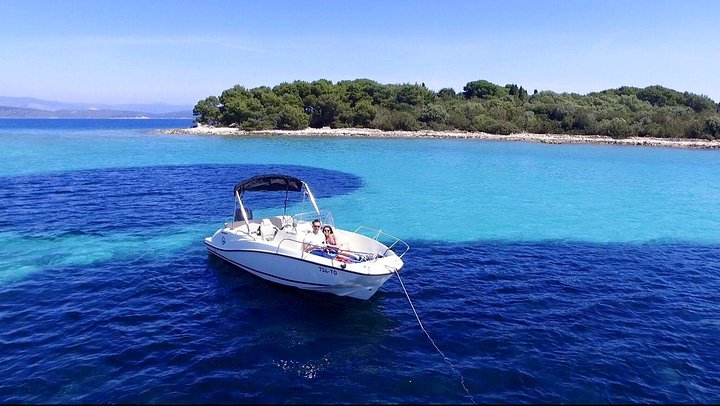
Blue Lagoon and Solta Island from Split or Trogir-Private Tour

Private Full-Day Croatian Islands Boat Tour from Trogir


 Best Backpacking
.jpg) Hi, I’m Johan (Netherlands 🇳🇱), the creator of TakeYourBackpack. Over the past 3 decades, I’ve backpacked through 90+ countries across six continents, gaining extensive experience with independent travel, long-term trips, and overland routes.
Hi, I’m Johan (Netherlands 🇳🇱), the creator of TakeYourBackpack. Over the past 3 decades, I’ve backpacked through 90+ countries across six continents, gaining extensive experience with independent travel, long-term trips, and overland routes.