×

Cuba🇨🇺 | festivalsFiesta del Fuegofire rituals, Caribbean folklore, street performances | things to do and best time to go

Explore Santiago de Cuba CarnivalExplore Festival del Caribe

Backpacking in Fiesta del Fuego
🏆 Top pickfestival ranked #3
By Johan Kruseman 🇳🇱 | Updated September 4, 2026

Fiesta del Fuego is not for people who need air‑conditioned comfort, fixed schedules, and tidy Instagram angles. It’s chaos, heat, and noise. That’s exactly why backpackers win here. You trade polish for raw energy and a front-row seat to Caribbean culture in motion. The festival explodes across Santiago de Cuba, in the far southeast of the island, turning streets, plazas, and the waterfront into one long, pulsing route.

It’s all about Afro-Caribbean culture: rumba, conga lines that swallow whole blocks, drums that don’t stop, religious processions, street theatre, and late-night concerts. The crowd is mostly Cubans plus a thin layer of curious foreigners who can handle sweat and sensory overload. It usually runs about a week in early July, and it’s worth it if you want to move with the city, not just watch it. I left exhausted, half-deaf, and very, very glad I went.

Discover everything you want to know in the 📖 Cuba Travel Guide.


Get your Cuba guide
121 ranked highlights, routes & tips, works offline (450 pages)
Loading the map 🌍
CLICK TO FILTER
cities
towns
villages
landmarks
national parks
hikes
beaches
attractions
festivals
regions
SHOW COUNTRY’S BESTSHOW ALL

✨ Why go?
Ranked #3 festival in Cuba
Reasons people choose to celebrate the here

Backpackers flock to Fiesta del Fuego in Cuba for a reason: it’s a social energy powerhouse. This festival isn’t just an event; it’s a temporary community where you’ll connect with locals and fellow travelers alike. The vibrant rhythms of traditional music and the intoxicating aroma of street food create an immersive experience that’s hard to beat.

Plus, it’s surprisingly affordable compared to similar festivals worldwide, allowing you to dive deep into Cuban culture without breaking the bank. Planning your route around this festival means you’re not just ticking off a destination; you’re weaving it into a larger tapestry of exploration. It’s a chance to recharge your spirit, share stories, and make memories that will fuel your journey long after the last firework fades.
Want to include Fiesta del Fuego in your Cuba route?
Create a personalized Cuba itinerary that includes Fiesta del Fuego and the places that fit your trip — based on your travel style, budget, and available time. Get your route in seconds.

Generate my trip

💡 HighlightsWhat this place is best known for

  • Nighttime fire spectacles — Cirque-style fire-dancing and choreographed pyrotechnics set to pounding Cuban rhythms. It’s visceral: heat on your face, shadows popping off colonial facades, and a cinematic energy you don’t get at a regular concert.
  • Percussion circles and rumba jams — Open-air bata and conga sessions where musicians and locals call the rhythm and everyone is invited to join. Highly participatory, raw, and contagious; this is my personal favorite because it’s where you feel the pulse of the place and can actually play or dance with the community.
  • Street parades and comparsas — Colorful processions with dancers, masks, and improvised floats that wind through neighborhoods. They blur the line between audience and performer, so expect spontaneous stops, impromptu joins, and a
read more 👉
  • Nighttime fire spectacles — Cirque-style fire-dancing and choreographed pyrotechnics set to pounding Cuban rhythms. It’s visceral: heat on your face, shadows popping off colonial facades, and a cinematic energy you don’t get at a regular concert.
  • Percussion circles and rumba jams — Open-air bata and conga sessions where musicians and locals call the rhythm and everyone is invited to join. Highly participatory, raw, and contagious; this is my personal favorite because it’s where you feel the pulse of the place and can actually play or dance with the community.
  • Street parades and comparsas — Colorful processions with dancers, masks, and improvised floats that wind through neighborhoods. They blur the line between audience and performer, so expect spontaneous stops, impromptu joins, and a carnival mood that’s refreshingly local.
  • Afro-Cuban spiritual traditions — Public ceremonies, drumming rituals, and syncretic dances rooted in Santería and other African-derived practices. These moments give the festival real cultural depth; observe respectfully and you’ll see how faith, music, and community intertwine.
  • Workshops, jam sessions, and street markets — Short dance and percussion classes, late-night musician hangouts, and stalls selling local crafts and street food. Practical and low-cost ways to learn, meet people, and bring home something handmade — plus great chances to try real Cuban street eats and rum tastings.
Spotted a mistake or missing something? Contact us.

🌤️ When to go?When is the celebration of Fiesta del Fuego?


  • Topic: Weather – The Fiesta del Fuego happens in July, smack in the middle of Cuba’s hot, humid summer. Expect highs around 32-34°C (90-93°F). The heat can drain your energy fast, so pack light, breathable clothes and stay hydrated.

  • Topic: Temperature – Nights cool down to about 24-26°C (75-79°F), which is a relief after the blazing days. This means you can enjoy evening events without melting, but don’t expect a chill—bring a light layer just in case.

  • Topic: Daylight Hours – Cuba offers long summer days with roughly 13 hours of daylight. That’s plenty of time to soak in the festival’s full schedule and sneak in some beach time or city wandering before dark.

  • Topic: Crowds – July draws a lively crowd, mostly locals and adventurous travelers. It’s not tourist-packed like December, but
read more 👉

  • Topic: Weather – The Fiesta del Fuego happens in July, smack in the middle of Cuba’s hot, humid summer. Expect highs around 32-34°C (90-93°F). The heat can drain your energy fast, so pack light, breathable clothes and stay hydrated.

  • Topic: Temperature – Nights cool down to about 24-26°C (75-79°F), which is a relief after the blazing days. This means you can enjoy evening events without melting, but don’t expect a chill—bring a light layer just in case.

  • Topic: Daylight Hours – Cuba offers long summer days with roughly 13 hours of daylight. That’s plenty of time to soak in the festival’s full schedule and sneak in some beach time or city wandering before dark.

  • Topic: Crowds – July draws a lively crowd, mostly locals and adventurous travelers. It’s not tourist-packed like December, but expect a buzz that’s part party, part cultural immersion. Book accommodations early to dodge last-minute price hikes.

  • Topic: Seasonal Activities – The festival coincides with Cuba’s vibrant summer cultural calendar. Beyond the fire shows, you’ll catch salsa nights, street food feasts, and spontaneous jam sessions. This is peak energy, so pace yourself.

  • Topic: Price Fluctuations – Prices for lodging and flights spike slightly during the festival but stay below winter high-season rates. Early booking locks in better deals, letting you save cash for local eats and experiences.


Pro-tip: Arrive a day early to acclimate to the heat and snag prime spots at the festival—your energy and wallet will thank you.


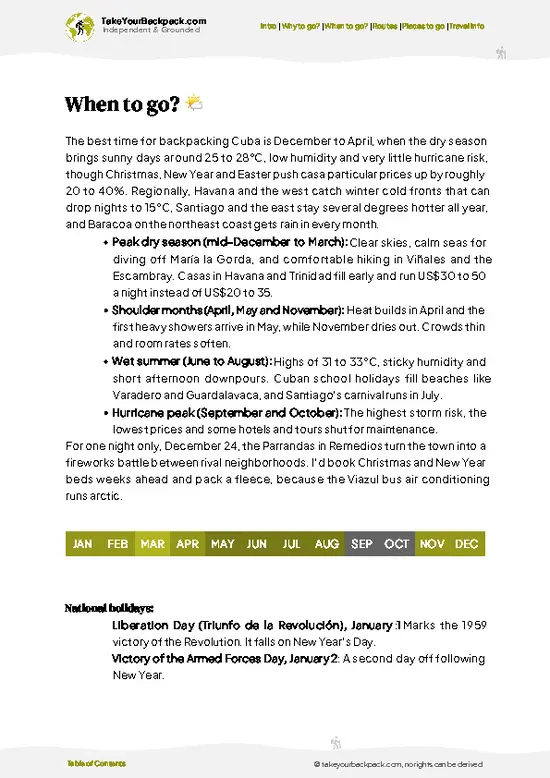
source: climatestotravel.comJANJanuary: not recommended for travelingFEBFebruary: not recommended for travelingMARMarch: not recommended for travelingAPRApril: not recommended for travelingMAYMay: not recommended for travelingJUNJune: not recommended for travelingJULJuly: excellent for travelingAUGAugust: not recommended for travelingSEPSeptember: not recommended for travelingOCTOctober: not recommended for travelingNOVNovember: not recommended for travelingDECDecember: not recommended for traveling

✈️ The backpacker research shortcutCuba Travel Guide

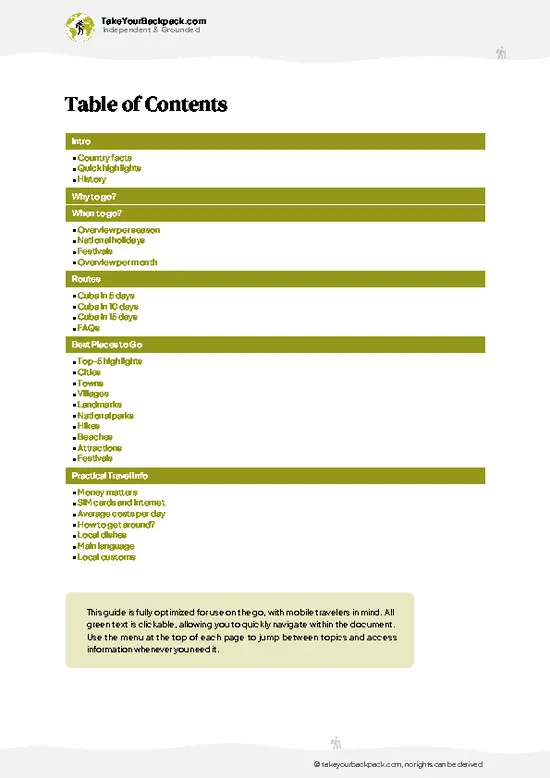
An offline-friendly backpacking guide with optimized travel routes, ranked highlights, transport advice, and the best areas to stay.
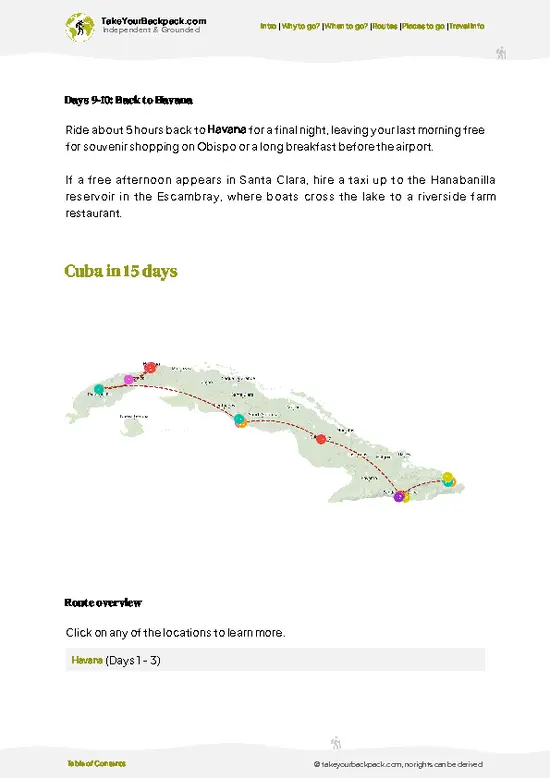
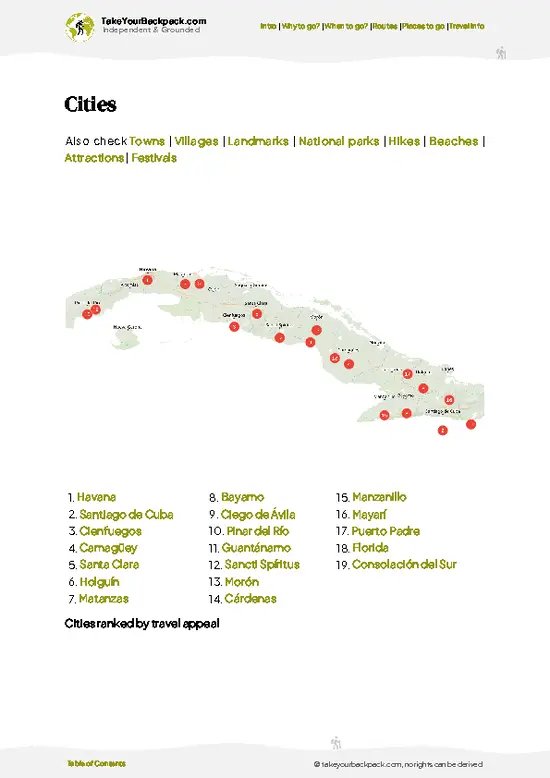
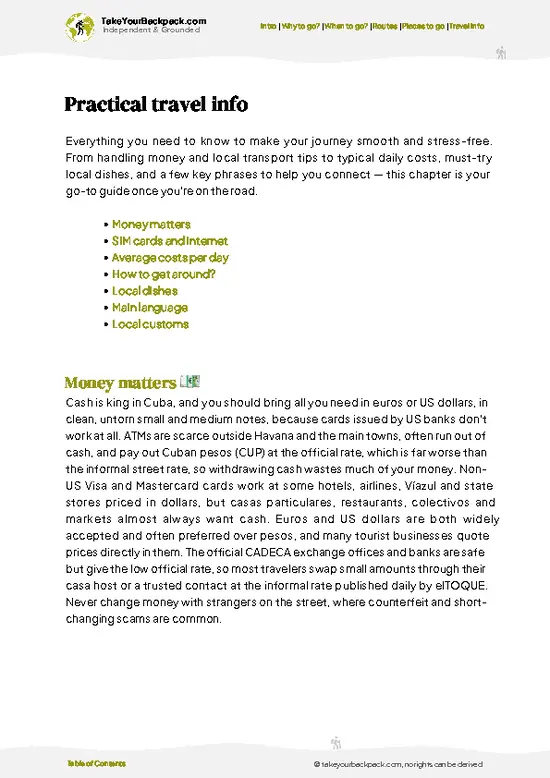
example page 0 from our offline Travel Guide for Cuba
example page 1 from our offline Travel Guide for Cuba
example page 2 from our offline Travel Guide for Cuba
example page 3 from our offline Travel Guide for Cuba
example page 4 from our offline Travel Guide for Cuba
example page 5 from our offline Travel Guide for Cuba
example page 6 from our offline Travel Guide for Cuba
example page 7 from our offline Travel Guide for Cuba
The digital guide (450 pages) contains:
121 highlights, ranked by travel appeal
Optimized 5, 10 & 15-day travel routes
Cities, national parks, landmarks, beaches
How to get around
Offline-friendly for travel without Wi-Fi
👉 Click to see all 30+ guide features

📅 Plan smarter in minutes, not weeks
Month by month travel advice
Festivals & national holidays
Budget expectations

🗺️ Go to the right places, skip the overrated ones
Honest pros & cons of destinations
Top hikes, parks & viewpoints
Lesser-known places most travelers miss
Clear “worth it vs skip it” guidance

🛏️ Travel smoothly without rookie mistakes
Best areas to stay
Transport systems explained simply
Common scams & safety advice
SIM cards, money & practical tips

🌍 Understand the country, not just visit it
Culture & traditions
52 Essential phrases & customs
Festivals worth planning around
Traveler-friendly historical context
Insights that make places more meaningful

📱 Built for real travel conditions
Fully downloadable PDF
Works completely offline
Optimized for phone use
Useful in remote areas & buses
Everything in one place
Save weeks of stressful planning
Get instant access to your full guide. 30‑day money-back guarantee.
+ Add another guide for just US$7.80

By proceeding you agree to our terms.
Sent to your inbox immediately after payment • 100% Secure Checkout
Best Backpacking Travel Advisor 2025 tourism awardBest Backpacking
Travel Advisor
2025
What others say about Take Your Backpack Guides:
⭐⭐⭐⭐⭐
Fantastic, amazing amount of information!
⭐⭐⭐⭐⭐
My goodness this is amazing, it's what I've been looking for hats off too you!
⭐⭐⭐⭐⭐
I think this is absolutely BRILLIANT
⭐⭐⭐⭐
Very complete and informative. It's still missing places, but I gotta to commend you
⭐⭐⭐⭐⭐
This is truly amazing, thank you, can't wait to explore it with my kids!
⭐⭐⭐⭐⭐
Awesome resource, thank you!
⭐⭐⭐⭐⭐
This is amazing! Can't wait to explore the ones I haven't seen
⭐⭐⭐⭐
I love this! Well done, great idea.
⭐⭐⭐⭐⭐
Thanks for taking the time to make this gem!
⭐⭐⭐⭐⭐
This might be the best website I've ever seen.
⭐⭐⭐⭐⭐
Congratulations, and thank you so much for your work; it's incredibly valuable.
⭐⭐⭐⭐
In all seriousness I think you did a great job pointing out the important spots
⭐⭐⭐⭐⭐
10/10 very good
⭐⭐⭐⭐⭐
As someone who's only just starting to visit regularly this is awesome, thank you.
⭐⭐⭐⭐
Thank you very much! I'm going to visit my dad, it's going to be very useful!
⭐⭐⭐⭐⭐
This is really cool! We'll be travelling for the first time and this definitely come in handy.
⭐⭐⭐⭐⭐
You are now our minister of culture, congratulations 👨‍💼
⭐⭐⭐⭐⭐
Just wanted to tell you that this is a pearl! Going to follow your recommendations.
⭐⭐⭐⭐⭐
This is so cool. I'll definitely be using the resource for my travels soon.
⭐⭐⭐⭐⭐
This is very impressive! Good work.
⭐⭐⭐⭐⭐
This is an amazing and informative site. Very well done!

🛏️ Where to stay?Best areas to stay in Cuba

Stay close to the action during the Fiesta del Fuego by choosing vibrant neighborhoods in Santiago de Cuba. Head to the historic center, where the rhythm of the festival pulses through the streets. Here, you’ll find a mix of budget-friendly casas particulares and lively hostels. The atmosphere is electric, and you’ll easily connect with fellow travelers.

Consider the area around Parque de Céspedes. It’s a social hub, perfect for meeting locals and other backpackers. The energy is contagious, and you’ll be steps away from the festival’s heart.

Another solid option is the coastal area near Playa … read more 👉
Stay close to the action during the Fiesta del Fuego by choosing vibrant neighborhoods in Santiago de Cuba. Head to the historic center, where the rhythm of the festival pulses through the streets. Here, you’ll find a mix of budget-friendly casas particulares and lively hostels. The atmosphere is electric, and you’ll easily connect with fellow travelers.

Consider the area around Parque de Céspedes. It’s a social hub, perfect for meeting locals and other backpackers. The energy is contagious, and you’ll be steps away from the festival’s heart.

Another solid option is the coastal area near Playa de Santiago. It’s a bit quieter but offers stunning views and a relaxed vibe. You can recharge after a day of festivities while still being close enough to join the fun.

Avoid the tourist traps by sticking to these neighborhoods. They keep your budget intact and your spirit high, letting you dive into the festival without missing a beat.

👛 Costs (as of 4 September 2026)What things cost and how to budget

The Fiesta del Fuego in Cuba is a vibrant celebration that can be a blast, but knowing the costs upfront will keep your energy focused on the fun, not the financial surprises.
  • Festival Tickets: Expect to pay around $10 to $30 for a full festival pass. This grants you access to concerts, parades, and cultural events. Prices can vary based on the specific events you choose to attend, so keep an eye on the schedule.
  • Accommodation: Budget options start at about $20 per night for a shared room in a hostel. Private rooms in guesthouses or casas particulares can range from $30 to $60. If you want a bit more comfort, hotels can go from $70 to over $100, especially during the festival peak.
  • Local Transport: Public transport is affordable. Buses and shared taxis (colectivos) cost around $1 to $5 for short
read more 👉
The Fiesta del Fuego in Cuba is a vibrant celebration that can be a blast, but knowing the costs upfront will keep your energy focused on the fun, not the financial surprises.
  • Festival Tickets: Expect to pay around $10 to $30 for a full festival pass. This grants you access to concerts, parades, and cultural events. Prices can vary based on the specific events you choose to attend, so keep an eye on the schedule.
  • Accommodation: Budget options start at about $20 per night for a shared room in a hostel. Private rooms in guesthouses or casas particulares can range from $30 to $60. If you want a bit more comfort, hotels can go from $70 to over $100, especially during the festival peak.
  • Local Transport: Public transport is affordable. Buses and shared taxis (colectivos) cost around $1 to $5 for short distances. If you’re feeling adventurous, consider renting a bike for about $10 a day to explore the area at your own pace.
  • Food & Drinks: Street food is your friend here. You can grab a meal for as little as $3 to $7. Sit-down restaurants will set you back around $10 to $20 for a decent meal. Don’t forget to budget for drinks; local beers cost about $2, while cocktails can range from $3 to $8.
  • Miscellaneous Expenses: Always have a buffer for souvenirs, tips, and unexpected costs. Set aside around $20 to $50 for this category. Local crafts and art can be tempting, and you’ll want to support the artists!

Being aware of these costs will help you navigate the festival without breaking the bank. Keep your focus on the experience, and let the rhythm of the fiesta carry you through!


source: cubatravel.cu
⚠️ Prices can change and everyone travels differently, so take this as a rough guide. Hope it helps you plan your adventure!

🍲 FoodWhat to Eat & Drink

At the Fiesta del Fuego in Cuba, food and drinks pulse with local flavor. Dive into carnitas, slow-cooked pork that melts in your mouth, and yuca frita, crispy cassava that’s a festival staple. Don’t miss the tostones, twice-fried plantains, served hot and salty.

For drinks, grab a mojito or a refreshing cuba libre; both are perfect companions to the vibrant atmosphere. Street stalls buzz with energy, and you’ll want to try everything. Authenticity lies in sharing—don’t hesitate to swap bites with fellow festival-goers.

Be ready for lines; they can snake around stalls, but that’s part of the fun. Cash is king here, so stock up before you arrive. Serving sizes can be generous, so pace yourself; you want to savor every moment, not just fill your belly. Embrace the chaos, and let the flavors guide your adventure!

FAQCommon questions from travelers

Fiesta del Fuego takes place annually in late November, usually spanning 3 days. The exact dates can vary slightly each year, so plan for the last weekend of November.
The cost to attend Fiesta del Fuego is generally free for most public events, but some workshops or special performances may charge around 5 to 10 USD. Budget extra for food, souvenirs, and optional activities.
No, you typically do not need tickets in advance for the main festival events as they are open to the public. However, booking ahead is recommended for limited-capacity workshops or concerts to secure your spot.
⚠️ Things can change over time, so always validate details locally before you go.

Other Cuban festivals near Fiesta del Fuego

Explore more nearby:


💡 Not sure where to go next?
Create a personalized itinerary for Cuba including Fiesta del Fuego and the places that fit your trip.

Generate my itinerary

👉 Discover all festivals

Or checkout all Cuba has to offer (think cities, towns, villages, national parks, hikes, beaches, festivals)
Country photo of Cuba

We 💚 feedbackKey takeaways before you go

Fiesta del Fuego is a firecracker of culture, where the rhythms of Afro-Cuban music ignite the streets. But be ready for the heat—both from the sun and the crowds. It can feel overwhelming, so pace yourself. Embrace the chaos; it’s part of the experience. This festival is a celebration of life, and you don’t want to miss it.

✈️ When did I visit Cuba?
As part of my 1.5 year travel around the world trip, I visited Cuba for 6 weeks in February, March 2016, being extremely lucky that that coincided with the free concert of The Rolling Stones.

✍️ Help improve this page!
The information on this page is based on my own backpacking experience in Cuba, supplemented with up-to-date research and feedback from other travelers. Travel details can change, so if you notice anything outdated or incomplete, feel free to let me know.


🙋‍♂️ Give feedback

👋 Meet the founderWho’s Behind Take Your Backpack?

Johan, backpacker and founder of TakeYourBackpackHi, I’m Johan (Netherlands 🇳🇱), the creator of TakeYourBackpack. Over the past decade, I’ve backpacked through 80+ countries across six continents, gaining extensive experience with independent travel, long-term trips, and overland routes.

This site is built on a combination of firsthand travel experience and carefully curated insights from other backpackers. Many guides are based on places I’ve personally visited, while others bring together tips, observations, and practical advice shared by trusted travelers I’ve met along the way.

The goal is to provide realistic, experience-driven guidance — not generic itineraries — so you can explore destinations with better context, clearer expectations, and more confidence.

Get full Cuba guide •
Instant download • 121 highlights • Full Offline guide