×

Cuba🇨🇺 | national parksParque Nacional Pico CristalPico Cristal summit, pine forest, orchids, farmhouse coffee | things to do and best time to go

Explore Parque Nacional La MensuraExplore Parque Nacional Jardines de la Reina

Backpacking in Parque Nacional Pico Cristal
👍 Recommendednational park ranked #11
By Johan Kruseman 🇳🇱 | Updated October 23, 2026

A cup of strong coffee from a farmhouse kitchen, poured by a woman who charged me about US$1, steadied me before the first climb through wet pine and fern. That was the best purchase of the day. Parque Nacional Pico Cristal sits in the Sierra del Cristal, in the east of Cuba, inland from Holguín province's north coast. The trails are quiet, the cloud forest is dense with birds and orchids, and waterfalls make the effort pay. Skip it if you want signed paths, fast transport or nightlife, because services are thin and the roads are rough. Go if you like solitude and mud. Independent hikers who tolerate improvising will like it most; schedule-driven travelers won't.

Discover everything you want to know in the 📖 Cuba Travel Guide.


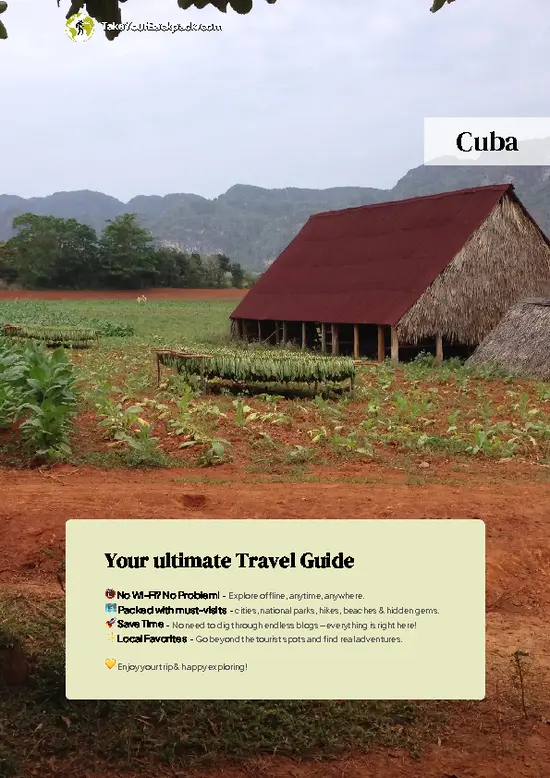
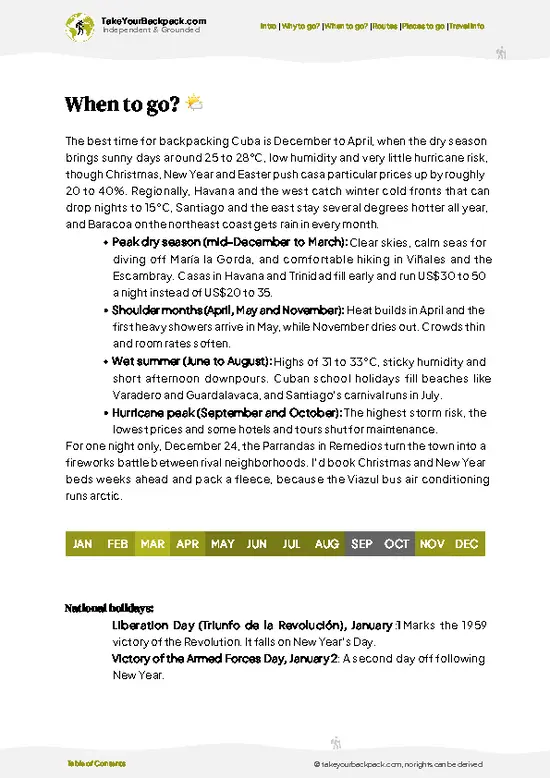
example page 0 from our offline Travel Guide for Cuba
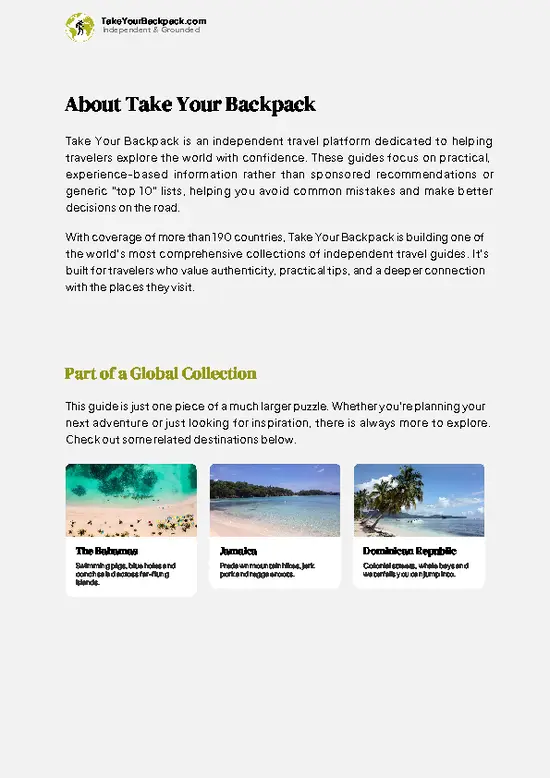
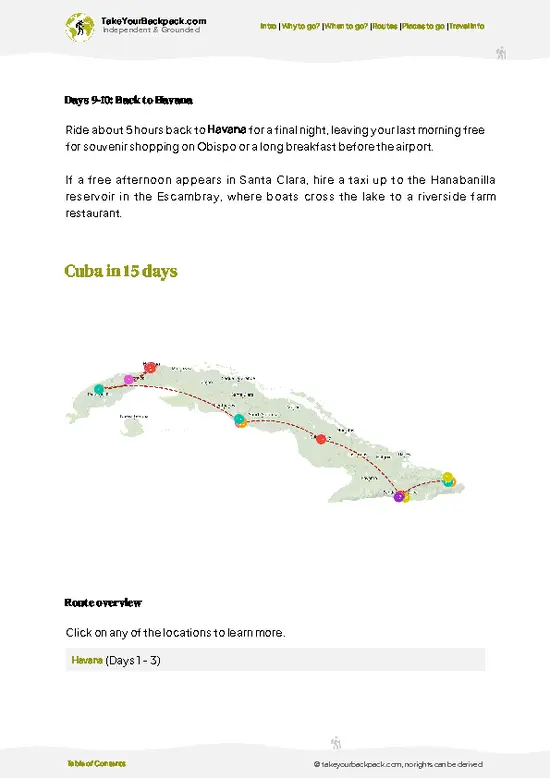
example page 1 from our offline Travel Guide for Cuba
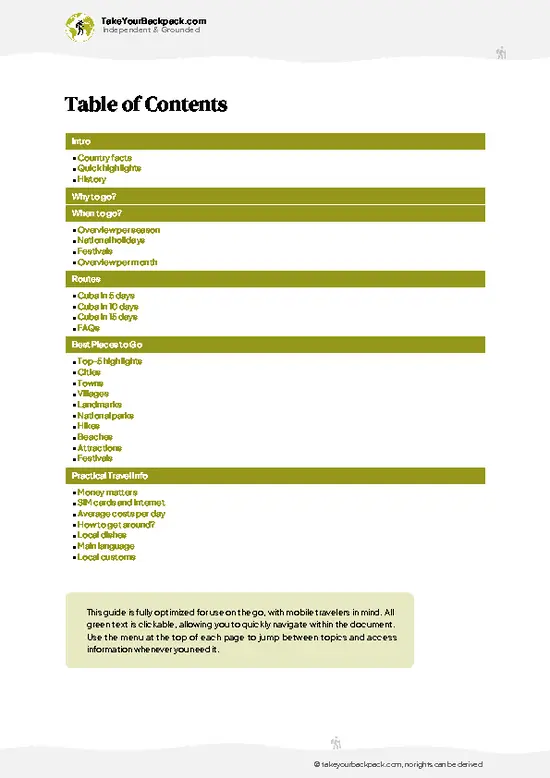
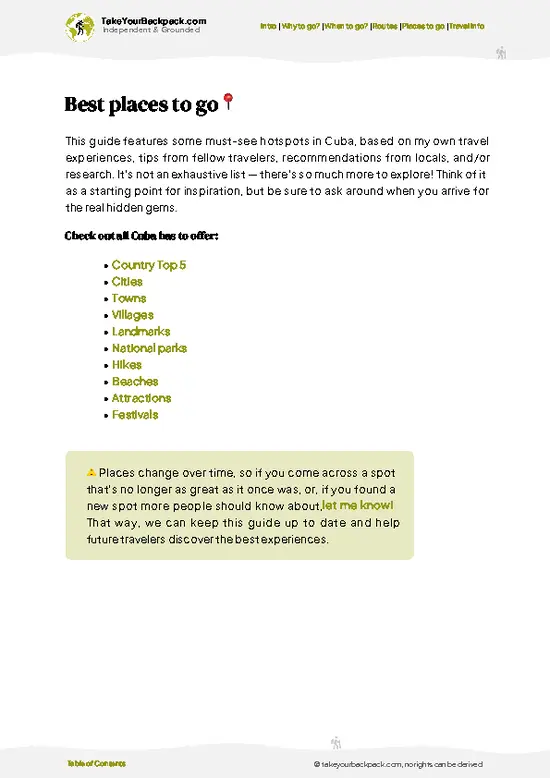
example page 2 from our offline Travel Guide for Cuba
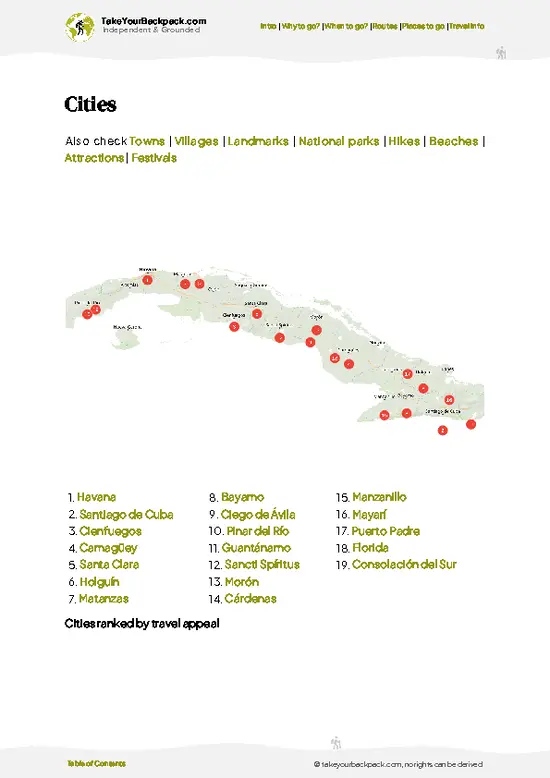
example page 3 from our offline Travel Guide for Cuba
example page 4 from our offline Travel Guide for Cuba
example page 5 from our offline Travel Guide for Cuba
example page 6 from our offline Travel Guide for Cuba
example page 7 from our offline Travel Guide for Cuba
Loading the map 🌍
CLICK TO FILTER
cities
towns
villages
landmarks
national parks
hikes
beaches
attractions
festivals
SHOW COUNTRY’S BESTSHOW ALL

✨ Why go?
Ranked #11 national park in Cuba
What makes it a must-see national park

Parque Nacional Pico Cristal appeals to backpackers who prefer wild country to a packaged excursion. The park protects the highest peak of the Sierra del Cristal, Pico Cristal at roughly 1,200 meters, and the forest around it holds pine, tree ferns and some of the richest bird life in eastern Cuba. Because few visitors come, you can work out your own days around the villages at the foot of the range rather than following a tour bus schedule. Local farmers and park staff often know the paths best, and a small payment for a guide is common and sensible when the route is unmarked.

💡 HighlightsWhat this place is best known for

  1. Pico Cristal summit: The highest point of the range, reached by a steep forest climb. Views over the sierra open in clear weather, and the cool, damp air smells of pine.
  2. Cloud forest: Moss, ferns and bromeliads cover the upper slopes, creating a quiet, dripping green world very unlike Cuba's beaches.
  3. Birdwatching: Endemic species such as the Cuban trogon (tocororo), Cuba's national bird, and the Cuban tody and several warbler species live in the woods, best seen early in the morning.
  4. Orchids and endemic plants: The park shelters many Cuban endemic plants, including orchids that flower on tree trunks and rock faces.
  5. Mountain farm villages: Coffee, fruit and small farms on the park edge let you taste local coffee and talk with families who know every path.
  6. River crossings and pools: Streams cut through
… read more 👉
  1. Pico Cristal summit: The highest point of the range, reached by a steep forest climb. Views over the sierra open in clear weather, and the cool, damp air smells of pine.
  2. Cloud forest: Moss, ferns and bromeliads cover the upper slopes, creating a quiet, dripping green world very unlike Cuba's beaches.
  3. Birdwatching: Endemic species such as the Cuban trogon (tocororo), Cuba's national bird, and the Cuban tody and several warbler species live in the woods, best seen early in the morning.
  4. Orchids and endemic plants: The park shelters many Cuban endemic plants, including orchids that flower on tree trunks and rock faces.
  5. Mountain farm villages: Coffee, fruit and small farms on the park edge let you taste local coffee and talk with families who know every path.
  6. River crossings and pools: Streams cut through the lower forest, giving cool stops during the hike.
Pico Cristal summit is the best choice for a first visit, because it combines the forest, the birds and the main view in a single outing.
Spotted a mistake or missing something? Contact us.

🌤️ When to go?Weather, crowds, and seasonal trade-offs

  • Dry Season (November to April): Pico Cristal gets its steadiest weather now, with daytime highs of 26 to 30°C (79 to 86°F) and cooler nights around 16 to 20°C (61 to 68°F). Trails in the Sierra Cristal stay firmer and river fords stay low.
  • Wet Season (May to October): Afternoon downpours are common, highs reach 31 to 34°C (88 to 93°F), and humidity makes climbs sticky. Clay paths turn slick and streams swell.
  • Hurricane Window (August to October): Storms can close access roads and cancel guided hikes at short notice.
  • Crowds and Prices: Visitor numbers stay small year-round. Guides and casa particular rates rise a little from December to March, with daylight running about 10.5 to 13.5 hours across the year.
Book a guide in Mayarí a day ahead in February or March, when the clearest mornings fill first.

source: climatestotravel.comJANJanuary: excellent for travelingFEBFebruary: excellent for travelingMARMarch: excellent for travelingAPRApril: highly recommended for travelingMAYMay: fair for travelingJUNJune: fair for travelingJULJuly: fair for travelingAUGAugust: fair for travelingSEPSeptember: fair for travelingOCTOctober: fair for travelingNOVNovember: highly recommended for travelingDECDecember: excellent for traveling
when-to-go

✈️ The backpacker research shortcutCuba Travel Guide

An offline-friendly backpacking guide with optimized travel routes, ranked highlights, transport advice, and the best areas to stay.
example page 0 from our offline Travel Guide for Cuba
example page 1 from our offline Travel Guide for Cuba
example page 2 from our offline Travel Guide for Cuba
example page 3 from our offline Travel Guide for Cuba
example page 4 from our offline Travel Guide for Cuba
example page 5 from our offline Travel Guide for Cuba
example page 6 from our offline Travel Guide for Cuba
example page 7 from our offline Travel Guide for Cuba
The digital guide (327 pages) contains:
✅ 113 highlights, ranked by travel appeal
✅ Optimized 5, 10 & 15-day travel routes
✅ Cities, national parks, landmarks, beaches
✅ How to get around
✅ Offline-friendly for travel without Wi-Fi
👉 Click to see all 30+ guide features

📅 Plan smarter in minutes, not weeks
✅ Month by month travel advice
✅ Festivals & national holidays
✅ Budget expectations

🗺️ Go to the right places, skip the overrated ones
✅ Honest pros & cons of destinations
✅ Top hikes, parks & viewpoints
✅ Lesser-known places most travelers miss
✅ Clear “worth it vs skip it” guidance

🛏️ Travel smoothly without rookie mistakes
✅ Best areas to stay
✅ Transport systems explained simply
✅ Common scams & safety advice
✅ SIM cards, money & practical tips

🌍 Understand the country, not just visit it
✅ Culture & traditions
✅ 52 Essential phrases & customs
✅ Festivals worth planning around
✅ Traveler-friendly historical context
✅ Insights that make places more meaningful

📱 Built for real travel conditions
✅ Fully downloadable PDF
✅ Works completely offline
✅ Optimized for phone use
✅ Useful in remote areas & buses
✅ Everything in one place
Stop searching, start planning
Get instant access to your full guide. 30‑day money-back guarantee.
+ Add another guide for just

By proceeding you agree to our terms.
Sent to your inbox immediately after payment • 100% Secure Checkout
Best Backpacking Travel Advisor 2025 tourism awardBest Backpacking
Travel Advisor
2025
What others say about Take Your Backpack Guides:
⭐⭐⭐⭐⭐
Fantastic, amazing amount of information!
⭐⭐⭐⭐⭐
My goodness this is amazing, it's what I've been looking for hats off too you!
⭐⭐⭐⭐⭐
I think this is absolutely BRILLIANT
⭐⭐⭐⭐
Very complete and informative. It's still missing places, but I gotta to commend you
⭐⭐⭐⭐⭐
This is truly amazing, thank you, can't wait to explore it with my kids!
⭐⭐⭐⭐⭐
Awesome resource, thank you!
⭐⭐⭐⭐⭐
This is amazing! Can't wait to explore the ones I haven't seen
⭐⭐⭐⭐
I love this! Well done, great idea.
⭐⭐⭐⭐⭐
Thanks for taking the time to make this gem!
⭐⭐⭐⭐⭐
This might be the best website I've ever seen.
⭐⭐⭐⭐⭐
Congratulations, and thank you so much for your work; it's incredibly valuable.
⭐⭐⭐⭐
In all seriousness I think you did a great job pointing out the important spots
⭐⭐⭐⭐⭐
10/10 very good
⭐⭐⭐⭐⭐
As someone who's only just starting to visit regularly this is awesome, thank you.
⭐⭐⭐⭐
Thank you very much! I'm going to visit my dad, it's going to be very useful!
⭐⭐⭐⭐⭐
This is really cool! We'll be travelling for the first time and this definitely come in handy.
⭐⭐⭐⭐⭐
You are now our minister of culture, congratulations 👨‍💼
⭐⭐⭐⭐⭐
Just wanted to tell you that this is a pearl! Going to follow your recommendations.
⭐⭐⭐⭐⭐
This is so cool. I'll definitely be using the resource for my travels soon.
⭐⭐⭐⭐⭐
This is very impressive! Good work.
⭐⭐⭐⭐⭐
This is an amazing and informative site. Very well done!

🛏️ Where to stay?How to pick the right area

Casas particulares in Mayarí, Cuba, are the best base for Parque Nacional Pico Cristal, and you should sleep there. The park’s trailheads sit in the Sierra Cristal uplands. Mayarí, roughly 40 to 60 minutes by road from the trailheads, offers rooms at about US$15 to 25 a night, often with home-cooked dinner for US$6 to 10 extra. Holguín, around 1.5 to 2 hours away, has more choice, including casas particulares at US$20 to 35 and a few state hotels, and it works well if you arrive by bus or air. Moa and Sagua de Tánamo are alternatives on the northern side. Hosts can often arrange a driver and a guide, which saves hassle.

👛 Costs (as of 23 October 2026)What things cost and how to budget

Parque Nacional Pico Cristal costs roughly US$50 to 90 a day for a backpacker, with a guide as the largest single expense. Prices are quoted in US dollars here, though travelers pay in Cuban pesos or sometimes cash foreign currency, and rates vary by host.
CategoryBudget RangeLocal Reality
Entrance and GuideUS$15 to 30Entry and a required local guide are typically arranged together through the park office or ecological station.
AccommodationUS$15 to 25Casas particulares in Mayarí in high season.
Local TransportUS$10 to 20Shared taxis or a hired driver from Mayarí to the trailheads. Holguín runs are costlier.
Food and SuppliesUS$10 to 15Home-cooked dinners at casas run US$6 to 10. Bring snacks, since shops near the trailheads are scarce.
Total Daily BudgetUS$50 to 90Per person, per day, in high season.


source: ecured.cu
⚠️ Prices can change and everyone travels differently, so take this as a rough guide. Hope it helps you plan your adventure!

🥾 TrailsTrail guide for Parque Nacional Pico Cristal national park

Parque Nacional Pico Cristal sits in the Sierra del Cristal, the eastern Cuban range above Holguín province and Santiago de Cuba province, and its walking is steep, humid and mostly guided. The park protects the mountain that gives it its name, Pico Cristal, around 1,200 meters, with cloud forest, pine stands, ferns and rivers cutting through red-brown soil. Paths are rough, often muddy, and signage is thin, so most visitors walk with a local park guide from the nearby villages and the Cayo Mambí and Mayarí side.
  • Pico Cristal summit route: The main objective, a long, steady climb through forest
… read more 👉
Parque Nacional Pico Cristal sits in the Sierra del Cristal, the eastern Cuban range above Holguín province and Santiago de Cuba province, and its walking is steep, humid and mostly guided. The park protects the mountain that gives it its name, Pico Cristal, around 1,200 meters, with cloud forest, pine stands, ferns and rivers cutting through red-brown soil. Paths are rough, often muddy, and signage is thin, so most visitors walk with a local park guide from the nearby villages and the Cayo Mambí and Mayarí side.
  • Pico Cristal summit route: The main objective, a long, steady climb through forest and open pine slopes. Plan a full day, roughly 6 to 9 hours round trip. Difficulty is hard because of the gradient, slick clay and river crossings. Views look out over ridgelines toward the north coast when the clouds lift.
  • Waterfall and river walks: Shorter guided outings of about 2 to 4 hours lead to cascades and natural pools along forest streams. Difficulty is easy to moderate, with wet rock and roots underfoot. These suit a half day and are good for swimming in clear, cool water.
  • Forest and birding walks: Slow early walks of 2 to 3 hours on gentle ground through tree ferns and dense canopy. Difficulty is easy. Listen for the Cuban trogon, the national bird, along with many other endemic species, plus frogs, lizards and orchids.
Wildlife is the quiet draw: Cuban endemic birds, tiny frogs and abundant plant life, with large mammals absent. Bring waterproof layers, shoes with real grip and a day’s water, since you should not count on refills on the trail.
Getting to Parque Nacional Pico Cristal is the hardest part. There is no regular public bus into the park, so travelers combine a bus or shared taxi to Mayarí or Sagua de Tánamo with a hired car, a local taxi or a casa particular arrangement for the last stretch on rough roads. Crowds are essentially absent, and you may see only a handful of other hikers in a day. Entry and guide arrangements are handled locally, and you should pay in cash, with the amount agreed in advance.
⚠️ Hiking info can sometimes be outdated or inaccurate. Before you hit the trail, check the latest conditions with locals. If you do spot anything that's off, I'd love to hear from you, so I can update it for fellow travelers.

🛡️ SafetySafety Tips and Common Scams in Parque Nacional Pico Cristal

Parque Nacional Pico Cristal is straightforward but steep, and the main hazards are heat, slick clay and getting lost. Humidity in the lower forest drains you quickly, so start early, carry at least 2 to 3 liters of water, and walk at a steady pace. After rain the red soil turns greasy, so wear boots with real tread. Trails are not well signed in many sections, and a local guide is the sensible choice rather than an extra. Cell coverage is patchy, so tell your host your route and return time. There are no dangerous large mammals. Mosquitoes and ticks are the usual nuisances, so bring repellent and check your legs afterward. Wait out storms away from ridgelines and streams.

FAQFrequently asked questions about Parque Nacional Pico Cristal

Two days suit Parque Nacional Pico Cristal well: one for the Pico Cristal summit hike and one for the lower forest trails or waterfalls. Strong hikers can do the main ascent in a long day from Mayarí, usually 6 to 8 hours round trip.
Yes, but Parque Nacional Pico Cristal takes planning without a car. Take a bus or shared taxi from Holguín to Mayarí (about 1.5 to 2 hours), then hire a taxi or driver for the 40 to 60 minute ride to the trailheads, roughly US$10 to 20. Arrange a pickup time in advance, because there is little passing traffic.
Yes, Parque Nacional Pico Cristal charges a modest entry fee, generally in the range of US$5 to 10, and visits normally require a local guide at around US$10 to 20. No separate backcountry permit is typically needed for day hikes, but overnight stays need prior arrangement with the park office or ecological station. Casa hosts in Mayarí can usually organize all of this.
⚠️ Things can change over time, so always validate details locally before you go.

Other Cuban national parks near Parque Nacional Pico Cristal

Explore more nearby:


💡 Not sure where to go next?
Create a personalized itinerary for Cuba including Parque Nacional Pico Cristal and the places that fit your trip.

Generate my itinerary

👉 Discover all national parks

Or checkout all Cuba has to offer (think cities, towns, villages, national parks, hikes, beaches, festivals)
Country photo of Cuba

We 💚 feedbackParting advice and final tips

Many travelers turn up at Parque Nacional Pico Cristal expecting marked trails and a ticket office, then waste a day searching. Arrange a local guide in the nearest village the evening before, bring food and water, and start early so you reach the summit before afternoon cloud.

✈️ When did I visit Cuba?
As part of my 1.5 year travel around the world trip, I visited Cuba for 6 weeks in February, March 2016, being extremely lucky that that coincided with the free concert of The Rolling Stones.

✍️ Help improve this page!
The information on this page is based on my own backpacking experience in Cuba, supplemented with up-to-date research and feedback from other travelers. Travel details can change, so if you notice anything outdated or incomplete, feel free to let me know.


🙋‍♂️ Give feedback

👋 Meet the founderWho’s Behind Take Your Backpack?

Johan, backpacker and founder of TakeYourBackpackHi, I’m Johan (Netherlands 🇳🇱), the creator of TakeYourBackpack. Over the past 3 decades, I’ve backpacked through 90+ countries across six continents, gaining extensive experience with independent travel, long-term trips, and overland routes.

This site is built on a combination of firsthand travel experience and carefully curated insights from other backpackers. Many guides are based on places I’ve personally visited, while others bring together tips, observations, and practical advice shared by trusted travelers I’ve met along the way.

The goal is to provide realistic, experience-driven guidance — not generic itineraries — so you can explore destinations with better context, clearer expectations, and more confidence.