×

Curaçao🇨🇼 | festivalsCuraçao International Film Festival RotterdamDutch Caribbean cinema, Papiamentu dialogue, filmmaker Q&As, Pietermaai nights | things to do and best time to go

Explore Curaçao International Dive FestivalExplore Curaçao North Sea Jazz Festival

Backpacking in Curaçao International Film Rotterdam
By Johan Kruseman 🇳🇱 | Updated October 22, 2026

Curaçao International Film Festival Rotterdam is best known for putting Dutch Caribbean cinema on a screen in the middle of the island’s capital, alongside world-cinema picks curated with the team behind the Rotterdam festival in the Netherlands. It takes place in and around Willemstad, Curaçao, usually around the turn of winter into spring, and runs for several days. Expect a crowd of filmmakers, students, islanders and Dutch visitors rather than party tourists. The mood is chatty and unhurried, with Q&As that spill into bar conversations after dark. Screenings mix Papiamentu, Dutch, Spanish and English titles, so subtitles are normal. Plan your days around two or three films, and leave afternoons for the beach or Pietermaai. The one practical thing to know before going: book your Willemstad bed early, because the old center fills quickly and walking between venues beats renting a car.

Discover everything you want to know in the 📖 Curaçao Travel Guide.


example page 0 from our offline Travel Guide for Curaçao
example page 1 from our offline Travel Guide for Curaçao
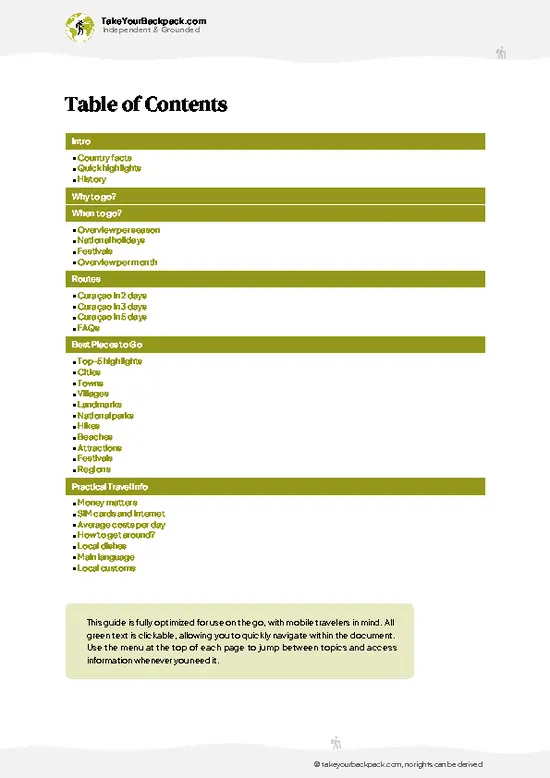
example page 2 from our offline Travel Guide for Curaçao
example page 3 from our offline Travel Guide for Curaçao
example page 4 from our offline Travel Guide for Curaçao
example page 5 from our offline Travel Guide for Curaçao
example page 6 from our offline Travel Guide for Curaçao
example page 7 from our offline Travel Guide for Curaçao
Loading the map 🌍
CLICK TO FILTER
cities
towns
villages
landmarks
national parks
hikes
beaches
attractions
festivals
regions
SHOW COUNTRY’S BESTSHOW ALL

✨ Why go?
Ranked #99 festival in Curaçao
Reasons people choose to celebrate the here

Curaçao International Film Festival Rotterdam gives you a reason to see Willemstad at a slower pace than a cruise-day crowd ever does. The big draw is the Rotterdam connection: the programming has the curated, art-house feel of a major European festival, but you watch it in a Caribbean town where the filmmakers are often sitting two rows behind you. That makes talking to strangers almost automatic. Ask someone what they thought of a film and you will probably end up with a dinner recommendation and an invitation to the next screening.

The second reason is how neatly it fits a longer route. Many travelers pair it with diving or hiking on the island, or use it as a quiet stretch between Colombia, Aruba and Bonaire. The Papiamentu-language cinema is the cultural hook. You hear the island’s own … read more 👉
Curaçao International Film Festival Rotterdam gives you a reason to see Willemstad at a slower pace than a cruise-day crowd ever does. The big draw is the Rotterdam connection: the programming has the curated, art-house feel of a major European festival, but you watch it in a Caribbean town where the filmmakers are often sitting two rows behind you. That makes talking to strangers almost automatic. Ask someone what they thought of a film and you will probably end up with a dinner recommendation and an invitation to the next screening.

The second reason is how neatly it fits a longer route. Many travelers pair it with diving or hiking on the island, or use it as a quiet stretch between Colombia, Aruba and Bonaire. The Papiamentu-language cinema is the cultural hook. You hear the island’s own language and stories on screen, which says more about local life than any museum plaque. Daytime screenings leave your evenings free for Pietermaai’s bars.

💡 HighlightsMust-see experiences and standout moments

  1. Papiamentu and Dutch Caribbean film screenings: The core of the festival is films made in and about the Dutch Caribbean. Hearing Papiamentu dialogue in a Curaçao audience, with laughter landing at the right moments, is the best lesson in local culture on offer.
  2. Filmmaker Q&A sessions: Directors and producers from the islands, the Netherlands and Latin America often stay for discussions after screenings. The rooms are small, so you can ask a question and then continue the conversation outside.
  3. Rotterdam-curated international program: The festival draws on the Rotterdam festival’s taste for independent, risk-taking cinema. You can watch work that rarely reaches Caribbean screens, which makes a rainy-day hour in the dark worthwhile.
  4. Punda and the Queen Emma Bridge: Between screenings, cross the
… read more 👉
  1. Papiamentu and Dutch Caribbean film screenings: The core of the festival is films made in and about the Dutch Caribbean. Hearing Papiamentu dialogue in a Curaçao audience, with laughter landing at the right moments, is the best lesson in local culture on offer.
  2. Filmmaker Q&A sessions: Directors and producers from the islands, the Netherlands and Latin America often stay for discussions after screenings. The rooms are small, so you can ask a question and then continue the conversation outside.
  3. Rotterdam-curated international program: The festival draws on the Rotterdam festival’s taste for independent, risk-taking cinema. You can watch work that rarely reaches Caribbean screens, which makes a rainy-day hour in the dark worthwhile.
  4. Punda and the Queen Emma Bridge: Between screenings, cross the floating pontoon bridge that swings open for ships and walk the pastel Dutch-colonial facades of the Handelskade. It is the postcard view of Willemstad, and it is free.
  5. Pietermaai district evenings: This restored neighborhood of colorful townhouses is where festival-goers tend to end up, in courtyard bars and restaurants with live music. Go after the last screening, when the heat has eased and the street fills with people dissecting what they just saw.
Curaçao International Film Festival Rotterdam is easiest to start with through the Papiamentu and Dutch Caribbean screenings, since they offer what you cannot see anywhere else.
Spotted a mistake or missing something? Contact us.

Things to do around Curaçao International Film Festival Rotterdam

Ratings based on Tripadvisor reviews. When you book through this link, you support our work at no extra cost to you.

🌤️ When to go?When is the celebration of Curaçao International Film Festival Rotterdam?

The Curaçao International Film Festival Rotterdam (CIFFR) usually runs for about four to five days in late May or early June, with screenings in Willemstad and the Otrobanda and Punda areas around the harbor.
  • Best day: The opening night draws filmmakers and the biggest crowds, while the weekend screenings are easier to get into and often include Q&As.
  • Weather: Expect 28 to 31°C (82 to 88°F), strong sun, a steady trade wind and the occasional short shower. Bring a hat, reef-safe sunscreen, a light layer for chilly cinemas and a refillable bottle.
  • Booking: Reserve a bed four to six weeks ahead. Rates in Willemstad can rise by 15 to 30 percent around the festival, and screening tickets sell out for headline titles.
  • Getting around: Arrive a day early, since evening traffic around the pontoon bridge
… read more 👉
The Curaçao International Film Festival Rotterdam (CIFFR) usually runs for about four to five days in late May or early June, with screenings in Willemstad and the Otrobanda and Punda areas around the harbor.
  • Best day: The opening night draws filmmakers and the biggest crowds, while the weekend screenings are easier to get into and often include Q&As.
  • Weather: Expect 28 to 31°C (82 to 88°F), strong sun, a steady trade wind and the occasional short shower. Bring a hat, reef-safe sunscreen, a light layer for chilly cinemas and a refillable bottle.
  • Booking: Reserve a bed four to six weeks ahead. Rates in Willemstad can rise by 15 to 30 percent around the festival, and screening tickets sell out for headline titles.
  • Getting around: Arrive a day early, since evening traffic around the pontoon bridge and the Punda center clogs, and leave on a weekday morning to avoid airport queues.
Buy screening tickets the day they open, before you book anything else.


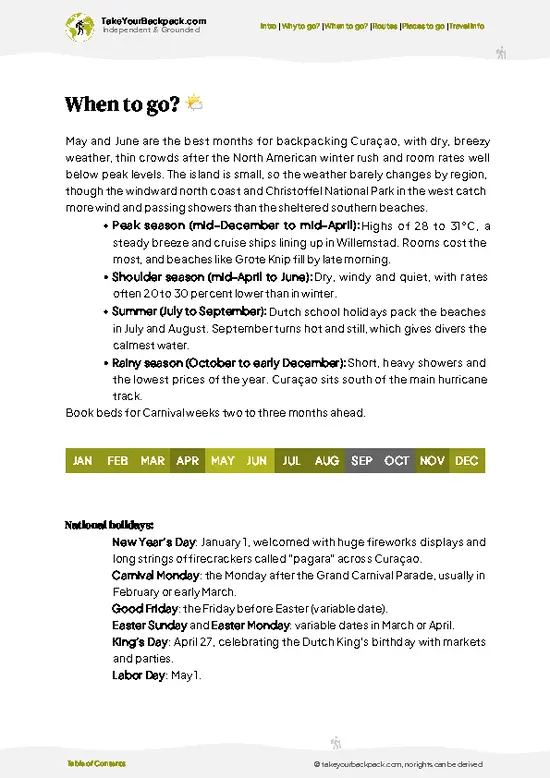
source: climatestotravel.comJANJanuary: excellent for travelingFEBFebruary: excellent for travelingMARMarch: excellent for travelingAPRApril: not recommended for travelingMAYMay: not recommended for travelingJUNJune: not recommended for travelingJULJuly: not recommended for travelingAUGAugust: not recommended for travelingSEPSeptember: not recommended for travelingOCTOctober: not recommended for travelingNOVNovember: not recommended for travelingDECDecember: not recommended for traveling

✈️ The backpacker research shortcutCuraçao Travel Guide

An offline-friendly backpacking guide with optimized travel routes, ranked highlights, transport advice, and the best areas to stay.
example page 0 from our offline Travel Guide for Curaçao
example page 1 from our offline Travel Guide for Curaçao
example page 2 from our offline Travel Guide for Curaçao
example page 3 from our offline Travel Guide for Curaçao
example page 4 from our offline Travel Guide for Curaçao
example page 5 from our offline Travel Guide for Curaçao
example page 6 from our offline Travel Guide for Curaçao
example page 7 from our offline Travel Guide for Curaçao
The digital guide (126 pages) contains:
✅ 33 highlights, ranked by travel appeal
✅ Optimized 2, 3 & 5-day travel routes
✅ Cities, national parks, landmarks, beaches
✅ How to get around
✅ Offline-friendly for travel without Wi-Fi
👉 Click to see all 30+ guide features

📅 Plan smarter in minutes, not weeks
✅ Month by month travel advice
✅ Festivals & national holidays
✅ Budget expectations

🗺️ Go to the right places, skip the overrated ones
✅ Honest pros & cons of destinations
✅ Top hikes, parks & viewpoints
✅ Lesser-known places most travelers miss
✅ Clear “worth it vs skip it” guidance

🛏️ Travel smoothly without rookie mistakes
✅ Best areas to stay
✅ Transport systems explained simply
✅ Common scams & safety advice
✅ SIM cards, money & practical tips

🌍 Understand the country, not just visit it
✅ Culture & traditions
✅ 52 Essential phrases & customs
✅ Festivals worth planning around
✅ Traveler-friendly historical context
✅ Insights that make places more meaningful

📱 Built for real travel conditions
✅ Fully downloadable PDF
✅ Works completely offline
✅ Optimized for phone use
✅ Useful in remote areas & buses
✅ Everything in one place
Stop searching, start planning
Get instant access to your full guide. 30‑day money-back guarantee.
+ Add another guide for just

By proceeding you agree to our terms.
Sent to your inbox immediately after payment • 100% Secure Checkout
Best Backpacking Travel Advisor 2025 tourism awardBest Backpacking
Travel Advisor
2025
What others say about Take Your Backpack Guides:
⭐⭐⭐⭐⭐
Fantastic, amazing amount of information!
⭐⭐⭐⭐⭐
My goodness this is amazing, it's what I've been looking for hats off too you!
⭐⭐⭐⭐⭐
I think this is absolutely BRILLIANT
⭐⭐⭐⭐
Very complete and informative. It's still missing places, but I gotta to commend you
⭐⭐⭐⭐⭐
This is truly amazing, thank you, can't wait to explore it with my kids!
⭐⭐⭐⭐⭐
Awesome resource, thank you!
⭐⭐⭐⭐⭐
This is amazing! Can't wait to explore the ones I haven't seen
⭐⭐⭐⭐
I love this! Well done, great idea.
⭐⭐⭐⭐⭐
Thanks for taking the time to make this gem!
⭐⭐⭐⭐⭐
This might be the best website I've ever seen.
⭐⭐⭐⭐⭐
Congratulations, and thank you so much for your work; it's incredibly valuable.
⭐⭐⭐⭐
In all seriousness I think you did a great job pointing out the important spots
⭐⭐⭐⭐⭐
10/10 very good
⭐⭐⭐⭐⭐
As someone who's only just starting to visit regularly this is awesome, thank you.
⭐⭐⭐⭐
Thank you very much! I'm going to visit my dad, it's going to be very useful!
⭐⭐⭐⭐⭐
This is really cool! We'll be travelling for the first time and this definitely come in handy.
⭐⭐⭐⭐⭐
You are now our minister of culture, congratulations 👨‍💼
⭐⭐⭐⭐⭐
Just wanted to tell you that this is a pearl! Going to follow your recommendations.
⭐⭐⭐⭐⭐
This is so cool. I'll definitely be using the resource for my travels soon.
⭐⭐⭐⭐⭐
This is very impressive! Good work.
⭐⭐⭐⭐⭐
This is an amazing and informative site. Very well done!

🛏️ Where to stay?Choosing the right base

Otrobanda is the area to pick for the festival, because it is walkable, full of guesthouses and hostels, and a short stroll across the Queen Emma pontoon bridge from the Punda screening venues. Streets here are lively until late, and the harborfront and Rif Fort area stay busy with other visitors, which helps if you are traveling solo.

Punda itself is the second choice. You are literally next to the cinemas, cafes and the floating market, and you will meet other budget travelers over breakfast. It quiets down after dark on non-festival nights, so take taxis or walk in a group late at night.

… read more 👉
Otrobanda is the area to pick for the festival, because it is walkable, full of guesthouses and hostels, and a short stroll across the Queen Emma pontoon bridge from the Punda screening venues. Streets here are lively until late, and the harborfront and Rif Fort area stay busy with other visitors, which helps if you are traveling solo.

Punda itself is the second choice. You are literally next to the cinemas, cafes and the floating market, and you will meet other budget travelers over breakfast. It quiets down after dark on non-festival nights, so take taxis or walk in a group late at night.

Scharloo is a calmer residential neighborhood a few minutes away on foot, with colorful Dutch colonial houses and a few budget rooms. It suits you if you want quieter sleep after late screenings.

Skip the resort strip around Piscadera and Jan Thiel if you are on a tight budget, because transport costs and a lack of nightlife eat into the savings. Central Willemstad is the safest bet for returning from evening screenings on foot, and you can keep to the well-lit main streets and the harbor promenade.

👛 Costs (as of 22 October 2026)How expensive it really is

Curaçao International Film Festival Rotterdam costs a budget traveler roughly US$115 to 200 per day, with a typical total of about US$140 once you count a dorm bed in high season.
CategoryBudget RangeLocal Reality
Festival ticketsUS$5 to 15 per screeningIndividual film tickets are priced per screening, and multi-film passes can lower the average. Some outdoor and community screenings are cheaper or free.
AccommodationUS$35 to 90Dorm beds or basic private rooms in Otrobanda and Punda. Prices rise during the festival, so book early.
Local transportUS$3 to 15Willemstad center is walkable. Local buses (konvoi) cost about US$1.50 to 2 per ride, and short taxi rides run US$10 to 20 with fixed fares.
Food & drinksUS$20 to 45Pastechi and market plates at Plasa Bieu keep lunch cheap, and dinners in
… read more 👉
Curaçao International Film Festival Rotterdam costs a budget traveler roughly US$115 to 200 per day, with a typical total of about US$140 once you count a dorm bed in high season.
CategoryBudget RangeLocal Reality
Festival ticketsUS$5 to 15 per screeningIndividual film tickets are priced per screening, and multi-film passes can lower the average. Some outdoor and community screenings are cheaper or free.
AccommodationUS$35 to 90Dorm beds or basic private rooms in Otrobanda and Punda. Prices rise during the festival, so book early.
Local transportUS$3 to 15Willemstad center is walkable. Local buses (konvoi) cost about US$1.50 to 2 per ride, and short taxi rides run US$10 to 20 with fixed fares.
Food & drinksUS$20 to 45Pastechi and market plates at Plasa Bieu keep lunch cheap, and dinners in restaurants run US$15 to 30. A beer costs US$3 to 5.
Miscellaneous expensesUS$5 to 20Sunscreen, water, a beach day at a public beach, and tips of around 10 percent where service is not included.
Total Daily BudgetUS$140Per person, per day, in high season.
⚠️ Prices can change and everyone travels differently, so take this as a rough guide. Hope it helps you plan your adventure!

🍲 FoodLocal Flavors for Backpackers

Food around the festival is a Willemstad affair, so you eat the way locals do. Pastechi, crisp fried pastries stuffed with cheese, beef or tuna, are the cheap fuel between screenings, usually US$1 to 2 each. Look for kabritu stoba (stewed goat) and keshi yena, a baked cheese shell filled with spiced meat, at snack bars and local restaurants near Punda.

The Plasa Bieu market hall behind the floating market is where I would eat lunch. Counter ladies serve hearty plates of stew, rice and funchi (cornmeal) for around US$8 to 12, and portions are huge, so sharing is smart. Order the daily special and sit at the shared tables.

For drinks, go for cold Amstel Bright, brewed on the island, or a glass of Blue Curaçao cocktail for the obligatory tourist moment. Local tamarind and passion fruit juices … read more 👉
Food around the festival is a Willemstad affair, so you eat the way locals do. Pastechi, crisp fried pastries stuffed with cheese, beef or tuna, are the cheap fuel between screenings, usually US$1 to 2 each. Look for kabritu stoba (stewed goat) and keshi yena, a baked cheese shell filled with spiced meat, at snack bars and local restaurants near Punda.

The Plasa Bieu market hall behind the floating market is where I would eat lunch. Counter ladies serve hearty plates of stew, rice and funchi (cornmeal) for around US$8 to 12, and portions are huge, so sharing is smart. Order the daily special and sit at the shared tables.

For drinks, go for cold Amstel Bright, brewed on the island, or a glass of Blue Curaçao cocktail for the obligatory tourist moment. Local tamarind and passion fruit juices cool you off in the heat.

Bring cash in small bills, since market stalls and snack carts often skip cards, though cafes and restaurants take them. Lines at midday lunch spots move slowly, so arrive before noon and tolerate island time.

FAQTraveler FAQ

Curaçao International Film Festival Rotterdam is usually held over about four to five days in late May or early June. Screenings are centered on Willemstad, mainly in the Punda and Otrobanda areas around the harbor. Exact dates are set each year, so check the program a couple of months ahead and plan to arrive a day early.
Curaçao International Film Festival Rotterdam is inexpensive by festival standards, with single screenings typically costing about US$5 to 15. A backpacker should plan on roughly US$115 to 200 a day all in, including a dorm bed (US$35 to 90), food at local markets and short taxi rides. Multi-film passes and free community events can bring the cost down.
For Curaçao International Film Festival Rotterdam, buying screening tickets ahead is wise, particularly for the opening night and headline films, which often sell out. Tickets are normally sold online and at the box office a few weeks before the event. Book your bed in Otrobanda or Punda four to six weeks ahead, because rooms near the venues fill up and prices rise by 15 to 30 percent.
⚠️ Things can change over time, so always validate details locally before you go.

Other Curaçaoan festivals near Curaçao International Film Rotterdam

Explore more nearby:


💡 Not sure where to go next?
Create a personalized itinerary for Curaçao including Curaçao International Film Rotterdam and the places that fit your trip.

Generate my itinerary

👉 Discover all festivals

Or checkout all Curaçao has to offer (think cities, towns, villages, national parks, hikes, beaches, festivals)
Country photo of Curaçao

We 💚 feedbackParting advice and final tips

Curaçao International Film Festival Rotterdam suits the cooler, drier months, when the island is comfortable enough for a full day of walking Willemstad between screenings. I would go for the evening slots: the air softens, the Q&As run long and Pietermaai fills with the people you just watched on screen. Bring a light layer, because cinema air conditioning is strong.

✍️ Help improve this page!
The information on this page is based on in-depth research, insights shared by experienced travelers, and feedback from the local travel community in Curaçao. While every effort is made to keep the information accurate and current, conditions can change — so if you spot anything incorrect or outdated, please get in touch.


🙋‍♂️ Give feedback

👋 Meet the founderWho’s Behind Take Your Backpack?

Johan, backpacker and founder of TakeYourBackpackHi, I’m Johan (Netherlands 🇳🇱), the creator of TakeYourBackpack. Over the past 3 decades, I’ve backpacked through 90+ countries across six continents, gaining extensive experience with independent travel, long-term trips, and overland routes.

This site is built on a combination of firsthand travel experience and carefully curated insights from other backpackers. Many guides are based on places I’ve personally visited, while others bring together tips, observations, and practical advice shared by trusted travelers I’ve met along the way.

The goal is to provide realistic, experience-driven guidance — not generic itineraries — so you can explore destinations with better context, clearer expectations, and more confidence.