×

Curaçao🇨🇼 | townsPunda
Colorful facades, floating market, pedestrian streets | things to do and best time to go

Explore LagunExplore Boka Tabla

Backpacking in Punda
🏆 Top picktown ranked #1
By Johan Kruseman 🇳🇱 | Updated May 11, 2026

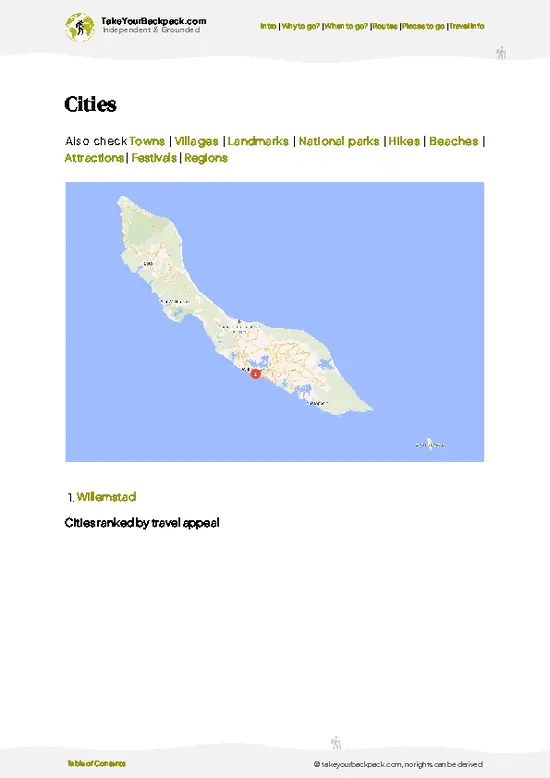
Everyone comes to Punda for the postcard waterfront — those candy-colored Dutch façades lined up along the harbor — but that’s the least interesting thing about it once you’re actually on the ground. What matters more is how compact and walkable it feels, how the heat bounces off the cobblestones at midday, how the smell of frying pastechi and sea salt follows you as you cut through side streets. Punda sits on the eastern side of Willemstad’s harbor in Curaçao, facing Otrobanda across the floating Queen Emma Bridge, and for backpackers it works best as a short, practical base rather than a full-on beach town. You get easy bus connections, supermarkets, a few hostels and guesthouses, and enough cafés and bars to meet other travelers without the full resort gloss of Mambo or Jan Thiel. It’s busier and more touristic than quiet Pietermaai or the rural west, but still feels safe, walkable, and cheap enough if you eat local and skip the waterfront-price cocktails.

Discover everything you want to know in the 📖 Curaçao Travel Guide.
Loading the map 🌍
CLICK TO FILTER
city
town
village
unique site
national park
hike
beach
attraction
festival
region
SHOW COUNTRY‘S BESTSHOW ALL

✨ Why go?
Ranked #1 town in Curaçao
Why visitors keep coming back

Backpackers flock to Punda in Curaçao for its convenience as a launchpad for exploration. The town’s walkable streets invite you to wander, with colorful colonial architecture framing your path. You can easily access nearby hikes and beaches, making it a strategic base for both adventure and relaxation.

Small-scale hostels and guesthouses create a cozy atmosphere, perfect for solo travelers or small groups looking to connect. The local food scene is a treat, with street vendors serving up fresh seafood and tasty local dishes that fill your belly without emptying your wallet.

While some backpackers might only stay a night or two, many linger to soak in the friendly vibe and the rhythm of local life. The pace here is laid-back, ideal for slow travelers who appreciate the art of doing nothing … read more 👉
Backpackers flock to Punda in Curaçao for its convenience as a launchpad for exploration. The town’s walkable streets invite you to wander, with colorful colonial architecture framing your path. You can easily access nearby hikes and beaches, making it a strategic base for both adventure and relaxation.

Small-scale hostels and guesthouses create a cozy atmosphere, perfect for solo travelers or small groups looking to connect. The local food scene is a treat, with street vendors serving up fresh seafood and tasty local dishes that fill your belly without emptying your wallet.

While some backpackers might only stay a night or two, many linger to soak in the friendly vibe and the rhythm of local life. The pace here is laid-back, ideal for slow travelers who appreciate the art of doing nothing while sipping a cold drink by the waterfront.

Punda isn’t about nightlife; it’s about community and culture. If you’re seeking a place to recharge between adventures, or a spot to meet fellow wanderers, this town fits the bill perfectly.
Get the complete Travel Guide for Curaçao
Everything organized for offline planning — routes, highlights, costs & tips

See what’s inside 👉

Get the Travel Guide -

💡 HighlightsKey sights and experiences for travelers

  • Handelskade (the colorful waterfront) — That instantly recognizable row of candy-colored Dutch colonial houses lining St. Anna Bay; great for photos, people-watching, and getting a real feel for old Willemstad’s mercantile roots.
  • Queen Emma Bridge (”The Swinging Old Lady”) — A floating pontoon bridge that connects Punda to Otrobanda; it opens for ship traffic, is delightfully photogenic, and walking it gives you a tiny drama of harbor life and boat traffic up close.
  • Fort Amsterdam & the Governor’s Palace — A 17th-century fortification that still houses official government offices; the courtyard, cannons and palace façade are a compact lesson in colonial history right on the harbor.
  • Mikvé Israel-Emanuel Synagogue — The oldest continuously used synagogue in the Americas, famous for its
read more 👉
  • Handelskade (the colorful waterfront) — That instantly recognizable row of candy-colored Dutch colonial houses lining St. Anna Bay; great for photos, people-watching, and getting a real feel for old Willemstad’s mercantile roots.
  • Queen Emma Bridge (”The Swinging Old Lady”) — A floating pontoon bridge that connects Punda to Otrobanda; it opens for ship traffic, is delightfully photogenic, and walking it gives you a tiny drama of harbor life and boat traffic up close.
  • Fort Amsterdam & the Governor’s Palace — A 17th-century fortification that still houses official government offices; the courtyard, cannons and palace façade are a compact lesson in colonial history right on the harbor.
  • Mikvé Israel-Emanuel Synagogue — The oldest continuously used synagogue in the Americas, famous for its sand-covered floor and calm, intimate interior; visiting gives real insight into Curaçao’s Sephardic Jewish heritage.
  • Jewish Cultural Historical Museum — Tucked beside the synagogue, this small museum explains the island’s Jewish communities through artifacts and photos—handy context after seeing the synagogue itself.
  • Floating Market — Venezuelan fisherfolk sell fresh fish and the occasional produce from boats tied up along the waterfront; a lively, sensory glimpse into the local food trade and daily rhythms of the harbor.
  • Breedestraat (main shopping street) — A pedestrian strip of local boutiques, galleries, cafes and street art; it’s where you’ll find independent designers, Curaçao crafts, and a more relaxed, local shopping vibe than the tourist traps.
  • Plasa Bieu (Old Market) — A no-frills local food market where stall owners serve classic Curacao dishes—stews, fried fish and funchi—perfect for trying honest local flavors without pretense.
  • Groote Kerk (the big Protestant church) — A striking historic church near the waterfront with a handsome interior and an important part in Willemstad’s social history; worth a quick visit for architecture and atmosphere.
  • St. Anna Bay viewpoints & harbor alleys — The narrow alleys and small plazas around the bay reward slow wandering: old warehouses, murals, fishing activity, and tight harbor views that capture the working-city character of Punda.
A few great nearby day-trip options: the Hato Caves (limestone caverns near the airport), Christoffel National Park and Shete Boka (northwest coast scenery and hikes), and the beaches around Jan Thiel—all easily reached from Punda.
Spotted a mistake or missing something? Contact us.

🏘️ NeighborhoodsUnderstanding the local layout

Punda is the vibrant heart of Willemstad, Curaçao, where colonial architecture meets Caribbean flair. It’s a backpacker’s playground, rich in culture and easy to navigate. Here’s how to make the most of your time in this lively town.

Otrobanda: Just across the water from Punda, Otrobanda pulses with local life. The vibe is laid-back, with colorful buildings and street art. It’s budget-friendly, with hostels and local eateries serving up authentic dishes. Walkability is excellent; you can easily hop between Punda and Otrobanda via the floating bridge. Perfect for short stays, but longer visits reveal hidden cafes and local markets.

Scharloo: This area is a treasure trove of historic mansions and art galleries. The atmosphere is quieter, ideal for those seeking a more relaxed pace. While it’s … read more 👉
Punda is the vibrant heart of Willemstad, Curaçao, where colonial architecture meets Caribbean flair. It’s a backpacker’s playground, rich in culture and easy to navigate. Here’s how to make the most of your time in this lively town.

Otrobanda: Just across the water from Punda, Otrobanda pulses with local life. The vibe is laid-back, with colorful buildings and street art. It’s budget-friendly, with hostels and local eateries serving up authentic dishes. Walkability is excellent; you can easily hop between Punda and Otrobanda via the floating bridge. Perfect for short stays, but longer visits reveal hidden cafes and local markets.

Scharloo: This area is a treasure trove of historic mansions and art galleries. The atmosphere is quieter, ideal for those seeking a more relaxed pace. While it’s not as bustling as Punda, the charm lies in its serene streets. It’s a bit further from nightlife, but you can still find cozy bars. Great for longer stays if you want to soak in the local art scene.

Brionplein: A central hub, Brionplein is where locals gather. The square is surrounded by shops and cafes, making it a perfect spot to recharge. The nightlife here is vibrant but not overwhelming, with live music often filling the air. It’s walkable and connects easily to public transport, making it suitable for both short and extended visits.

Waterfort: This area offers a unique blend of history and modernity. The old fort is now home to restaurants and shops, creating a lively atmosphere. It’s a bit pricier, but the experience is worth it. Ideal for those who want a taste of nightlife without straying too far from the action. Perfect for short stays, especially if you want to indulge in some local cuisine.

⌛️ 1 dayWhat you can realistically do in a day

Punda, the vibrant heart of Willemstad, Curaçao, is a blend of colorful colonial architecture, rich history, and a lively atmosphere. The town’s charm lies in its unique mix of cultures, evident in the bustling markets and the aroma of local dishes wafting through the air.

Start your day at the floating market, where vendors from Venezuela sell fresh produce and fish right off their boats. The early morning light glimmers on the water, and the chatter of locals sets a lively tone. Grab a fresh arepa or a slice of coconut bread for breakfast. This isn’t just a meal; it’s a taste of the island’s soul.

After fueling up, stroll through the streets of Punda, taking in the pastel-colored buildings that line the waterfront. Make your way to the Mikvé Israel-Emanuel Synagogue, the oldest surviving … read more 👉
Punda, the vibrant heart of Willemstad, Curaçao, is a blend of colorful colonial architecture, rich history, and a lively atmosphere. The town’s charm lies in its unique mix of cultures, evident in the bustling markets and the aroma of local dishes wafting through the air.

Start your day at the floating market, where vendors from Venezuela sell fresh produce and fish right off their boats. The early morning light glimmers on the water, and the chatter of locals sets a lively tone. Grab a fresh arepa or a slice of coconut bread for breakfast. This isn’t just a meal; it’s a taste of the island’s soul.

After fueling up, stroll through the streets of Punda, taking in the pastel-colored buildings that line the waterfront. Make your way to the Mikvé Israel-Emanuel Synagogue, the oldest surviving synagogue in the Americas. The scent of old wood and the soft glow of the stained glass create a serene atmosphere, offering a glimpse into the island’s diverse heritage.

In the afternoon, head to the nearby neighborhood of Otrobanda. Cross the iconic Queen Emma Bridge, a floating bridge that connects Punda and Otrobanda. The gentle sway beneath your feet adds a thrill to the crossing. Once in Otrobanda, explore the street art that tells stories of the island’s past. Stop by the Kura Hulanda Museum, a lesser-known spot that dives deep into the history of slavery and the African diaspora. It’s a heavy but essential experience that adds depth to your understanding of Curaçao.

As the sun begins to set, return to Punda for dinner at a local eatery like Plasa Bieu, where you can savor traditional dishes like stoba (stew) and funchi (cornmeal). The atmosphere is electric, filled with laughter and the clinking of plates.

End your day with a leisurely walk along the waterfront, where the lights of the buildings reflect on the water. The day may have been packed, but each moment in Punda is a step deeper into the heart of Curaçao, making every effort feel worthwhile.
Build the Right Itinerary
Use the Curaçao Travel Guide’s 2, 3 & 5-day routes as a starting point to plan a trip that actually works on the ground.

Get the Travel Guide -

🌤️ When to go?Weather, crowds, and seasonal trade-offs


  • Topic: Weather – Punda’s tropical climate means warm, humid days year-round, but the dry season from January to September offers clearer skies and less chance of rain, making your strolls under the Caribbean sun more reliable.

  • Topic: Temperature – Expect highs around 29-31°C (84-88°F) during the dry months, with evenings cooling to a comfortable 24°C (75°F). The wetter months can feel stickier, pushing temps slightly higher and humidity up, which can sap your energy faster.

  • Topic: Daylight Hours – Daylight stays steady, roughly 11 to 12 hours year-round. Early mornings and late afternoons bring softer light, perfect for photography or relaxed exploration without the harsh midday glare.

  • Topic: Crowds – Peak tourist season aligns with the dry months, especially December through April,
read more 👉

  • Topic: Weather – Punda’s tropical climate means warm, humid days year-round, but the dry season from January to September offers clearer skies and less chance of rain, making your strolls under the Caribbean sun more reliable.

  • Topic: Temperature – Expect highs around 29-31°C (84-88°F) during the dry months, with evenings cooling to a comfortable 24°C (75°F). The wetter months can feel stickier, pushing temps slightly higher and humidity up, which can sap your energy faster.

  • Topic: Daylight Hours – Daylight stays steady, roughly 11 to 12 hours year-round. Early mornings and late afternoons bring softer light, perfect for photography or relaxed exploration without the harsh midday glare.

  • Topic: Crowds – Peak tourist season aligns with the dry months, especially December through April, when cruise ships dock and Punda buzzes with visitors. For a quieter vibe, aim for the shoulder months like May or September.

  • Topic: Seasonal Activities – The summer months host vibrant local festivals and open-air markets, adding cultural texture to your visit. Avoid the rainy season if you want to maximize outdoor events and street life.

  • Topic: Price Fluctuations – Accommodation and flights spike during the dry season and holidays. Booking just outside these windows can save you money without sacrificing much on weather or atmosphere.


Pro-tip: Visit Punda in late April or early May to catch the tail end of dry weather, fewer crowds, and better prices—a sweet spot where the town’s colors and rhythms feel most authentic.


source: climatestotravel.comJANJanuary: excellent for travelingFEBFebruary: excellent for travelingMARMarch: excellent for travelingAPRApril: highly recommended for travelingMAYMay: highly recommended for travelingJUNJune: good for travelingJULJuly: good for travelingAUGAugust: good for travelingSEPSeptember: highly recommended for travelingOCTOctober: fair for travelingNOVNovember: fair for travelingDECDecember: excellent for traveling
curacao-city-punda v1
© Google |

✈️ The backpacker research shortcutCuraçao Travel Guide

An offline-friendly backpacking guide with optimized travel routes, ranked highlights, transport advice, and the best areas to stay.
example page 0 from our offline Travel Guide for Curaçaoexample page 1 from our offline Travel Guide for Curaçaoexample page 2 from our offline Travel Guide for Curaçaoexample page 3 from our offline Travel Guide for Curaçaoexample page 4 from our offline Travel Guide for Curaçaoexample page 5 from our offline Travel Guide for Curaçao
The digital guide (143 pages) contains:
43 highlights, ranked by travel appeal
Optimized 2, 3 & 5-day travel routes
Best neighborhoods to stay
How to get around
Offline-friendly for travel without Wi-Fi
👉 See all 30+ guide features

📅 Plan smarter in minutes, not weeks
Month by month travel advice
Festivals & national holidays
Budget expectations

🗺️ Go to the right places, skip the overrated ones
Honest pros & cons of destinations
Top hikes, parks & viewpoints
Lesser-known places most travelers miss
Clear “worth it vs skip it” guidance

🛏️ Travel smoothly without rookie mistakes
Best areas to stay
Transport systems explained simply
Common scams & safety advice
SIM cards, money & practical tips

🌍 Understand the country, not just visit it
Culture & traditions
52 Essential phrases & customs
Festivals worth planning around
Traveler-friendly historical context
Insights that make places more meaningful

📱 Built for real travel conditions
Fully downloadable PDF
Works completely offline
Optimized for phone use
Useful in remote areas & buses
Everything in one place
Save weeks of stressful planning
Get instant access to the full guide directly. 30-day money-back guarantee.


Sent to your inbox immediately after payment • 100% Secure Checkout
Best Backpacking Travel Advisor 2025 tourism awardBest Backpacking
Travel Advisor
2025
What others say about Take Your Backpack Guides:
⭐⭐⭐⭐⭐
Fantastic, amazing amount of information!
⭐⭐⭐⭐⭐
My goodness this is amazing, it's what I've been looking for hats off too you!
⭐⭐⭐⭐⭐
I think this is absolutely BRILLIANT
⭐⭐⭐⭐
Very complete and informative. It's still missing places, but I gotta to commend you
⭐⭐⭐⭐⭐
This is truly amazing, thank you, can't wait to explore it with my kids!
⭐⭐⭐⭐⭐
Awesome resource, thank you!
⭐⭐⭐⭐⭐
This is amazing! Can't wait to explore the ones I haven't seen
⭐⭐⭐⭐
I love this! Well done, great idea.
⭐⭐⭐⭐⭐
Thanks for taking the time to make this gem!
⭐⭐⭐⭐⭐
This might be the best website I've ever seen.
⭐⭐⭐⭐⭐
Congratulations, and thank you so much for your work; it's incredibly valuable.
⭐⭐⭐⭐
In all seriousness I think you did a great job pointing out the important spots
⭐⭐⭐⭐⭐
10/10 very good
⭐⭐⭐⭐⭐
As someone who's only just starting to visit regularly this is awesome, thank you.
⭐⭐⭐⭐
Thank you very much! I'm going to visit my dad, it's going to be very useful!
⭐⭐⭐⭐⭐
This is really cool! We'll be travelling for the first time and this definitely come in handy.
⭐⭐⭐⭐⭐
You are now our minister of culture, congratulations 👨‍💼
⭐⭐⭐⭐⭐
Just wanted to tell you that this is a pearl! Going to follow your recommendations.
⭐⭐⭐⭐⭐
This is so cool. I'll definitely be using the resource for my travels soon.
⭐⭐⭐⭐⭐
This is very impressive! Good work.
⭐⭐⭐⭐⭐
This is an amazing and informative site. Very well done!

🛏️ Where to stay?Where staying makes the most sense

Punda is the heartbeat of Willemstad, and for backpackers, it’s where the city’s pulse is loudest and most accessible. Staying here means you’re right in the thick of it—colorful Dutch colonial buildings line the streets, their facades catching the golden Caribbean light in a way that feels like a daily invitation to explore. The air carries a mix of sea salt and the faint aroma of local street food, grounding you in place.

For budget travelers and solo backpackers, the northern edge of Punda is your sweet spot. It’s safe, with a steady flow of locals and tourists mingling in open-air cafes and … read more 👉
Punda is the heartbeat of Willemstad, and for backpackers, it’s where the city’s pulse is loudest and most accessible. Staying here means you’re right in the thick of it—colorful Dutch colonial buildings line the streets, their facades catching the golden Caribbean light in a way that feels like a daily invitation to explore. The air carries a mix of sea salt and the faint aroma of local street food, grounding you in place.

For budget travelers and solo backpackers, the northern edge of Punda is your sweet spot. It’s safe, with a steady flow of locals and tourists mingling in open-air cafes and small plazas. This area hums with social energy without tipping into tourist overload. Hostels here tend to cluster around quieter side streets, offering a chance to connect with fellow travelers while still being steps from the waterfront and the iconic Queen Emma Bridge. The vibe is casual but lively—think impromptu jam sessions, street vendors selling fresh fruit, and the occasional street artist adding color to the sidewalks.

Compared to the more residential or commercial parts of Willemstad, Punda’s northern quarter keeps you close to the action without the noise and hassle. It’s a practical choice that rewards you with easy access to local markets, ferry rides, and the kind of spontaneous encounters that turn a trip from good to memorable.

🚌 Getting aroundGetting around like a local

Punda moves at its own rhythm—less a strict timetable and more a pulse you feel underfoot. The streets hum with a blend of old colonial charm and Caribbean spontaneity, where vendors call out their wares and scooters dart through narrow alleys like quicksilver. The light here is sharp and bright, bouncing off colorful facades and the occasional glint of the harbor just beyond. You won’t find rigid schedules etched in stone; instead, you navigate by intuition, by the ebb and flow of locals and tourists alike. This is a place where the journey is as much about soaking in the atmosphere as it is about getting from A to B.


  • Walking: The heart of Punda is compact and best explored on foot. Streets are cobblestone and uneven, so sturdy shoes are a must. Walking lets you catch the scent of fresh
read more 👉
Punda moves at its own rhythm—less a strict timetable and more a pulse you feel underfoot. The streets hum with a blend of old colonial charm and Caribbean spontaneity, where vendors call out their wares and scooters dart through narrow alleys like quicksilver. The light here is sharp and bright, bouncing off colorful facades and the occasional glint of the harbor just beyond. You won’t find rigid schedules etched in stone; instead, you navigate by intuition, by the ebb and flow of locals and tourists alike. This is a place where the journey is as much about soaking in the atmosphere as it is about getting from A to B.


  • Walking: The heart of Punda is compact and best explored on foot. Streets are cobblestone and uneven, so sturdy shoes are a must. Walking lets you catch the scent of fresh coffee from corner cafés and the salty breeze from the nearby sea. It’s free, flexible, and the best way to absorb the neighborhood’s character.


  • Local Bus (Bus Route 1 and 2): These buses run roughly from 6:00 AM to 9:00 PM, with fares around $1.50. They’re slow but reliable, weaving through the town’s main arteries and connecting Punda to other districts. Expect crowded rides during rush hour and a no-frills experience—think plastic seats and open windows letting in the tropical air.


  • Water Taxi: Departing every 15-20 minutes from the waterfront, water taxis offer a scenic shortcut to Otrobanda and the cruise ship terminal. Tickets cost about $2.50, and the ride lasts under 10 minutes. The breeze off the water and the view of colorful buildings lining the harbor make this a memorable, budget-friendly transit option.


  • Shared Taxi (Collectivo): These operate on flexible routes, leaving once full. Fares hover around $2-$3 depending on distance. They’re faster than buses but less predictable, often squeezing in extra passengers. Ideal if you want a quicker trip without the expense of a private taxi, but be ready for a bit of a squeeze and some local banter.


  • Rental Scooter: For those comfortable on two wheels, scooters rent for about $25-$30 per day. They offer freedom to explore beyond Punda’s core, but the streets can be chaotic, and parking is tight. Helmets are a must, and the tropical sun means you’ll want to start early or late to avoid the midday heat.

👛 Costs (as of 25 July 2025)How expensive it really is

Backpacking in Punda, Curaçao, means balancing the island’s laid-back vibe with practical costs that keep your trip smooth and stress-free. Here’s what you can expect to spend day-to-day, broken down so you know exactly where your money goes.
  • Dorm Accommodation: Hostels and guesthouses in Punda typically charge between €20 and €35 per night for a dorm bed. This range covers basic, clean spots with air conditioning and sometimes a shared kitchen. Expect a simple setup—nothing fancy, but comfortable enough to recharge after exploring the colorful streets and waterfront.
  • Meals: Eating local means fresh seafood, street food, and casual eateries. Budget around €8 to €15 per meal if you stick to local joints or food stands. A typical plate might be fish, rice, and vegetables, or a hearty sandwich
read more 👉
Backpacking in Punda, Curaçao, means balancing the island’s laid-back vibe with practical costs that keep your trip smooth and stress-free. Here’s what you can expect to spend day-to-day, broken down so you know exactly where your money goes.
  • Dorm Accommodation: Hostels and guesthouses in Punda typically charge between €20 and €35 per night for a dorm bed. This range covers basic, clean spots with air conditioning and sometimes a shared kitchen. Expect a simple setup—nothing fancy, but comfortable enough to recharge after exploring the colorful streets and waterfront.
  • Meals: Eating local means fresh seafood, street food, and casual eateries. Budget around €8 to €15 per meal if you stick to local joints or food stands. A typical plate might be fish, rice, and vegetables, or a hearty sandwich with tropical fruit on the side. If you want to splurge on a nicer dinner, prices jump, but for daily backpacking, €20 to €30 for three meals is realistic.
  • Local Transport: Punda is compact, so walking is your best bet for soaking in the atmosphere. For longer trips around the island, minibusses and shared taxis cost about €1 to €3 per ride. Renting a bike can run around €10 to €15 per day, giving you freedom without the hassle of public transport schedules.
  • Basic Activities/Entry Fees: Many cultural sites and small museums in Punda charge entry fees between €3 and €7. Snorkeling gear rental or guided tours start around €15 to €25. If you’re diving into the island’s underwater world, expect to pay more, but basic activities remain affordable for budget travelers.
  • Miscellaneous Expenses: This covers essentials like bottled water, occasional coffee, or small souvenirs. Plan for about €5 to €10 daily here. Curaçao’s tropical sun means sunscreen and insect repellent are must-haves, so factor those into your initial packing or budget.

All told, a realistic daily budget for backpacking in Punda falls between €50 and €80. This range keeps you comfortable without cutting corners, letting you enjoy the island’s vibrant streets, salty sea air, and laid-back charm without constant money stress.


source: curacao.com
⚠️ Prices can change and everyone travels differently, so take this as a rough guide. Hope it helps you plan your adventure!

🚌 Day tripsWhere to go beyond the main area

Punda, Curaçao, is a vibrant launchpad for unforgettable day trips. With its colorful streets and lively atmosphere, it’s easy to feel at home while exploring the island’s treasures. Here’s how to make the most of your adventures.

Shete Boka National Park
Just a short drive from Punda, Shete Boka is a wild, rugged coastline where the ocean crashes against limestone cliffs. The park’s trails lead you to breathtaking blowholes and secluded coves. You’ll want to spend a few hours hiking and soaking in the raw beauty. Bring sturdy shoes; the terrain can be tricky. Expect to pay around $10 for entry, and pack a picnic to enjoy while listening to the waves. The best time to visit is early morning when the light dances on the water, and the crowds are thin. A common mistake is underestimating … read more 👉
Punda, Curaçao, is a vibrant launchpad for unforgettable day trips. With its colorful streets and lively atmosphere, it’s easy to feel at home while exploring the island’s treasures. Here’s how to make the most of your adventures.

Shete Boka National Park
Just a short drive from Punda, Shete Boka is a wild, rugged coastline where the ocean crashes against limestone cliffs. The park’s trails lead you to breathtaking blowholes and secluded coves. You’ll want to spend a few hours hiking and soaking in the raw beauty. Bring sturdy shoes; the terrain can be tricky. Expect to pay around $10 for entry, and pack a picnic to enjoy while listening to the waves. The best time to visit is early morning when the light dances on the water, and the crowds are thin. A common mistake is underestimating the sun; wear sunscreen and a hat.
👉 Explore Shete Boka National Park

Westpunt Beaches
Head to Westpunt for some of the island’s best beaches, like Playa Kenepa Grandi and Playa Kalki. The drive takes about 40 minutes, and the scenery along the way is dotted with local farms and stunning ocean views. Bring your snorkel gear; the underwater life is vibrant and accessible right off the shore. Budget around $20 for transportation and snacks. Late afternoon is ideal for a swim, as the sun begins to dip, casting a golden glow. Many first-timers miss the chance to explore the local food shacks—don’t skip the fresh fish!


Christoffel National Park
For a taste of Curaçao’s natural side, Christoffel National Park is a must. It’s about a 30-minute drive from Punda, and the park offers hiking trails that lead to the island’s highest point. The views from the top are worth every step. Entry is around $10, and you’ll want to start early to avoid the heat. The best time to hike is during the cooler months, from December to April. A common pitfall is not bringing enough water; stay hydrated to fully enjoy the experience.
👉 Explore Christoffel National Park

Willemstad’s Floating Market
Just a quick stroll from Punda, the Floating Market is a sensory feast. Vendors sell fresh produce and fish from boats, creating a lively atmosphere. It’s a great spot to grab a snack and people-watch. Plan to spend an hour or two here, and bring around $10 for some local treats. The market is best visited in the morning when the goods are freshest. Many visitors overlook the chance to chat with the vendors; their stories add depth to your experience.
👉 Explore Willemstad’s Floating Market
Want to know what more Curaçao offers?
The Curaçao Travel Guide describes 43 highlights, from cities to national parks, from beaches to hikes

Get the Travel Guide -

🛡️ SafetySafety Tips and Common Scams in Punda

Punda, Curaçao, is generally safe, but a few practical tips can enhance your experience. The vibrant streets come alive with color, but keep your wits about you, especially near the waterfront at night. That’s when the atmosphere shifts; the lively bars and restaurants can attract a rowdier crowd. Stick to well-lit areas and travel in groups if possible.

Solo travelers should be mindful of their surroundings. Avoid distractions like your phone when walking; it’s easy to miss the subtle cues of your environment.

Scams are rare, but watch for overly friendly locals offering unsolicited help. A polite decline usually suffices. Street vendors can be persistent, so a firm but friendly “no thanks” will keep the interaction light and breezy.

Overall, carry yourself with confidence. A relaxed … read more 👉
Punda, Curaçao, is generally safe, but a few practical tips can enhance your experience. The vibrant streets come alive with color, but keep your wits about you, especially near the waterfront at night. That’s when the atmosphere shifts; the lively bars and restaurants can attract a rowdier crowd. Stick to well-lit areas and travel in groups if possible.

Solo travelers should be mindful of their surroundings. Avoid distractions like your phone when walking; it’s easy to miss the subtle cues of your environment.

Scams are rare, but watch for overly friendly locals offering unsolicited help. A polite decline usually suffices. Street vendors can be persistent, so a firm but friendly “no thanks” will keep the interaction light and breezy.

Overall, carry yourself with confidence. A relaxed demeanor often disarms potential annoyances. Enjoy the rich culture and the warm, inviting atmosphere, knowing that a little awareness goes a long way in making your adventure smooth and enjoyable.

Other Curaçaoan towns near Punda

Explore more nearby:

  • Barber—Sunday market, rural crossroads, local life| 25 km away
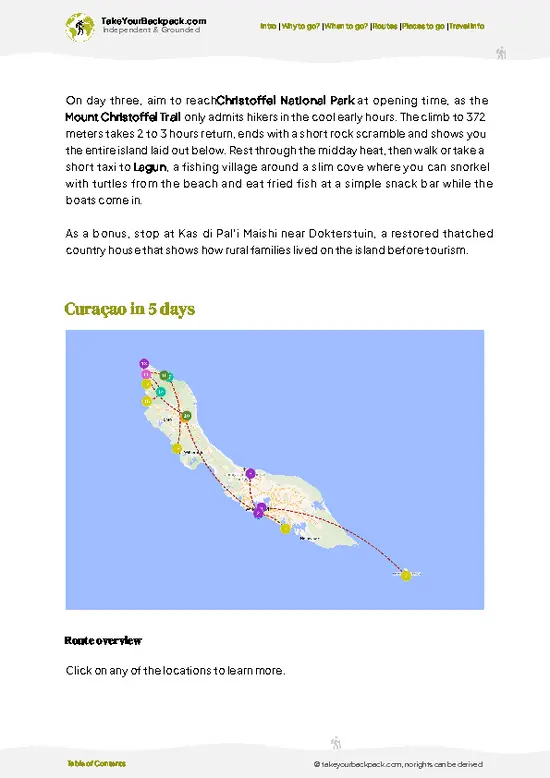
  • Lagun—Cliffside bay, fishing boats, snorkeling cove| 34 km away

👉 Discover all towns

Or checkout all Curaçao has to offer (think cities, towns, villages, national parks, hikes, beaches, festivals)
Country photo of Curaçao

We 💚 feedbackIs it worth it?

Punda is a vibrant dance of colors and sounds, where the air is thick with the scent of fresh seafood and the laughter of locals fills the streets. The best surprise? Stumbling upon a tiny café serving the most incredible local pastries—don’t miss the keshi yena! Just a heads-up: the sun can be relentless, so pack a hat and sunscreen. Embrace the laid-back vibe, but don’t rush; the magic of Punda unfolds in the moments you take to breathe it all in.

✍️ Help improve this page!
The information on this page is based on in-depth research, insights shared by experienced travelers, and feedback from the local travel community in Curaçao. While every effort is made to keep the information accurate and current, conditions can change — so if you spot anything incorrect or outdated, please get in touch.


🙋‍♂️ Give feedback

👋 Meet the founderWho’s Behind Take Your Backpack?

Johan, backpacker and founder of TakeYourBackpackHi, I’m Johan (Netherlands 🇳🇱), the creator of TakeYourBackpack. Over the past decade, I’ve backpacked through 80+ countries across six continents, gaining extensive experience with independent travel, long-term trips, and overland routes.

This site is built on a combination of firsthand travel experience and carefully curated insights from other backpackers. Many guides are based on places I’ve personally visited, while others bring together tips, observations, and practical advice shared by trusted travelers I’ve met along the way.

The goal is to provide realistic, experience-driven guidance — not generic itineraries — so you can explore destinations with better context, clearer expectations, and more confidence.

Get Full Country Guide |
Instant download • 43 highlights • Full Offline guide