×

Curaçao🇨🇼 | landmarksWillemstad’s Floating MarketBoat vendors, Venezuelan produce, waterfront stalls | things to do and best time to go

Explore Mikve Israel-Emanuel SynagogueExplore Watamula Hole

Backpacking in Willemstad’s Floating Market
🏆 Top pickunique site ranked #2
By Johan Kruseman 🇳🇱 | Updated July 4, 2026

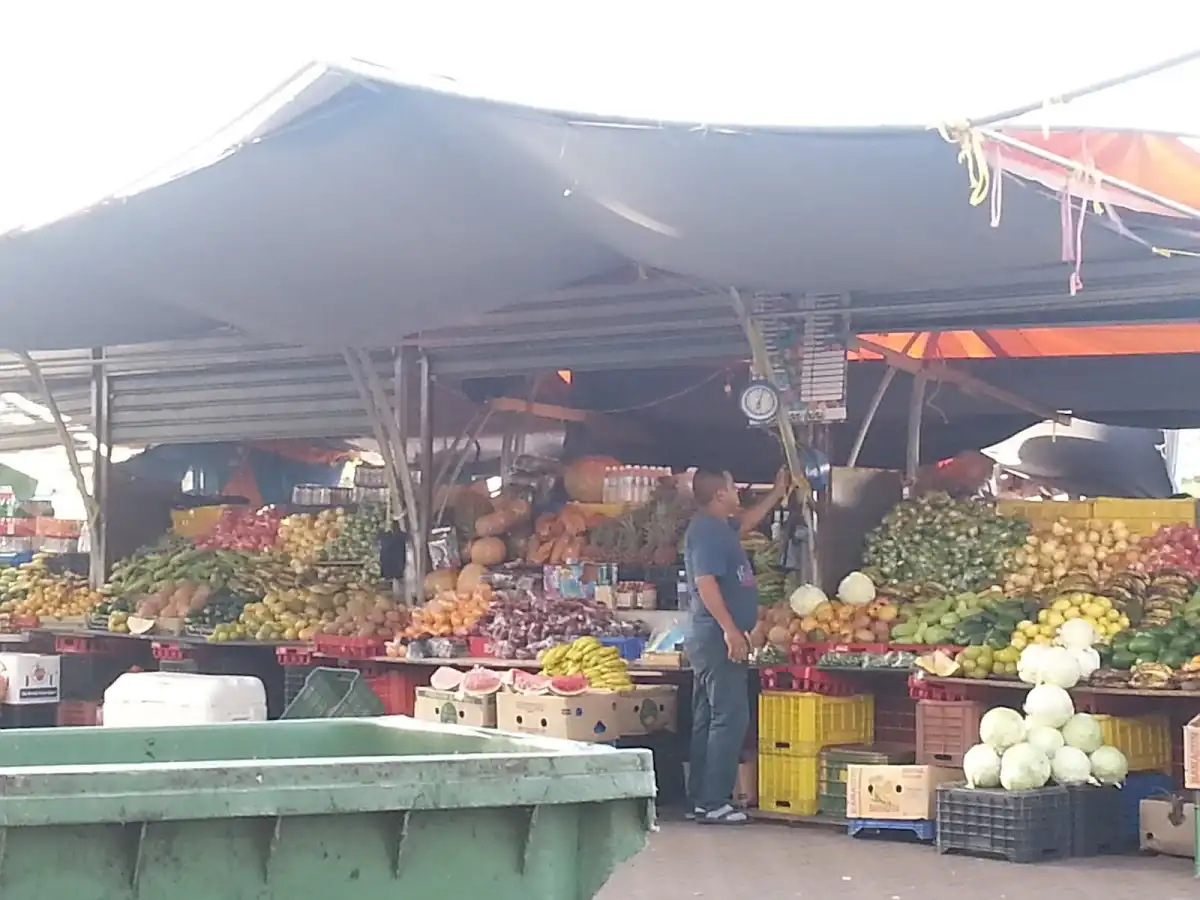
You know what nobody tells you about Willemstad’s Floating Market? It’s one of the cheapest, easiest places in Curaçao to stock up on real fruit and snacks for the rest of your trip, instead of bleeding cash at resort mini-marts. You’ll find it along Sha Caprileskade on the Punda waterfront, a short walk from the Queen Emma Bridge. As a “wow” sight, it’s more low-key street life than postcard perfection: Venezuelan and local vendors selling produce straight off their boats, loud bargaining, strong accents, and a whiff of fish in the air. It’s busy but not shoulder-to-shoulder, and prices are fair if you’re not clueless about haggling. Culturally, it’s a living reminder of Curaçao’s trading roots, not some polished attraction. Photos are good for color and character, less for grand vistas. Go for people-watching and practicality, not for a bucket-list spectacle.

Discover everything you want to know in the 📖 Curaçao Travel Guide.


Get your Curaçao guide
40 ranked highlights, routes & tips, works offline (158 pages)
Loading the map 🌍
CLICK TO FILTER
cities
towns
villages
landmarks
national parks
hikes
beaches
attractions
festivals
regions
SHOW COUNTRY’S BESTSHOW ALL

✨ Why go?
Ranked #2 unique site in Curaçao
Why visitors keep coming back

Willemstad’s Floating Market is a must-see for backpackers, and here’s why. First off, let’s get real: it’s not just a pretty Instagram backdrop. Yes, it can get crowded, especially when cruise ships roll in, but that’s part of the experience. You’re mingling with locals and tourists alike, soaking in the vibrant atmosphere.

The cost? Minimal. You can stroll through the market for free, and if you’re feeling adventurous, grab some fresh fruit or local snacks from the vendors. This is where you taste the real Curaçao, not some overpriced tourist trap.

What makes it unique is the cultural exchange. Vendors from Venezuela bring their goods, creating a blend of flavors and stories. You’re not just observing; you’re participating in a living market that’s been around for decades.

Plus, it … read more 👉
Willemstad’s Floating Market is a must-see for backpackers, and here’s why. First off, let’s get real: it’s not just a pretty Instagram backdrop. Yes, it can get crowded, especially when cruise ships roll in, but that’s part of the experience. You’re mingling with locals and tourists alike, soaking in the vibrant atmosphere.

The cost? Minimal. You can stroll through the market for free, and if you’re feeling adventurous, grab some fresh fruit or local snacks from the vendors. This is where you taste the real Curaçao, not some overpriced tourist trap.

What makes it unique is the cultural exchange. Vendors from Venezuela bring their goods, creating a blend of flavors and stories. You’re not just observing; you’re participating in a living market that’s been around for decades.

Plus, it fits perfectly into your broader route. After exploring the colorful streets of Willemstad, this market is a natural next stop. It’s a slice of life that adds depth to your journey, making it more than just a checklist item. Embrace the chaos, savor the flavors, and let Willemstad’s Floating Market show you the heart of the island.
Want to include Willemstad’s Floating Market in your Curaçao route?
Create a personalized Curaçao itinerary that includes Willemstad’s Floating Market and the places that fit your trip — based on your travel style, budget, and available time. Get your route in seconds.

Generate my trip

💡 HighlightsTop highlights of Willemstad’s Floating Market

  • Colorful Venezuelan boat vendors: Boats stacked with bright fruit, veggies and fish line the water — a lively, photogenic scene born from small-scale cross-border trade. It’s honest, everyday commerce that looks great in photos and gives a real sense of local life.
  • Fresh fish straight off the boat: Fishermen sell their catch at the dock so you can get unbelievably fresh fish for pennies compared with restaurants. Buy it to cook at a guesthouse or ask for quick, simple grilling from a nearby stall.
  • Handelskade and the Queen Emma Bridge backdrop: The pastel Dutch colonial facades across the water and the floating Queen Emma pontoon bridge make the market feel cinematic — architecture and commerce side by side. Best for postcard shots and a peek into Willemstad’s layered history.
  • Local snacks
read more 👉
  • Colorful Venezuelan boat vendors: Boats stacked with bright fruit, veggies and fish line the water — a lively, photogenic scene born from small-scale cross-border trade. It’s honest, everyday commerce that looks great in photos and gives a real sense of local life.
  • Fresh fish straight off the boat: Fishermen sell their catch at the dock so you can get unbelievably fresh fish for pennies compared with restaurants. Buy it to cook at a guesthouse or ask for quick, simple grilling from a nearby stall.
  • Handelskade and the Queen Emma Bridge backdrop: The pastel Dutch colonial facades across the water and the floating Queen Emma pontoon bridge make the market feel cinematic — architecture and commerce side by side. Best for postcard shots and a peek into Willemstad’s layered history.
  • Local snacks and juices: Expect pastechi, fresh fruit juices and fried fish sandwiches sold right by the boats. Cheap, delicious, and perfect for a no-fuss lunch while you people-watch.
  • Sunset reflections and mellow evening vibe: As the sun drops, the water turns gold and the market chills out — great time to linger, take photos, and soak up a calmer, romantic side of the waterfront.
  • Direct interaction with vendors: This is a social spot, not a sanitized tourist set. Bargain a bit, ask where things come from, and you’ll hear stories — small talk that gives the market character and sometimes better prices.
  • Short boat rides and paddling options: You can grab a tiny boat or rent a kayak/paddleboard nearby to circle the market for a different perspective. It’s cheap, fun, and a good way to avoid crowds while seeing the scene up close.
Spotted a mistake or missing something? Contact us.

Things to do around Willemstad’s Floating Market

Ratings based on Tripadvisor reviews. When you book through this link, you support our work at no extra cost to you.

🌤️ When to go?Seasonal considerations and timing


  • Weather: Curaçao basks in a dry tropical climate year-round, but the floating market feels its best outside the brief rainy season from October to December. Expect mostly sunny days with occasional showers that can dampen the vibe and your plans.

  • Temperature: Temperatures hover between 27°C and 31°C (80°F to 88°F) year-round. It’s warm but rarely oppressive, thanks to steady trade winds. Early mornings and evenings are pleasantly cooler, perfect for wandering the market without melting.

  • Daylight Hours: Roughly 11 to 12 hours of daylight throughout the year, with sunrise around 6:00 AM and sunset near 6:30 PM. The market thrives in the morning light, so aim to arrive early before the midday heat and crowds hit.

  • Crowds: Peak tourist season from mid-December to April means the floating
read more 👉

  • Weather: Curaçao basks in a dry tropical climate year-round, but the floating market feels its best outside the brief rainy season from October to December. Expect mostly sunny days with occasional showers that can dampen the vibe and your plans.

  • Temperature: Temperatures hover between 27°C and 31°C (80°F to 88°F) year-round. It’s warm but rarely oppressive, thanks to steady trade winds. Early mornings and evenings are pleasantly cooler, perfect for wandering the market without melting.

  • Daylight Hours: Roughly 11 to 12 hours of daylight throughout the year, with sunrise around 6:00 AM and sunset near 6:30 PM. The market thrives in the morning light, so aim to arrive early before the midday heat and crowds hit.

  • Crowds: Peak tourist season from mid-December to April means the floating market is bustling, sometimes overwhelmingly so. If you want elbow room and a more authentic vibe, target the shoulder months—May or late November—when locals still dominate the stalls.

  • Seasonal Activities: The floating market is a daily affair, but local festivals like Carnival (February/March) add color and energy around Willemstad, making the experience richer but pricier and more crowded.

  • Price Fluctuations: Expect prices for accommodation and flights to spike during the dry season and Carnival. The market itself stays affordable, but tourist-driven price hikes in nearby eateries and tours can sting if you visit at peak times.


Pro-tip: Visit early in the morning during the shoulder season to dodge crowds, enjoy cooler temps, and catch vendors at their freshest—this is when the floating market’s real charm surfaces.


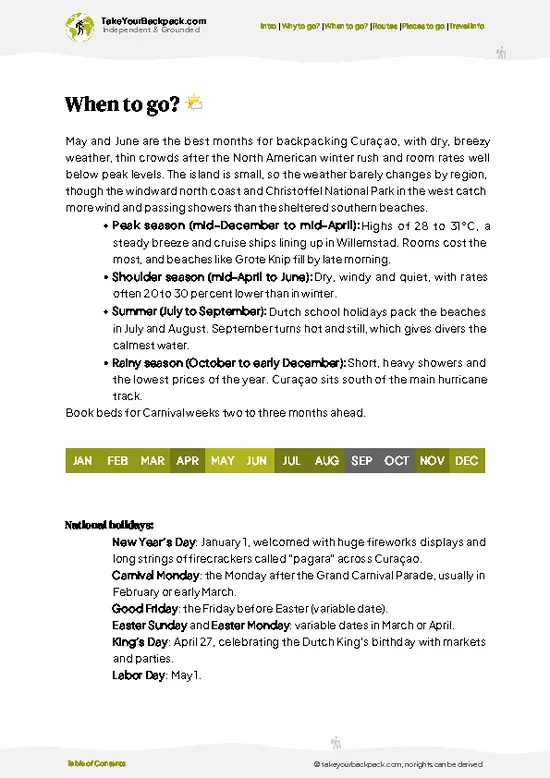
source: climatestotravel.comJANJanuary: highly recommended for travelingFEBFebruary: good for travelingMARMarch: good for travelingAPRApril: highly recommended for travelingMAYMay: excellent for travelingJUNJune: excellent for travelingJULJuly: excellent for travelingAUGAugust: excellent for travelingSEPSeptember: excellent for travelingOCTOctober: fair for travelingNOVNovember: highly recommended for travelingDECDecember: good for traveling
curacao-unique-site-willemstads-floating-market
© Google |

✈️ The backpacker research shortcutCuraçao Travel Guide

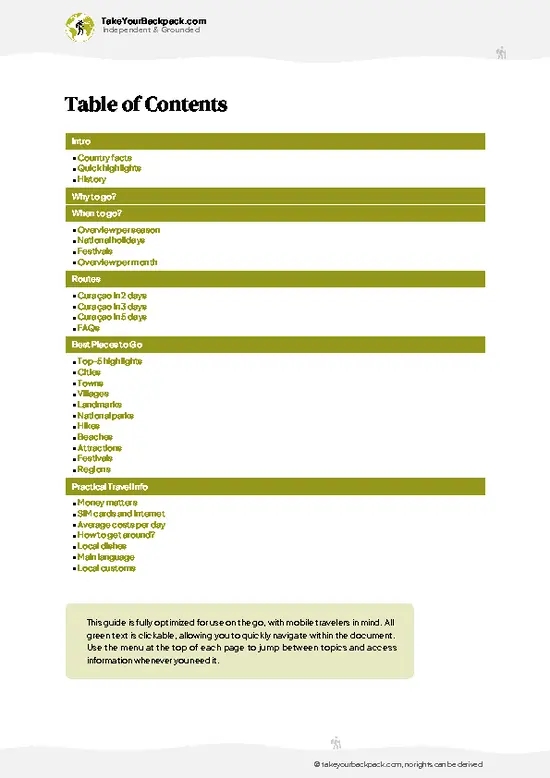
An offline-friendly backpacking guide with optimized travel routes, ranked highlights, transport advice, and the best areas to stay.
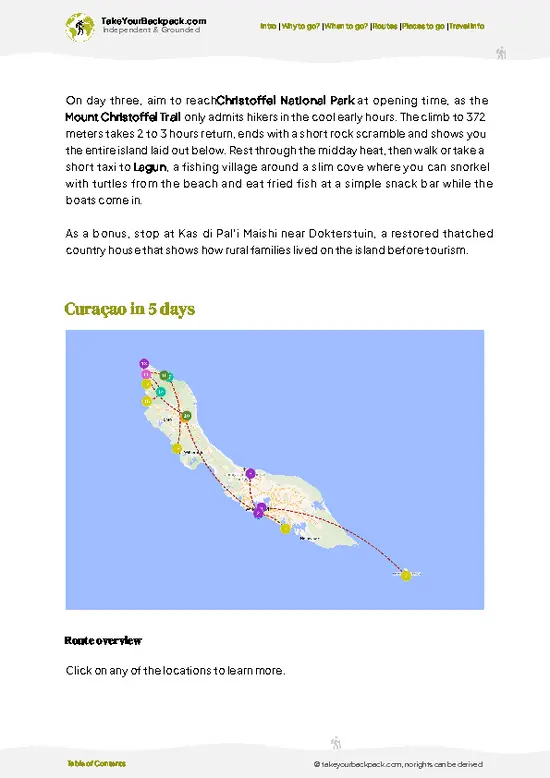
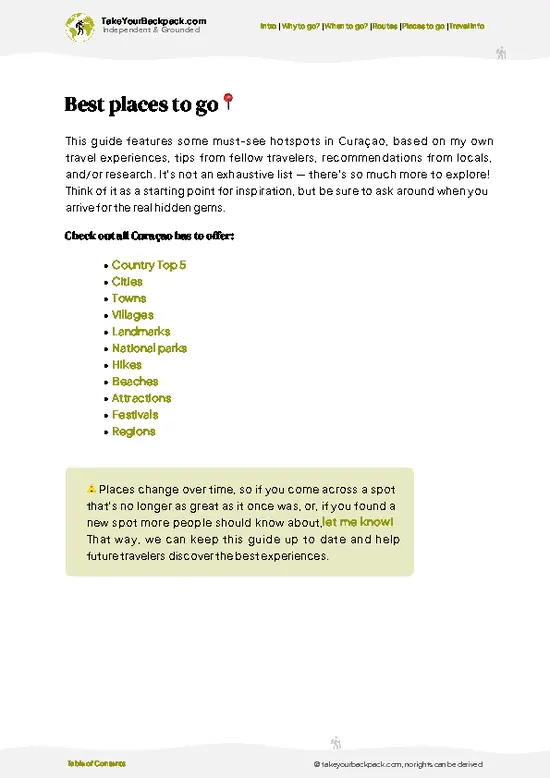
example page 0 from our offline Travel Guide for Curaçao
example page 1 from our offline Travel Guide for Curaçao
example page 2 from our offline Travel Guide for Curaçao
example page 3 from our offline Travel Guide for Curaçao
example page 4 from our offline Travel Guide for Curaçao
example page 5 from our offline Travel Guide for Curaçao
example page 6 from our offline Travel Guide for Curaçao
example page 7 from our offline Travel Guide for Curaçao
The digital guide (158 pages) contains:
40 highlights, ranked by travel appeal
Optimized 2, 3 & 5-day travel routes
Cities, national parks, landmarks, beaches
How to get around
Offline-friendly for travel without Wi-Fi
👉 Click to see all 30+ guide features

📅 Plan smarter in minutes, not weeks
Month by month travel advice
Festivals & national holidays
Budget expectations

🗺️ Go to the right places, skip the overrated ones
Honest pros & cons of destinations
Top hikes, parks & viewpoints
Lesser-known places most travelers miss
Clear “worth it vs skip it” guidance

🛏️ Travel smoothly without rookie mistakes
Best areas to stay
Transport systems explained simply
Common scams & safety advice
SIM cards, money & practical tips

🌍 Understand the country, not just visit it
Culture & traditions
52 Essential phrases & customs
Festivals worth planning around
Traveler-friendly historical context
Insights that make places more meaningful

📱 Built for real travel conditions
Fully downloadable PDF
Works completely offline
Optimized for phone use
Useful in remote areas & buses
Everything in one place
Save weeks of stressful planning
Get instant access to your full guide. 30‑day money-back guarantee.


By proceeding you agree to our terms.
Sent to your inbox immediately after payment • 100% Secure Checkout
Best Backpacking Travel Advisor 2025 tourism awardBest Backpacking
Travel Advisor
2025
What others say about Take Your Backpack Guides:
⭐⭐⭐⭐⭐
Fantastic, amazing amount of information!
⭐⭐⭐⭐⭐
My goodness this is amazing, it's what I've been looking for hats off too you!
⭐⭐⭐⭐⭐
I think this is absolutely BRILLIANT
⭐⭐⭐⭐
Very complete and informative. It's still missing places, but I gotta to commend you
⭐⭐⭐⭐⭐
This is truly amazing, thank you, can't wait to explore it with my kids!
⭐⭐⭐⭐⭐
Awesome resource, thank you!
⭐⭐⭐⭐⭐
This is amazing! Can't wait to explore the ones I haven't seen
⭐⭐⭐⭐
I love this! Well done, great idea.
⭐⭐⭐⭐⭐
Thanks for taking the time to make this gem!
⭐⭐⭐⭐⭐
This might be the best website I've ever seen.
⭐⭐⭐⭐⭐
Congratulations, and thank you so much for your work; it's incredibly valuable.
⭐⭐⭐⭐
In all seriousness I think you did a great job pointing out the important spots
⭐⭐⭐⭐⭐
10/10 very good
⭐⭐⭐⭐⭐
As someone who's only just starting to visit regularly this is awesome, thank you.
⭐⭐⭐⭐
Thank you very much! I'm going to visit my dad, it's going to be very useful!
⭐⭐⭐⭐⭐
This is really cool! We'll be travelling for the first time and this definitely come in handy.
⭐⭐⭐⭐⭐
You are now our minister of culture, congratulations 👨‍💼
⭐⭐⭐⭐⭐
Just wanted to tell you that this is a pearl! Going to follow your recommendations.
⭐⭐⭐⭐⭐
This is so cool. I'll definitely be using the resource for my travels soon.
⭐⭐⭐⭐⭐
This is very impressive! Good work.
⭐⭐⭐⭐⭐
This is an amazing and informative site. Very well done!

🛏️ Where to stay?Best areas to stay in Curaçao

Staying near Willemstad’s Floating Market is all about balancing budget, safety, and social vibes. First up, the Punda district is where the action is. It’s lively, packed with local shops and eateries, and you can practically smell the fresh fish and spices wafting from the market. The streets are bustling, but they’re also well-lit and generally safe, making it a solid choice for solo travelers.

Then there’s Otrobanda, just across the water. This area has a more laid-back feel, with colorful buildings and a rich history. You’ll find a mix of locals and travelers here, which is perfect for striking … read more 👉
Staying near Willemstad’s Floating Market is all about balancing budget, safety, and social vibes. First up, the Punda district is where the action is. It’s lively, packed with local shops and eateries, and you can practically smell the fresh fish and spices wafting from the market. The streets are bustling, but they’re also well-lit and generally safe, making it a solid choice for solo travelers.

Then there’s Otrobanda, just across the water. This area has a more laid-back feel, with colorful buildings and a rich history. You’ll find a mix of locals and travelers here, which is perfect for striking up conversations. Plus, it’s a short walk to the market, so you won’t miss the early morning hustle.

If you’re looking for something a bit quieter, check out the area around Scharloo. It’s a bit off the main tourist path, but that’s where you’ll find some real character. The street art is vibrant, and the local cafes are perfect for chilling after a day of exploring.

No matter where you choose, just remember: the real magic of Willemstad lies in its people and culture, not just the Instagrammable spots. Embrace the chaos, and you’ll find the heart of Curaçao.

👛 Costs (as of 2 July 2026)Travel costs and budget guide for Willemstad’s Floating Market

Visiting Willemstad’s Floating Market in Curaçao can be a vibrant experience, but it’s essential to know what you’re getting into financially.
  • Entry Costs: The market itself is free to enter. You can stroll through the colorful stalls without spending a dime. However, if you want to sample local foods or buy souvenirs, be prepared to spend a bit. Expect to pay around €5-€15 for snacks or small items.
  • Food and Drink: Local vendors offer a variety of dishes. A meal can range from €10 to €20, depending on what you choose. Fresh fish, local stews, and tropical fruits are popular. If you want a drink, budget around €2-€5 for local beers or fresh juices.
  • Transportation: Getting to the market can vary. If you’re staying in Willemstad, a taxi might cost you about €10-€15. Public transport is cheaper,
read more 👉
Visiting Willemstad’s Floating Market in Curaçao can be a vibrant experience, but it’s essential to know what you’re getting into financially.
  • Entry Costs: The market itself is free to enter. You can stroll through the colorful stalls without spending a dime. However, if you want to sample local foods or buy souvenirs, be prepared to spend a bit. Expect to pay around €5-€15 for snacks or small items.
  • Food and Drink: Local vendors offer a variety of dishes. A meal can range from €10 to €20, depending on what you choose. Fresh fish, local stews, and tropical fruits are popular. If you want a drink, budget around €2-€5 for local beers or fresh juices.
  • Transportation: Getting to the market can vary. If you’re staying in Willemstad, a taxi might cost you about €10-€15. Public transport is cheaper, around €2-€3, but it may take longer. Renting a bike is another option, costing about €10 per day.
  • Shopping: If you’re looking to take home some local crafts or produce, prices can range widely. Expect to pay €5-€30 for handmade items. Bargaining is common, so don’t hesitate to negotiate for a better deal.
  • Tips: If you enjoy your experience, tipping is appreciated. A small tip of €1-€2 for food vendors or guides can go a long way in showing your appreciation.

Understanding these costs helps you navigate the market without overspending. Enjoy the authentic flavors and vibrant culture, but keep your budget in check.


source: curacao.com
⚠️ Prices can change and everyone travels differently, so take this as a rough guide. Hope it helps you plan your adventure!

Other Curaçaoan landmarks near Willemstad’s Floating Market

Explore more nearby:


💡 Not sure where to go next?
Create a personalized itinerary for Curaçao including Willemstad’s Floating Market and the places that fit your trip.

Generate my itinerary

👉 Discover all landmarks

Or checkout all Curaçao has to offer (think cities, towns, villages, national parks, hikes, beaches, festivals)
Country photo of Curaçao

We 💚 feedbackSumming up the experience

Willemstad’s Floating Market is a whirlwind of colors and sounds, but don’t let the Instagram hype fool you. Yes, it’s crowded, and yes, the prices can be a bit inflated. But here’s the kicker: the real magic lies in the conversations with the vendors. They’re not just selling; they’re sharing stories of their homeland. Grab a fresh juice and soak in the vibrant atmosphere. Just be ready to navigate the hustle—this isn’t a serene stroll. Embrace the chaos; it’s part of the charm.

✍️ Help improve this page!
The information on this page is based on in-depth research, insights shared by experienced travelers, and feedback from the local travel community in Curaçao. While every effort is made to keep the information accurate and current, conditions can change — so if you spot anything incorrect or outdated, please get in touch.


🙋‍♂️ Give feedback

👋 Meet the founderWho’s Behind Take Your Backpack?

Johan, backpacker and founder of TakeYourBackpackHi, I’m Johan (Netherlands 🇳🇱), the creator of TakeYourBackpack. Over the past decade, I’ve backpacked through 80+ countries across six continents, gaining extensive experience with independent travel, long-term trips, and overland routes.

This site is built on a combination of firsthand travel experience and carefully curated insights from other backpackers. Many guides are based on places I’ve personally visited, while others bring together tips, observations, and practical advice shared by trusted travelers I’ve met along the way.

The goal is to provide realistic, experience-driven guidance — not generic itineraries — so you can explore destinations with better context, clearer expectations, and more confidence.

Get full Curaçao guide •
Instant download • 40 highlights • Full Offline guide