v2.webp)
The Cyclopean Walls
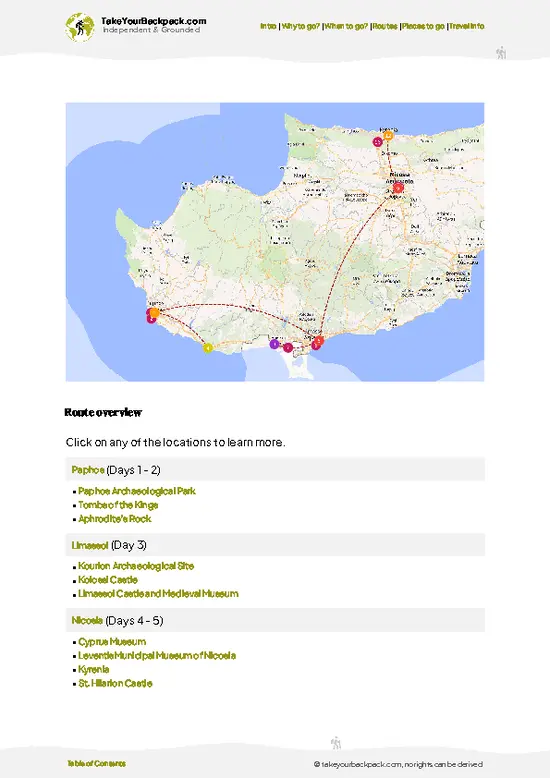
Let’s get real: most people breeze past these massive limestone blocks without a second glance, but they’re the backbone of Kition’s story. These walls are not just old—they’re Bronze Age, built with stones so big you’ll wonder if giants were on the payroll. Forget the Instagram filters; stand next to them and you’ll feel the weight of 3,500 years pressing in. They’re battered, sure, but they’re still standing, and that’s more than you can say for most ancient cities.
The Phoenician Temples
This is where the site stops being just another pile of rocks and starts humming with ancient energy. The temples here aren’t just ruins—they’re the real deal, with altars and courtyards where sacrifices once happened. You can actually see the layout: the sacred enclosures, the stone … read more 👉
Let’s get real: most people breeze past these massive limestone blocks without a second glance, but they’re the backbone of Kition’s story. These walls are not just old—they’re Bronze Age, built with stones so big you’ll wonder if giants were on the payroll. Forget the Instagram filters; stand next to them and you’ll feel the weight of 3,500 years pressing in. They’re battered, sure, but they’re still standing, and that’s more than you can say for most ancient cities.
The Phoenician Temples
This is where the site stops being just another pile of rocks and starts humming with ancient energy. The temples here aren’t just ruins—they’re the real deal, with altars and courtyards where sacrifices once happened. You can actually see the layout: the sacred enclosures, the stone … read more 👉
The Cyclopean Walls
Let’s get real: most people breeze past these massive limestone blocks without a second glance, but they’re the backbone of Kition’s story. These walls are not just old—they’re Bronze Age, built with stones so big you’ll wonder if giants were on the payroll. Forget the Instagram filters; stand next to them and you’ll feel the weight of 3,500 years pressing in. They’re battered, sure, but they’re still standing, and that’s more than you can say for most ancient cities.
The Phoenician Temples
This is where the site stops being just another pile of rocks and starts humming with ancient energy. The temples here aren’t just ruins—they’re the real deal, with altars and courtyards where sacrifices once happened. You can actually see the layout: the sacred enclosures, the stone basins, the places where people came to bargain with their gods. It’s not sanitized or prettified for tourists. You’re walking through the same dust as the priests and pilgrims did 2,800 years ago.
The Industrial Quarter: Ancient Workshops
Most ancient sites show you temples and tombs. Kition gives you the gritty, unglamorous side: the workshops where real work happened. Look for the remnants of copper smelting and pottery kilns. This is where Cyprus earned its ancient reputation for metalwork. You’ll spot slag heaps and furnace bases—actual evidence of the city’s industrial muscle. It’s a rare peek behind the curtain, and it’s messy, raw, and fascinating.
The Mycenaean Tombs
You want drama? The tombs deliver. These aren’t just holes in the ground—they’re stone-built chambers, some still holding the bones and grave goods of Kition’s elite. The grave architecture is classic Mycenaean, with dromos (entrance passages) and beehive-shaped interiors. It’s a direct link to the era of Homeric heroes, and you can stand right at the threshold. No glass cases, no velvet ropes—just you and the ghosts of the Bronze Age.
The Mosaic Floors
You’ll need to hunt for these—no one’s rolling out a red carpet—but that’s half the fun. The mosaics at Kition are subtle, not showy, but they’re some of the oldest in Cyprus. Look for geometric patterns and faded colors that have survived centuries of sun and rain. They’re not here to impress; they’re here because people actually lived and walked on them. If you want a selfie, you’ll have to earn it.
The Unfiltered Atmosphere
Here’s the truth: Kition isn’t polished for mass tourism. There are weeds, stray cats, and the occasional plastic bottle. But that’s exactly why it works. You’re not elbowing through crowds or waiting for a guide to finish their script. You get space to think, to imagine, to feel the grit of history under your boots. If you want a sanitized, airbrushed version of the past, look elsewhere. If you want the real thing—raw, layered, and stubbornly alive—Kition delivers.
Let’s get real: most people breeze past these massive limestone blocks without a second glance, but they’re the backbone of Kition’s story. These walls are not just old—they’re Bronze Age, built with stones so big you’ll wonder if giants were on the payroll. Forget the Instagram filters; stand next to them and you’ll feel the weight of 3,500 years pressing in. They’re battered, sure, but they’re still standing, and that’s more than you can say for most ancient cities.
The Phoenician Temples
This is where the site stops being just another pile of rocks and starts humming with ancient energy. The temples here aren’t just ruins—they’re the real deal, with altars and courtyards where sacrifices once happened. You can actually see the layout: the sacred enclosures, the stone basins, the places where people came to bargain with their gods. It’s not sanitized or prettified for tourists. You’re walking through the same dust as the priests and pilgrims did 2,800 years ago.
The Industrial Quarter: Ancient Workshops
Most ancient sites show you temples and tombs. Kition gives you the gritty, unglamorous side: the workshops where real work happened. Look for the remnants of copper smelting and pottery kilns. This is where Cyprus earned its ancient reputation for metalwork. You’ll spot slag heaps and furnace bases—actual evidence of the city’s industrial muscle. It’s a rare peek behind the curtain, and it’s messy, raw, and fascinating.
The Mycenaean Tombs
You want drama? The tombs deliver. These aren’t just holes in the ground—they’re stone-built chambers, some still holding the bones and grave goods of Kition’s elite. The grave architecture is classic Mycenaean, with dromos (entrance passages) and beehive-shaped interiors. It’s a direct link to the era of Homeric heroes, and you can stand right at the threshold. No glass cases, no velvet ropes—just you and the ghosts of the Bronze Age.
The Mosaic Floors
You’ll need to hunt for these—no one’s rolling out a red carpet—but that’s half the fun. The mosaics at Kition are subtle, not showy, but they’re some of the oldest in Cyprus. Look for geometric patterns and faded colors that have survived centuries of sun and rain. They’re not here to impress; they’re here because people actually lived and walked on them. If you want a selfie, you’ll have to earn it.
The Unfiltered Atmosphere
Here’s the truth: Kition isn’t polished for mass tourism. There are weeds, stray cats, and the occasional plastic bottle. But that’s exactly why it works. You’re not elbowing through crowds or waiting for a guide to finish their script. You get space to think, to imagine, to feel the grit of history under your boots. If you want a sanitized, airbrushed version of the past, look elsewhere. If you want the real thing—raw, layered, and stubbornly alive—Kition delivers.
Spotted a mistake or missing something? Contact us.

FAB Private Customized Tours Cyprus from Larnaca city

wine tasting at your villa

Private Transfer: Larnaca Airport to Larnaca District 1-14 pax

Larnaca Sunset Cruise with Unlimited Beers & Wine

Cyprus Larnaca Airport Private Transfers to Ayia Napa 1-3 Passengers

Meet the Locals of Lefkara and Machairas Mountains

Musan Underwater Park with private Guide- no certification needed

Full Day Tour in Famagusta: The Ghost City

Larnaca Airport To Ayia Napa up to 4 passengers


 Best Backpacking
.jpg) Hi, I’m Johan (Netherlands 🇳🇱), the creator of TakeYourBackpack. Over the past 3 decades, I’ve backpacked through 90+ countries across six continents, gaining extensive experience with independent travel, long-term trips, and overland routes.
Hi, I’m Johan (Netherlands 🇳🇱), the creator of TakeYourBackpack. Over the past 3 decades, I’ve backpacked through 90+ countries across six continents, gaining extensive experience with independent travel, long-term trips, and overland routes.