v2.webp)
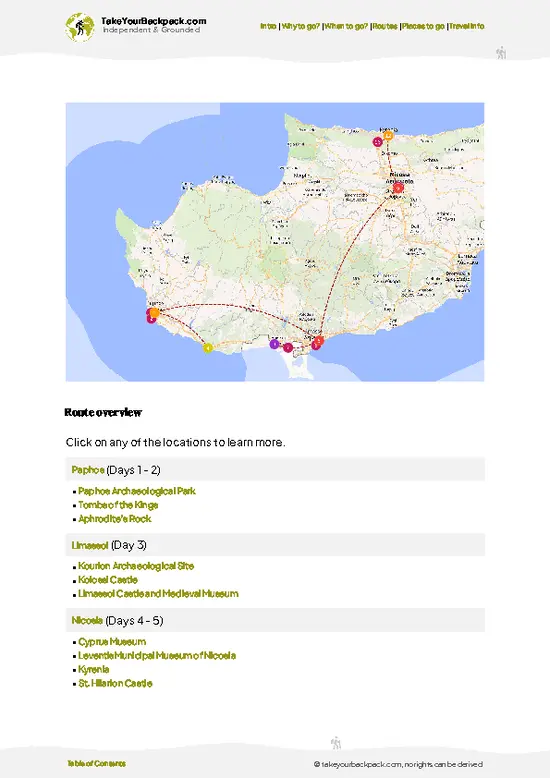
The Rooftop View (and the Real Reason to Climb)
Forget the Instagram shots of the castle’s exterior—everyone gets that same angle. The real payoff is at the top. Climb the stone spiral staircase (yes, it’s a workout, and yes, you’ll feel it in your thighs) and step out onto the rooftop. You’re not just looking at Cyprus; you’re standing where medieval knights once scanned the horizon for invaders. The view is a 360-degree sweep of citrus groves, the shimmer of the Mediterranean, and the sprawl of modern Limassol. It’s not pristine or manicured, but that’s the point. You see the layers of history and daily life colliding in real time. No filter needed—just the wind, the sun, and the sense that you’re somewhere that mattered.
The Sugar Mill Ruins
Most people breeze past the crumbling arches outside, … read more 👉
Forget the Instagram shots of the castle’s exterior—everyone gets that same angle. The real payoff is at the top. Climb the stone spiral staircase (yes, it’s a workout, and yes, you’ll feel it in your thighs) and step out onto the rooftop. You’re not just looking at Cyprus; you’re standing where medieval knights once scanned the horizon for invaders. The view is a 360-degree sweep of citrus groves, the shimmer of the Mediterranean, and the sprawl of modern Limassol. It’s not pristine or manicured, but that’s the point. You see the layers of history and daily life colliding in real time. No filter needed—just the wind, the sun, and the sense that you’re somewhere that mattered.
The Sugar Mill Ruins
Most people breeze past the crumbling arches outside, … read more 👉
The Rooftop View (and the Real Reason to Climb)
Forget the Instagram shots of the castle’s exterior—everyone gets that same angle. The real payoff is at the top. Climb the stone spiral staircase (yes, it’s a workout, and yes, you’ll feel it in your thighs) and step out onto the rooftop. You’re not just looking at Cyprus; you’re standing where medieval knights once scanned the horizon for invaders. The view is a 360-degree sweep of citrus groves, the shimmer of the Mediterranean, and the sprawl of modern Limassol. It’s not pristine or manicured, but that’s the point. You see the layers of history and daily life colliding in real time. No filter needed—just the wind, the sun, and the sense that you’re somewhere that mattered.
The Sugar Mill Ruins
Most people breeze past the crumbling arches outside, but this is where Kolossi’s real economic muscle was flexed. The castle wasn’t just a fortress; it was the headquarters for the island’s medieval sugar industry. Walk among the ruins and you can almost hear the grind of the old mills and the chatter of workers. This isn’t a sanitized museum piece—it’s raw, weathered, and still smells faintly of earth and stone. If you want to understand why this castle was worth defending, stand here and imagine the sweet fortune that once flowed from these fields.
The Graffiti of the Knights
Inside, look for the carved crosses and cryptic symbols scratched into the walls by bored or anxious knights. These aren’t staged artifacts behind glass—they’re the real, desperate doodles of men who spent months (or years) waiting for something to happen. It’s a direct line to the past, more honest than any tour guide’s script. Touch the grooves and you’re literally tracing the fingerprints of history.
The Stark, Echoing Hall
The main hall is a lesson in medieval minimalism. No velvet ropes, no staged furniture—just stone, shadow, and the echo of your own footsteps. It’s not “cozy,” and that’s the thrill. You feel the chill, the draft, the sense of anticipation that must have hung in the air before a siege or a feast. It’s a space that forces you to imagine, not just observe.
The Commandaria Connection
Kolossi Castle is the birthplace of Commandaria, the world’s oldest named wine still in production. This isn’t a touristy tasting room; it’s a living link to a drink that fueled crusaders and kings. The story is better than any souvenir: monks and knights perfecting a sweet, strong wine that outlasted empires. If you’re lucky, you’ll find a local vendor nearby selling a bottle—buy it, and toast to the centuries.
Forget the Instagram shots of the castle’s exterior—everyone gets that same angle. The real payoff is at the top. Climb the stone spiral staircase (yes, it’s a workout, and yes, you’ll feel it in your thighs) and step out onto the rooftop. You’re not just looking at Cyprus; you’re standing where medieval knights once scanned the horizon for invaders. The view is a 360-degree sweep of citrus groves, the shimmer of the Mediterranean, and the sprawl of modern Limassol. It’s not pristine or manicured, but that’s the point. You see the layers of history and daily life colliding in real time. No filter needed—just the wind, the sun, and the sense that you’re somewhere that mattered.
The Sugar Mill Ruins
Most people breeze past the crumbling arches outside, but this is where Kolossi’s real economic muscle was flexed. The castle wasn’t just a fortress; it was the headquarters for the island’s medieval sugar industry. Walk among the ruins and you can almost hear the grind of the old mills and the chatter of workers. This isn’t a sanitized museum piece—it’s raw, weathered, and still smells faintly of earth and stone. If you want to understand why this castle was worth defending, stand here and imagine the sweet fortune that once flowed from these fields.
The Graffiti of the Knights
Inside, look for the carved crosses and cryptic symbols scratched into the walls by bored or anxious knights. These aren’t staged artifacts behind glass—they’re the real, desperate doodles of men who spent months (or years) waiting for something to happen. It’s a direct line to the past, more honest than any tour guide’s script. Touch the grooves and you’re literally tracing the fingerprints of history.
The Stark, Echoing Hall
The main hall is a lesson in medieval minimalism. No velvet ropes, no staged furniture—just stone, shadow, and the echo of your own footsteps. It’s not “cozy,” and that’s the thrill. You feel the chill, the draft, the sense of anticipation that must have hung in the air before a siege or a feast. It’s a space that forces you to imagine, not just observe.
The Commandaria Connection
Kolossi Castle is the birthplace of Commandaria, the world’s oldest named wine still in production. This isn’t a touristy tasting room; it’s a living link to a drink that fueled crusaders and kings. The story is better than any souvenir: monks and knights perfecting a sweet, strong wine that outlasted empires. If you’re lucky, you’ll find a local vendor nearby selling a bottle—buy it, and toast to the centuries.
Spotted a mistake or missing something? Contact us.

Limassol Cruise Terminal Traditional and Modern Cyprus Tour

Pafos - Archaeology & Beauty tour from Limassol

Explore the Wonders of Cyprus from Limassol

Curium, Kolossi & Limassol Discovery – Private Shore Tour

Private Paphos Tour – Kolossi, Aphrodite & Ruins from Limassol


 Best Backpacking
.jpg) Hi, I’m Johan (Netherlands 🇳🇱), the creator of TakeYourBackpack. Over the past 3 decades, I’ve backpacked through 90+ countries across six continents, gaining extensive experience with independent travel, long-term trips, and overland routes.
Hi, I’m Johan (Netherlands 🇳🇱), the creator of TakeYourBackpack. Over the past 3 decades, I’ve backpacked through 90+ countries across six continents, gaining extensive experience with independent travel, long-term trips, and overland routes.