v2.webp)
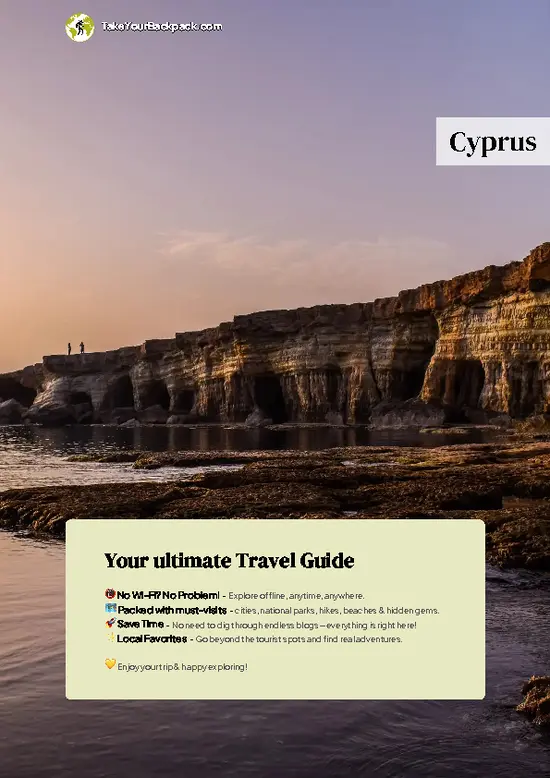
Othello Castle
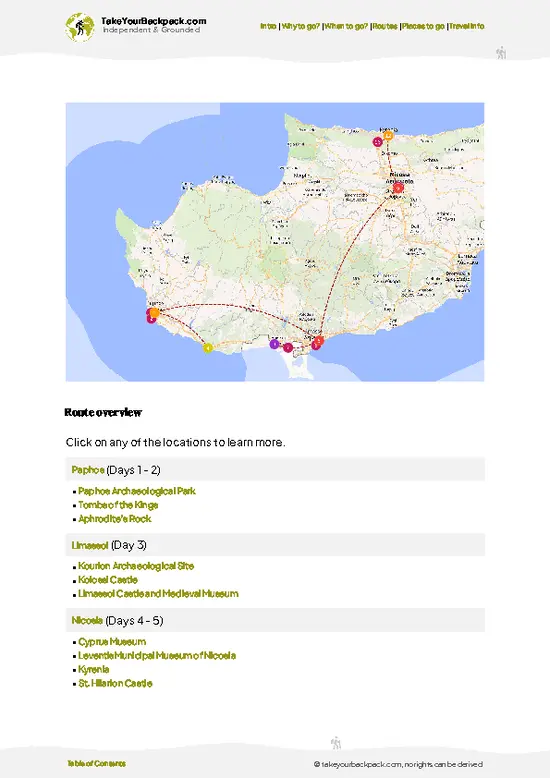
Step through the stone archway and you’re in the thick of Famagusta’s layered history. Othello Castle isn’t just a fortress; it’s a living timeline, from Lusignan knights to Venetian cannons. The air smells faintly of salt and old limestone. Climb the ramparts for a view that’s half Mediterranean blue, half crumbling cityscape. Shakespeare’s name is a tourist hook, but the real drama is in the echo of boots on ancient floors. Go early morning or late afternoon for golden light and fewer crowds. Entry is modest—about €2—and you’ll want at least an hour to wander, longer if you’re the type to read every plaque.
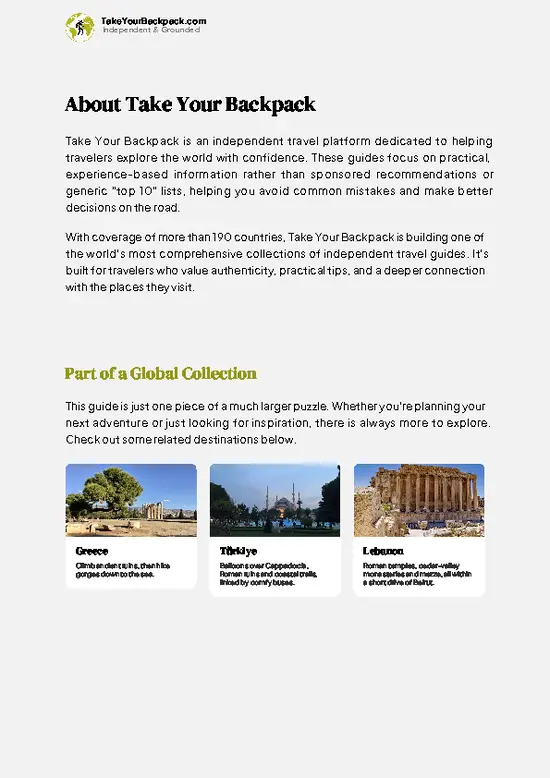
Lala Mustafa Pasha Mosque (St. Nicholas Cathedral)
Gothic spires, Ottoman minaret, and a plaza that hums with local life—this is Famagusta’s soul in stone. The interior … read more 👉
Step through the stone archway and you’re in the thick of Famagusta’s layered history. Othello Castle isn’t just a fortress; it’s a living timeline, from Lusignan knights to Venetian cannons. The air smells faintly of salt and old limestone. Climb the ramparts for a view that’s half Mediterranean blue, half crumbling cityscape. Shakespeare’s name is a tourist hook, but the real drama is in the echo of boots on ancient floors. Go early morning or late afternoon for golden light and fewer crowds. Entry is modest—about €2—and you’ll want at least an hour to wander, longer if you’re the type to read every plaque.
Lala Mustafa Pasha Mosque (St. Nicholas Cathedral)
Gothic spires, Ottoman minaret, and a plaza that hums with local life—this is Famagusta’s soul in stone. The interior … read more 👉
Othello Castle
Step through the stone archway and you’re in the thick of Famagusta’s layered history. Othello Castle isn’t just a fortress; it’s a living timeline, from Lusignan knights to Venetian cannons. The air smells faintly of salt and old limestone. Climb the ramparts for a view that’s half Mediterranean blue, half crumbling cityscape. Shakespeare’s name is a tourist hook, but the real drama is in the echo of boots on ancient floors. Go early morning or late afternoon for golden light and fewer crowds. Entry is modest—about €2—and you’ll want at least an hour to wander, longer if you’re the type to read every plaque.
Lala Mustafa Pasha Mosque (St. Nicholas Cathedral)
Gothic spires, Ottoman minaret, and a plaza that hums with local life—this is Famagusta’s soul in stone. The interior is cool and cavernous, with filtered sunlight painting patterns on centuries-old flagstones. It’s still an active mosque, so dress respectfully. The transformation from cathedral to mosque is visible in every arch and prayer rug. Visit mid-morning for a quieter experience, or at noon when the square outside fills with coffee drinkers and pigeons. Entry is free, but a small donation is appreciated. Thirty minutes is enough for a look, but linger for the atmosphere.
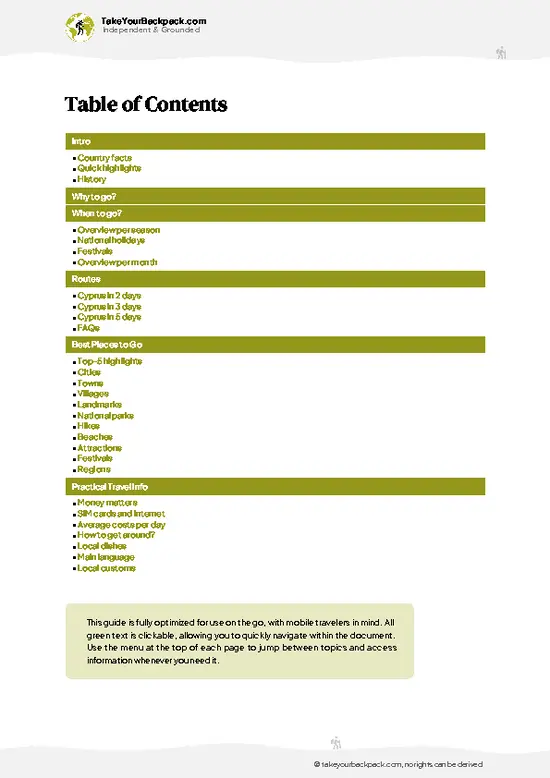
The Venetian Walls
These walls are not just a backdrop—they’re an invitation to walk the city’s edge. The stone is warm under your hand, pitted by centuries of siege and sun. Locals use the ramparts as shortcuts; you’ll use them for the best vantage points over the city and sea. The circuit is about 3.5 km, but you can dip in and out. Early evening is best, when the light softens and the city feels like a secret. Free to explore. Allow an hour if you want the full loop, less if you’re just after the views.
Famagusta Namık Kemal Dungeon and Museum
History here is personal. The cells are cramped and the air is thick, but the story of Namık Kemal—a poet exiled for his words—gives the place gravity. The museum is small but well-curated, with artifacts and panels in both Turkish and English. You’ll leave with a sense of the city’s rebellious streak. Visit in the late morning to avoid school groups. Entry is around €1. Expect to spend 30-45 minutes.
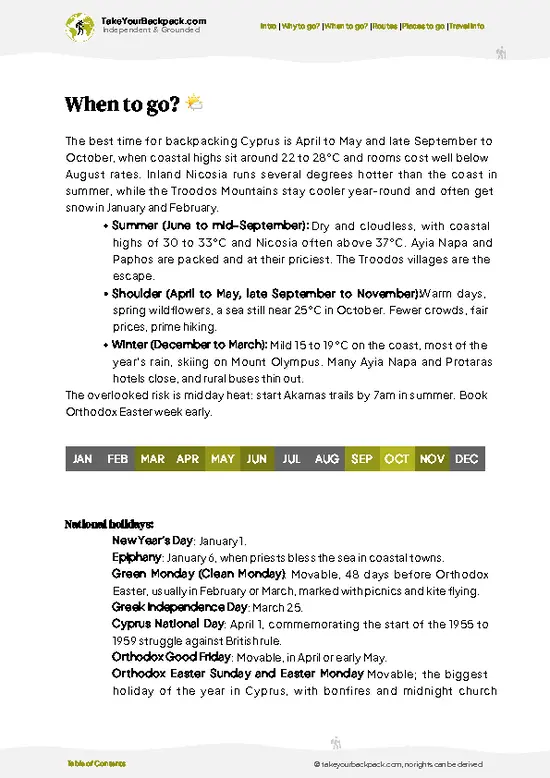
Petek Patisserie
This is where the city’s sweet tooth gathers. Petek is a local institution, not just a café. The scent of syrup and pastry hits you before you see the glass cases stacked with baklava and lokma. Order strong Turkish coffee and something sticky, then claim a table on the terrace. The people-watching is as good as the desserts. Go mid-afternoon for the freshest selection and a lively crowd. Prices are reasonable—€2-€5 for a pastry and coffee. Stay as long as you like; nobody will rush you.
For day trips, the haunting ruins of Varosha, the ancient city of Salamis, and the wild Karpas Peninsula are all within easy reach, each offering a different chapter of Cyprus’s story.
Step through the stone archway and you’re in the thick of Famagusta’s layered history. Othello Castle isn’t just a fortress; it’s a living timeline, from Lusignan knights to Venetian cannons. The air smells faintly of salt and old limestone. Climb the ramparts for a view that’s half Mediterranean blue, half crumbling cityscape. Shakespeare’s name is a tourist hook, but the real drama is in the echo of boots on ancient floors. Go early morning or late afternoon for golden light and fewer crowds. Entry is modest—about €2—and you’ll want at least an hour to wander, longer if you’re the type to read every plaque.
Lala Mustafa Pasha Mosque (St. Nicholas Cathedral)
Gothic spires, Ottoman minaret, and a plaza that hums with local life—this is Famagusta’s soul in stone. The interior is cool and cavernous, with filtered sunlight painting patterns on centuries-old flagstones. It’s still an active mosque, so dress respectfully. The transformation from cathedral to mosque is visible in every arch and prayer rug. Visit mid-morning for a quieter experience, or at noon when the square outside fills with coffee drinkers and pigeons. Entry is free, but a small donation is appreciated. Thirty minutes is enough for a look, but linger for the atmosphere.
The Venetian Walls
These walls are not just a backdrop—they’re an invitation to walk the city’s edge. The stone is warm under your hand, pitted by centuries of siege and sun. Locals use the ramparts as shortcuts; you’ll use them for the best vantage points over the city and sea. The circuit is about 3.5 km, but you can dip in and out. Early evening is best, when the light softens and the city feels like a secret. Free to explore. Allow an hour if you want the full loop, less if you’re just after the views.
Famagusta Namık Kemal Dungeon and Museum
History here is personal. The cells are cramped and the air is thick, but the story of Namık Kemal—a poet exiled for his words—gives the place gravity. The museum is small but well-curated, with artifacts and panels in both Turkish and English. You’ll leave with a sense of the city’s rebellious streak. Visit in the late morning to avoid school groups. Entry is around €1. Expect to spend 30-45 minutes.
Petek Patisserie
This is where the city’s sweet tooth gathers. Petek is a local institution, not just a café. The scent of syrup and pastry hits you before you see the glass cases stacked with baklava and lokma. Order strong Turkish coffee and something sticky, then claim a table on the terrace. The people-watching is as good as the desserts. Go mid-afternoon for the freshest selection and a lively crowd. Prices are reasonable—€2-€5 for a pastry and coffee. Stay as long as you like; nobody will rush you.
For day trips, the haunting ruins of Varosha, the ancient city of Salamis, and the wild Karpas Peninsula are all within easy reach, each offering a different chapter of Cyprus’s story.
Spotted a mistake or missing something? Contact us.

Cpt Marko - Blue Lagoon & Turtle Cruise with Optional Lunch

APHRODITE II -LAZY DAY CRUISE-BLUE LAGOON,TURTLE COVE, with LUNCH

Stardust Variety Dinner Show

Discover Scuba diving at Green bay statues

WaterWorld Themed WaterPark Admission Ticket in Ayia Napa

Caves Jeep Safari from Protaras & Ayia Napa

SCUBA DIVING first time experience

Ghost-Town Famagusta Mini Bus Tour from Protaras and Ayia Napa

Black Pearl Pirate Cruise from Ayia Napa


 Best Backpacking
.jpg) Hi, I’m Johan (Netherlands 🇳🇱), the creator of TakeYourBackpack. Over the past 3 decades, I’ve backpacked through 90+ countries across six continents, gaining extensive experience with independent travel, long-term trips, and overland routes.
Hi, I’m Johan (Netherlands 🇳🇱), the creator of TakeYourBackpack. Over the past 3 decades, I’ve backpacked through 90+ countries across six continents, gaining extensive experience with independent travel, long-term trips, and overland routes.