v2.webp)
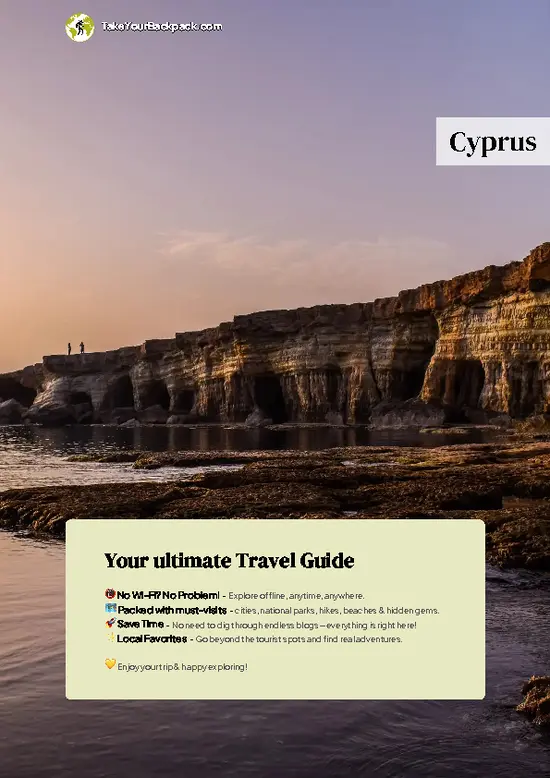
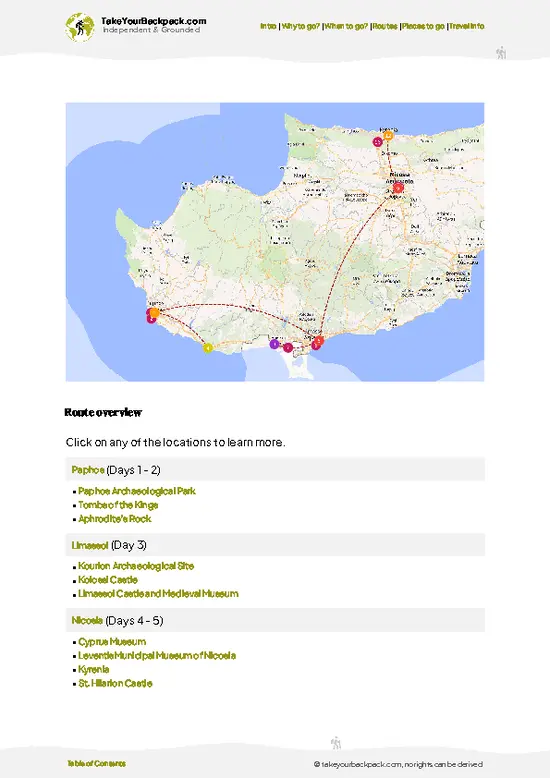
- Paphos Archaeological Park (Kato Paphos) — The big UNESCO-adjacent sweep of ruins along the seafront: Roman villas, an ancient theatre (Odeon), public squares and layers of history you can wander through. Great for getting the scale of how long people have lived and traded here.
- The Mosaics (House of Dionysos, Theseus, Aion) — These are the showstoppers inside the Archaeological Park: brilliantly preserved floor mosaics with myths, hunting scenes and drinks-overflowing Dionysos. Up close you appreciate the detail and why people travel far to see them.
- Tombs of the Kings — A dramatic Hellenistic-Roman necropolis carved into the coastal rock, with long colonnaded corridors and tomb chambers. It feels cinematic walking through the shaded shafts and open courtyards; excellent for photography
- Paphos Archaeological Park (Kato Paphos) — The big UNESCO-adjacent sweep of ruins along the seafront: Roman villas, an ancient theatre (Odeon), public squares and layers of history you can wander through. Great for getting the scale of how long people have lived and traded here.
- The Mosaics (House of Dionysos, Theseus, Aion) — These are the showstoppers inside the Archaeological Park: brilliantly preserved floor mosaics with myths, hunting scenes and drinks-overflowing Dionysos. Up close you appreciate the detail and why people travel far to see them.
- Tombs of the Kings — A dramatic Hellenistic-Roman necropolis carved into the coastal rock, with long colonnaded corridors and tomb chambers. It feels cinematic walking through the shaded shafts and open courtyards; excellent for photography and imagining ancient burial rites.
- Paphos Harbour & Paphos Castle — The harbour is the city’s living room: fishermen, cafés and a compact medieval fort you can climb for sea views. The castle’s simple form is perfect for sunset and people-watching; nearby restaurants make it an easy evening plan.
- Agia Kyriaki Chrysopolitissa Church and Saint Paul’s Pillar — A small, active church sitting beside the ruins of an early Christian basilica and the famous pillar where Saint Paul was said to have been flogged. It’s one of those spots where faith, archaeology and local storytelling collide.
- Byzantine Museum (Bishop’s Palace area) — A compact collection of icons, ecclesiastical objects and fragments from the island’s Byzantine past, set near the picturesque Episcopal ruins. If you like religious art or want context for the churches you’ll see, this is the spot.
- Paphos Archaeological Museum — Small but well-curated: sculptures, pottery and finds from the region that fill in the gaps the open-air sites leave. Perfect when you want artifacts in display cases after seeing the ruins outside.
- Ktima (Paphos Old Town) and the Municipal Market — Narrow streets, local bakeries, kebab spots and small tavernas where locals eat; this is where Paphos feels most authentic. Wander, grab a coffee, poke into secondhand shops and don’t miss the market area for fresh produce and cheap meals.
- Saranta Kolones (Forty Columns) ruins — The fragmentary medieval fortress near the archaeological park—small, wind-blown and atmospheric. It’s a good quick stop to feel the medieval pulse of the harbour area without the crowds.
- Harbour Promenade, Lighthouse and Fishing Quay — A low-key strollable stretch where you can watch local boats, try fresh meze, and catch a real Cypriot sunset off the breakwater. It’s simple, social and one of the best free entertainments in town.
Spotted a mistake or missing something? Contact us.

Cyprus: Mt. Olympus, Troodos Mountains, Monasteries from Paphos

Private Jeep Safari Bath of Aphrodite including Adonis Waterfalls

Akamas National Park & Avakas Gorge Tour from Paphos

Cyprus Food Tour: Old Town of Paphos, Cypriot Dishes and Drinks

Luxury Marinello 22 speedboat

Luxury Private Charter on a Karnic SL800 to Blue Lagoon & more...

Exclusive line 225hp, self drive boat Karnic SL701 8.0m

Scuba Diver Course

Private Segway Tour in Paphos


 Best Backpacking
.jpg) Hi, I’m Johan (Netherlands 🇳🇱), the creator of TakeYourBackpack. Over the past 3 decades, I’ve backpacked through 90+ countries across six continents, gaining extensive experience with independent travel, long-term trips, and overland routes.
Hi, I’m Johan (Netherlands 🇳🇱), the creator of TakeYourBackpack. Over the past 3 decades, I’ve backpacked through 90+ countries across six continents, gaining extensive experience with independent travel, long-term trips, and overland routes.