




1. The Old Jewish Cemetery: A Forest of Stone, Not a Quiet Park
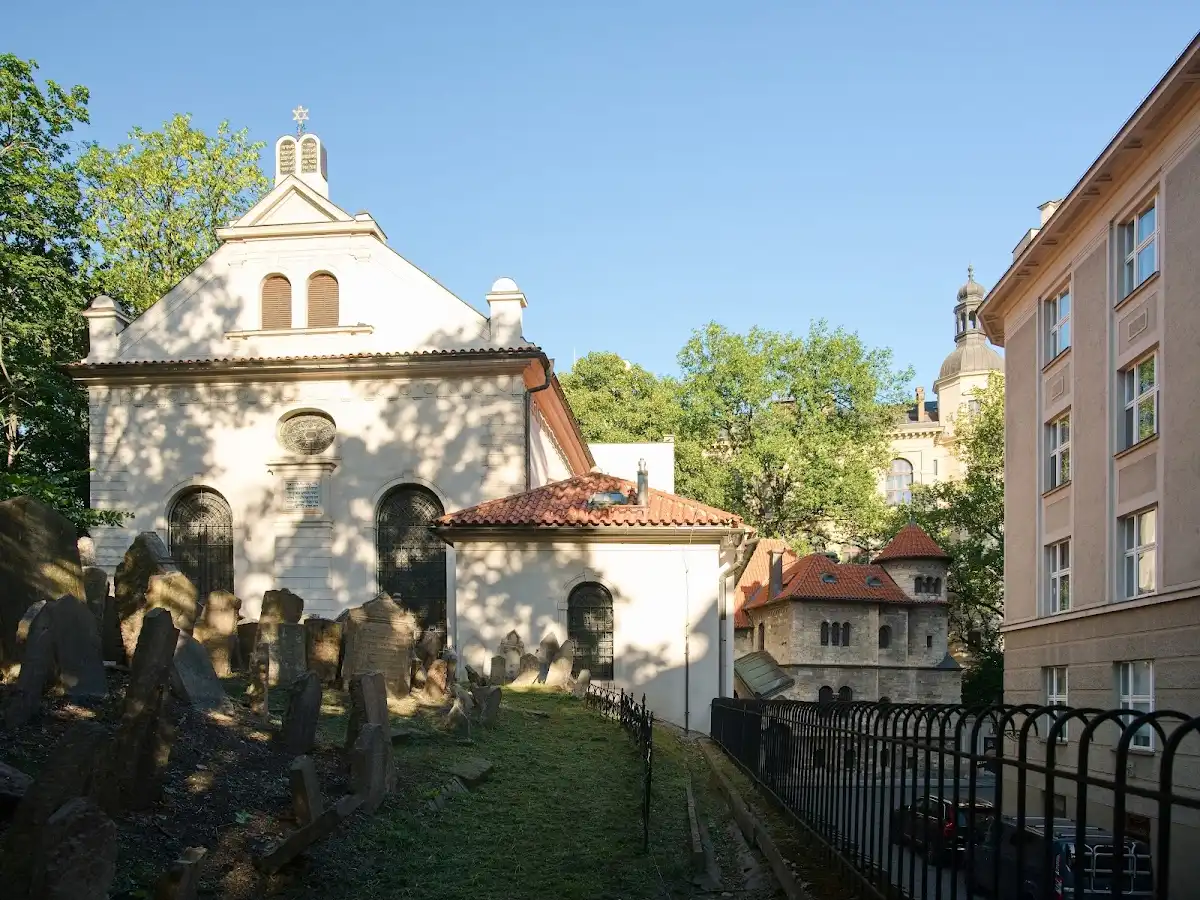
Forget the Instagram shots of mossy, poetic gravestones—this place is a riot of history, not a tranquil garden. Over 12,000 headstones jammed together, layered up to 12 deep because Jews were forbidden to expand their burial ground for centuries. It’s chaotic, a little claustrophobic, and absolutely mesmerizing. You’re not just looking at graves; you’re staring at centuries of resilience, grief, and stubborn hope, all crammed into a city block. The silence here is heavy, but it’s not peaceful—it’s electric with stories. If you want a sanitized, pretty cemetery, look elsewhere. If you want to feel the weight of Prague’s Jewish history in your bones, this is the place.
2. Pinkas Synagogue: Names That Refuse to Disappear
This isn’t … read more 👉
1. The Old Jewish Cemetery: A Forest of Stone, Not a Quiet Park
Forget the Instagram shots of mossy, poetic gravestones—this place is a riot of history, not a tranquil garden. Over 12,000 headstones jammed together, layered up to 12 deep because Jews were forbidden to expand their burial ground for centuries. It’s chaotic, a little claustrophobic, and absolutely mesmerizing. You’re not just looking at graves; you’re staring at centuries of resilience, grief, and stubborn hope, all crammed into a city block. The silence here is heavy, but it’s not peaceful—it’s electric with stories. If you want a sanitized, pretty cemetery, look elsewhere. If you want to feel the weight of Prague’s Jewish history in your bones, this is the place.
2. Pinkas Synagogue: Names That Refuse to Disappear
This isn’t just another old building. The walls are covered—floor to ceiling—with the handwritten names of nearly 80,000 Czech Holocaust victims. It’s not subtle. It’s not easy. You walk in and the names hit you like a tidal wave. No filters, no soft lighting, just the raw, relentless reality of loss. The Pinkas Synagogue is a memorial that doesn’t let you look away. It’s a gut punch, but it’s also a testament to memory and defiance. The children’s drawings from Terezín upstairs will break your heart and then quietly put it back together with their courage.
3. Spanish Synagogue: Moorish Fantasy Meets Prague Grit
You’ve seen synagogues, but you haven’t seen anything like this. The Spanish Synagogue is a fever dream of gold, stained glass, and intricate Moorish patterns—think Alhambra, but with a Central European soul. It’s almost absurdly ornate, but it works. The contrast with the somberness of the rest of the Jewish Quarter is jarring in the best way. The exhibits here focus on modern Jewish history, so you get a sense of continuity, not just tragedy. It’s a reminder that Jewish life in Prague wasn’t just about survival—it was about thriving, creating, and dazzling.
4. Klausen Synagogue: Rituals, Relics, and the Real Stuff
This is where you get your hands dirty with the nuts and bolts of Jewish tradition. The Klausen Synagogue houses a collection of ritual objects—Torah pointers, silver crowns, embroidered mantles—that are anything but dusty museum pieces. The displays are blunt about the restrictions and humiliations Prague’s Jews endured, but they’re also a celebration of ingenuity and faith. You’ll leave with a real sense of how Jewish life was lived, not just how it ended.
5. Ceremonial Hall: Death, Prague-Style
This one’s my personal favorite. The Ceremonial Hall is a brooding, neo-Romanesque building that once housed the Burial Society. Inside, you get a crash course in Jewish burial customs—yes, it’s about death, but it’s also about community, dignity, and the rituals that make life meaningful. The exhibits are refreshingly unsentimental. You’ll see the tools, the robes, the processions. It’s oddly comforting, and a reminder that even in the face of relentless adversity, people found ways to care for each other with grace.
6. Maisel Synagogue: The Rise, Fall, and Reinvention
The Maisel Synagogue is the story of Prague’s Jewish Golden Age—when the community was wealthy, influential, and building big. The exhibits here are heavy on artifacts: silverwork, manuscripts, textiles. But what makes it stand out is the narrative arc. You see the optimism, the setbacks, the constant reinvention. It’s a museum, yes, but it’s also a lesson in how a community can keep reinventing itself, no matter what history throws at it.
Spotted a mistake or missing something? Contact us.

Best of Prague Private Tour with PersonalPragueGuide

photoshoot in prague

Johnny's Prague Photography Tour

PRIVATE 4 Hour Tour: Czech Beers & Tapas in Prague's Local Areas

Prague Photo Tours

Prague Highlights in Half a Day

Prague: Private Old Town Walking Tour with Hotel Pickup

Prague Craft Beer Tour

Cesky Krumlov Private day trip from Prague with Lunch and Castle admission

 Best Backpacking
 Hi, I’m Johan (Netherlands 🇳🇱), the creator of TakeYourBackpack. Over the past 3 decades, I’ve backpacked through 90+ countries across six continents, gaining extensive experience with independent travel, long-term trips, and overland routes.