v2.webp)
- Sedlec Ossuary (Kostnice Sedlec) — A tiny 14th-century chapel in the Sedlec cemetery decorated with artistically arranged human bones; equal parts eerie and oddly beautiful, and an absolute must-see for its uniqueness and photographic oddness.
- Sedlec Abbey (Cistercian monastery complex) — The peaceful abbey grounds around the ossuary, where you can wander cloisters, historic church spaces and the cemetery terraces that tell the story of the town’s medieval religious life and patronage.
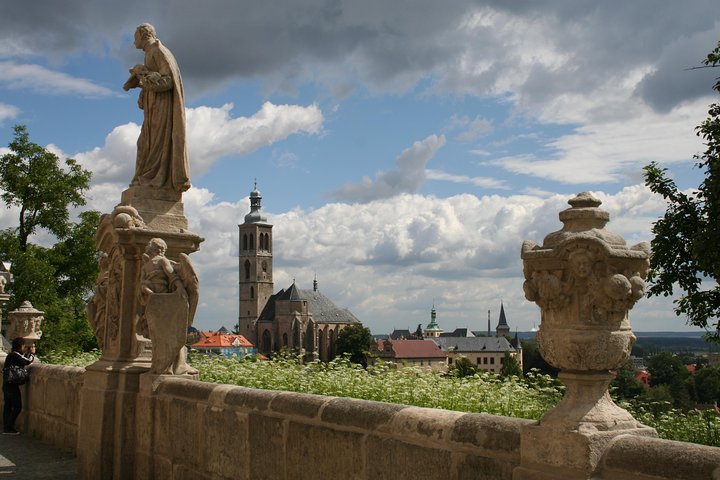
- St. Barbara’s Church (Chrám sv. Barbory) — Kutná Hora’s Gothic showpiece with spectacular vaulting and miners’ frescoes; the scale and detail reflect the town’s silver-mining wealth and standing in medieval Bohemia.
- Italian Court (Vlašský dvůr) — The former royal mint and administrative palace where the
- Sedlec Ossuary (Kostnice Sedlec) — A tiny 14th-century chapel in the Sedlec cemetery decorated with artistically arranged human bones; equal parts eerie and oddly beautiful, and an absolute must-see for its uniqueness and photographic oddness.
- Sedlec Abbey (Cistercian monastery complex) — The peaceful abbey grounds around the ossuary, where you can wander cloisters, historic church spaces and the cemetery terraces that tell the story of the town’s medieval religious life and patronage.
- St. Barbara’s Church (Chrám sv. Barbory) — Kutná Hora’s Gothic showpiece with spectacular vaulting and miners’ frescoes; the scale and detail reflect the town’s silver-mining wealth and standing in medieval Bohemia.
- Italian Court (Vlašský dvůr) — The former royal mint and administrative palace where the Bohemian crown minted silver coins; exhibits and rooms give a clear, tangible feel for the city’s monetary history.
- Medieval Silver Mine (Stříbrné doly) — A hands-on guided tour into an actual mining tunnel where you learn the techniques, smells and claustrophobic realities of medieval miners’ work — great for getting under the skin of Kutná Hora’s industry.
- Kamenný dům (Stone House) — One of the oldest secular stone buildings in town; the compact museum and historic rooms are a nice counterpoint to the churches and explain daily life in medieval Kutná Hora.
- Church of St. James (Kostel sv. Jakuba) — The town’s older parish church with a layered history in stone; quieter than the big sights, it rewards a slower look at local architecture and funerary art.
- Jesuit College (former Jezuitská kolej) — A handsome baroque complex near the main square that now hosts exhibitions and occasional concerts; the courtyard and interior spaces feel very much like town life in the post-medieval era.
- Hrádek (Little Castle and viewpoint) — The small royal castle site and adjacent museum spaces give good views over the town and a sense of Kutná Hora’s defensive and administrative footprint without the crowds.
- Miners’ Quarter and medieval town centre (Barborská street & surroundings) — The tightly packed streets, surviving miners’ houses and street-level workshops are the best way to feel how the silver economy shaped everyday urban life — wander, stop in small cafés and watch the details.
Spotted a mistake or missing something? Contact us.

Day Trip to Kutná Hora by train from Prague

Kutna Hora Day Tour Including Sedlec Ossuary from Prague

Kutna Hora Day Trip from Prague

Kutna Hora Private Day Trip from Prague by Train

Kutná Hora, Bone Church and Folk Village Small Group Day Tour

Prague-Vienna One-Way Sightseeing Day Tour
Half Day Trip to Kutna Hora and Bone Church from Prague

Private Guided Tour Prague to UNESCO Kutna Hora with Transfers

Kutna Hora Private day trip from Prague with lunch, admission and local treat


 Best Backpacking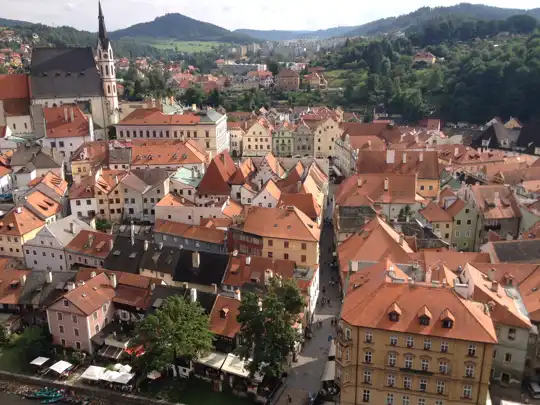
.jpg) Hi, I’m Johan (Netherlands 🇳🇱), the creator of TakeYourBackpack. Over the past 3 decades, I’ve backpacked through 90+ countries across six continents, gaining extensive experience with independent travel, long-term trips, and overland routes.
Hi, I’m Johan (Netherlands 🇳🇱), the creator of TakeYourBackpack. Over the past 3 decades, I’ve backpacked through 90+ countries across six continents, gaining extensive experience with independent travel, long-term trips, and overland routes.