
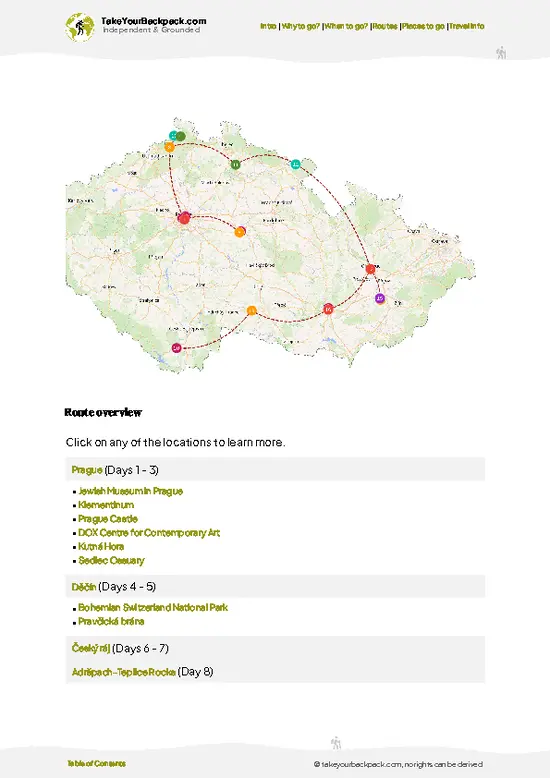
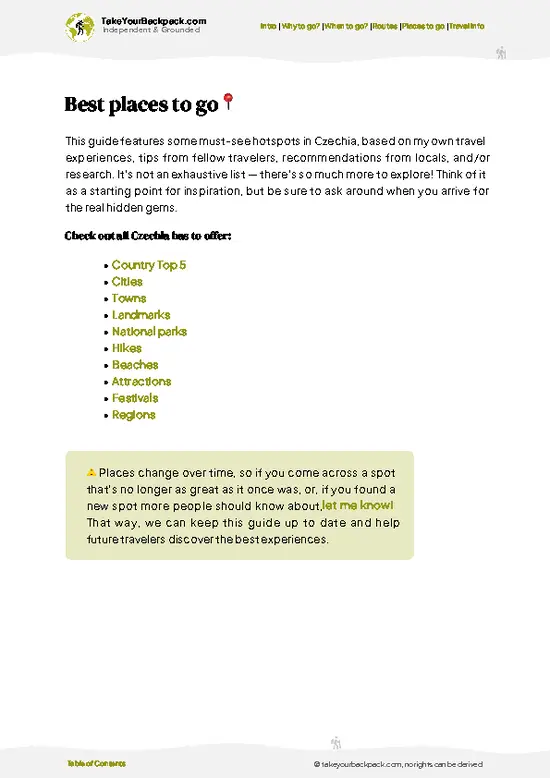
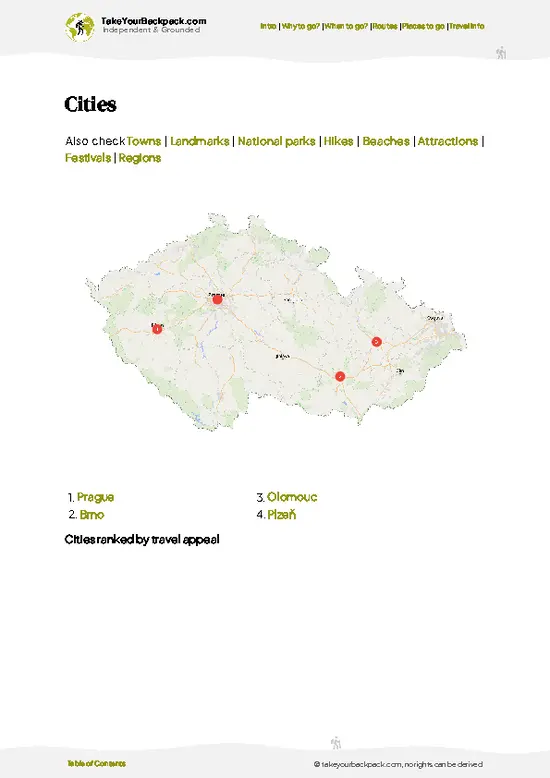

- Kotnov Tower and Castle ruins — climb the medieval stone tower for the best skyline view of Tábor, then poke around the Kotnov hill ruins to feel the town’s defensive, Hussite-era backbone.
- Tábor Underground (Podzemí) — a real network of medieval cellars and passageways under the Old Town; guided tours bring the city’s storage, trade and wartime stories to life—great if you like dim, damp history that actually smells like history.
- Hussite Museum (Muzeum husitství) — the go-to place for understanding Tábor’s founding and the Hussite movement: weapons, documents, and smart exhibits that explain why this little city mattered so much in Czech history.
- Main Square and historic burgher houses — the heart of Tábor: irregular medieval streets, colorful façades, cafés and bakeries squeezed into
- Kotnov Tower and Castle ruins — climb the medieval stone tower for the best skyline view of Tábor, then poke around the Kotnov hill ruins to feel the town’s defensive, Hussite-era backbone.
- Tábor Underground (Podzemí) — a real network of medieval cellars and passageways under the Old Town; guided tours bring the city’s storage, trade and wartime stories to life—great if you like dim, damp history that actually smells like history.
- Hussite Museum (Muzeum husitství) — the go-to place for understanding Tábor’s founding and the Hussite movement: weapons, documents, and smart exhibits that explain why this little city mattered so much in Czech history.
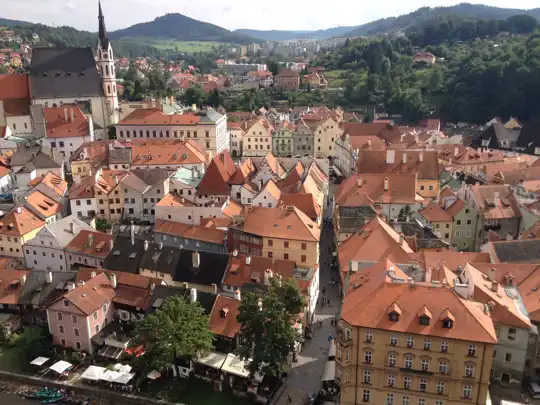
- Main Square and historic burgher houses — the heart of Tábor: irregular medieval streets, colorful façades, cafés and bakeries squeezed into old houses. It’s where the city’s everyday life and layered history meet.
- Church of the Transfiguration on Mount Tábor — the hilltop church and its setting still shape the town’s identity; it’s both a viewpoint and a living piece of the original “Mount Tabor” symbolism the founders loved.
- Bechyňská Gate (Bechyňská brána) — one of the best-preserved city gates/towers; you can climb, photograph the ramparts and imagine merchant carts coming through centuries ago.
- Jeruzalémská street / the biblical quarter — Tábor’s founders named streets after biblical places and tried to build a utopian “New Jerusalem.” Walking these narrow lanes gives you an oddly literal sense of that experiment.
- Lužnice riverbank and Klokoty — easy riverside walks, small bridges, and spots to rent a canoe or just picnic; the river softens the medieval town and is perfect for low-cost downtime.
- Old Town Hall / Town Museum — the historic town hall building houses rotating local exhibits; it’s compact, informative, and a good next-stop after the main square if you want local context without a long museum slog.
- Medieval fortifications and bastions — scattered walls, remnants and lookout spots around the old perimeter; not one big attraction but a series of tangible traces that show how Tábor defended itself and organized public life.
Spotted a mistake or missing something? Contact us.

Český Krumlov Free Tour

Cesky Krumlov Tour 4 hours

Cesky Krumlov Old Town Private Walking Tour

Best of Cesky Krumlov Old Town and Castle Exteriors
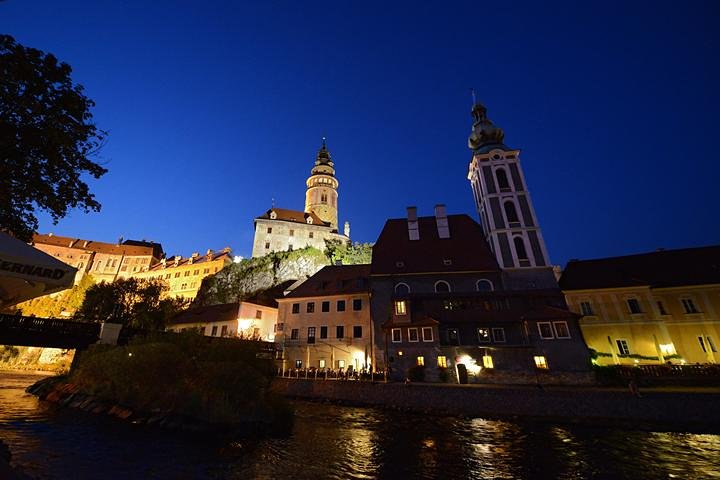
Private evening tour Cesky Krumlov Old Town and Castle area

Cesky Krumlov Scavenger Hunt & Self-Guided Walking Tour

One day trips in the surroundings of Cesky Krumlov

Cesky Krumlov Self Guided Tour From Roses to Rivers and Royals

Krumlov All-inclusive Summer Tour: River Cruise, Castle & Lunch


 Best Backpacking
 Hi, I’m Johan (Netherlands 🇳🇱), the creator of TakeYourBackpack. Over the past 3 decades, I’ve backpacked through 90+ countries across six continents, gaining extensive experience with independent travel, long-term trips, and overland routes.