×

DR Congo🇨🇩 | attractionsJardin Zoologique de Kinshasaurban wildlife, shaded enclosures, family-friendly | things to do and best time to go

Explore Théâtre de Verdure de KinshasaExplore Cathédrale Notre-Dame du Congo

Backpacking in Jardin Zoologique de Kinshasa
🏆 Top pickattraction ranked #4
By Johan Kruseman 🇳🇱 | Updated September 3, 2026

A low, guttural cough cuts through the humid air—close enough that you can smell the musk of earth and animal. A keeper in faded blue overalls tosses a chunk of mango to a chimpanzee, who eyes you with a mix of boredom and ancient wisdom. The city’s chaos hums just beyond the cracked concrete walls, but inside, time feels warped—half-wild, half-forgotten.

Jardin Zoologique de Kinshasa sits right in the heart of Kinshasa, the sprawling capital of DR Congo. Here’s the straight talk: this isn’t a glossy safari park or a polished Instagram backdrop. The zoo is old, rough around the edges, and sometimes heartbreakingly so. But if you’re after raw, unfiltered DR Congo, this place delivers a punch of reality. It’s cheap to enter, rarely crowded, and you’ll see Kinshasa families picnicking alongside faded colonial cages. The wow-factor isn’t about pristine enclosures or rare species—it’s the collision of history, resilience, and the city’s wild pulse. Compared to the country’s headline-grabbing national parks, Jardin Zoologique is gritty, intimate, and absolutely real.

Discover everything you want to know in the 📖 DR Congo Travel Guide.
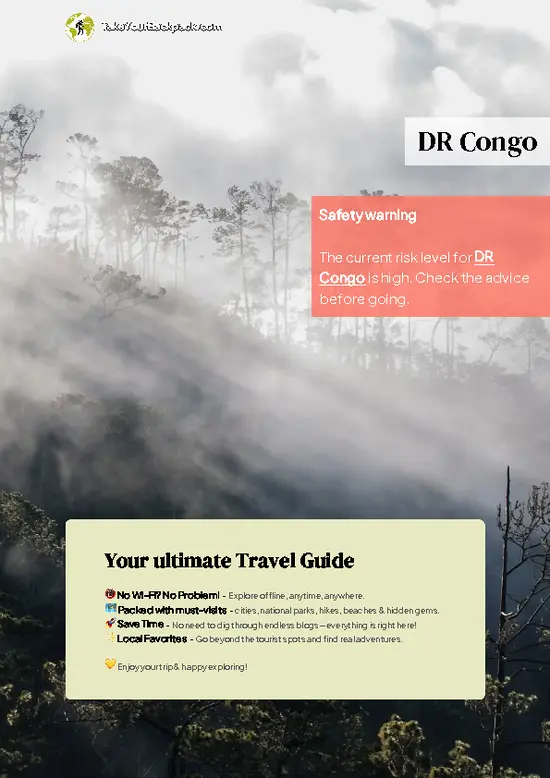
Safety warning

The current risk level for DR Congo is high. Check the advice before going.


Get your DR Congo guide
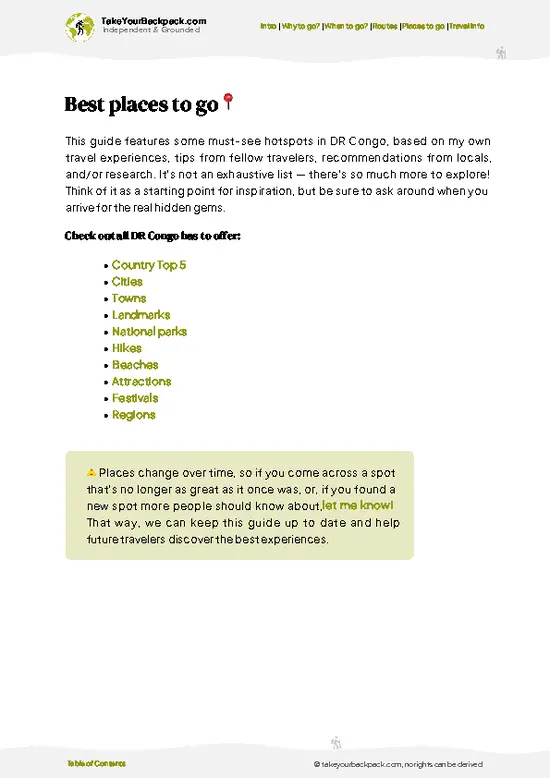
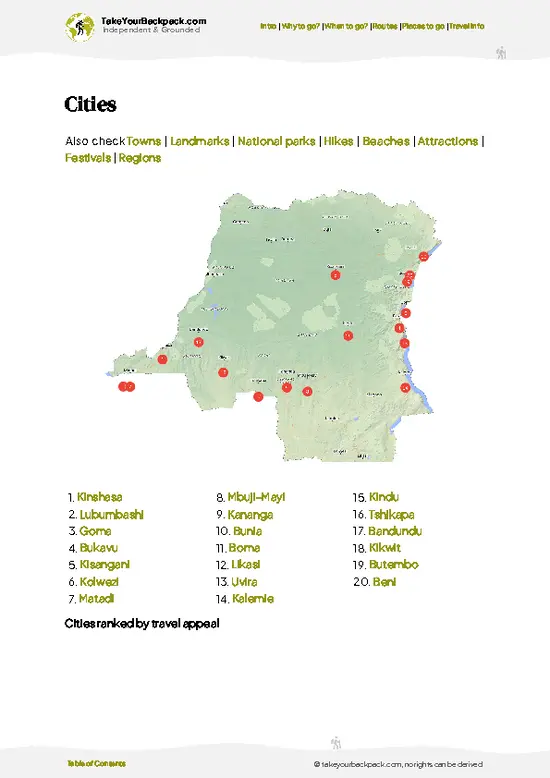
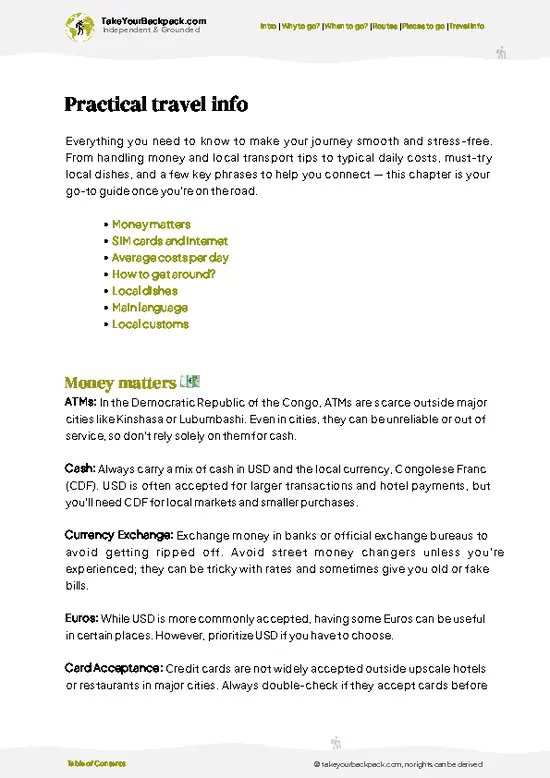
95 ranked highlights, routes & tips, works offline (372 pages)
Loading the map 🌍
CLICK TO FILTER
cities
towns
landmarks
national parks
hikes
beaches
attractions
festivals
regions
SHOW COUNTRY’S BESTSHOW ALL

✨ Why go?
Ranked #4 attraction in DR Congo
Why Jardin Zoologique de Kinshasa should be on your travel list

The Jardin Zoologique de Kinshasa isn’t your typical zoo visit, and that’s exactly why backpackers carve out time for it in DR Congo. Forget the polished, sanitized animal parks you’ve seen elsewhere—this place is raw, gritty, and real. Yes, it’s crowded and the facilities can feel rough around the edges, but that’s part of its unfiltered charm. It’s a living snapshot of DR Congo’s complex relationship with wildlife conservation amid urban chaos. The zoo’s collection includes species you won’t easily spot elsewhere in Africa, making it a rare chance to see iconic Congolese fauna up close. Beyond the animals, the zoo is a cultural touchstone, reflecting decades of history, struggle, and resilience in Kinshasa. For backpackers trekking through DR Congo, it’s a milestone that grounds you in the … read more 👉
The Jardin Zoologique de Kinshasa isn’t your typical zoo visit, and that’s exactly why backpackers carve out time for it in DR Congo. Forget the polished, sanitized animal parks you’ve seen elsewhere—this place is raw, gritty, and real. Yes, it’s crowded and the facilities can feel rough around the edges, but that’s part of its unfiltered charm. It’s a living snapshot of DR Congo’s complex relationship with wildlife conservation amid urban chaos. The zoo’s collection includes species you won’t easily spot elsewhere in Africa, making it a rare chance to see iconic Congolese fauna up close. Beyond the animals, the zoo is a cultural touchstone, reflecting decades of history, struggle, and resilience in Kinshasa. For backpackers trekking through DR Congo, it’s a milestone that grounds you in the country’s reality—far from tourist bubbles. The effort to navigate the city’s traffic and the zoo’s modest entrance fee pay off with an adrenaline rush of authenticity. This isn’t about Instagram-perfect shots; it’s about connecting with a place where nature, history, and urban life collide in a way that’s as challenging as it is unforgettable.
Want to include Jardin Zoologique de Kinshasa in your DR Congo route?
Create a personalized DR Congo itinerary that includes Jardin Zoologique de Kinshasa and the places that fit your trip — based on your travel style, budget, and available time. Get your route in seconds.

Generate my trip

💡 HighlightsEssential experiences to have while visiting Jardin Zoologique de Kinshasa

The Primate Enclosures: Real Encounters, Not Screen Savers
Forget the airbrushed Instagram shots of “wild” gorillas in mist. The primate section here is raw, sometimes chaotic, and absolutely unfiltered. You’ll see chimpanzees and monkeys up close—sometimes heartbreakingly so, as the enclosures are basic and the animals’ personalities are on full display. It’s not a Disney-fied jungle. It’s a front-row seat to the reality of wildlife in DR Congo, where conservation budgets are tight and every animal has a story. If you want to understand the complicated relationship between people and wildlife in Central Africa, this is the place to start. You’ll leave with more questions than answers, and that’s the point.


The Elephant: A Living Relic
There’s usually one elephant, and it’s impossible to … read more 👉
The Primate Enclosures: Real Encounters, Not Screen Savers
Forget the airbrushed Instagram shots of “wild” gorillas in mist. The primate section here is raw, sometimes chaotic, and absolutely unfiltered. You’ll see chimpanzees and monkeys up close—sometimes heartbreakingly so, as the enclosures are basic and the animals’ personalities are on full display. It’s not a Disney-fied jungle. It’s a front-row seat to the reality of wildlife in DR Congo, where conservation budgets are tight and every animal has a story. If you want to understand the complicated relationship between people and wildlife in Central Africa, this is the place to start. You’ll leave with more questions than answers, and that’s the point.


The Elephant: A Living Relic
There’s usually one elephant, and it’s impossible to ignore. This isn’t a herd on a savannah—it’s a single, massive survivor, often pacing or interacting with visitors in ways that are both fascinating and sobering. The experience is intimate, sometimes uncomfortable, and always memorable. You’re not just seeing an elephant; you’re witnessing the legacy of colonial-era zoos and the ongoing struggle to protect Africa’s giants. It’s a reality check, not a postcard.


The Aviary: Congo’s Feathered Drama
Skip the generic “bird house” expectations. The aviary here is a crash course in DR Congo’s wild diversity—parrots, hornbills, and other local birds, often in surprisingly close quarters. The noise is relentless, the colors are real, and the birds’ antics are unscripted. If you’re a birder, you’ll spot species you won’t find in European or American zoos. If you’re not, you’ll still get swept up in the chaos. It’s a sensory overload, and that’s the charm.


The Human Theater: People-Watching, Kinshasa-Style
Here’s the truth: the animals aren’t the only show. The Jardin Zoologique is a social hub for Kinshasa families, school groups, and couples on dates. You’ll see Congolese life in motion—kids shrieking at monkeys, vendors hawking snacks, and teenagers posing for selfies with the lion enclosure in the background. If you want to feel the pulse of Kinshasa, skip the guidebook “must-sees” and just watch the crowd. This is where the city’s personality comes out to play.


The Architecture: Colonial Ghosts and Concrete Realism
The zoo’s bones are old—think faded colonial arches, crumbling animal murals, and a layout that’s more labyrinth than leisure park. It’s not pretty, but it’s honest. Every cracked walkway and peeling sign tells you something about Kinshasa’s past and present. If you’re the type who finds beauty in grit and history, you’ll appreciate the atmosphere. This isn’t a sanitized attraction; it’s a living artifact of DR Congo’s urban story.
Spotted a mistake or missing something? Contact us.
🌤️ When to go?Best time to visit Jardin Zoologique de Kinshasa


  • Weather: The Jardin Zoologique de Kinshasa is best visited during the dry season, which runs from June to September. Expect less mud and fewer rain interruptions. The wet season, from October to May, brings heavy downpours that can turn paths into slippery messes and make animal spotting tougher.

  • Temperature: Temperatures hover around 24-28°C (75-82°F) year-round, but the dry season feels more comfortable with lower humidity. The wet season’s heat combined with humidity can be exhausting, especially if you’re trekking around the zoo.

  • Daylight Hours: DR Congo sits near the equator, so daylight is steady—about 12 hours daily all year. Plan your visit early morning or late afternoon to catch animals when they’re most active and avoid the midday heat.

  • Crowds: The zoo isn’t a major tourist
read more 👉

  • Weather: The Jardin Zoologique de Kinshasa is best visited during the dry season, which runs from June to September. Expect less mud and fewer rain interruptions. The wet season, from October to May, brings heavy downpours that can turn paths into slippery messes and make animal spotting tougher.

  • Temperature: Temperatures hover around 24-28°C (75-82°F) year-round, but the dry season feels more comfortable with lower humidity. The wet season’s heat combined with humidity can be exhausting, especially if you’re trekking around the zoo.

  • Daylight Hours: DR Congo sits near the equator, so daylight is steady—about 12 hours daily all year. Plan your visit early morning or late afternoon to catch animals when they’re most active and avoid the midday heat.

  • Crowds: The zoo isn’t a major tourist magnet, but weekends and local holidays see more families. Visiting on weekdays during the dry season means fewer people and a more personal experience.

  • Seasonal Activities: There are no flashy seasonal events here, but the dry months offer better chances to see animals out and about, especially primates and birds that hide during heavy rains.

  • Price Fluctuations: Entry fees remain stable year-round, but ancillary costs like guides or transport might spike during peak local holidays or weekends.


Pro-tip: Aim for a weekday morning visit between June and September to dodge crowds, dodge mud, and see the zoo at its liveliest.


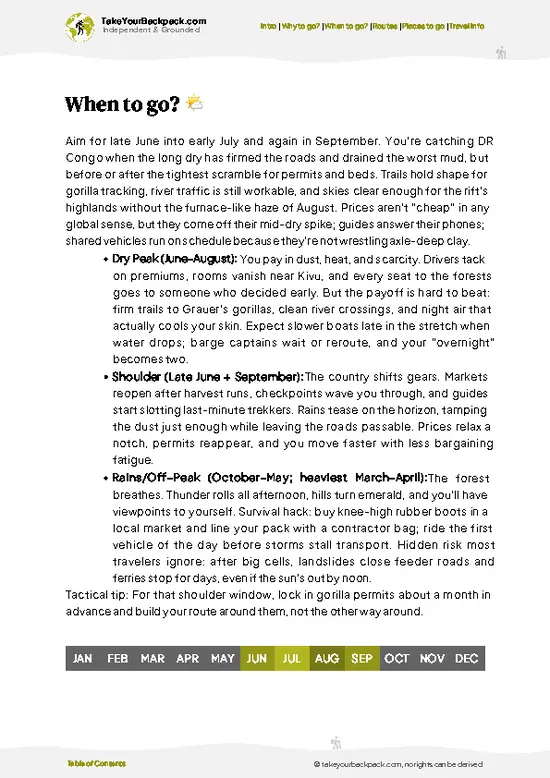
source: climatestotravel.comJANJanuary: fair for travelingFEBFebruary: fair for travelingMARMarch: fair for travelingAPRApril: fair for travelingMAYMay: fair for travelingJUNJune: excellent for travelingJULJuly: excellent for travelingAUGAugust: excellent for travelingSEPSeptember: excellent for travelingOCTOctober: fair for travelingNOVNovember: fair for travelingDECDecember: fair for traveling
democratic-republic-of-the-congo-attraction-jardin-zoologique-de-kinshasa v1
© Google |

✈️ The backpacker research shortcutDR Congo Travel Guide

An offline-friendly backpacking guide with optimized travel routes, ranked highlights, transport advice, and the best areas to stay.
example page 0 from our offline Travel Guide for Democratic Republic of the Congo
example page 1 from our offline Travel Guide for Democratic Republic of the Congo
example page 2 from our offline Travel Guide for Democratic Republic of the Congo
example page 3 from our offline Travel Guide for Democratic Republic of the Congo
example page 4 from our offline Travel Guide for Democratic Republic of the Congo
example page 5 from our offline Travel Guide for Democratic Republic of the Congo
example page 6 from our offline Travel Guide for Democratic Republic of the Congo
example page 7 from our offline Travel Guide for Democratic Republic of the Congo
The digital guide (372 pages) contains:
95 highlights, ranked by travel appeal
Optimized 7, 14 & 21-day travel routes
Cities, national parks, landmarks, beaches
How to get around
Offline-friendly for travel without Wi-Fi
👉 Click to see all 30+ guide features

📅 Plan smarter in minutes, not weeks
Month by month travel advice
Festivals & national holidays
Budget expectations

🗺️ Go to the right places, skip the overrated ones
Honest pros & cons of destinations
Top hikes, parks & viewpoints
Lesser-known places most travelers miss
Clear “worth it vs skip it” guidance

🛏️ Travel smoothly without rookie mistakes
Best areas to stay
Transport systems explained simply
Common scams & safety advice
SIM cards, money & practical tips

🌍 Understand the country, not just visit it
Culture & traditions
52 Essential phrases & customs
Festivals worth planning around
Traveler-friendly historical context
Insights that make places more meaningful

📱 Built for real travel conditions
Fully downloadable PDF
Works completely offline
Optimized for phone use
Useful in remote areas & buses
Everything in one place
Save weeks of stressful planning
Get instant access to your full guide. 30‑day money-back guarantee.
+ Add another guide for just €6.50

By proceeding you agree to our terms.
Sent to your inbox immediately after payment • 100% Secure Checkout
Best Backpacking Travel Advisor 2025 tourism awardBest Backpacking
Travel Advisor
2025
What others say about Take Your Backpack Guides:
⭐⭐⭐⭐⭐
Fantastic, amazing amount of information!
⭐⭐⭐⭐⭐
My goodness this is amazing, it's what I've been looking for hats off too you!
⭐⭐⭐⭐⭐
I think this is absolutely BRILLIANT
⭐⭐⭐⭐
Very complete and informative. It's still missing places, but I gotta to commend you
⭐⭐⭐⭐⭐
This is truly amazing, thank you, can't wait to explore it with my kids!
⭐⭐⭐⭐⭐
Awesome resource, thank you!
⭐⭐⭐⭐⭐
This is amazing! Can't wait to explore the ones I haven't seen
⭐⭐⭐⭐
I love this! Well done, great idea.
⭐⭐⭐⭐⭐
Thanks for taking the time to make this gem!
⭐⭐⭐⭐⭐
This might be the best website I've ever seen.
⭐⭐⭐⭐⭐
Congratulations, and thank you so much for your work; it's incredibly valuable.
⭐⭐⭐⭐
In all seriousness I think you did a great job pointing out the important spots
⭐⭐⭐⭐⭐
10/10 very good
⭐⭐⭐⭐⭐
As someone who's only just starting to visit regularly this is awesome, thank you.
⭐⭐⭐⭐
Thank you very much! I'm going to visit my dad, it's going to be very useful!
⭐⭐⭐⭐⭐
This is really cool! We'll be travelling for the first time and this definitely come in handy.
⭐⭐⭐⭐⭐
You are now our minister of culture, congratulations 👨‍💼
⭐⭐⭐⭐⭐
Just wanted to tell you that this is a pearl! Going to follow your recommendations.
⭐⭐⭐⭐⭐
This is so cool. I'll definitely be using the resource for my travels soon.
⭐⭐⭐⭐⭐
This is very impressive! Good work.
⭐⭐⭐⭐⭐
This is an amazing and informative site. Very well done!

🛏️ Where to stay?How to pick the right area

Let’s cut through the noise: Kinshasa isn’t your typical backpacker hotspot, and the Jardin Zoologique de Kinshasa isn’t a polished safari park. It’s raw, chaotic, and yes, crowded with locals on weekends. The real challenge? Finding a place to stay that doesn’t feel like a gamble with your safety or sanity.

Your best bet is to base yourself in the Gombe district. It’s the city’s diplomatic and business heart, which means it’s relatively secure compared to other parts of Kinshasa. Gombe offers a mix of guesthouses and budget hotels where you’ll find other travelers, expats, and locals who speak … read more 👉
Let’s cut through the noise: Kinshasa isn’t your typical backpacker hotspot, and the Jardin Zoologique de Kinshasa isn’t a polished safari park. It’s raw, chaotic, and yes, crowded with locals on weekends. The real challenge? Finding a place to stay that doesn’t feel like a gamble with your safety or sanity.

Your best bet is to base yourself in the Gombe district. It’s the city’s diplomatic and business heart, which means it’s relatively secure compared to other parts of Kinshasa. Gombe offers a mix of guesthouses and budget hotels where you’ll find other travelers, expats, and locals who speak some English or French. It’s social enough to meet people but not so touristy that you’re stuck in a bubble. Plus, it’s a short taxi ride to the zoo, so you avoid the long, unpredictable commutes that can eat up your day.

Another option is the Ngaliema area, slightly west of Gombe. It’s quieter, with a more residential vibe, and some affordable guesthouses that attract solo travelers looking for a low-key base. The trade-off is fewer social spots, but if you want calm after the zoo’s sensory overload, this is your zone.

Both areas come with the usual DR Congo caveats: watch your belongings, avoid wandering at night, and always use trusted transport. But if you play it smart, these neighborhoods give you a foothold in Kinshasa’s pulse without the chaos swallowing you whole.

👛 Costs (as of 3 September 2026)How expensive it really is

As of the most recent estimates, the entrance fee for Jardin Zoologique de Kinshasa is 2,500 Congolese Francs (approximately €1.25) for local visitors and 5,000 Congolese Francs (approximately €2.50) for foreign visitors. Additional costs may include professional photography services, which are available for 1,000 Congolese Francs (approximately €0.50) per photo. The zoo operates daily from 8:00 AM to 4:00 PM. ([zoodekinshasa.com](https://zoodekinshasa.com/?utm_source=openai))

source: zoodekinshasa.com
⚠️ Prices can change and everyone travels differently, so take this as a rough guide. Hope it helps you plan your adventure!

FAQTraveler FAQ

2 to 3 hours is sufficient to visit Jardin Zoologique de Kinshasa, allowing time to see most animal exhibits and enjoy the park atmosphere.
Yes, Jardin Zoologique de Kinshasa is worth the entrance fee, which is typically low-cost or free for locals, offering a unique chance to see native African wildlife and support conservation efforts.
To get to Jardin Zoologique de Kinshasa, use local taxis or moto-taxis from central Kinshasa; the zoo is located about 10 kilometers from the city center, near the Mont Ngafula area.
⚠️ Things can change over time, so always validate details locally before you go.

Other Congolese attractions near Jardin Zoologique de Kinshasa

Explore more nearby:


💡 Not sure where to go next?
Create a personalized itinerary for DR Congo including Jardin Zoologique de Kinshasa and the places that fit your trip.

Generate my itinerary

👉 Discover all attractions

Or checkout all DR Congo has to offer (think cities, towns, villages, national parks, hikes, beaches, festivals)
Country photo of DR Congo

We 💚 feedbackFinal thoughts on visiting Jardin Zoologique de Kinshasa

The Jardin Zoologique de Kinshasa isn’t your polished, Instagram-perfect zoo. Expect crowds, some rough edges, and a few animals that look like they’ve seen better days. But here’s the kicker: the vibe is raw and real, a window into DR Congo’s wild heart that no sanitized park can match. The surprise? Watching local families connect with creatures you rarely see outside documentaries. It’s not about luxury; it’s about feeling the pulse of a place where nature and city life collide in the most unexpected way.

✍️ Help improve this page!
The information on this page is based on in-depth research, insights shared by experienced travelers, and feedback from the local travel community in DR Congo. While every effort is made to keep the information accurate and current, conditions can change — so if you spot anything incorrect or outdated, please get in touch.


🙋‍♂️ Give feedback

👋 Meet the founderWho’s Behind Take Your Backpack?

Johan, backpacker and founder of TakeYourBackpackHi, I’m Johan (Netherlands 🇳🇱), the creator of TakeYourBackpack. Over the past decade, I’ve backpacked through 80+ countries across six continents, gaining extensive experience with independent travel, long-term trips, and overland routes.

This site is built on a combination of firsthand travel experience and carefully curated insights from other backpackers. Many guides are based on places I’ve personally visited, while others bring together tips, observations, and practical advice shared by trusted travelers I’ve met along the way.

The goal is to provide realistic, experience-driven guidance — not generic itineraries — so you can explore destinations with better context, clearer expectations, and more confidence.

Get full DR Congo guide •
Instant download • 95 highlights • Full Offline guide