
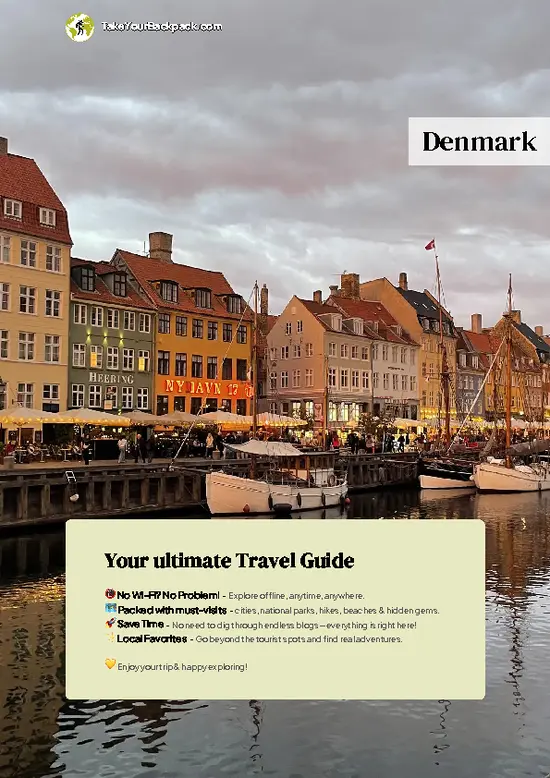

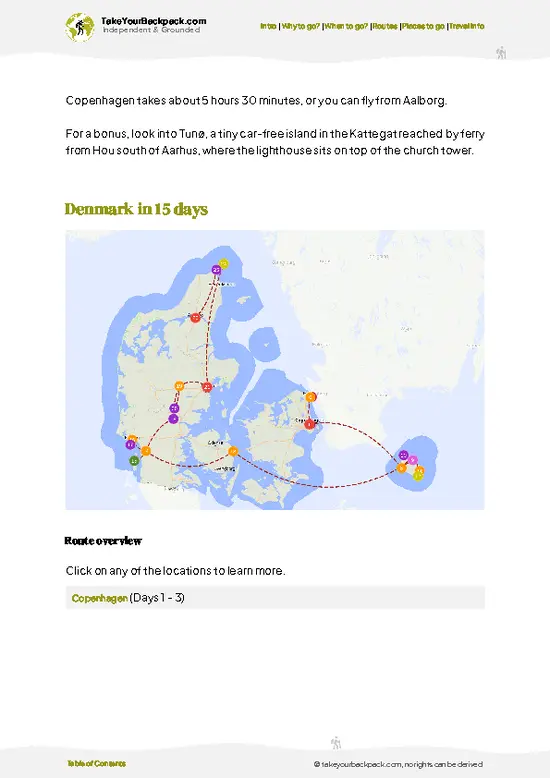
The Royal Reception Rooms
Forget the Instagram shots of empty, echoing halls—these rooms are usually crawling with tour groups and school kids. But here’s the real deal: the Royal Reception Rooms are Denmark’s answer to Versailles, minus the snobbery. The Queen still uses these rooms for state events, and you can feel it in the air. The Great Hall, with its modern tapestries by Bjørn Nørgaard, is a wild, psychedelic retelling of Danish history—think medieval knights, nuclear explosions, and Queen Margrethe herself, all stitched in wool. It’s not just pretty wallpaper; it’s a crash course in Danish identity, delivered with a wink.
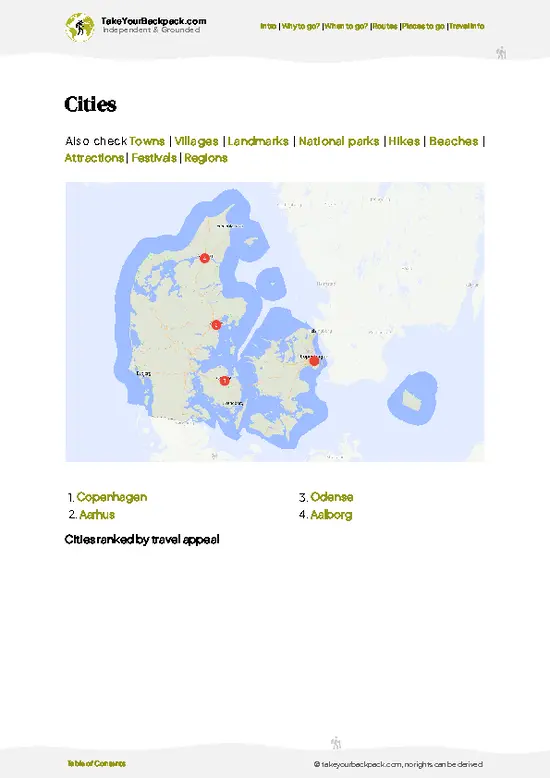
The Tower
Most people come for the view, and yes, you’ll get a panoramic sweep of Copenhagen that’ll make your phone’s storage weep. But the real magic is the contrast: … read more 👉
The Royal Reception Rooms
Forget the Instagram shots of empty, echoing halls—these rooms are usually crawling with tour groups and school kids. But here’s the real deal: the Royal Reception Rooms are Denmark’s answer to Versailles, minus the snobbery. The Queen still uses these rooms for state events, and you can feel it in the air. The Great Hall, with its modern tapestries by Bjørn Nørgaard, is a wild, psychedelic retelling of Danish history—think medieval knights, nuclear explosions, and Queen Margrethe herself, all stitched in wool. It’s not just pretty wallpaper; it’s a crash course in Danish identity, delivered with a wink.
The Tower
Most people come for the view, and yes, you’ll get a panoramic sweep of Copenhagen that’ll make your phone’s storage weep. But the real magic is the contrast: you’re standing in a medieval fortress, looking out over a city that’s constantly reinventing itself. The elevator ride is free (a rare Danish bargain), but expect a line. Go early or late to dodge the crowds. The wind up there is no joke—bring a jacket, or you’ll be shivering through your selfies.
The Royal Stables
This isn’t some dusty afterthought. The stables are still home to the Queen’s white horses, and if you time it right, you’ll see them being groomed or exercised in the yard. The carriages are straight out of a fairy tale, but the real entertainment is watching the staff—these folks are pros, and the horses know it. The smell of hay and leather is the opposite of sterile museum air. It’s a working stable, not a diorama.
The Ruins Under the Palace
This is my personal favorite. Skip the crowds upstairs and head underground, where you’ll find the bones of Copenhagen—literally. The ruins are a mash-up of medieval castle walls, secret passageways, and even the remains of the infamous Blue Tower prison. It’s dark, a little eerie, and totally unscripted. You’ll get a sense of how many times this place has been built, burned, and rebuilt. If you want a break from royal pomp, this is where the real stories live.
The Royal Kitchen
If you’ve ever wondered what it takes to feed a palace full of royals and dignitaries, this is your backstage pass. The kitchen is a time capsule from the 1930s, complete with copper pots big enough to bathe a toddler. The displays are refreshingly honest about the logistics—menus, staff schedules, and the sheer scale of the operation. It’s not glamorous, but it’s fascinating, especially if you like your history with a side of practicality.
The Parliament (Folketinget) Public Galleries
Yes, you can actually sit in on a session of the Danish Parliament. It’s democracy in action, and it’s surprisingly accessible. The debates are in Danish, but the drama is universal—watch for the body language, the eye rolls, the occasional sharp retort. It’s a reminder that this palace isn’t just a relic; it’s the beating heart of Danish politics. If you want to see power up close, this is your ticket.
Spotted a mistake or missing something? Contact us.

Private Walking Grand Tour of Copenhagen

Copenhagen Walking Tour: Politically Incorrect Intro

Social Sailing - Copenhagen Canal Tour - Captain's Favorite

Copenhagen Highlights 3 Hour Bike Tour with local Guide

Walk & Canal Tour: Copenhagen Highlights + Changing of the Guards

Danish Hygge and Culture Walking Tour in Copenhagen Old Town

Segway Tours Copenhagen w. Guide & Concierge Service. 2 Hours+

2 Hour Copenhagen Segway Tour

Copenhagen Walking Tour: Highlights and Hygge w/Lunch


 Best Backpacking
 Hi, I’m Johan (Netherlands 🇳🇱), the creator of TakeYourBackpack. Over the past 3 decades, I’ve backpacked through 90+ countries across six continents, gaining extensive experience with independent travel, long-term trips, and overland routes.