×

Denmark🇩🇰 | best attractionsDiscover the 10 Best attractions Across Denmark

Denmark’s best attractions are defined by a blend of accessible urban culture, coastal landscapes, and historical sites that shift dramatically with the seasons. For backpackers and independent travelers, the choice between Copenhagen’s efficient public transit and the slower pace of Jutland’s rural charms shapes not only your itinerary but your entire experience. Selecting an attraction here means weighing factors like travel ease, local vibe, and budget—summer draws crowds to open-air festivals and beaches, while winter offers quieter museums and cozy cafés. Understanding these regional and seasonal differences is crucial to maximizing cultural immersion without sacrificing comfort or safety.

By Johan Kruseman 🇳🇱 | Updated May 23, 2026
Explore the best festivals in Denmark

Why go?Why These attraction Stand Out

Denmark’s attractions stand out because they reflect a blend of compact geography and layered history, offering a travel experience where time and depth are tightly intertwined. Unlike sprawling countries where reaching key sites demands long journeys, Denmark’s size allows visitors to cover significant cultural ground without sacrificing hours to transit. This means travelers can choose to dive deeply into fewer places or sample broadly with less travel fatigue. However, this compactness also means that the most immersive experiences often require prioritizing quality over quantity—you won’t find endless wilderness or vast, untouched landscapes here, but rather carefully preserved historical sites and thoughtfully designed urban spaces.

The country’s infrastructure supports smooth, reliable … read more 👉
Denmark’s attractions stand out because they reflect a blend of compact geography and layered history, offering a travel experience where time and depth are tightly intertwined. Unlike sprawling countries where reaching key sites demands long journeys, Denmark’s size allows visitors to cover significant cultural ground without sacrificing hours to transit. This means travelers can choose to dive deeply into fewer places or sample broadly with less travel fatigue. However, this compactness also means that the most immersive experiences often require prioritizing quality over quantity—you won’t find endless wilderness or vast, untouched landscapes here, but rather carefully preserved historical sites and thoughtfully designed urban spaces.

The country’s infrastructure supports smooth, reliable travel, especially by bike or train, which enhances accessibility but also imposes a certain pace. Those seeking high comfort might lean on taxis or rental cars, but this comes at a cost and sometimes limits the authentic, slower exploration that Denmark’s attractions reward. The climate, marked by cool, often damp conditions, further shapes how much time you’ll want to spend outdoors versus indoors, influencing the balance between comfort and engagement.

Denmark’s cultural fabric, with its emphasis on design, history, and sustainability, means attractions often require visitors to engage thoughtfully rather than passively consume. This demands a willingness to invest mental energy and time, trading off quick sightseeing for meaningful understanding. In sum, Denmark’s attractions matter because they invite travelers to navigate these trade-offs consciously, choosing experiences that fit their rhythm and priorities rather than chasing quantity or superficial comfort.
Evaluating the Top Choices
The list of best attractions in Denmark is created based on cultural significance or entertainment value. If you feel a attraction is missing in this list, please let us know.

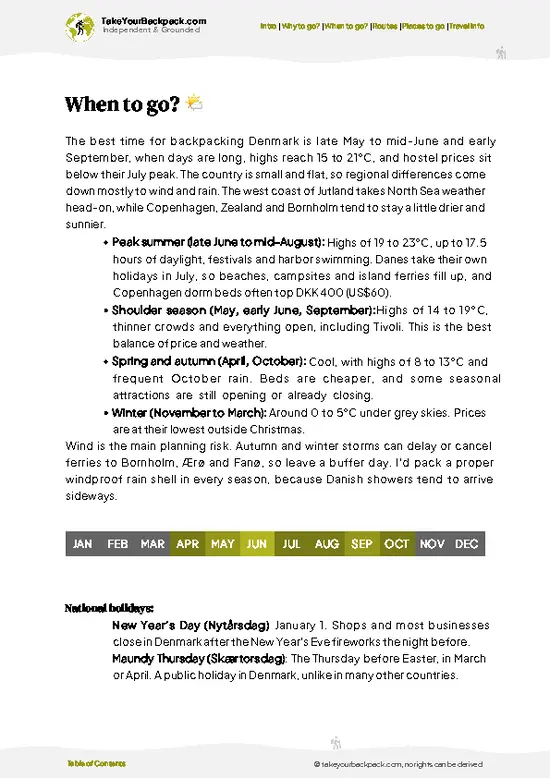
When to go?Optimal Periods for Travel

Seasonal Patterns and Their Impact on Visiting Attractions


Denmark’s climate shapes the experience of its attractions more than you might expect. Winters are cold and dark, with short daylight hours and temperatures often hovering around freezing. This limits outdoor activities and reduces the number of open attractions, especially those dependent on natural settings or seasonal events. Many outdoor museums and gardens close or operate on reduced hours, so winter visits demand a focus on indoor cultural sites or well-heated venues.

Spring and autumn serve as transitional periods with unpredictable weather—sunshine can quickly give way to rain or chilly winds. These shoulder seasons offer fewer crowds and lower prices, but some attractions may still be partially closed or less accessible. … read more 👉

Seasonal Patterns and Their Impact on Visiting Attractions


Denmark’s climate shapes the experience of its attractions more than you might expect. Winters are cold and dark, with short daylight hours and temperatures often hovering around freezing. This limits outdoor activities and reduces the number of open attractions, especially those dependent on natural settings or seasonal events. Many outdoor museums and gardens close or operate on reduced hours, so winter visits demand a focus on indoor cultural sites or well-heated venues.

Spring and autumn serve as transitional periods with unpredictable weather—sunshine can quickly give way to rain or chilly winds. These shoulder seasons offer fewer crowds and lower prices, but some attractions may still be partially closed or less accessible. The trade-off here is between quieter experiences and the risk of less reliable weather, which can affect comfort and the ability to explore extensively outdoors.

Summer brings the most consistent conditions for visiting Denmark’s attractions. Days are long, often stretching into late evening light, and temperatures are mild to warm, rarely extreme. This is when outdoor sites, festivals, and seasonal events are fully operational. However, peak season means higher costs and larger crowds, which can diminish the sense of space and tranquility at popular spots.

Planning a trip around these seasonal rhythms means balancing comfort, cost, and access. Choosing shoulder seasons can save money and avoid crowds but requires flexibility with weather and opening times. Summer guarantees full access and pleasant conditions but at the expense of higher prices and busier venues. Winter demands a shift in focus to indoor experiences and acceptance of limited daylight, trading outdoor exploration for quieter, often more introspective visits.

attraction hoppingOptimizing Your Multi-Stop Itinerary

Efficiently Combining Denmark’s Attractions

Denmark’s compact size invites a logical approach to routing, where regional clusters become the backbone of any itinerary. Start by grouping attractions geographically—Copenhagen and Zealand’s cultural sites, the castles and coastlines of Funen, and the rugged landscapes of Jutland. Moving in a single direction, typically clockwise or counterclockwise, minimizes backtracking and wasted travel time.

Expect to spend at least half a day at major cultural hubs or museums, while natural sites and smaller towns can often be appreciated in a few hours. This pacing balances depth with breadth, avoiding the trap of rushing through highlights without absorbing their character.

Common planning errors include overloading days with too many stops, underestimating … read more 👉

Efficiently Combining Denmark’s Attractions

Denmark’s compact size invites a logical approach to routing, where regional clusters become the backbone of any itinerary. Start by grouping attractions geographically—Copenhagen and Zealand’s cultural sites, the castles and coastlines of Funen, and the rugged landscapes of Jutland. Moving in a single direction, typically clockwise or counterclockwise, minimizes backtracking and wasted travel time.

Expect to spend at least half a day at major cultural hubs or museums, while natural sites and smaller towns can often be appreciated in a few hours. This pacing balances depth with breadth, avoiding the trap of rushing through highlights without absorbing their character.

Common planning errors include overloading days with too many stops, underestimating transit times, and neglecting the slower pace required to truly engage with Denmark’s understated charm. The temptation to tick off every attraction can lead to fatigue and a superficial experience.

Trade-offs are inevitable. Faster travel means less time to savor each place, while lingering longer demands a higher budget for accommodation and meals. Comfort often requires prioritizing fewer stops or choosing direct routes over scenic detours. Effort versus reward hinges on personal priorities—whether the goal is to see as much as possible or to connect meaningfully with fewer sites.

Flexibility is key. Allow room for spontaneous detours or extra time at unexpected favorites. Strategic planning that respects realistic pacing and regional logic ensures a trip that feels both rich and manageable.

The ListMust-Visit attractions in Denmark

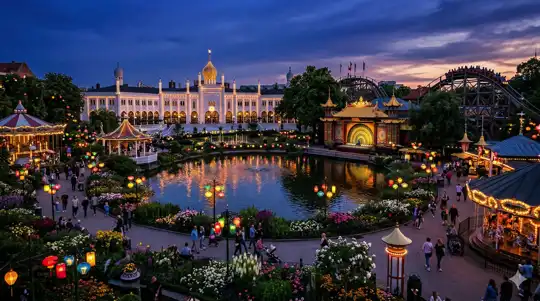
1 Tivoli Gardens

historic amusement park, illuminated pavilions, seasonal events

Ride vintage attractions, enjoy evening light displays, and experience concerts or festivals in a central Copenhagen park dating to 1843.

Denmark - Tivoli Gardens

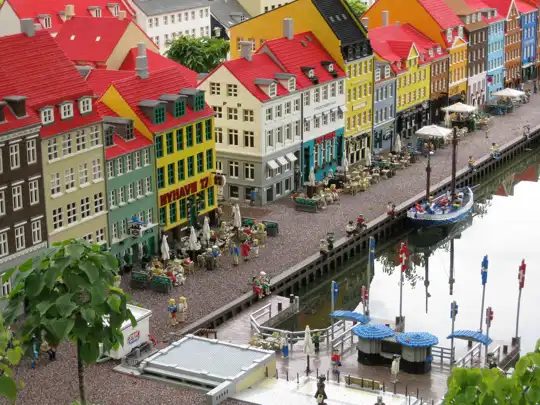
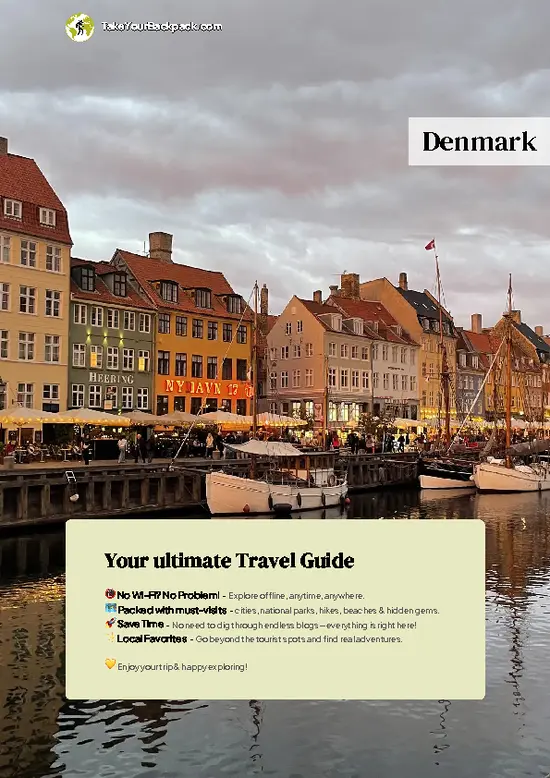
2 Nyhavn Canal District

colorful facades, docked wooden boats, harborside dining

Stroll along the canal, watch historic ships, and sample local seafood at outdoor tables in a lively waterfront neighborhood.

denmark-attraction-nyhavn-canal-district
© Google |

3 Kronborg Castle

moat fortress, Renaissance halls, Shakespearean history

Walk through echoing chambers and ramparts of the castle that inspired Hamlet, with sweeping views across the Øresund Strait.

4 Legoland Billund

brick-built miniatures, themed rides, family attractions

Navigate a world constructed from millions of LEGO bricks, ride coasters, and discover playful zones designed for all ages.

Denmark - Legoland Billund

5 Louisiana Museum of Modern Art

sculpture park, seaside architecture, rotating exhibitions

Wander through galleries and outdoor installations set against the Øresund coast, blending modern art with natural surroundings.

denmark-attraction-louisiana-museum-of-modern-art
© Google |

6 ARoS Aarhus Art Museum

panoramic rainbow walkway, contemporary installations, rooftop views

Ascend through immersive galleries and end with a walk inside a circular glass panorama overlooking Aarhus and the surrounding landscape.

7 Den Gamle By

open-air museum, period streets, costumed interpreters

Step into recreated Danish towns from different centuries, interact with staff in period dress, and observe daily life from past eras.

denmark-attraction-den-gamle-by
© Google |

8 Rosenborg Castle

royal regalia, Renaissance interiors, manicured gardens

View Denmark’s crown jewels and explore ornate rooms filled with royal artifacts, surrounded by tranquil parkland in central Copenhagen.

denmark-attraction-rosenborg-castle
© Google |

9 National Museum of Denmark

Viking artifacts, ethnographic collections, Danish history

Trace Denmark’s story from prehistory to present through archaeological finds, folk culture, and global exhibits in a central Copenhagen setting.

denmark-attraction-national-museum-of-denmark v1
© Google |

10 The LEGO House

creative play zones, interactive brick experiences, architectural design

Build, experiment, and explore themed zones that encourage hands-on creativity in a space designed entirely around the LEGO concept.

denmark-attraction-the-lego-house
© Google |

11 Christiansborg Palace

royal reception rooms, tower panorama, parliamentary chambers

Tour state rooms, climb the tower for city vistas, and see where Danish government and monarchy intersect in a single complex.

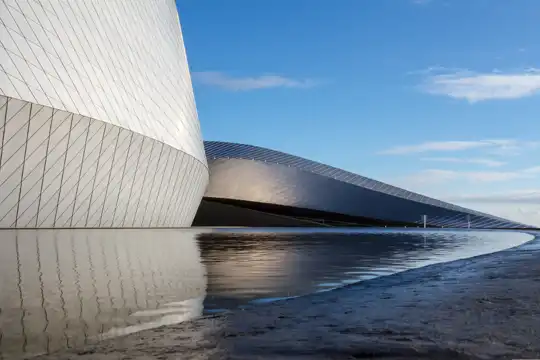
12 The Blue Planet

aquatic tunnels, marine habitats, oceanic displays

Walk beneath swirling schools of fish and observe aquatic life from Nordic rivers to tropical reefs in Denmark’s largest aquarium.

Denmark - The Blue Planet

13 Experimentarium

interactive science exhibits, hands-on experiments, family activities

Engage with tactile displays and creative installations that invite visitors of all ages to explore scientific concepts through direct participation.

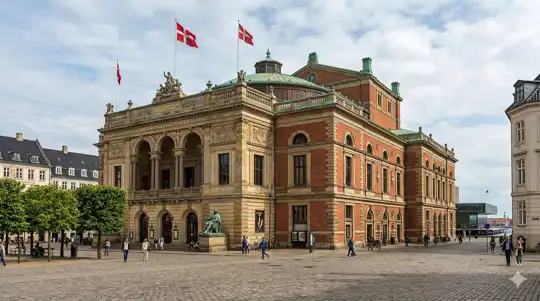
14 Royal Danish Theatre

opera house, ballet performances, classical concerts

Attend a live performance in one of Denmark’s premier venues, known for its acoustics and diverse repertoire across multiple stages.

Denmark - Royal Danish Theatre

Think you know Denmark?

Prove you’re a true local — uncover 4 lesser-known attractions in Denmark that locals tend to keep to themselves.
Loading the map 🌍

Expert viewTips and Advice from Travelers

Time

Denmark’s compact size is a blessing and a curse when it comes to attractions. You can technically cover a lot in a few days, but the real question is how deeply you want to engage. Trying to cram more than three or four major sites into a short trip often means skimming the surface—rushing through museums or parks without soaking in the atmosphere. The trade-off here is between quantity and quality. If you’re the type who thrives on ticking boxes, expect to sacrifice the slower, more reflective moments that make a visit memorable. On the other hand, focusing on fewer attractions allows you to appreciate local nuances, like the subtle shifts in architecture or the rhythm of daily life. Factor in travel time between sites, which, while generally manageable, can eat into your schedule … read more 👉

Time

Denmark’s compact size is a blessing and a curse when it comes to attractions. You can technically cover a lot in a few days, but the real question is how deeply you want to engage. Trying to cram more than three or four major sites into a short trip often means skimming the surface—rushing through museums or parks without soaking in the atmosphere. The trade-off here is between quantity and quality. If you’re the type who thrives on ticking boxes, expect to sacrifice the slower, more reflective moments that make a visit memorable. On the other hand, focusing on fewer attractions allows you to appreciate local nuances, like the subtle shifts in architecture or the rhythm of daily life. Factor in travel time between sites, which, while generally manageable, can eat into your schedule if you rely on public transport during off-peak hours or weekends. Planning realistically means accepting that a handful of well-chosen stops will yield a richer experience than a checklist approach.

Money

Denmark isn’t a budget destination by any stretch, but it’s not about splurging on every attraction either. Entrance fees vary widely, and some of the most rewarding experiences come with a modest price or even free access. The real cost lies in how you choose to move between attractions and where you eat. Public transport is reliable but can add up if you’re hopping frequently; renting a bike or car introduces upfront costs but offers flexibility and can save time. The trade-off here is between convenience and cost-efficiency. If you’re on a tighter budget, prioritize attractions that offer free or low-cost entry and plan your route to minimize transport expenses. Conversely, if comfort and speed matter more, be ready to pay a premium for taxis or guided tours. Remember, spending more doesn’t guarantee a better experience—sometimes a simple stroll through a less touristy neighborhood reveals more about Danish culture than a pricey ticketed site.

Comfort

Comfort in Denmark’s attractions is often about managing expectations around crowds and weather. Peak tourist seasons bring busy sites where you’ll stand in lines and navigate crowded spaces, which can drain your energy and patience. Off-season visits offer a quieter, more intimate experience but come with shorter daylight hours and the possibility of rain or wind. The trade-off is clear: do you prioritize comfort in terms of crowd avoidance and weather, or do you accept some discomfort to access attractions at their liveliest? Infrastructure is generally excellent, with good signage and accessible facilities, but rural or less-visited spots might require more walking or uneven terrain, which can be a factor if you’re carrying heavy gear or have mobility concerns. Planning for comfort means balancing your tolerance for these variables against what you want to see and do.

Planning and Prioritizing

Given these trade-offs, I recommend selecting no more than three to five key attractions for a typical trip. This range strikes a balance between immersion and variety without overwhelming your schedule or budget. Prioritize based on what resonates with your interests—whether that’s history, design, nature, or local life—and consider how each site fits into your overall route to minimize backtracking. Denmark’s regional differences matter: the cultural vibe and pace can shift noticeably from one area to another, so cluster your visits geographically when possible. Also, factor in downtime; Danish culture values balance, and you’ll get more out of your trip if you leave space to relax in a café or wander a neighborhood without a strict agenda. Safety-wise, Denmark is one of the safest countries in Europe, but standard travel caution applies, especially in crowded tourist spots where pickpocketing can occur. Respect local customs—Danes appreciate straightforwardness and quiet respect in public spaces.

Final Thought

The key to a high-value trip in Denmark is conscious trade-offs. You can’t have it all—speed, low cost, and maximum comfort rarely align perfectly. Instead, decide what matters most to you and plan accordingly. A slower pace with fewer stops often reveals the country’s character better than a frantic dash through every attraction. The payoff is a trip that feels genuinely yours, not just a series of checked boxes.

✈️ The backpacker research shortcutDenmark Travel Guide

An offline-friendly backpacking guide with optimized travel routes, ranked highlights, transport advice, and the best areas to stay.
example page 0 from our offline Travel Guide for Denmarkexample page 1 from our offline Travel Guide for Denmarkexample page 2 from our offline Travel Guide for Denmarkexample page 3 from our offline Travel Guide for Denmarkexample page 4 from our offline Travel Guide for Denmarkexample page 5 from our offline Travel Guide for Denmarkexample page 6 from our offline Travel Guide for Denmarkexample page 7 from our offline Travel Guide for Denmark
The digital guide (385 pages) contains:
106 highlights, ranked by travel appeal
Optimized 5, 10 & 15-day travel routes
Cities, national parks, beaches, historical sites, ...
How to get around
Offline-friendly for travel without Wi-Fi
👉 Click to see all 30+ guide features

📅 Plan smarter in minutes, not weeks
Month by month travel advice
Festivals & national holidays
Budget expectations

🗺️ Go to the right places, skip the overrated ones
Honest pros & cons of destinations
Top hikes, parks & viewpoints
Lesser-known places most travelers miss
Clear “worth it vs skip it” guidance

🛏️ Travel smoothly without rookie mistakes
Best areas to stay
Transport systems explained simply
Common scams & safety advice
SIM cards, money & practical tips

🌍 Understand the country, not just visit it
Culture & traditions
52 Essential phrases & customs
Festivals worth planning around
Traveler-friendly historical context
Insights that make places more meaningful

📱 Built for real travel conditions
Fully downloadable PDF
Works completely offline
Optimized for phone use
Useful in remote areas & buses
Everything in one place
Save weeks of stressful planning
Get instant access to the full guide directly. 30-day money-back guarantee.


Sent to your inbox immediately after payment • 100% Secure Checkout
Best Backpacking Travel Advisor 2025 tourism awardBest Backpacking
Travel Advisor
2025
What others say about Take Your Backpack Guides:
⭐⭐⭐⭐⭐
Fantastic, amazing amount of information!
⭐⭐⭐⭐⭐
My goodness this is amazing, it's what I've been looking for hats off too you!
⭐⭐⭐⭐⭐
I think this is absolutely BRILLIANT
⭐⭐⭐⭐
Very complete and informative. It's still missing places, but I gotta to commend you
⭐⭐⭐⭐⭐
This is truly amazing, thank you, can't wait to explore it with my kids!
⭐⭐⭐⭐⭐
Awesome resource, thank you!
⭐⭐⭐⭐⭐
This is amazing! Can't wait to explore the ones I haven't seen
⭐⭐⭐⭐
I love this! Well done, great idea.
⭐⭐⭐⭐⭐
Thanks for taking the time to make this gem!
⭐⭐⭐⭐⭐
This might be the best website I've ever seen.
⭐⭐⭐⭐⭐
Congratulations, and thank you so much for your work; it's incredibly valuable.
⭐⭐⭐⭐
In all seriousness I think you did a great job pointing out the important spots
⭐⭐⭐⭐⭐
10/10 very good
⭐⭐⭐⭐⭐
As someone who's only just starting to visit regularly this is awesome, thank you.
⭐⭐⭐⭐
Thank you very much! I'm going to visit my dad, it's going to be very useful!
⭐⭐⭐⭐⭐
This is really cool! We'll be travelling for the first time and this definitely come in handy.
⭐⭐⭐⭐⭐
You are now our minister of culture, congratulations 👨‍💼
⭐⭐⭐⭐⭐
Just wanted to tell you that this is a pearl! Going to follow your recommendations.
⭐⭐⭐⭐⭐
This is so cool. I'll definitely be using the resource for my travels soon.
⭐⭐⭐⭐⭐
This is very impressive! Good work.
⭐⭐⭐⭐⭐
This is an amazing and informative site. Very well done!

🛏️ Where to stay?Where to Stay in Denmark

Denmark has hostels and budget accommodation across its main cities — choices are densest in Copenhagen and also available in Aarhus and Odense.

In Copenhagen focus on Indre By for immediate access to landmarks (more expensive and busy), Vesterbro for nightlife and transport links (can be noisy), Nørrebro for cheaper, diverse options and stronger nightlife (variable street noise), and Østerbro for quieter, family-friendly stays near parks and museums; in Aarhus aim for the city centre/Latin Quarter or Frederiksbjerg for walkable museum access and calmer nights, while Odense has fewer budget beds concentrated near the central station.

Book ahead in summer and around festivals because low-cost … read more 👉
Denmark has hostels and budget accommodation across its main cities — choices are densest in Copenhagen and also available in Aarhus and Odense.

In Copenhagen focus on Indre By for immediate access to landmarks (more expensive and busy), Vesterbro for nightlife and transport links (can be noisy), Nørrebro for cheaper, diverse options and stronger nightlife (variable street noise), and Østerbro for quieter, family-friendly stays near parks and museums; in Aarhus aim for the city centre/Latin Quarter or Frederiksbjerg for walkable museum access and calmer nights, while Odense has fewer budget beds concentrated near the central station.

Book ahead in summer and around festivals because low-cost beds fill fast, choose central neighborhoods to save on transit costs, and prefer quieter districts if sleep and safety matter more than being in the thick of nightlife.

If you enjoy meeting fellow travelers, consider choosing hostels with high ratings for atmosphere. On the other hand, if you prefer having your own space, a hotel might be a better option.

DenmarkMore of Denmark

👋 Meet the founderWho’s Behind Take Your Backpack?

Johan, backpacker and founder of TakeYourBackpackHi, I’m Johan (Netherlands 🇳🇱), the creator of TakeYourBackpack. Over the past decade, I’ve backpacked through 80+ countries across six continents, gaining extensive experience with independent travel, long-term trips, and overland routes.

This site is built on a combination of firsthand travel experience and carefully curated insights from other backpackers. Many guides are based on places I’ve personally visited, while others bring together tips, observations, and practical advice shared by trusted travelers I’ve met along the way.

The goal is to provide realistic, experience-driven guidance — not generic itineraries — so you can explore destinations with better context, clearer expectations, and more confidence.

Get full Denmark guide •
Instant download • 106 highlights • Full Offline guide