×
Copenhagen

Denmark🇩🇰 | citiesCopenhagencanals, cycling lanes, design districts | things to do and best time to go

Explore AarhusExplore Odense

Backpacking in Copenhagen
🏆 Top pickcity ranked #1
By Johan Kruseman 🇳🇱 | Updated October 16, 2026

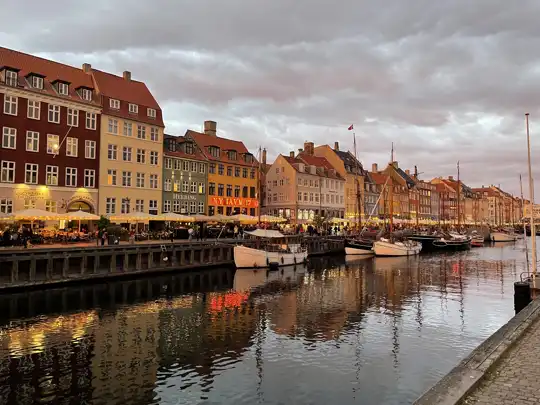
Your bike tires hum over cobblestones still slick from last night’s rain, coffee steam curling into the cold air as a bell chimes from somewhere behind you and a whiff of fresh cinnamon rolls cuts through the harbor wind. That’s Copenhagen: Denmark’s capital, perched on the eastern edge of the country, staring straight at Sweden across the water. For backpackers, it’s a high-quality, high-cost playground. The city is compact, walkable, and absurdly easy to navigate by bike or metro, with hostels clustered around places like Nyhavn, Nørrebro, and the old town. You get sharp design, canals, Christiania’s scruffy weirdness, world-class museums, and nightlife that actually starts late. You also get prices that punish lazy planning. It’s very safe, people switch to English without blinking, and meeting other travelers is straightforward in hostel bars, less so on the street. Compared to Aarhus or Odense, Copenhagen feels denser, pricier, and more international—less cozy, more strategic base camp.

Discover everything you want to know in the 📖 Denmark Travel Guide.


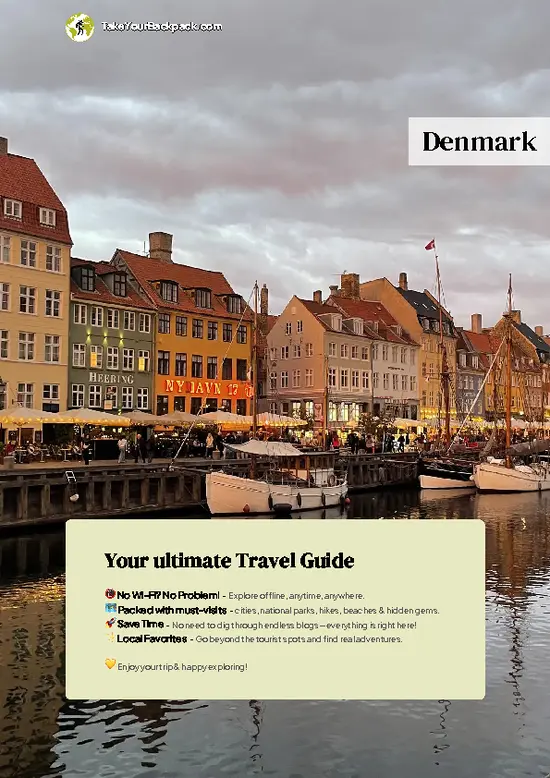
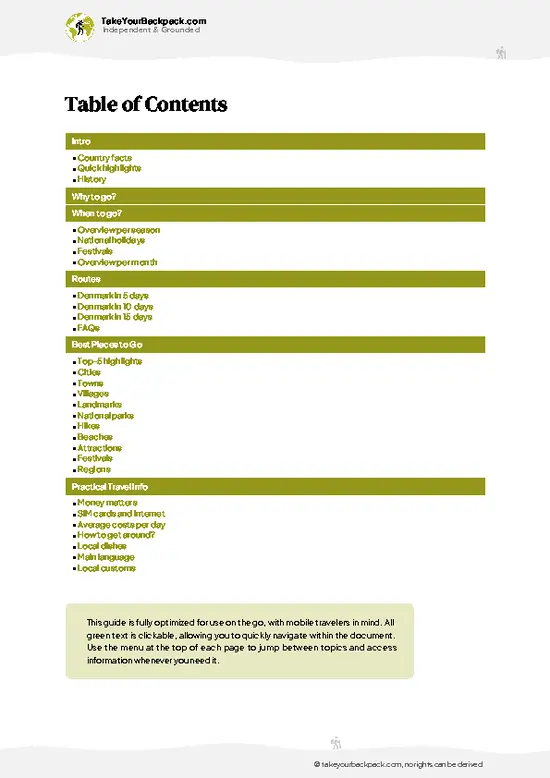
example page 0 from our offline Travel Guide for Denmark
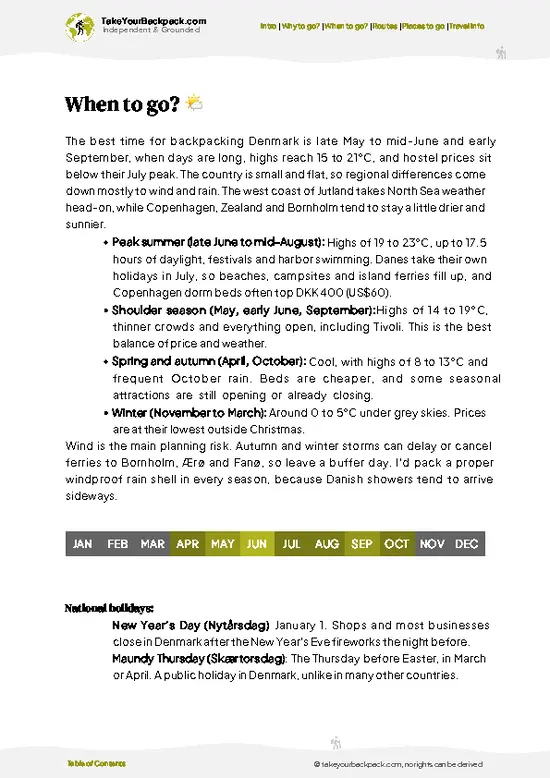
example page 1 from our offline Travel Guide for Denmark
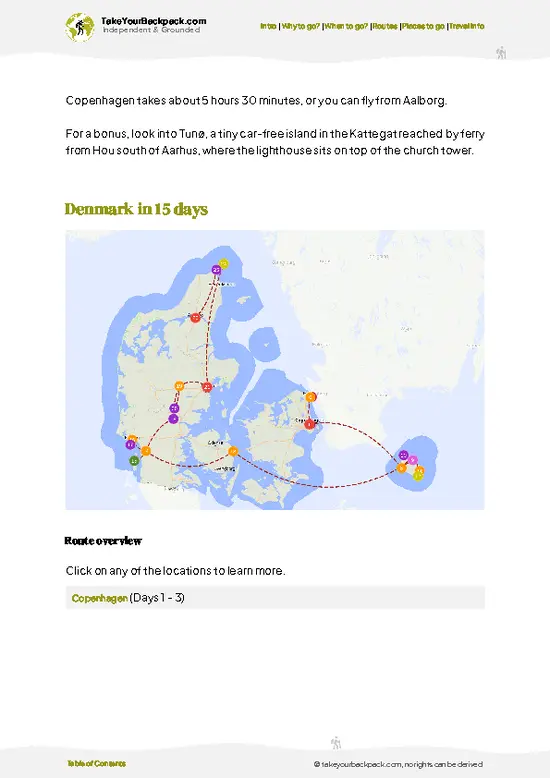
example page 2 from our offline Travel Guide for Denmark
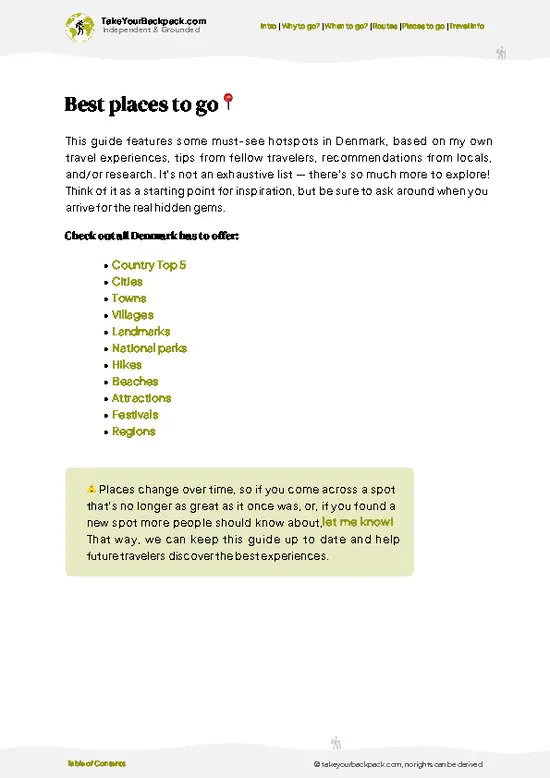
example page 3 from our offline Travel Guide for Denmark
example page 4 from our offline Travel Guide for Denmark
example page 5 from our offline Travel Guide for Denmark
example page 6 from our offline Travel Guide for Denmark
example page 7 from our offline Travel Guide for Denmark
Loading the map 🌍
CLICK TO FILTER
cities
towns
villages
landmarks
national parks
hikes
beaches
attractions
festivals
regions
SHOW COUNTRY’S BESTSHOW ALL

✨ Why go?
Ranked #1 city in Denmark
Why Copenhagen should be on your travel list

Copenhagen is a backpacker’s dream for several reasons. First, the city is a hub of highlights and activities, making it easy to fill your days without feeling rushed. You can explore its rich history, vibrant culture, and unique architecture all in a compact area. This walkability means you can ditch the transport costs and soak in the atmosphere on foot.

As a basecamp for day trips, Copenhagen opens doors to nearby gems like Malmö or the stunning castles of North Zealand. You can easily hop on a train and be back in time for dinner. Speaking of food, the city offers a range of affordable dining options that won’t break the bank, from street food markets to cozy cafes.

When it comes to accommodation, hostels here are not just budget-friendly; they often foster a social vibe that’s perfect … read more 👉
Copenhagen is a backpacker’s dream for several reasons. First, the city is a hub of highlights and activities, making it easy to fill your days without feeling rushed. You can explore its rich history, vibrant culture, and unique architecture all in a compact area. This walkability means you can ditch the transport costs and soak in the atmosphere on foot.

As a basecamp for day trips, Copenhagen opens doors to nearby gems like Malmö or the stunning castles of North Zealand. You can easily hop on a train and be back in time for dinner. Speaking of food, the city offers a range of affordable dining options that won’t break the bank, from street food markets to cozy cafes.

When it comes to accommodation, hostels here are not just budget-friendly; they often foster a social vibe that’s perfect for meeting fellow travelers. The nightlife is lively yet laid-back, with plenty of bars and clubs to explore after dark.

In short, if you’re looking for a city that balances comfort and adventure, Copenhagen is worth more than just a quick stop. It’s a place where you can truly immerse yourself in the experience.

💡 HighlightsDon't-miss highlights and experiences

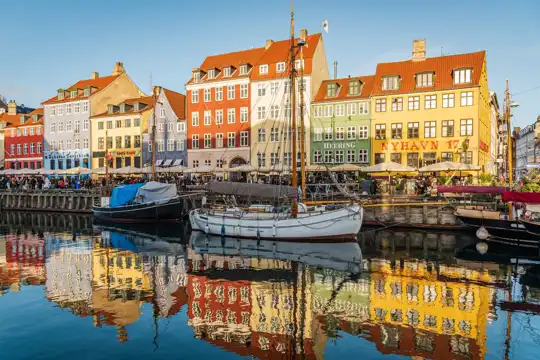
  • Nyhavn — The postcard canal with its row of brightly painted 17th-century houses and wooden ships; great for people-watching, boat trips, and getting a feel for Copenhagen’s waterfront life without leaving the city center.
  • Tivoli Gardens — One of the world’s oldest operating amusement parks (opened 1843) where historic architecture, concerts, lights and rides mix with seasonal events — magical in the evening and very much a living Copenhagen tradition.
  • The Little Mermaid (Den Lille Havfrue) — Small but iconic statue on the Langelinie promenade inspired by Hans Christian Andersen’s tale; it’s as much about the harbour walk, naval views and local photo rituals as the sculpture itself.
  • Christiansborg Palace — Houses Parliament, the Supreme Court and royal reception rooms; tour the ruins
… read more 👉
  • Nyhavn — The postcard canal with its row of brightly painted 17th-century houses and wooden ships; great for people-watching, boat trips, and getting a feel for Copenhagen’s waterfront life without leaving the city center.
  • Tivoli Gardens — One of the world’s oldest operating amusement parks (opened 1843) where historic architecture, concerts, lights and rides mix with seasonal events — magical in the evening and very much a living Copenhagen tradition.
  • The Little Mermaid (Den Lille Havfrue) — Small but iconic statue on the Langelinie promenade inspired by Hans Christian Andersen’s tale; it’s as much about the harbour walk, naval views and local photo rituals as the sculpture itself.
  • Christiansborg Palace — Houses Parliament, the Supreme Court and royal reception rooms; tour the ruins underneath, climb the tower for a central city view, and see how Danish politics and monarchy overlap in one building.
  • Rosenborg Castle & Kongens Have — A compact Renaissance castle with the Crown Jewels and a wonderfully lived-in royal park where locals picnic, jog, or read — history and everyday city life side by side.
  • Rundetårn (Round Tower) — A 17th-century observatory with a gentle spiral ramp up to a viewing platform; short climb, big views over the old city and a cool sense of stepping into Copenhagen’s scientific past.
  • National Museum (Nationalmuseet) — The best single spot to understand Denmark: Vikings, medieval life, colonial history and modern culture presented in accessible exhibits — useful context for the rest of the city.
  • Ny Carlsberg Glyptotek — A quiet, elegant art and antiquities museum built by a brewer, with a gorgeous winter garden and a mix of ancient Mediterranean sculpture and French Impressionists — surprisingly intimate for art lovers.
  • Freetown Christiania — A self-styled autonomous neighborhood with colorful murals, hand-built houses and a strong countercultural vibe; visit respectfully to see an alternate urban experiment and lively street culture.
  • Superkilen Park — An inventive public park in Nørrebro showcasing objects and design from immigrant communities worldwide; it’s an open-air museum of global everyday items and a brilliant snapshot of modern, multicultural Copenhagen.
For easy day trips outside the city, check out the Louisiana Museum of Modern Art (Humlebæk), Kronborg Castle in Helsingør (Hamlet’s castle), and the Viking Ship Museum plus Roskilde Cathedral in Roskilde.
Spotted a mistake or missing something? Contact us.

Things to do in Copenhagen

Ratings based on Tripadvisor reviews. When you book through this link, you support our work at no extra cost to you.

🏘️ NeighborhoodsHow different areas shape the experience

Copenhagen is a city where every neighborhood tells a story. Understanding the distinct vibes and offerings can help you maximize your experience while balancing time, money, and comfort.

Vesterbro: This area is the heartbeat of Copenhagen’s nightlife. Think hip bars, eclectic eateries, and a vibrant atmosphere. It’s walkable, with a mix of budget hostels and pricier hotels. Perfect for those who want to dive into the local scene, but be prepared for noise if you’re staying out late. Ideal for short stays where you want to soak up energy.

Nørrebro: A melting pot of cultures, Nørrebro is known for its artistic vibe and diverse food scene. It’s affordable, with plenty of budget-friendly accommodations. The area is very walkable, and you can easily hop on public transport to reach other parts … read more 👉
Copenhagen is a city where every neighborhood tells a story. Understanding the distinct vibes and offerings can help you maximize your experience while balancing time, money, and comfort.

Vesterbro: This area is the heartbeat of Copenhagen’s nightlife. Think hip bars, eclectic eateries, and a vibrant atmosphere. It’s walkable, with a mix of budget hostels and pricier hotels. Perfect for those who want to dive into the local scene, but be prepared for noise if you’re staying out late. Ideal for short stays where you want to soak up energy.

Nørrebro: A melting pot of cultures, Nørrebro is known for its artistic vibe and diverse food scene. It’s affordable, with plenty of budget-friendly accommodations. The area is very walkable, and you can easily hop on public transport to reach other parts of the city. Great for longer stays if you enjoy a more laid-back, community feel.

Christianshavn: This picturesque neighborhood offers a mix of history and modernity. The canals are stunning, and you’ll find cozy cafes and unique shops. It’s a bit pricier, but the charm is worth it. Walkable and close to major attractions, it’s suitable for both short and longer visits, especially if you appreciate a quieter atmosphere.

Indre By: The city center is bustling with tourists and locals alike. It’s the most expensive area, but you’re right in the thick of things. Walkability is high, with easy access to transport. Perfect for short stays where convenience is key, but be ready to pay for the privilege.

Østerbro: A residential area that feels more suburban. It’s quieter, with parks and family-friendly spots. Costs are moderate, and it’s walkable, but you’ll need to rely on public transport to reach the city center. Best for longer stays if you prefer a peaceful retreat after a day of exploring.

⌛️ 1 dayA smart one-day plan

Copenhagen is a city that effortlessly blends history with modern design, offering a unique charm that’s hard to resist. Its canals, colorful buildings, and bike-friendly streets create an inviting atmosphere. You can feel the pulse of creativity in every corner, making it a playground for the curious traveler.

Start your day in the vibrant neighborhood of Vesterbro. Grab a coffee and a pastry at a local café like The Coffee Collective, where the aroma of freshly brewed beans fills the air. After fueling up, take a leisurely stroll to the iconic Nyhavn. The colorful facades lining the canal are perfect for that Instagram shot, but don’t linger too long—there’s more to explore.

Head towards the historic district of Frederiksstaden, where you can marvel at the stunning Amalienborg Palace. … read more 👉
Copenhagen is a city that effortlessly blends history with modern design, offering a unique charm that’s hard to resist. Its canals, colorful buildings, and bike-friendly streets create an inviting atmosphere. You can feel the pulse of creativity in every corner, making it a playground for the curious traveler.

Start your day in the vibrant neighborhood of Vesterbro. Grab a coffee and a pastry at a local café like The Coffee Collective, where the aroma of freshly brewed beans fills the air. After fueling up, take a leisurely stroll to the iconic Nyhavn. The colorful facades lining the canal are perfect for that Instagram shot, but don’t linger too long—there’s more to explore.

Head towards the historic district of Frederiksstaden, where you can marvel at the stunning Amalienborg Palace. If you time it right, you might catch the changing of the guard. It’s a small spectacle, but the royal vibe adds a touch of magic to your morning. From there, make your way to the nearby Marble Church, known for its impressive dome. The view from the top is worth the climb, offering a panoramic look at the city.

In the afternoon, venture to the lesser-known neighborhood of Nørrebro. This area is a melting pot of cultures and creativity. Stop by Assistens Cemetery, the final resting place of famous Danes like Hans Christian Andersen. It’s a peaceful spot, perfect for reflection. Afterward, grab lunch at one of the many food stalls at Torvehallerne, where you can sample everything from smørrebrød to gourmet hot dogs.

As evening approaches, cycle or walk to the iconic Tivoli Gardens. The park lights up as the sun sets, creating a whimsical atmosphere. Enjoy a ride on the historic wooden roller coaster or simply wander through the beautifully landscaped gardens. For dinner, head to the nearby Meatpacking District, where you’ll find a variety of trendy restaurants. Try a local favorite like Kødbyens Fiskebar for fresh seafood.

Copenhagen is a city that rewards those who take the time to explore its layers. Each neighborhood offers a different flavor, and by focusing on Vesterbro and Nørrebro, you’ll experience both the classic and the contemporary. Embrace the rhythm of the city, and you’ll leave with memories that linger long after your visit.

🌤️ When to go?Seasonal considerations and timing

  • Weather: Copenhagen’s weather swings from chilly winters around 0°C (32°F) to mild summers peaking near 22°C (72°F). Spring and early autumn offer a sweet spot—cool but not cold, with less rain than winter.
  • Temperature: Summer (June to August) is your warmest window, averaging 17-22°C (63-72°F), perfect for long days outdoors. Winters dip below freezing, often hovering around 0°C (32°F), which can be harsh for backpackers.
  • Daylight Hours: Summer days stretch impressively, with up to 17 hours of light in June, fueling late-night explorations. Winter, by contrast, shrinks daylight to about 7 hours, limiting sightseeing time and making the city feel quieter.
  • Crowds: Peak tourist season aligns with summer, especially July, when the city buzzes with visitors. Shoulder seasons (May, September)
… read more 👉
  • Weather: Copenhagen’s weather swings from chilly winters around 0°C (32°F) to mild summers peaking near 22°C (72°F). Spring and early autumn offer a sweet spot—cool but not cold, with less rain than winter.
  • Temperature: Summer (June to August) is your warmest window, averaging 17-22°C (63-72°F), perfect for long days outdoors. Winters dip below freezing, often hovering around 0°C (32°F), which can be harsh for backpackers.
  • Daylight Hours: Summer days stretch impressively, with up to 17 hours of light in June, fueling late-night explorations. Winter, by contrast, shrinks daylight to about 7 hours, limiting sightseeing time and making the city feel quieter.
  • Crowds: Peak tourist season aligns with summer, especially July, when the city buzzes with visitors. Shoulder seasons (May, September) offer fewer crowds, letting you enjoy attractions without the crush.
  • Seasonal Activities: Summer brings open-air festivals, harbor swims, and vibrant street life. Winter offers cozy Christmas markets and hygge experiences but demands bundling up and shorter outdoor windows.
  • Price Fluctuations: Accommodation and flights spike in summer, reflecting demand. Shoulder seasons provide better deals without sacrificing too much comfort or daylight, making them a strategic choice for budget-conscious travelers.
Pro-tip: Aim for late spring or early autumn to balance decent weather, manageable crowds, and wallet-friendly prices—this is when Copenhagen’s charm feels most accessible and authentic.


source: climatestotravel.comJANJanuary: fair for travelingFEBFebruary: fair for travelingMARMarch: good for travelingAPRApril: highly recommended for travelingMAYMay: highly recommended for travelingJUNJune: excellent for travelingJULJuly: excellent for travelingAUGAugust: excellent for travelingSEPSeptember: highly recommended for travelingOCTOctober: good for travelingNOVNovember: fair for travelingDECDecember: good for traveling
Denmark - Copenhagen

✈️ The backpacker research shortcutDenmark Travel Guide

An offline-friendly backpacking guide with optimized travel routes, ranked highlights, transport advice, and the best areas to stay.
example page 0 from our offline Travel Guide for Denmark
example page 1 from our offline Travel Guide for Denmark
example page 2 from our offline Travel Guide for Denmark
example page 3 from our offline Travel Guide for Denmark
example page 4 from our offline Travel Guide for Denmark
example page 5 from our offline Travel Guide for Denmark
example page 6 from our offline Travel Guide for Denmark
example page 7 from our offline Travel Guide for Denmark
The digital guide (359 pages) contains:
✅ 97 highlights, ranked by travel appeal
✅ Optimized 5, 10 & 15-day travel routes
✅ Cities, national parks, landmarks, beaches
✅ How to get around
✅ Offline-friendly for travel without Wi-Fi
👉 Click to see all 30+ guide features

📅 Plan smarter in minutes, not weeks
✅ Month by month travel advice
✅ Festivals & national holidays
✅ Budget expectations

🗺️ Go to the right places, skip the overrated ones
✅ Honest pros & cons of destinations
✅ Top hikes, parks & viewpoints
✅ Lesser-known places most travelers miss
✅ Clear “worth it vs skip it” guidance

🛏️ Travel smoothly without rookie mistakes
✅ Best areas to stay
✅ Transport systems explained simply
✅ Common scams & safety advice
✅ SIM cards, money & practical tips

🌍 Understand the country, not just visit it
✅ Culture & traditions
✅ 52 Essential phrases & customs
✅ Festivals worth planning around
✅ Traveler-friendly historical context
✅ Insights that make places more meaningful

📱 Built for real travel conditions
✅ Fully downloadable PDF
✅ Works completely offline
✅ Optimized for phone use
✅ Useful in remote areas & buses
✅ Everything in one place
Stop searching, start planning
Get instant access to your full guide. 30‑day money-back guarantee.
+ Add another guide for just

By proceeding you agree to our terms.
Sent to your inbox immediately after payment • 100% Secure Checkout
Best Backpacking Travel Advisor 2025 tourism awardBest Backpacking
Travel Advisor
2025
What others say about Take Your Backpack Guides:
⭐⭐⭐⭐⭐
Fantastic, amazing amount of information!
⭐⭐⭐⭐⭐
My goodness this is amazing, it's what I've been looking for hats off too you!
⭐⭐⭐⭐⭐
I think this is absolutely BRILLIANT
⭐⭐⭐⭐
Very complete and informative. It's still missing places, but I gotta to commend you
⭐⭐⭐⭐⭐
This is truly amazing, thank you, can't wait to explore it with my kids!
⭐⭐⭐⭐⭐
Awesome resource, thank you!
⭐⭐⭐⭐⭐
This is amazing! Can't wait to explore the ones I haven't seen
⭐⭐⭐⭐
I love this! Well done, great idea.
⭐⭐⭐⭐⭐
Thanks for taking the time to make this gem!
⭐⭐⭐⭐⭐
This might be the best website I've ever seen.
⭐⭐⭐⭐⭐
Congratulations, and thank you so much for your work; it's incredibly valuable.
⭐⭐⭐⭐
In all seriousness I think you did a great job pointing out the important spots
⭐⭐⭐⭐⭐
10/10 very good
⭐⭐⭐⭐⭐
As someone who's only just starting to visit regularly this is awesome, thank you.
⭐⭐⭐⭐
Thank you very much! I'm going to visit my dad, it's going to be very useful!
⭐⭐⭐⭐⭐
This is really cool! We'll be travelling for the first time and this definitely come in handy.
⭐⭐⭐⭐⭐
You are now our minister of culture, congratulations 👨‍💼
⭐⭐⭐⭐⭐
Just wanted to tell you that this is a pearl! Going to follow your recommendations.
⭐⭐⭐⭐⭐
This is so cool. I'll definitely be using the resource for my travels soon.
⭐⭐⭐⭐⭐
This is very impressive! Good work.
⭐⭐⭐⭐⭐
This is an amazing and informative site. Very well done!

🛏️ Where to stay?How to pick the right area

Copenhagen’s backpacker sweet spot is undeniably the Nørrebro district. It’s where budget travelers and solo adventurers converge, drawn by a mix of gritty charm and vibrant street life that’s both safe and stimulating. Nørrebro’s streets pulse with cafés, secondhand shops, and multicultural eateries, creating a social atmosphere that’s easy to plug into without the touristy gloss. Hostels here are plentiful, offering dorms and private rooms that balance comfort with affordability. The area’s compact layout means you can walk or bike everywhere, saving time and money on transport while soaking … read more 👉
Copenhagen’s backpacker sweet spot is undeniably the Nørrebro district. It’s where budget travelers and solo adventurers converge, drawn by a mix of gritty charm and vibrant street life that’s both safe and stimulating. Nørrebro’s streets pulse with cafés, secondhand shops, and multicultural eateries, creating a social atmosphere that’s easy to plug into without the touristy gloss. Hostels here are plentiful, offering dorms and private rooms that balance comfort with affordability. The area’s compact layout means you can walk or bike everywhere, saving time and money on transport while soaking in local life.

Compare that to Vesterbro, which is also popular but leans a bit more upscale and nightlife-heavy. It’s great if you want a livelier scene but expect slightly higher prices and a less laid-back vibe. Christianshavn offers canals and a quieter, picturesque setting, but it’s pricier and less backpacker-centric, so social opportunities can be limited.

Staying in Nørrebro means trading a bit of polished tourist infrastructure for authenticity and community. You sacrifice some luxury and centrality but gain a neighborhood that feels like a living, breathing city rather than a postcard. For backpackers, that’s a trade-off that pays dividends in memorable encounters and genuine local flavor.

🚌 Getting aroundHow to get from A to B

Copenhagen moves with a rhythm that’s part clockwork, part laid-back Scandinavian ease. The city’s transit system is a well-oiled machine, but it’s not about rushing; it’s about smooth, predictable flow. You won’t find the frantic hustle of a megacity here, but you will find a dependable pulse that lets you plan your day with confidence. The Danes prize efficiency, so schedules are tight and punctual, but the vibe stays relaxed—like a well-rehearsed jazz band playing at a café rather than a frantic orchestra. Understanding this balance is your key to mastering Copenhagen’s transit trade-offs: you can save time, money, or comfort, but rarely all three at once. Here’s how to play the game.
  • Walking: Copenhagen is famously walkable, especially in the city center. It costs nothing, gives you freedom
… read more 👉
Copenhagen moves with a rhythm that’s part clockwork, part laid-back Scandinavian ease. The city’s transit system is a well-oiled machine, but it’s not about rushing; it’s about smooth, predictable flow. You won’t find the frantic hustle of a megacity here, but you will find a dependable pulse that lets you plan your day with confidence. The Danes prize efficiency, so schedules are tight and punctual, but the vibe stays relaxed—like a well-rehearsed jazz band playing at a café rather than a frantic orchestra. Understanding this balance is your key to mastering Copenhagen’s transit trade-offs: you can save time, money, or comfort, but rarely all three at once. Here’s how to play the game.
  • Walking: Copenhagen is famously walkable, especially in the city center. It costs nothing, gives you freedom to explore hidden corners, and lets you soak in the city’s design and street life at your own pace. The trade-off is time and energy—don’t underestimate the distance if you’re on a tight schedule or hauling gear.
  • Metro: The metro runs 24/7 with trains every 2-4 minutes during peak hours and every 15 minutes late at night. Tickets cost about 24 DKK for a single zone, and it’s the fastest way to cover longer distances, like from the airport to the city center in about 15 minutes. Comfort is high with clean, modern trains and air conditioning, but you’re locked into fixed routes and stations.
  • Buses: Buses fill in the gaps where the metro doesn’t reach, running from early morning until midnight. A single ticket costs the same as the metro, but buses are slower and subject to traffic delays. They offer more route flexibility and a chance to see neighborhoods you’d miss underground, but comfort varies—rush hour can be cramped.
  • City Bikes: Renting a city bike is a quintessential Copenhagen experience and a fast, flexible way to get around. Prices start around 20 DKK per hour with various rental options. You gain speed and freedom, but you’re exposed to weather and need to be comfortable cycling in urban traffic. It’s a middle ground between walking and public transit in terms of effort and speed.
  • Harbor Buses: These water buses connect key points along Copenhagen’s canals and harbor. Tickets cost the same as land transit, but the experience is unique—offering scenic views and a break from the city’s grid. They run roughly every 20 minutes during the day but are slower and less frequent, so they’re more about comfort and atmosphere than speed.

Mastering Copenhagen’s transit means knowing when to sprint underground, when to pedal, and when to simply stroll. Each choice shifts your balance of time, money, and comfort. Play it smart, and you’ll unlock the city’s layers without paying a premium or losing your cool.

👛 Costs (as of 16 October 2026)How expensive it really is

Backpacking in Copenhagen means balancing a high-quality urban experience with the reality of one of Europe’s pricier cities. Here’s the breakdown of what you’re likely to spend daily, so you can decide where to lean in or pull back.
  • Dorm Accommodation (High Season): Expect to pay around €30 to €45 per night in popular hostels during peak months (May to September). These spots often fill fast, so booking ahead is key.
  • Dorm Accommodation (Off-Season): From October to April, prices dip to about €20 to €35. You’ll find quieter hostels and sometimes better deals, but the city’s vibe shifts with the colder weather.
  • Meals: Budget around €10 to €20 daily if you stick to street food, bakeries, or supermarket meals. Copenhagen’s food scene is tempting, but eating out at restaurants regularly will
… read more 👉
Backpacking in Copenhagen means balancing a high-quality urban experience with the reality of one of Europe’s pricier cities. Here’s the breakdown of what you’re likely to spend daily, so you can decide where to lean in or pull back.
  • Dorm Accommodation (High Season): Expect to pay around €30 to €45 per night in popular hostels during peak months (May to September). These spots often fill fast, so booking ahead is key.
  • Dorm Accommodation (Off-Season): From October to April, prices dip to about €20 to €35. You’ll find quieter hostels and sometimes better deals, but the city’s vibe shifts with the colder weather.
  • Meals: Budget around €10 to €20 daily if you stick to street food, bakeries, or supermarket meals. Copenhagen’s food scene is tempting, but eating out at restaurants regularly will push your costs well above this range.
  • Local Transport: Single bus or metro rides cost about €3.50 each. If you’re hopping on and off, this adds up fast.
  • City Transport Pass: A 24-hour pass runs about €13, giving unlimited access to buses, trains, and metro within the city zones. It’s a smart buy if you plan to move around a lot.
  • Basic Activities/Entry Fees: Museums and attractions typically charge €10 to €15. Some spots offer discounts for youth or combined tickets, so keep an eye out.
  • Miscellaneous Expenses: Budget around €5 to €10 for essentials like water, snacks, or small souvenirs. Copenhagen’s prices here are steady but not shocking.

All told, a realistic daily budget for backpacking in Copenhagen ranges from about €60 on the lean side to €100 if you want a bit more comfort and flexibility. This city rewards those who plan smartly—grab that transport pass, pick your meals wisely, and book dorm beds early to keep your wallet happy while soaking in the Danish capital’s unique charm.
⚠️ Prices can change and everyone travels differently, so take this as a rough guide. Hope it helps you plan your adventure!

🚌 Day tripsBest day trips from Copenhagen

Copenhagen is a fantastic launchpad for day trips that blend culture, nature, and adventure. Here’s how to make the most of your time without breaking the bank.

Roskilde
Just a 30-minute train ride from Copenhagen, Roskilde is a treasure trove of Viking history. The Roskilde Cathedral, a UNESCO World Heritage site, is a must-see, but the real star is the Viking Ship Museum. You can explore authentic Viking ships and even try your hand at rowing one. Budget around 100 DKK for the train and museum entry. Spring and summer are ideal for enjoying the waterfront and local festivals. A common mistake? Skipping the museum’s boat tours — they’re a blast!
👉 Explore Roskilde

Helsingør
About 45 minutes north by train, Helsingør is home to the iconic Kronborg Castle, famously known as Hamlet’s castle. … read more 👉
Copenhagen is a fantastic launchpad for day trips that blend culture, nature, and adventure. Here’s how to make the most of your time without breaking the bank.

Roskilde
Just a 30-minute train ride from Copenhagen, Roskilde is a treasure trove of Viking history. The Roskilde Cathedral, a UNESCO World Heritage site, is a must-see, but the real star is the Viking Ship Museum. You can explore authentic Viking ships and even try your hand at rowing one. Budget around 100 DKK for the train and museum entry. Spring and summer are ideal for enjoying the waterfront and local festivals. A common mistake? Skipping the museum’s boat tours — they’re a blast!
👉 Explore Roskilde

Helsingør
About 45 minutes north by train, Helsingør is home to the iconic Kronborg Castle, famously known as Hamlet’s castle. The castle’s dramatic architecture and rich history are captivating. You can stroll through the charming old town afterward, where cozy cafés await. Expect to spend around 150 DKK for the train and castle entry. Visit in late spring or early fall for fewer crowds and pleasant weather. Don’t forget to check the castle’s schedule for guided tours; they add depth to your visit.
👉 Explore Helsingør

Malmö
Crossing the Øresund Bridge to Malmö, Sweden, takes just 35 minutes. This vibrant city offers a mix of modern architecture and historic charm. The Turning Torso is a sight to behold, and the nearby Malmöhus Castle is perfect for a leisurely exploration. Budget around 200 DKK for the round trip. Summer is the best time to enjoy the parks and waterfront. A rookie error? Not trying the local falafel — it’s a culinary highlight!


Dragør
A quick 30-minute bus ride takes you to Dragør, a picturesque fishing village. The cobblestone streets and colorful houses are straight out of a storybook. Enjoy a walk along the harbor and grab a bite at a local eatery. You can do this trip for under 100 DKK. Spring and early fall are lovely, with fewer tourists. Many first-timers miss the chance to explore the surrounding nature trails — don’t make that mistake!


Klampenborg
Just a 20-minute train ride from Copenhagen, Klampenborg is perfect for a day in nature. Visit the stunning Dyrehaven park, home to free-roaming deer and beautiful trails. You can also check out the historic Bakken amusement park nearby. Expect to spend around 80 DKK for the train. Late spring is ideal for picnics and outdoor activities. A common pitfall? Not bringing a picnic — the park is begging for it!

🍲 FoodEating & Drinking in Copenhagen

Copenhagen is a playground for food lovers, blending traditional flavors with modern flair. Start with a classic smørrebrød—an open-faced sandwich piled high with everything from pickled herring to roast beef. Each bite is a mini adventure, showcasing local ingredients and creativity.

The city’s street food scene is vibrant, especially at places like Reffen, where you can sample dishes from around the world. Grab a Danish hot dog from a street vendor, topped with crispy onions and remoulade. It’s quick, satisfying, and a rite of passage for any backpacker.

For drinks, don’t miss the local craft beer scene. Copenhagen boasts a plethora of microbreweries, each offering unique brews that reflect the city’s character. Pair your beer with a visit to a cozy café for a slice of Danish pastry—the … read more 👉
Copenhagen is a playground for food lovers, blending traditional flavors with modern flair. Start with a classic smørrebrød—an open-faced sandwich piled high with everything from pickled herring to roast beef. Each bite is a mini adventure, showcasing local ingredients and creativity.

The city’s street food scene is vibrant, especially at places like Reffen, where you can sample dishes from around the world. Grab a Danish hot dog from a street vendor, topped with crispy onions and remoulade. It’s quick, satisfying, and a rite of passage for any backpacker.

For drinks, don’t miss the local craft beer scene. Copenhagen boasts a plethora of microbreweries, each offering unique brews that reflect the city’s character. Pair your beer with a visit to a cozy café for a slice of Danish pastry—the cinnamon roll is a must.

When dining, embrace the hygge culture. Meals are often leisurely, so take your time and enjoy the atmosphere. Tipping isn’t mandatory, but rounding up the bill is appreciated.

Copenhagen’s food and drink culture is about connection—with the flavors, the people, and the experience. Dive in, and let your taste buds guide you through this culinary adventure.

🛡️ SafetyScams, Hazards, and Annoyances

Copenhagen is generally safe, but like any city, it has its quirks. Areas like Vesterbro and Nørrebro are vibrant but can be a bit rowdy at night. If you’re solo, stick to well-lit streets and avoid empty alleyways after dark.

Scams are rare, but watch out for the classic distraction techniques. Someone might ask for help while an accomplice tries to swipe your belongings. Keep your bag close and be aware of your surroundings.

Annoyances? The bike culture is strong here, so be mindful of cyclists zooming past. They have the right of way, and a sudden stop can lead to a near-miss.

Overall, carry yourself with confidence. A relaxed demeanor goes a long way. Trust your instincts, and you’ll navigate the city like a pro.

FAQFrequently asked questions about Copenhagen

3 to 4 days are sufficient to explore Copenhagen's main attractions, including Nyhavn, Tivoli Gardens, and the National Museum. This allows time for day trips to nearby areas like the Louisiana Museum of Modern Art. Walking and cycling are the best ways to get around the compact city center.
Yes, Copenhagen is safe for solo backpackers. The city has low crime rates and a strong police presence, especially in tourist areas. Basic precautions like avoiding poorly lit areas at night and securing belongings are recommended.
Copenhagen is known for its historic harbor Nyhavn, innovative design and architecture, and a strong cycling culture. It is also famous for its culinary scene, including Michelin-starred restaurants and the New Nordic cuisine movement.
⚠️ Things can change over time, so always validate details locally before you go.

Other Danish cities near Copenhagen

Explore more nearby:

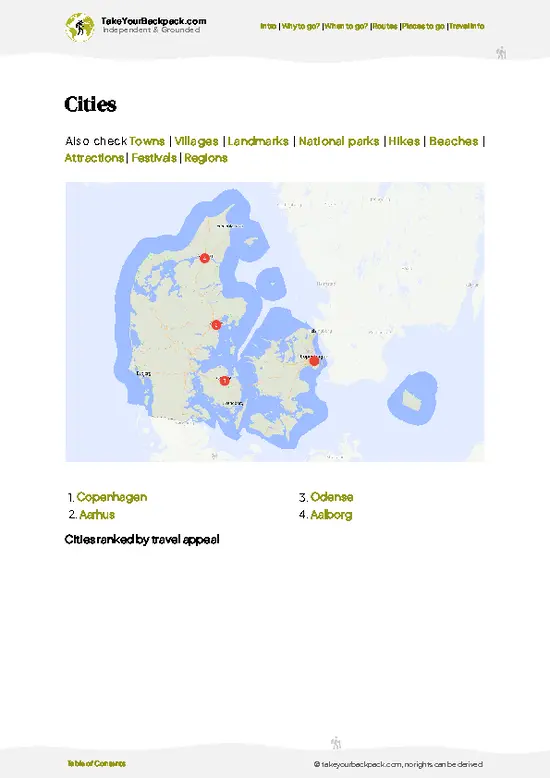
  • Odense—fairytale roots, river parks, local markets| 140 km away
  • Aarhus—student life, modern museums, forested coastline| 157 km away
  • Aalborg—harborfront, street art, industrial heritage| 223 km away

💡 Not sure where to go next?
Create a personalized itinerary for Denmark including Copenhagen and the places that fit your trip.

Generate my itinerary

👉 Discover all cities

Or checkout all Denmark has to offer (think cities, towns, villages, national parks, hikes, beaches, festivals)
Country photo of Denmark

We 💚 feedbackSumming up the experience

Copenhagen is a playground for the senses, where every corner bursts with creativity and design. The food scene? Next level. You’ll savor everything from street food to Michelin-starred meals. But here’s the catch: it’s pricey. If you’re not careful, your budget can vanish faster than a Danish pastry. Plan wisely, and you’ll walk away with memories that are worth every krone. Just be ready to balance your wallet with those unforgettable experiences.

✈️ When did I visit Denmark?
Denmark, being close to my home country, I have been visiting a couple of times in the years 1999 to 2025.

✍️ Help improve this page!
The information on this page is based on my own backpacking experience in Denmark, supplemented with up-to-date research and feedback from other travelers. Travel details can change, so if you notice anything outdated or incomplete, feel free to let me know.


🙋‍♂️ Give feedback

👋 Meet the founderWho’s Behind Take Your Backpack?

Johan, backpacker and founder of TakeYourBackpackHi, I’m Johan (Netherlands 🇳🇱), the creator of TakeYourBackpack. Over the past 3 decades, I’ve backpacked through 90+ countries across six continents, gaining extensive experience with independent travel, long-term trips, and overland routes.

This site is built on a combination of firsthand travel experience and carefully curated insights from other backpackers. Many guides are based on places I’ve personally visited, while others bring together tips, observations, and practical advice shared by trusted travelers I’ve met along the way.

The goal is to provide realistic, experience-driven guidance — not generic itineraries — so you can explore destinations with better context, clearer expectations, and more confidence.