
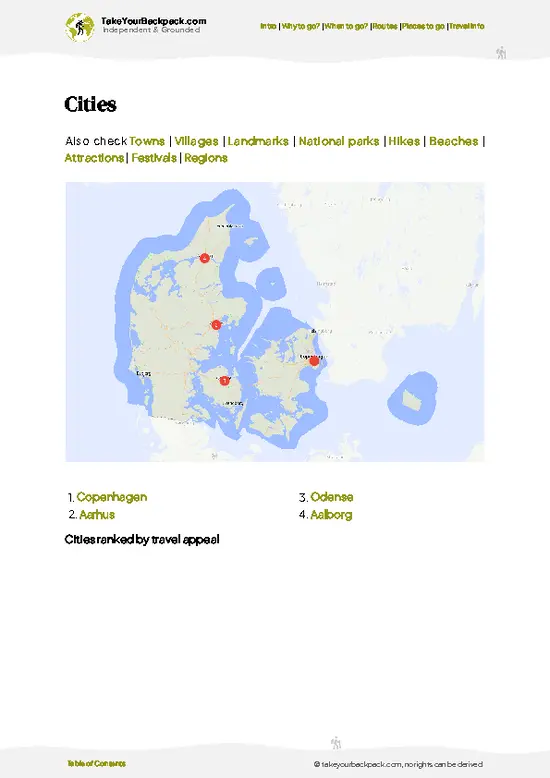
Transport HubsDenmark’s transport infrastructure is impressively efficient, making it easy to hop between cities. The rail network is particularly reliable, with frequent services connecting major urban centers. However, while trains are a comfortable way to travel, they can be pricier than buses. If you’re looking to stretch your budget, consider the bus options, which often take longer but can save you a significant amount. The trade-off here is time versus comfort. If you prioritize comfort, stick to trains, but if you’re willing to sacrifice some ease for savings, buses are a solid alternative.
Urban PacingDenmark’s cities have a relaxed pace, encouraging you to soak in the local culture. You might be tempted to cram multiple cities into a short trip, but this can lead to a rushed …
read more 👉 Transport HubsDenmark’s transport infrastructure is impressively efficient, making it easy to hop between cities. The rail network is particularly reliable, with frequent services connecting major urban centers. However, while trains are a comfortable way to travel, they can be pricier than buses. If you’re looking to stretch your budget, consider the bus options, which often take longer but can save you a significant amount. The trade-off here is time versus comfort. If you prioritize comfort, stick to trains, but if you’re willing to sacrifice some ease for savings, buses are a solid alternative.
Urban PacingDenmark’s cities have a relaxed pace, encouraging you to soak in the local culture. You might be tempted to cram multiple cities into a short trip, but this can lead to a rushed experience. Spending a few days in one city allows you to explore beyond the tourist spots, discovering local cafes, parks, and neighborhoods that give you a true sense of place. If you try to see too much too quickly, you risk missing the nuances that make each city unique. Aim for two to three cities if you have a week, allowing for deeper immersion without feeling overwhelmed.
Local CostsDenmark is known for its high living costs. Dining out, especially in urban areas, can quickly add up. If you’re on a budget, consider shopping at local markets or grocery stores for meals. This not only saves money but also gives you a taste of local life. The trade-off here is between convenience and cost. Eating out is easy, but cooking for yourself can enhance your experience and keep your budget in check. Factor in accommodation costs as well; hostels and guesthouses can be economical, but they often lack the character of boutique hotels or local B&Bs.
Exploring More Cities Quickly vs. Deeper ImmersionThe temptation to see as many cities as possible can be strong, especially with Denmark’s compact size. However, each city has its own rhythm and charm that deserves attention. If you rush through, you might miss out on local festivals, art exhibitions, or even spontaneous conversations with residents that can enrich your experience. Prioritize quality over quantity. Choose a couple of cities that resonate with you and spend more time there. This approach allows for a more meaningful connection to the culture and people, which is often the highlight of any trip.
Safety & Cultural ConsiderationsDenmark is generally safe, but like any destination, it’s wise to stay aware of your surroundings. The locals are friendly and often speak English, making it easier to navigate. However, be respectful of local customs, especially in quieter neighborhoods where people value their privacy. Understanding the cultural nuances can enhance your interactions and make your experience more rewarding. The trade-off here is between comfort and cultural immersion. Engaging with locals might feel daunting, but it often leads to the most memorable moments of your journey.
In summary, navigating Denmark’s cities involves balancing time, money, and comfort. By understanding the trade-offs, you can make informed decisions that lead to a richer travel experience. Prioritize what matters most to you, and let that guide your journey through this captivating country.