v2.webp)
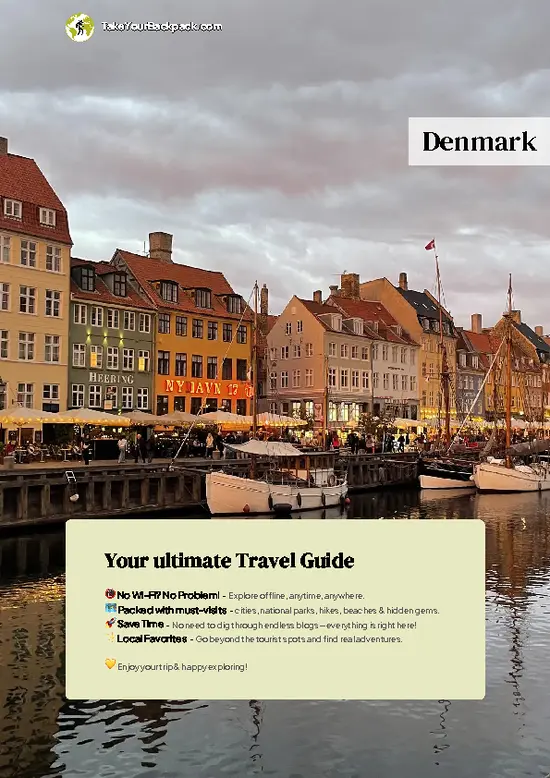

The Stone Giants: The 12 Colossal Figures
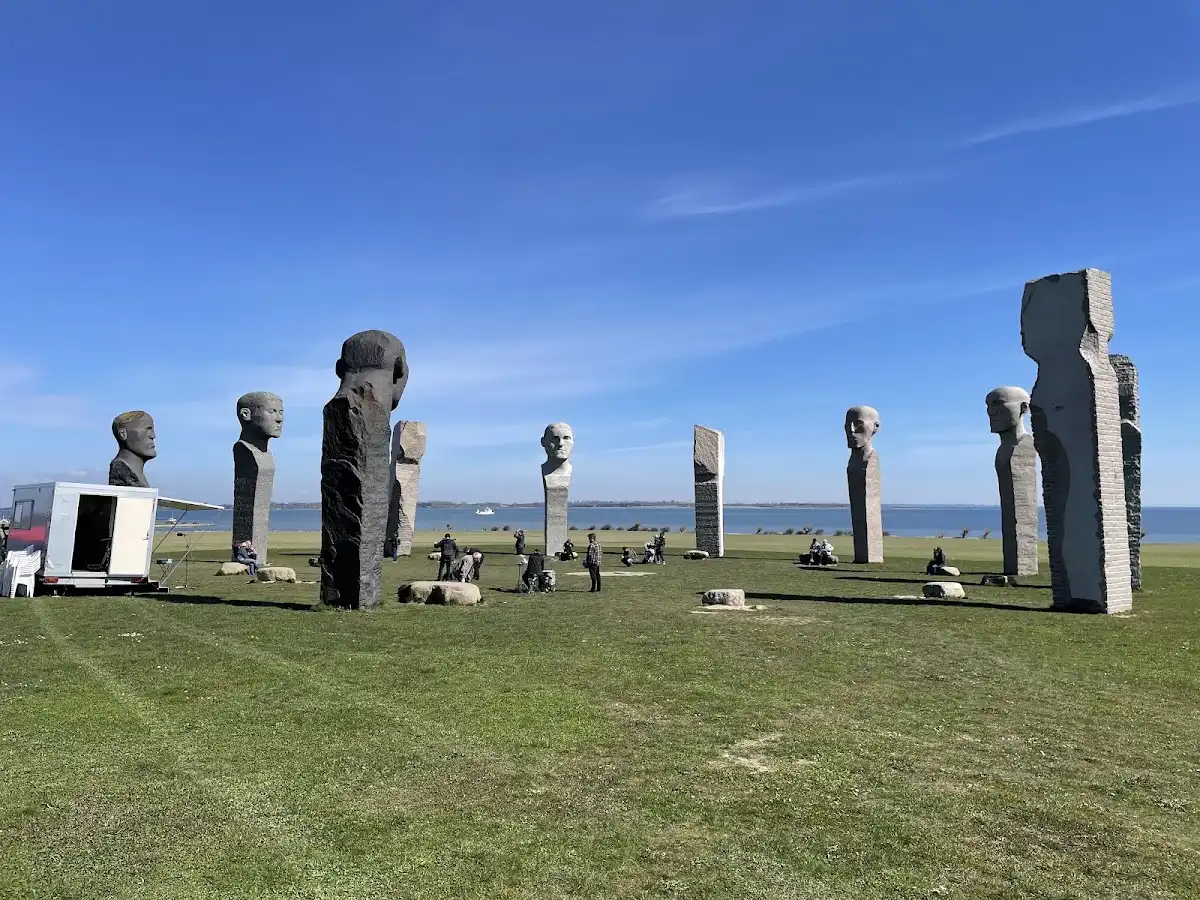
Let’s get real: Dodekalitten isn’t some ancient Viking relic or a polished tourist trap with a gift shop. It’s twelve massive granite figures, each up to 9 meters tall, standing in a windswept field on Lolland. They’re not finished—by design. The sculptor, Thomas Kadziola, is still adding to them, so you’re witnessing a living artwork in progress. These aren’t your standard statues; they’re raw, rough, and almost alien, staring out over the Baltic Sea. The scale is humbling. You feel like you’ve stumbled into a Norse fever dream, not a curated museum piece.
The Soundscape: Music in the Wild
Here’s the twist Instagram never tells you: Dodekalitten isn’t silent. Hidden speakers play an ever-evolving electronic composition by composer Wayne Siegel. The … read more 👉
Let’s get real: Dodekalitten isn’t some ancient Viking relic or a polished tourist trap with a gift shop. It’s twelve massive granite figures, each up to 9 meters tall, standing in a windswept field on Lolland. They’re not finished—by design. The sculptor, Thomas Kadziola, is still adding to them, so you’re witnessing a living artwork in progress. These aren’t your standard statues; they’re raw, rough, and almost alien, staring out over the Baltic Sea. The scale is humbling. You feel like you’ve stumbled into a Norse fever dream, not a curated museum piece.
The Soundscape: Music in the Wild
Here’s the twist Instagram never tells you: Dodekalitten isn’t silent. Hidden speakers play an ever-evolving electronic composition by composer Wayne Siegel. The … read more 👉
The Stone Giants: The 12 Colossal Figures
Let’s get real: Dodekalitten isn’t some ancient Viking relic or a polished tourist trap with a gift shop. It’s twelve massive granite figures, each up to 9 meters tall, standing in a windswept field on Lolland. They’re not finished—by design. The sculptor, Thomas Kadziola, is still adding to them, so you’re witnessing a living artwork in progress. These aren’t your standard statues; they’re raw, rough, and almost alien, staring out over the Baltic Sea. The scale is humbling. You feel like you’ve stumbled into a Norse fever dream, not a curated museum piece.
The Soundscape: Music in the Wild
Here’s the twist Instagram never tells you: Dodekalitten isn’t silent. Hidden speakers play an ever-evolving electronic composition by composer Wayne Siegel. The music is spatial—sometimes haunting, sometimes playful, always unpredictable. It’s triggered by movement, so you’re not just a spectator; you’re part of the performance. The sound wraps around you, shifting as you walk between the stones. It’s not background noise. It’s the pulse of the place, and it’s what transforms a field of rocks into a living, breathing experience.
The Setting: Lolland’s Open Skies
Forget manicured lawns or tidy hedges. Dodekalitten sits on a bluff above the sea, exposed to every mood of Danish weather. On a clear day, the sky feels endless. When the wind picks up, it howls through the stones. You’re not shielded from the elements—bring a jacket, and maybe a sense of adventure. The openness is the point. There’s no fence, no ticket booth, just you and the landscape. It’s a rare spot in Europe where you can actually feel alone with something monumental.
The Ritual of Arrival: The Walk-In
No parking lot at the doorstep. You park in the village of Kragenæs and walk a kilometer or so through fields and along the coast. This isn’t a hassle; it’s a filter. The approach builds anticipation, and by the time you crest the final hill, the stones hit you with full force. The journey in is part of the experience—no buses, no crowds spilling out all at once. Just a slow reveal, the way art should be met.
Sunrise and Sunset: The Light Show
Here’s my personal favorite. Skip the midday rush (yes, even here, Danish school groups and curious locals show up). Arrive at dawn or linger at dusk. The low sun throws long shadows, the granite glows, and the music feels even more otherworldly. You might have the place to yourself, with only the wind and the soundscape for company. It’s the closest you’ll get to standing inside a myth.
The Ongoing Creation: Art in Progress
Dodekalitten isn’t finished, and that’s the magic. Every visit is different. New stones appear, the music evolves, the grass grows wild. You’re not just seeing a monument; you’re witnessing a process. It’s a living project, and you’re part of its story, whether you visit this year or a decade from now. That’s rare—most sites are frozen in time. Here, you’re catching art in the act.
Let’s get real: Dodekalitten isn’t some ancient Viking relic or a polished tourist trap with a gift shop. It’s twelve massive granite figures, each up to 9 meters tall, standing in a windswept field on Lolland. They’re not finished—by design. The sculptor, Thomas Kadziola, is still adding to them, so you’re witnessing a living artwork in progress. These aren’t your standard statues; they’re raw, rough, and almost alien, staring out over the Baltic Sea. The scale is humbling. You feel like you’ve stumbled into a Norse fever dream, not a curated museum piece.
The Soundscape: Music in the Wild
Here’s the twist Instagram never tells you: Dodekalitten isn’t silent. Hidden speakers play an ever-evolving electronic composition by composer Wayne Siegel. The music is spatial—sometimes haunting, sometimes playful, always unpredictable. It’s triggered by movement, so you’re not just a spectator; you’re part of the performance. The sound wraps around you, shifting as you walk between the stones. It’s not background noise. It’s the pulse of the place, and it’s what transforms a field of rocks into a living, breathing experience.
The Setting: Lolland’s Open Skies
Forget manicured lawns or tidy hedges. Dodekalitten sits on a bluff above the sea, exposed to every mood of Danish weather. On a clear day, the sky feels endless. When the wind picks up, it howls through the stones. You’re not shielded from the elements—bring a jacket, and maybe a sense of adventure. The openness is the point. There’s no fence, no ticket booth, just you and the landscape. It’s a rare spot in Europe where you can actually feel alone with something monumental.
The Ritual of Arrival: The Walk-In
No parking lot at the doorstep. You park in the village of Kragenæs and walk a kilometer or so through fields and along the coast. This isn’t a hassle; it’s a filter. The approach builds anticipation, and by the time you crest the final hill, the stones hit you with full force. The journey in is part of the experience—no buses, no crowds spilling out all at once. Just a slow reveal, the way art should be met.
Sunrise and Sunset: The Light Show
Here’s my personal favorite. Skip the midday rush (yes, even here, Danish school groups and curious locals show up). Arrive at dawn or linger at dusk. The low sun throws long shadows, the granite glows, and the music feels even more otherworldly. You might have the place to yourself, with only the wind and the soundscape for company. It’s the closest you’ll get to standing inside a myth.
The Ongoing Creation: Art in Progress
Dodekalitten isn’t finished, and that’s the magic. Every visit is different. New stones appear, the music evolves, the grass grows wild. You’re not just seeing a monument; you’re witnessing a process. It’s a living project, and you’re part of its story, whether you visit this year or a decade from now. That’s rare—most sites are frozen in time. Here, you’re catching art in the act.
Spotted a mistake or missing something? Contact us.

Escape the City Odense - City Walk with Puzzles

Two hour city tour through the new Odense

Odense Craft BeerWalk

Private Heritage Walking Tour in Odense Old Town

Private 90 Minutes Mystery of Elvira Madigan Crime Audio Tour

Private Transfer From Odense to Copenhagen

Private Transfer From Odense To Copenhagen With Stop In Roskilde

Odense Private Walking Tour

 Best Backpacking
.jpg) Hi, I’m Johan (Netherlands 🇳🇱), the creator of TakeYourBackpack. Over the past 3 decades, I’ve backpacked through 90+ countries across six continents, gaining extensive experience with independent travel, long-term trips, and overland routes.
Hi, I’m Johan (Netherlands 🇳🇱), the creator of TakeYourBackpack. Over the past 3 decades, I’ve backpacked through 90+ countries across six continents, gaining extensive experience with independent travel, long-term trips, and overland routes.