
×

Denmark🇩🇰 | townsEsbjergNorth Sea port, modern sculpture, offshore industry | things to do and best time to go

Explore HelsingørExplore Sønderborg

Backpacking in Esbjerg
🌟 Highlighttown ranked #10
By Johan Kruseman 🇳🇱 | Updated October 16, 2026

Most people online sell Esbjerg as an industrial port you just pass through, but the surprise is how quickly you can step from wind-whipped harbor cranes into wide, empty North Sea sand that feels almost wild. Esbjerg sits on Denmark’s southwest coast in Jutland, facing Fanø Island across the water. For backpackers, it’s more launchpad than headline act: a practical stop with ferries, trains, and buses that make it an easy hinge between Germany, the Danish islands, and the rest of Jutland. The town itself is flat, walkable, and a bit workaday; evenings are café-and-beer quiet rather than hostel-bar rowdy, and meeting other backpackers isn’t guaranteed. It’s cheaper and more down-to-earth than Aarhus, less quaint than Ribe, but safer and simpler than its industrial label suggests, especially if you’re here for beaches, Fanø day trips, and big-sky coastal light.

Discover everything you want to know in the 📖 Denmark Travel Guide.


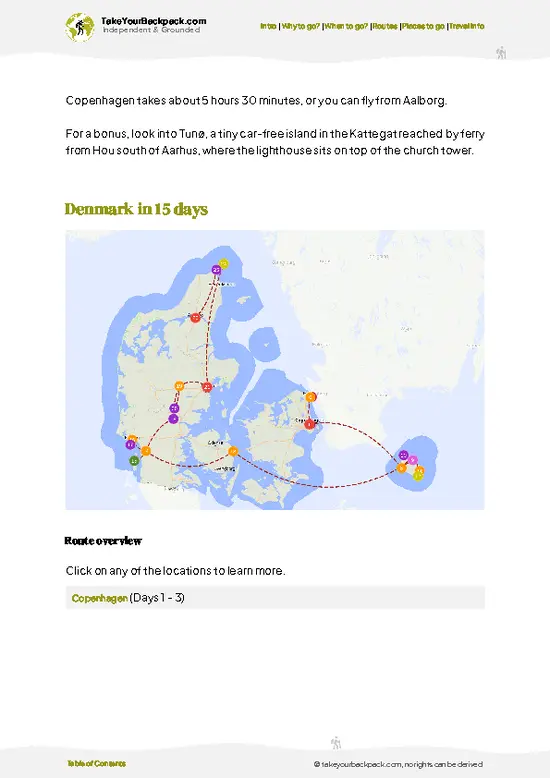
example page 0 from our offline Travel Guide for Denmark
example page 1 from our offline Travel Guide for Denmark
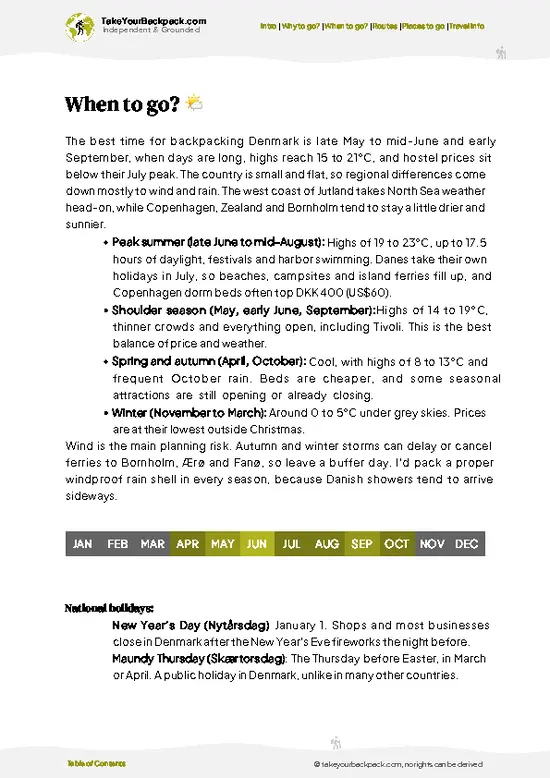
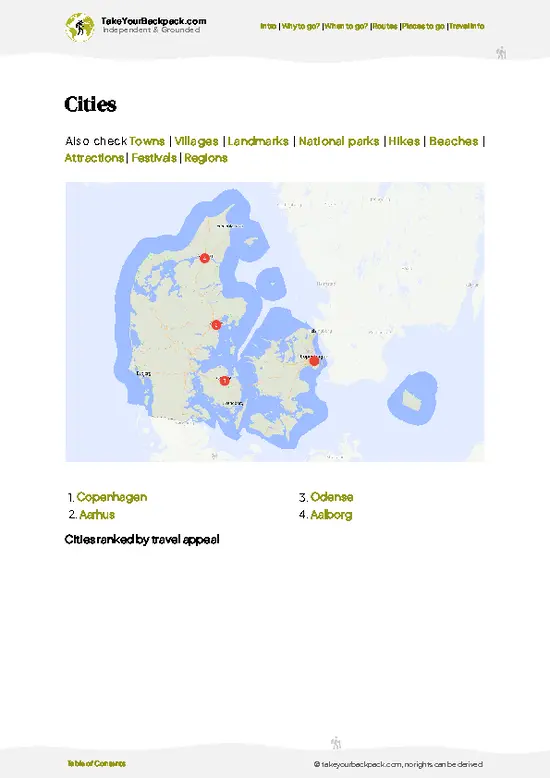
example page 2 from our offline Travel Guide for Denmark
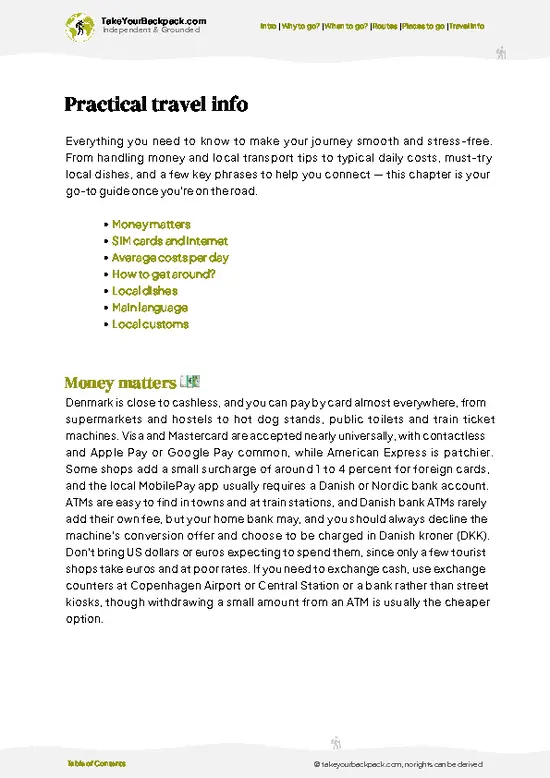
example page 3 from our offline Travel Guide for Denmark
example page 4 from our offline Travel Guide for Denmark
example page 5 from our offline Travel Guide for Denmark
example page 6 from our offline Travel Guide for Denmark
example page 7 from our offline Travel Guide for Denmark
Loading the map 🌍
CLICK TO FILTER
cities
towns
villages
landmarks
national parks
hikes
beaches
attractions
festivals
regions
SHOW COUNTRY’S BESTSHOW ALL

✨ Why go?
Ranked #10 town in Denmark
The unique appeal for travelers

Backpackers flock to Esbjerg for its convenience as a gateway to stunning hikes and serene beaches. The town’s walkable streets invite exploration, with cozy hostels and guesthouses that foster a friendly, social atmosphere. You’ll find local food experiences that reflect Danish culture, perfect for those who savor authentic tastes. Most travelers stay briefly, using Esbjerg as a launchpad for nearby adventures, but slow travelers and solo adventurers may linger longer to soak in the relaxed vibe. It’s not a nightlife hub, but the warmth of the community makes it a welcoming stop for small groups and hikers alike.

💡 HighlightsTop highlights of Esbjerg

  • Mennesket ved Havet (Man Meets the Sea) — four towering white figures on the coast that feel like Esbjerg’s calling card; great for dramatic photos, sunset walks and sensing how the city faces the North Sea.
  • Fiskeri- og Søfartsmuseet (Fisheries & Maritime Museum) — hands-on exhibits, aquariums and outdoor ships/gear that actually show you how the local fishing and offshore industries work; excellent if you like history mixed with a bit of splash and salt air.
  • Esbjerg Kunstmuseum (Esbjerg Art Museum) — a compact but solid modern art collection and rotating shows that give a good feel for Danish 20th- and 21-century art without the overwhelm of a big city museum.
  • Esbjerg Havn and the Trawler Quay — walk the working harbour to watch trawlers, offshore vessels and the wind-farm logistics
… read more 👉
  • Mennesket ved Havet (Man Meets the Sea) — four towering white figures on the coast that feel like Esbjerg’s calling card; great for dramatic photos, sunset walks and sensing how the city faces the North Sea.
  • Fiskeri- og Søfartsmuseet (Fisheries & Maritime Museum) — hands-on exhibits, aquariums and outdoor ships/gear that actually show you how the local fishing and offshore industries work; excellent if you like history mixed with a bit of splash and salt air.
  • Esbjerg Kunstmuseum (Esbjerg Art Museum) — a compact but solid modern art collection and rotating shows that give a good feel for Danish 20th- and 21-century art without the overwhelm of a big city museum.
  • Esbjerg Havn and the Trawler Quay — walk the working harbour to watch trawlers, offshore vessels and the wind-farm logistics that drive the local economy; it’s industrial scenery with real-life action and good seafood spots nearby.
  • Fanø Ferry Terminal — the short ferry ride to Fanø starts here, but the terminal itself is lively: fish stalls, ferry-watchers and a proper link to island life — useful even if you’re not taking the boat the same day.
  • Sædding Strand / Esbjerg Strand promenade — wide sandy beach and dunes right by the city: perfect for long walks, kite blowing, winter storms or lazy summer swims, and it’s close to the Man Meets the Sea statues.
  • Torvet (Market Square) & Esbjerg Town Hall — the city’s social heart: markets, cafés, occasional events and interesting municipal architecture; good for people-watching and getting a feel for daily Esbjerg life.
  • Esbjerg Vandtårn (the Water Tower) — a distinctive historic brick tower that marks the skyline; even if it’s not always open, it’s worth seeing up close and makes a nice photo subject on a casual wander.
  • Musikhuset / Esbjerg Theatre (performing arts) — catch a concert, play or local performance if you can; the program tends to mix Danish touring acts, local ensembles and community productions that show the city’s cultural pulse.
  • Esbjerg Byhistoriske Museum (City & Local History) — small, focused exhibits about Esbjerg’s fast growth from the 19th century onwards, the fishing/offshore story and local life — useful context after you’ve seen the harbour and industrial sites.
A few excellent day trips from Esbjerg: the tidal Wadden Sea (UNESCO mudflat walks), the historic town of Ribe with its cathedral and cobbled streets, and the island of Fanø (beaches and traditional villages) — all short, visitable trips from the city.
Spotted a mistake or missing something? Contact us.

Things to do near Esbjerg

Ratings based on Tripadvisor reviews. When you book through this link, you support our work at no extra cost to you.

🏘️ NeighborhoodsNeighborhood guide to Esbjerg

Esbjerg is a charming coastal town that balances urban life with a laid-back vibe, making it a great stop for backpackers.

City Center: This is the heartbeat of Esbjerg. You’ll find cafes, shops, and the iconic White Cliffs. It’s walkable and buzzing, perfect for short stays. Nightlife is lively but not overwhelming.

Fanoe Island: A quick ferry ride away, this area offers serene beaches and quaint villages. Ideal for longer stays, it’s quieter and perfect for those seeking nature over nightlife.

Esbjerg East: A residential area with local charm. It’s less touristy, providing a more authentic experience. Affordable accommodations are available, but nightlife is minimal. Great for longer stays if you want to immerse yourself in local life.

Each area has its own flavor, allowing you to tailor your experience based on what you seek.

⌛️ 1 dayA smart one-day plan

Esbjerg, with its coastal charm and vibrant harbor, offers a unique blend of modernity and tradition. Start your morning at the iconic White Cliffs, where the sun breaks over the horizon, casting a soft glow on the chalky landscape. The salty breeze carries the scent of the sea, invigorating your senses as you stroll along the shore.

After soaking in the views, head to the bustling Esbjerg Market. Here, local vendors showcase fresh produce and artisanal goods. Grab a pastry from a nearby bakery—trust me, the cinnamon rolls are a must.

In the afternoon, explore the lesser-known neighborhood of Guldager, where street art brings life to the walls. It’s a refreshing contrast to the more touristy spots. Visit the Esbjerg Art Museum, where contemporary pieces spark conversation and reflection. … read more 👉
Esbjerg, with its coastal charm and vibrant harbor, offers a unique blend of modernity and tradition. Start your morning at the iconic White Cliffs, where the sun breaks over the horizon, casting a soft glow on the chalky landscape. The salty breeze carries the scent of the sea, invigorating your senses as you stroll along the shore.

After soaking in the views, head to the bustling Esbjerg Market. Here, local vendors showcase fresh produce and artisanal goods. Grab a pastry from a nearby bakery—trust me, the cinnamon rolls are a must.

In the afternoon, explore the lesser-known neighborhood of Guldager, where street art brings life to the walls. It’s a refreshing contrast to the more touristy spots. Visit the Esbjerg Art Museum, where contemporary pieces spark conversation and reflection.

As evening approaches, make your way to the harbor for a seafood dinner at a cozy restaurant. The catch of the day, paired with a local brew, is the perfect way to wrap up your day. The sunset over the water is the cherry on top, a moment that makes every step worth it.

🌤️ When to go?When to go for the best experience

  • Weather: Esbjerg’s coastal location means wind and rain are common outside summer. From June to August, expect mild, drier days with temperatures around 17-21°C (63-70°F), perfect for exploring without the chill or soggy gear.
  • Temperature: Winters hover near freezing, 0-5°C (32-41°F), often damp and gray, which can sap energy. Spring and fall are unpredictable, swinging between chilly and pleasant, so pack layers if you go then.
  • Daylight Hours: Summer days stretch long, with up to 17 hours of light in June, giving you plenty of time to roam the harbor and beaches. Winter shrinks daylight to about 7 hours, making sightseeing feel rushed and limiting outdoor activities.
  • Crowds: Esbjerg isn’t a tourist hotspot, but summer sees a noticeable uptick in visitors, especially locals on holiday.
… read more 👉
  • Weather: Esbjerg’s coastal location means wind and rain are common outside summer. From June to August, expect mild, drier days with temperatures around 17-21°C (63-70°F), perfect for exploring without the chill or soggy gear.
  • Temperature: Winters hover near freezing, 0-5°C (32-41°F), often damp and gray, which can sap energy. Spring and fall are unpredictable, swinging between chilly and pleasant, so pack layers if you go then.
  • Daylight Hours: Summer days stretch long, with up to 17 hours of light in June, giving you plenty of time to roam the harbor and beaches. Winter shrinks daylight to about 7 hours, making sightseeing feel rushed and limiting outdoor activities.
  • Crowds: Esbjerg isn’t a tourist hotspot, but summer sees a noticeable uptick in visitors, especially locals on holiday. This means livelier streets and open attractions, but also slightly higher prices and busier accommodations.
  • Seasonal Activities: Summer unlocks outdoor festivals, harbor tours, and beach time. Spring and fall offer quieter walks and birdwatching along the Wadden Sea, but some attractions may close or reduce hours.
  • Price Fluctuations: Accommodation and transport costs peak in July and August. Visiting in late May or early September can save money while still enjoying decent weather and daylight.
Pro-tip: Aim for late May or early September to catch Esbjerg’s sweet spot—long days, manageable crowds, and wallet-friendly rates—so you get the best of the coast without the summer crush.


source: climatestotravel.comJANJanuary: below average for travelingFEBFebruary: below average for travelingMARMarch: fair for travelingAPRApril: good for travelingMAYMay: highly recommended for travelingJUNJune: excellent for travelingJULJuly: excellent for travelingAUGAugust: excellent for travelingSEPSeptember: highly recommended for travelingOCTOctober: good for travelingNOVNovember: fair for travelingDECDecember: below average for traveling
when-to-go

✈️ The backpacker research shortcutDenmark Travel Guide

An offline-friendly backpacking guide with optimized travel routes, ranked highlights, transport advice, and the best areas to stay.
example page 0 from our offline Travel Guide for Denmark
example page 1 from our offline Travel Guide for Denmark
example page 2 from our offline Travel Guide for Denmark
example page 3 from our offline Travel Guide for Denmark
example page 4 from our offline Travel Guide for Denmark
example page 5 from our offline Travel Guide for Denmark
example page 6 from our offline Travel Guide for Denmark
example page 7 from our offline Travel Guide for Denmark
The digital guide (359 pages) contains:
✅ 97 highlights, ranked by travel appeal
✅ Optimized 5, 10 & 15-day travel routes
✅ Cities, national parks, landmarks, beaches
✅ How to get around
✅ Offline-friendly for travel without Wi-Fi
👉 Click to see all 30+ guide features

📅 Plan smarter in minutes, not weeks
✅ Month by month travel advice
✅ Festivals & national holidays
✅ Budget expectations

🗺️ Go to the right places, skip the overrated ones
✅ Honest pros & cons of destinations
✅ Top hikes, parks & viewpoints
✅ Lesser-known places most travelers miss
✅ Clear “worth it vs skip it” guidance

🛏️ Travel smoothly without rookie mistakes
✅ Best areas to stay
✅ Transport systems explained simply
✅ Common scams & safety advice
✅ SIM cards, money & practical tips

🌍 Understand the country, not just visit it
✅ Culture & traditions
✅ 52 Essential phrases & customs
✅ Festivals worth planning around
✅ Traveler-friendly historical context
✅ Insights that make places more meaningful

📱 Built for real travel conditions
✅ Fully downloadable PDF
✅ Works completely offline
✅ Optimized for phone use
✅ Useful in remote areas & buses
✅ Everything in one place
Stop searching, start planning
Get instant access to your full guide. 30‑day money-back guarantee.
+ Add another guide for just

By proceeding you agree to our terms.
Sent to your inbox immediately after payment • 100% Secure Checkout
Best Backpacking Travel Advisor 2025 tourism awardBest Backpacking
Travel Advisor
2025
What others say about Take Your Backpack Guides:
⭐⭐⭐⭐⭐
Fantastic, amazing amount of information!
⭐⭐⭐⭐⭐
My goodness this is amazing, it's what I've been looking for hats off too you!
⭐⭐⭐⭐⭐
I think this is absolutely BRILLIANT
⭐⭐⭐⭐
Very complete and informative. It's still missing places, but I gotta to commend you
⭐⭐⭐⭐⭐
This is truly amazing, thank you, can't wait to explore it with my kids!
⭐⭐⭐⭐⭐
Awesome resource, thank you!
⭐⭐⭐⭐⭐
This is amazing! Can't wait to explore the ones I haven't seen
⭐⭐⭐⭐
I love this! Well done, great idea.
⭐⭐⭐⭐⭐
Thanks for taking the time to make this gem!
⭐⭐⭐⭐⭐
This might be the best website I've ever seen.
⭐⭐⭐⭐⭐
Congratulations, and thank you so much for your work; it's incredibly valuable.
⭐⭐⭐⭐
In all seriousness I think you did a great job pointing out the important spots
⭐⭐⭐⭐⭐
10/10 very good
⭐⭐⭐⭐⭐
As someone who's only just starting to visit regularly this is awesome, thank you.
⭐⭐⭐⭐
Thank you very much! I'm going to visit my dad, it's going to be very useful!
⭐⭐⭐⭐⭐
This is really cool! We'll be travelling for the first time and this definitely come in handy.
⭐⭐⭐⭐⭐
You are now our minister of culture, congratulations 👨‍💼
⭐⭐⭐⭐⭐
Just wanted to tell you that this is a pearl! Going to follow your recommendations.
⭐⭐⭐⭐⭐
This is so cool. I'll definitely be using the resource for my travels soon.
⭐⭐⭐⭐⭐
This is very impressive! Good work.
⭐⭐⭐⭐⭐
This is an amazing and informative site. Very well done!

🛏️ Where to stay?Best areas and accommodation options

Esbjerg’s heart for backpackers pulses strongest around the city center and the nearby harbor district. This area is your best bet for safety and social buzz, where the streets hum with locals grabbing coffee and students swapping stories. The city center’s compact layout means you’re never far from a cozy café or a lively bar, perfect for solo travelers looking to connect without the hassle of long commutes. The light here is soft, especially in the early evening when the fading sun hits the red brick buildings, casting a warm glow that invites you to linger.

Hostel options cluster near this … read more 👉
Esbjerg’s heart for backpackers pulses strongest around the city center and the nearby harbor district. This area is your best bet for safety and social buzz, where the streets hum with locals grabbing coffee and students swapping stories. The city center’s compact layout means you’re never far from a cozy café or a lively bar, perfect for solo travelers looking to connect without the hassle of long commutes. The light here is soft, especially in the early evening when the fading sun hits the red brick buildings, casting a warm glow that invites you to linger.

Hostel options cluster near this zone, offering budget-friendly beds that double as social hubs. Staying here means you can walk to the waterfront promenade, where the salty breeze mixes with the scent of fresh fish from the market stalls. It’s a sensory reminder that you’re in a working port town, alive and authentic—not a sanitized tourist bubble.

Venture too far into the residential outskirts, and you’ll find quieter, safer neighborhoods but fewer chances to meet fellow travelers or dive into local life. For backpackers, the city center and harbor area strike the perfect balance: accessible, vibrant, and grounded in Esbjerg’s maritime soul.

🚌 Getting aroundHow to get from A to B

Esbjerg moves with a quiet, steady pulse—no rush-hour crush, no frantic timetable shouting over the North Sea breeze. The town’s rhythm is more about catching the light as it shifts across the harbor, the scent of salt and fresh fish mingling with the occasional hum of a diesel engine. It’s a place where schedules exist but don’t dominate; you’ll find that a little patience and a sense of direction go further than a strict itinerary. This easygoing flow means your best bet is to blend into the local tempo, using simple, reliable transit options that keep you grounded and flexible.
  • Walking: Esbjerg’s compact center is a walker’s playground. Most attractions, shops, and eateries cluster within a 20-minute stroll, letting you soak in the salty air and cobbled streets without spending a dime.
… read more 👉
Esbjerg moves with a quiet, steady pulse—no rush-hour crush, no frantic timetable shouting over the North Sea breeze. The town’s rhythm is more about catching the light as it shifts across the harbor, the scent of salt and fresh fish mingling with the occasional hum of a diesel engine. It’s a place where schedules exist but don’t dominate; you’ll find that a little patience and a sense of direction go further than a strict itinerary. This easygoing flow means your best bet is to blend into the local tempo, using simple, reliable transit options that keep you grounded and flexible.
  • Walking: Esbjerg’s compact center is a walker’s playground. Most attractions, shops, and eateries cluster within a 20-minute stroll, letting you soak in the salty air and cobbled streets without spending a dime. Walking here isn’t just transit—it’s your first taste of the town’s character.
  • City Buses: The local buses run frequently from early morning (around 5:30 AM) until about 11 PM. Tickets cost roughly 24 DKK for a single ride, and you can buy them on the bus or via mobile apps. Buses cover the broader city and suburbs, offering a smooth, budget-friendly way to reach spots beyond walking distance without the hassle of parking or navigating.
  • Regional Trains: Esbjerg’s train station connects you to nearby towns and the wider Danish rail network. Trains run roughly every hour, starting early around 6 AM and tapering off by 10 PM. Tickets vary but expect to pay about 50-100 DKK depending on distance. Trains are punctual and comfortable, perfect for day trips or arriving fresh from the airport.
  • Bicycle Rentals: For a bit more speed and freedom, renting a bike is a smart move. Esbjerg’s flat terrain and dedicated bike lanes make cycling safe and scenic. Rentals cost around 100-150 DKK per day. This option lets you chase the coastline or explore parks at your own pace, with the wind and sea spray as your companions.
  • Taxi Services: Taxis are available but pricey compared to other options, with fares starting around 50 DKK and climbing quickly. Use them sparingly—best for late-night returns or when you’re hauling heavy gear. Booking via app or phone is straightforward, but expect a more formal, less spontaneous vibe than the rest of Esbjerg’s transit.

👛 Costs (as of 16 October 2026)Typical daily expenses

Backpacking in Esbjerg, Denmark, carries a distinct rhythm—clean air, brisk sea breezes, and a practical cost structure that reflects its status as a working port city rather than a tourist hotspot. Here’s what you’re looking at for daily expenses if you’re traveling light and smart.
  • Dorm Accommodation: Expect to pay around €25 to €40 per night for a bed in a hostel dorm. Esbjerg’s hostels are straightforward—no frills but clean and functional, often with easy access to the waterfront or city center. Booking ahead can snag you the lower end of this range.
  • Meals: Eating out leans toward the practical side. A simple lunch or dinner at a local café or takeaway spot will cost about €10 to €15. If you hit supermarkets for groceries, you can keep daily food costs closer to €7 to €10 by grabbing
… read more 👉
Backpacking in Esbjerg, Denmark, carries a distinct rhythm—clean air, brisk sea breezes, and a practical cost structure that reflects its status as a working port city rather than a tourist hotspot. Here’s what you’re looking at for daily expenses if you’re traveling light and smart.
  • Dorm Accommodation: Expect to pay around €25 to €40 per night for a bed in a hostel dorm. Esbjerg’s hostels are straightforward—no frills but clean and functional, often with easy access to the waterfront or city center. Booking ahead can snag you the lower end of this range.
  • Meals: Eating out leans toward the practical side. A simple lunch or dinner at a local café or takeaway spot will cost about €10 to €15. If you hit supermarkets for groceries, you can keep daily food costs closer to €7 to €10 by grabbing bread, cheese, and fresh produce.
  • Local Transport: Esbjerg is compact, so walking covers most ground. For longer trips, a single bus ticket costs about €3, with day passes around €7. Renting a bike is another solid option, typically €10 to €15 per day, letting you move at your own pace while soaking in the salty air.
  • Basic Activities/Entry Fees: Museums and local attractions usually charge between €5 and €10. The Fisheries and Maritime Museum, a highlight, is around €8. Many outdoor sights, like the Wadden Sea National Park, are free, but guided tours or boat trips will push costs higher.
  • Miscellaneous Expenses: Budget around €5 to €10 for extras like coffee, snacks, or a local beer. Denmark’s prices mean these small indulgences add up, but they’re worth it for the experience of sitting in a café watching the harbor life unfold.

All told, you’re looking at roughly €50 to €80 per day to cover the essentials without cutting corners. Esbjerg’s charm isn’t flashy—it’s in the steady hum of daily life by the sea, and the costs reflect that straightforward vibe. Planning your days around walking and self-catering can stretch your budget further, letting you linger longer in this coastal town’s quiet, salty atmosphere.


source: visitdenmark.com
⚠️ Prices can change and everyone travels differently, so take this as a rough guide. Hope it helps you plan your adventure!

🚌 Day tripsShort trips worth adding

Esbjerg is a fantastic launchpad for exploring Denmark’s coastal beauty and rich history. Here are some day trips that pack a punch.

Ribe: The Oldest Town
Just a 30-minute train ride from Esbjerg, Ribe feels like stepping back in time. The cobblestone streets are lined with half-timbered houses, and the scent of fresh pastries wafts from local bakeries. Don’t miss the Viking Center, where you can immerse yourself in history. Aim for a weekday visit to avoid crowds. Total costs? Around 100 DKK for the train and a few hundred for food and entry fees. The best time is spring or early fall when the weather is mild and the town is less busy. A common mistake is skipping the guided tours; they add depth to the experience.
👉 Explore Ribe

Mandoe Island: Nature’s Retreat
A short ferry ride from … read more 👉
Esbjerg is a fantastic launchpad for exploring Denmark’s coastal beauty and rich history. Here are some day trips that pack a punch.

Ribe: The Oldest Town
Just a 30-minute train ride from Esbjerg, Ribe feels like stepping back in time. The cobblestone streets are lined with half-timbered houses, and the scent of fresh pastries wafts from local bakeries. Don’t miss the Viking Center, where you can immerse yourself in history. Aim for a weekday visit to avoid crowds. Total costs? Around 100 DKK for the train and a few hundred for food and entry fees. The best time is spring or early fall when the weather is mild and the town is less busy. A common mistake is skipping the guided tours; they add depth to the experience.
👉 Explore Ribe

Mandoe Island: Nature’s Retreat
A short ferry ride from Esbjerg, Mandoe Island offers stunning landscapes and tranquility. The island is a birdwatcher’s paradise, especially in spring when migratory birds return. Bring a packed lunch and enjoy it by the water. The ferry costs about 50 DKK round trip, and you can easily spend a whole day here. Late spring or early summer is ideal for the best weather. First-timers often underestimate the island’s size; plan your walking route ahead to avoid missing key spots.


Legoland Billund: Fun for All Ages
About an hour from Esbjerg, Legoland is a blast, even for adults. The park is filled with intricate Lego models and thrilling rides. Tickets are around 400 DKK, so budget for a full day of fun. Late spring through summer is peak season, but visiting on weekdays can help you dodge the lines. A rookie mistake? Not checking the ride height restrictions beforehand; it can save you disappointment.
👉 Explore Legoland Billund

🛡️ SafetyStaying Safe: What Travelers Should Know

Esbjerg is generally safe, but like any town, a little awareness goes a long way. Stick to well-lit areas at night, especially around the harbor and city center. Solo travelers should trust their instincts; if something feels off, it probably is.

While scams are rare, be cautious of overly friendly strangers offering unsolicited help. Everyday annoyances might include the occasional group of rowdy locals, especially on weekends. Keep your belongings close and maintain a confident posture. This way, you’ll blend in and enjoy the charm of Esbjerg without a hitch.

FAQTraveler FAQ

Yes, Esbjerg is worth visiting for its unique blend of maritime culture, modern art, and proximity to natural attractions like the Wadden Sea National Park. It offers more than just a stopover, especially for those interested in Danish coastal life and offshore history.
2 to 3 days are sufficient to explore Esbjerg's main attractions, including the Men at Sea statues, the Fisheries and Maritime Museum, and nearby beaches. This allows time for both city exploration and a day trip to the surrounding natural areas.
Yes, Esbjerg can be visited as a day trip from nearby cities like Aarhus or Odense. It is about 90 to 120 minutes by train or car, making it feasible for a full day of sightseeing without overnight accommodation.
⚠️ Things can change over time, so always validate details locally before you go.

Other Danish towns near Esbjerg

Explore more nearby:

  • Ribe—medieval streets, Viking history, cathedral square| 26 km away
  • Billund—LEGO origins, family attractions, airport hub| 50 km away
  • Ringkøbing—windblown fjord, red brick houses, cobbled square| 69 km away

💡 Not sure where to go next?
Create a personalized itinerary for Denmark including Esbjerg and the places that fit your trip.

Generate my itinerary

👉 Discover all towns

Or checkout all Denmark has to offer (think cities, towns, villages, national parks, hikes, beaches, festivals)
Country photo of Denmark

We 💚 feedbackWhat to keep in mind

Esbjerg’s coastal vibe is magnetic. Strolling along the harbor, you can almost taste the salt in the air and hear the waves whispering tales of the sea. But be ready: the weather can turn on a dime, so pack layers. Embrace the unpredictability; it’s part of the charm.

✈️ When did I visit Denmark?
Denmark, being close to my home country, I have been visiting a couple of times in the years 1999 to 2025.

✍️ Help improve this page!
The information on this page is based on my own backpacking experience in Denmark, supplemented with up-to-date research and feedback from other travelers. Travel details can change, so if you notice anything outdated or incomplete, feel free to let me know.


🙋‍♂️ Give feedback

👋 Meet the founderWho’s Behind Take Your Backpack?

Johan, backpacker and founder of TakeYourBackpackHi, I’m Johan (Netherlands 🇳🇱), the creator of TakeYourBackpack. Over the past 3 decades, I’ve backpacked through 90+ countries across six continents, gaining extensive experience with independent travel, long-term trips, and overland routes.

This site is built on a combination of firsthand travel experience and carefully curated insights from other backpackers. Many guides are based on places I’ve personally visited, while others bring together tips, observations, and practical advice shared by trusted travelers I’ve met along the way.

The goal is to provide realistic, experience-driven guidance — not generic itineraries — so you can explore destinations with better context, clearer expectations, and more confidence.