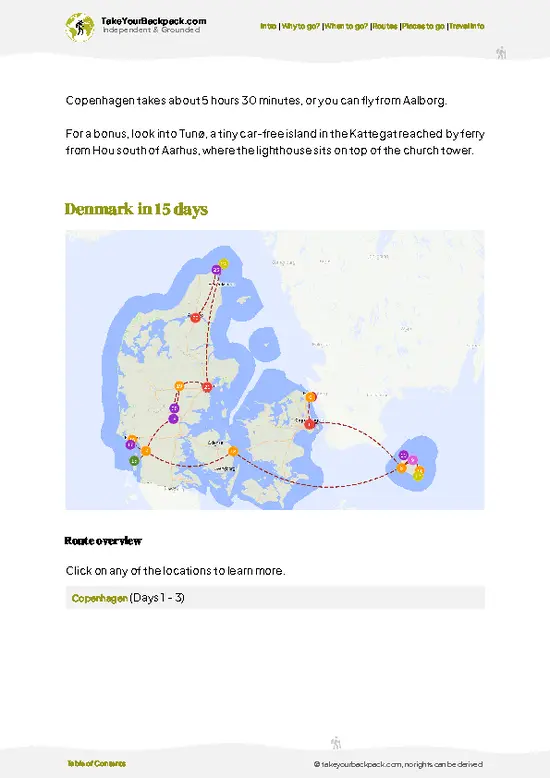
v2.webp)
- Moler cliffs (the moler exposures along the northern shore) — The reason people actually know Fur: these chalky, diatomite cliffs show layer after layer of 55-million-year-old sediment. Walks along the shore give you striking striped cliffs, fragile pinnacles and an easy sense of deep geological time you won’t get on a normal beach.
- Fossil-hunting beaches — Storms wash out fish, insect and plant fossils from the moler and deposit them on the beach. Bring a hammer and eye for flat, dark slabs and you can find real Paleogene fossils right where locals do — it’s hands-on history, and every find feels like proof this place is unique.
- Fur Church (Fur Kirke) — A small, old island church with typical rural Danish character. It’s quietly historic (Romanesque roots), sits in the countryside and
- Moler cliffs (the moler exposures along the northern shore) — The reason people actually know Fur: these chalky, diatomite cliffs show layer after layer of 55-million-year-old sediment. Walks along the shore give you striking striped cliffs, fragile pinnacles and an easy sense of deep geological time you won’t get on a normal beach.
- Fossil-hunting beaches — Storms wash out fish, insect and plant fossils from the moler and deposit them on the beach. Bring a hammer and eye for flat, dark slabs and you can find real Paleogene fossils right where locals do — it’s hands-on history, and every find feels like proof this place is unique.
- Fur Church (Fur Kirke) — A small, old island church with typical rural Danish character. It’s quietly historic (Romanesque roots), sits in the countryside and gives a good sense of island community life across centuries — plus pleasant views from the churchyard.
- The ferry crossing and harbour walk — The short ferry ride to Fur is part of the experience: small, local, scenic and easy. Once ashore, the harbour and waterfront areas are where island life happens — fishing boats, working quays and a very relaxed pace that’s instantly different from the mainland.
- Fur Bryghus (the island brewery) — A tiny, local brewery producing beers with island character. It’s low-key, often run by people who live on Fur, and a great way to taste something made from local water and sold in the village — simple, convivial and genuinely local.
- Circular cycling and hiking routes — Fur is small enough that a day’s bike ride loops through farmland, past mole cliffs, shorelines and villages. The lanes are quiet, the views change fast, and the mix of sea, cliffs and fields makes the circuit feel like a compact sampler of Denmark’s coastal geology and rural life.
- Tidal flats and birdwatching spots — The shallow Limfjord around Fur attracts ducks, waders and migrating birds. Bring binoculars and check low-tide areas for concentrations of birds — an underrated natural draw for anyone who likes wildlife without big crowds.
- Traces of the old lime industry (lime kilns and quarries) — Scattered remnants of Fur’s lime-burning past give the island an industrial-heritage layer most visitors miss. The quarries and kiln ruins sit against farm landscapes and the moler cliffs, telling a storytelling-of-place that complements the fossils.
- Hidden gem: secluded fossil coves on the lesser-walked northern shore — Skip the most obvious stretches and you’ll find small inlets and ledges where locals pry fossils out of freshly fallen blocks. Quiet, muddy, a little messy — perfect for people who’d rather search than shop.
- Hidden gem: island farm stands and seasonal produce stalls — Fur’s tiny farms sell potatoes, eggs and seasonal vegetables straight from the field. They’re the kind of local stalls tourists often drive past but locals rely on; buy something and you get a snapshot of everyday island living — and better food for your picnic.
Spotted a mistake or missing something? Contact us.

Ghosts of Aalborg: The Witch Trial Exploration Game

Private Cultural Walk in Historic Aalborg

Aalborg Self-Guided Detective Murder Mystery Game

Aalborg Private Cultural Walking Tour

Aalborg Private Walking Tour from Cruise Port

Private Transfer From Aalborg to Copenhagen

Virtual Reality in Aalborg Unforgottable VR and Laser Adventure

Private Christmas Heritage Walk in Historic Aalborg

Private Airport and City Transfers in Aalborg


 Best Backpacking
.jpg) Hi, I’m Johan (Netherlands 🇳🇱), the creator of TakeYourBackpack. Over the past 3 decades, I’ve backpacked through 90+ countries across six continents, gaining extensive experience with independent travel, long-term trips, and overland routes.
Hi, I’m Johan (Netherlands 🇳🇱), the creator of TakeYourBackpack. Over the past 3 decades, I’ve backpacked through 90+ countries across six continents, gaining extensive experience with independent travel, long-term trips, and overland routes.