v2.webp)
Køge Torv (Køge Town Square)
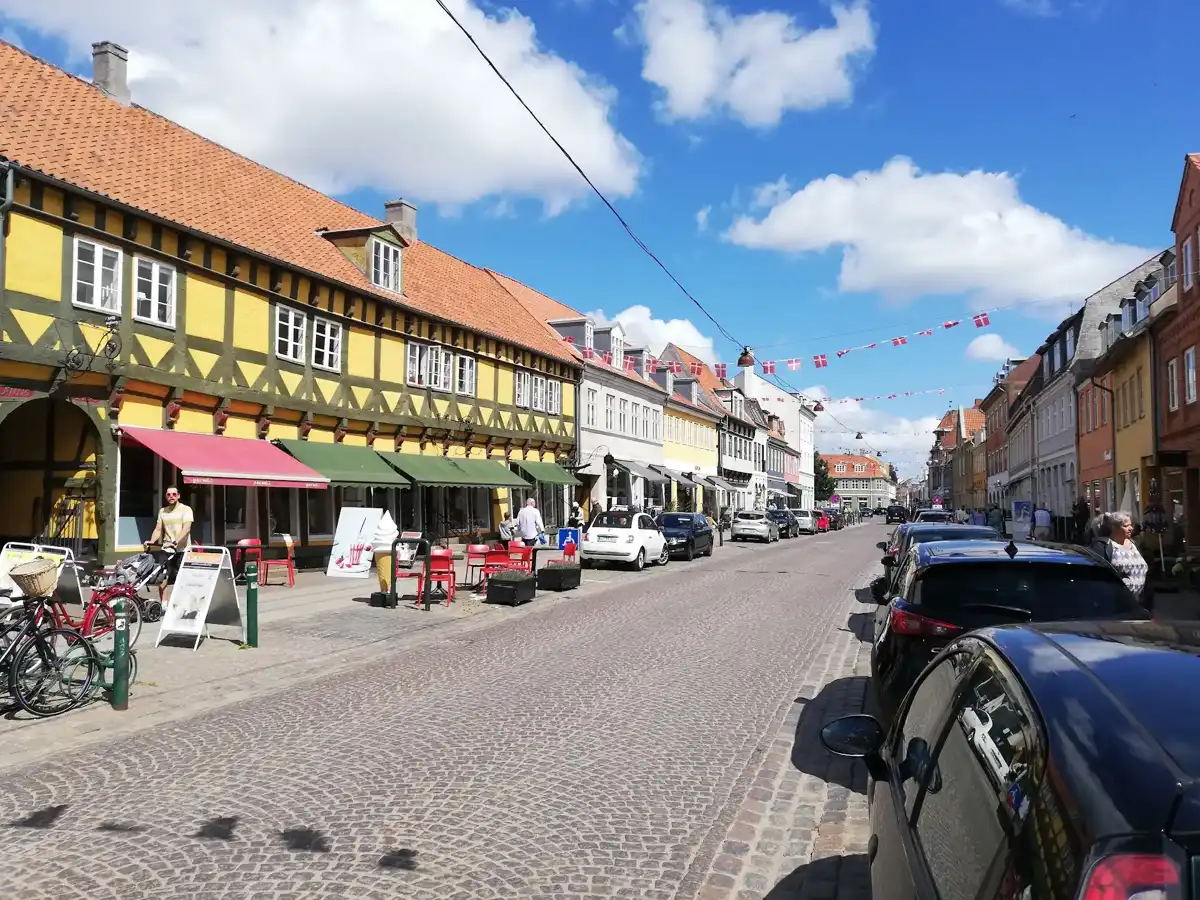
Stand in the heart of Køge, where the cobblestones have seen five centuries of market chatter and political drama. On Wednesdays and Saturdays, the square fills with stalls selling everything from local strawberries to rye bread so dense it could anchor a boat. The half-timbered houses lean in, their ochre and deep red facades catching the northern light. Free to wander; market mornings are best. Give yourself an hour, but linger longer if you want to people-watch with a pastry in hand.
Køge Kirke (St. Nicholas Church)
Step inside this brick Gothic church and you’ll catch the scent of old wood and candle wax. The tower, visible from nearly everywhere in town, has anchored Køge’s skyline since the 14th century. Climb the narrow spiral staircase for a view that stretches … read more 👉
Stand in the heart of Køge, where the cobblestones have seen five centuries of market chatter and political drama. On Wednesdays and Saturdays, the square fills with stalls selling everything from local strawberries to rye bread so dense it could anchor a boat. The half-timbered houses lean in, their ochre and deep red facades catching the northern light. Free to wander; market mornings are best. Give yourself an hour, but linger longer if you want to people-watch with a pastry in hand.
Køge Kirke (St. Nicholas Church)
Step inside this brick Gothic church and you’ll catch the scent of old wood and candle wax. The tower, visible from nearly everywhere in town, has anchored Køge’s skyline since the 14th century. Climb the narrow spiral staircase for a view that stretches … read more 👉
Køge Torv (Køge Town Square)
Stand in the heart of Køge, where the cobblestones have seen five centuries of market chatter and political drama. On Wednesdays and Saturdays, the square fills with stalls selling everything from local strawberries to rye bread so dense it could anchor a boat. The half-timbered houses lean in, their ochre and deep red facades catching the northern light. Free to wander; market mornings are best. Give yourself an hour, but linger longer if you want to people-watch with a pastry in hand.
Køge Kirke (St. Nicholas Church)
Step inside this brick Gothic church and you’ll catch the scent of old wood and candle wax. The tower, visible from nearly everywhere in town, has anchored Køge’s skyline since the 14th century. Climb the narrow spiral staircase for a view that stretches to the sea—worth the leg burn. Entry is free, but a small donation is appreciated. Visit late afternoon for golden light through stained glass. Allow 45 minutes.
Køge Museum
History here isn’t behind glass—it’s under your feet. The museum is built over archaeological finds, and you can walk above ancient foundations on glass floors. The exhibits are tactile and clever, with interactive displays that make even Viking pottery feel urgent. Adults: around 90 DKK. Closed Mondays. Two hours is about right.
Køge Miniby (Miniature Town)
This isn’t a kitschy model village. Volunteers have recreated Køge as it looked in 1865, brick by painstaking brick, at a 1:10 scale. The craftsmanship is obsessive, and you’ll spot details—tiny gutters, hand-painted signs—that reveal the pride locals take in their heritage. Open April-October, 40 DKK. Best on a sunny morning. Plan for 30-45 minutes.
Strandpromenaden (Køge Beach Promenade)
Salt air, the crunch of shells underfoot, and the low hum of Danish families grilling sausages. The promenade runs along Køge Bay, with grassy dunes and a wide, sandy beach. In summer, the water is brisk but swimmable; in winter, it’s a bracing walk with the Baltic wind in your face. Free, always open. Sunset is magic. Stay as long as you like.
For day trips, the Viking Ship Museum in Roskilde, Stevns Klint’s chalk cliffs, and the medieval streets of Dragør are all within easy reach—Stevns Klint, with its fossil-rich cliffs and wild sea air, is my personal favorite.
Stand in the heart of Køge, where the cobblestones have seen five centuries of market chatter and political drama. On Wednesdays and Saturdays, the square fills with stalls selling everything from local strawberries to rye bread so dense it could anchor a boat. The half-timbered houses lean in, their ochre and deep red facades catching the northern light. Free to wander; market mornings are best. Give yourself an hour, but linger longer if you want to people-watch with a pastry in hand.
Køge Kirke (St. Nicholas Church)
Step inside this brick Gothic church and you’ll catch the scent of old wood and candle wax. The tower, visible from nearly everywhere in town, has anchored Køge’s skyline since the 14th century. Climb the narrow spiral staircase for a view that stretches to the sea—worth the leg burn. Entry is free, but a small donation is appreciated. Visit late afternoon for golden light through stained glass. Allow 45 minutes.
Køge Museum
History here isn’t behind glass—it’s under your feet. The museum is built over archaeological finds, and you can walk above ancient foundations on glass floors. The exhibits are tactile and clever, with interactive displays that make even Viking pottery feel urgent. Adults: around 90 DKK. Closed Mondays. Two hours is about right.
Køge Miniby (Miniature Town)
This isn’t a kitschy model village. Volunteers have recreated Køge as it looked in 1865, brick by painstaking brick, at a 1:10 scale. The craftsmanship is obsessive, and you’ll spot details—tiny gutters, hand-painted signs—that reveal the pride locals take in their heritage. Open April-October, 40 DKK. Best on a sunny morning. Plan for 30-45 minutes.
Strandpromenaden (Køge Beach Promenade)
Salt air, the crunch of shells underfoot, and the low hum of Danish families grilling sausages. The promenade runs along Køge Bay, with grassy dunes and a wide, sandy beach. In summer, the water is brisk but swimmable; in winter, it’s a bracing walk with the Baltic wind in your face. Free, always open. Sunset is magic. Stay as long as you like.
For day trips, the Viking Ship Museum in Roskilde, Stevns Klint’s chalk cliffs, and the medieval streets of Dragør are all within easy reach—Stevns Klint, with its fossil-rich cliffs and wild sea air, is my personal favorite.
Spotted a mistake or missing something? Contact us.

Private Copenhagen Boat cruise in Scandinavian mahogany boat

Private Copenhagen Boat Tour: Landmarks and Hidden Gems

Private Copenhagen Family Cargo Bike Tour

2-Hour Private Copenhagen Segway Tour - Your own private group

The Secret to Danish Happiness: Nørrebro Culture & Fairytales

Copenhagen Food Bike Tour - taste local delights

3 Hour Extended Copenhagen E-Bike Guided Tour

3 hr Highlights Bike Tour - Native Guide - Incl. a Free Audiowalk

Copenhagen Hidden Gems Food Tour: Authentic Tastings with Bite Me

 Best Backpacking
.jpg) Hi, I’m Johan (Netherlands 🇳🇱), the creator of TakeYourBackpack. Over the past 3 decades, I’ve backpacked through 90+ countries across six continents, gaining extensive experience with independent travel, long-term trips, and overland routes.
Hi, I’m Johan (Netherlands 🇳🇱), the creator of TakeYourBackpack. Over the past 3 decades, I’ve backpacked through 90+ countries across six continents, gaining extensive experience with independent travel, long-term trips, and overland routes.