v2.webp)
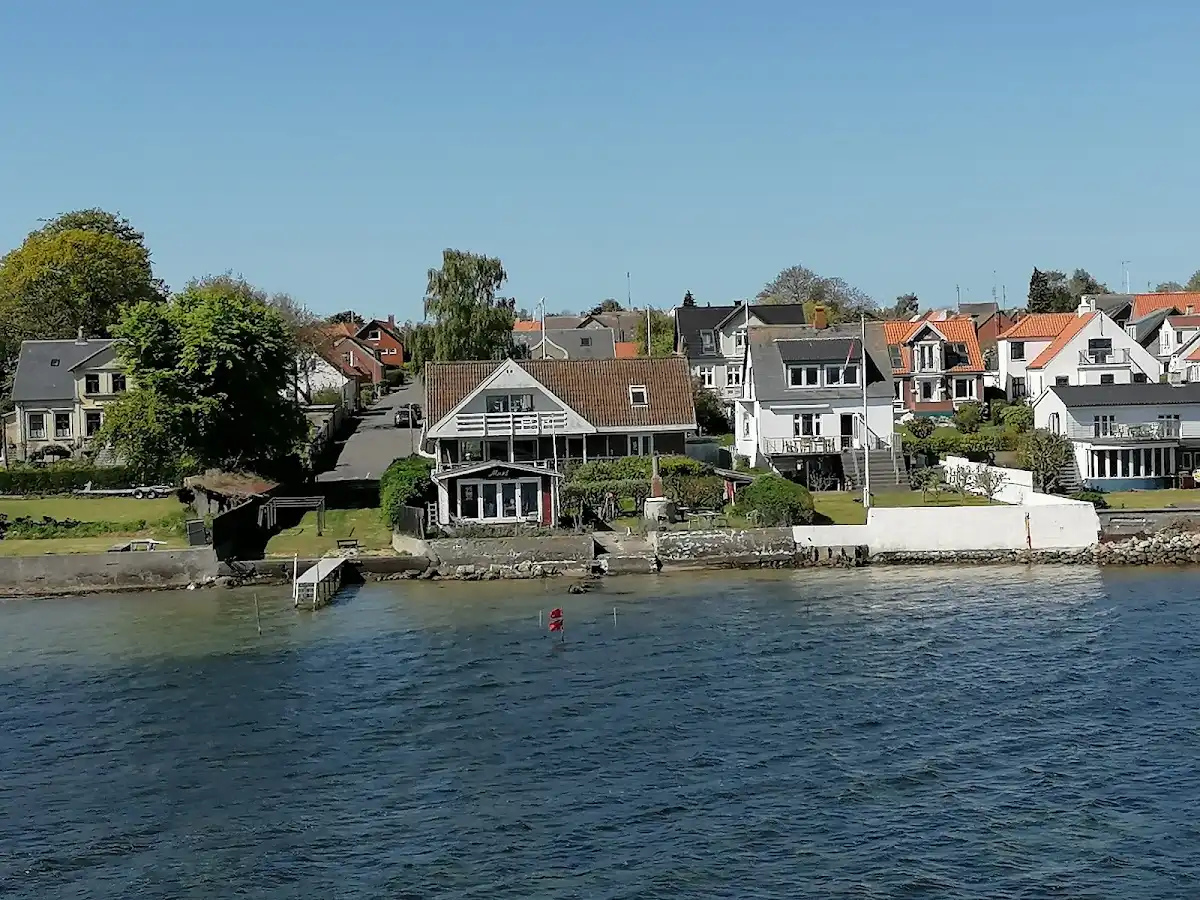
- Marstal Søfartsmuseum (Marstal Maritime Museum) — The town’s centerpiece: hands-on exhibits about Ærø’s seafaring past, ship models, captain’s cabins and a rooftop/viewing point that keeps the harbour and the sea in focus. A must for understanding why Marstal looks and feels the way it does.
- Marstal Kirke — A solid 19th-century church with a tall spire you can spot from the water; inside you’ll find maritime memorials, ship models and plaques to seafarers that tell the human side of the town’s shipping history.
- Marstal Havn (the harbour) — The harbour is living history: ferries, fishing boats, sailing yachts, quayside workshops and cafés. Walk the piers at low light, watch crewmembers work on gear and soak up the maritime atmosphere.
- Skipperkvarteret / the old captains’ quarter — The
- Marstal Søfartsmuseum (Marstal Maritime Museum) — The town’s centerpiece: hands-on exhibits about Ærø’s seafaring past, ship models, captain’s cabins and a rooftop/viewing point that keeps the harbour and the sea in focus. A must for understanding why Marstal looks and feels the way it does.
- Marstal Kirke — A solid 19th-century church with a tall spire you can spot from the water; inside you’ll find maritime memorials, ship models and plaques to seafarers that tell the human side of the town’s shipping history.
- Marstal Havn (the harbour) — The harbour is living history: ferries, fishing boats, sailing yachts, quayside workshops and cafés. Walk the piers at low light, watch crewmembers work on gear and soak up the maritime atmosphere.
- Skipperkvarteret / the old captains’ quarter — The cluster of narrow streets and traditional sailors’ houses near the harbour; small wooden homes with gardens, maritime details and a real sense of the families who made a living at sea.
- Marstal Navigationsskole (the old navigation school building) — The town’s historic navigation school is part of Marstal’s identity as a seafaring training place; the building and its surroundings are worth seeing to get why Marstal produced so many mariners.
- Marstal Værft and boatyards — Active repair sheds, slipways and craftsmen at work — one of the best places to watch traditional boatbuilding and maintenance on a small scale. You can often see hulls, sanding and varnishing up close.
- Skjoldnæs Fyr (lighthouse) — A short walk from town (but still part of Marstal’s coastal zone): this lighthouse sits on the headland with big views out over the Baltic, dramatic weather-watching and good spots for a shoreline stroll.
- Pakhuset / the harbour warehouse (cultural space) — A converted waterside warehouse that hosts local concerts, exhibitions and events; it’s where the town’s cultural life meets its maritime roots, and calendars here give a real local flavour.
- Seamen’s memorials and graveyards — Scattered around are monuments and graves dedicated to sailors lost at sea; quiet, poignant places that reveal the cost behind the town’s shipping wealth and make for thoughtful, respectful visits.
- Quayside cafés, bakeries and small galleries — Marstal’s best experiences are low-key: sit by the water with a pastry, watch ship traffic, poke into tiny galleries and second-hand shops — the everyday life here is what makes the town memorable.
Spotted a mistake or missing something? Contact us.

Escape the City Odense - City Walk with Puzzles

Two hour city tour through the new Odense

Odense Craft BeerWalk

Private Heritage Walking Tour in Odense Old Town

Private 90 Minutes Mystery of Elvira Madigan Crime Audio Tour

Private Transfer From Odense to Copenhagen

Private Transfer From Odense To Copenhagen With Stop In Roskilde

Odense Private Walking Tour

 Best Backpacking
.jpg) Hi, I’m Johan (Netherlands 🇳🇱), the creator of TakeYourBackpack. Over the past 3 decades, I’ve backpacked through 90+ countries across six continents, gaining extensive experience with independent travel, long-term trips, and overland routes.
Hi, I’m Johan (Netherlands 🇳🇱), the creator of TakeYourBackpack. Over the past 3 decades, I’ve backpacked through 90+ countries across six continents, gaining extensive experience with independent travel, long-term trips, and overland routes.