×

Denmark🇩🇰 | landmarksRåbjerg Milewandering sand dune, open heath, shifting landscape | things to do and best time to go

Explore Månsted KalkgruberExplore Viborg Domkirke

Backpacking in Råbjerg Mile
🌟 Highlightunique site ranked #5
By Johan Kruseman 🇳🇱 | Updated September 4, 2026

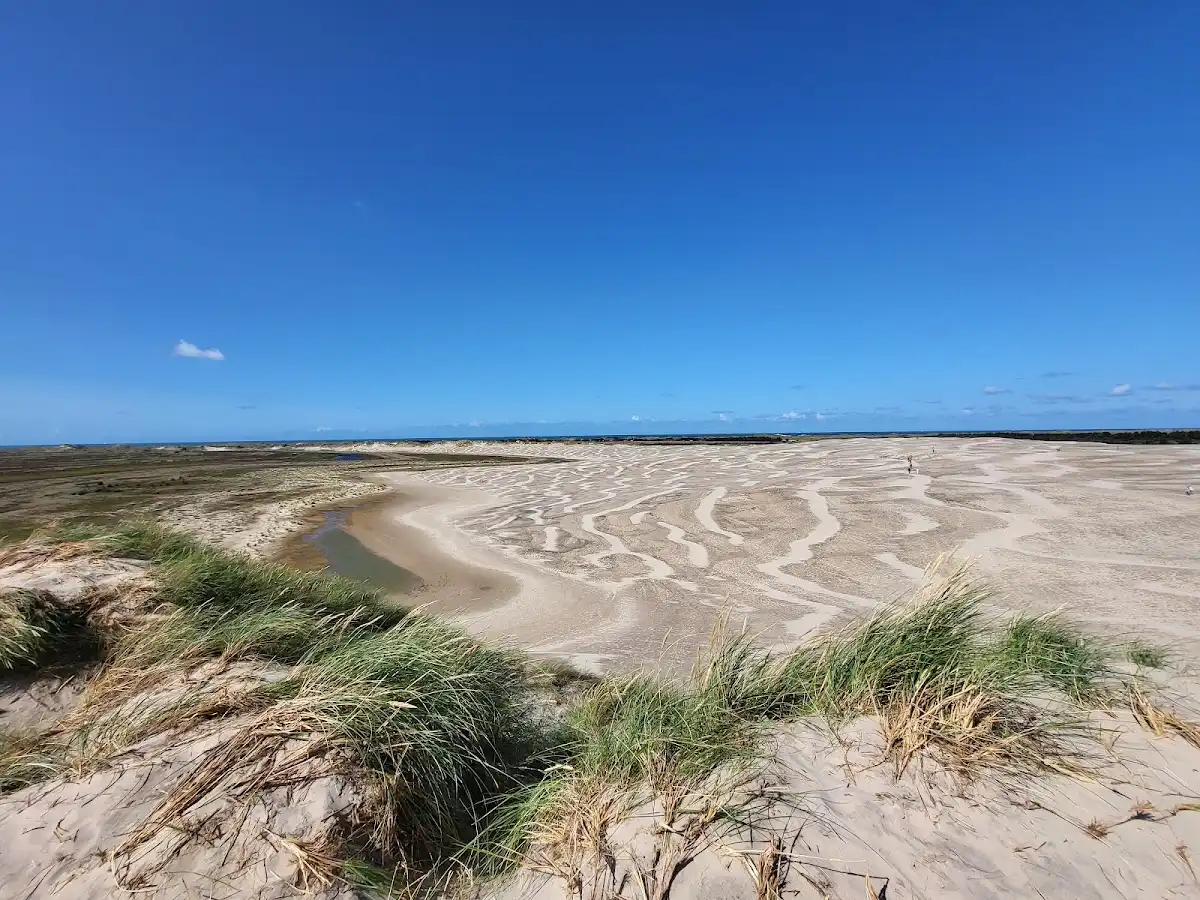
Everyone shows up at Råbjerg Mile for that “Sahara in Scandinavia” shot, but the real magic isn’t the sand selfie; it’s the weird feeling that the landscape is literally on the move under your feet. This migrating coastal dune, in North Jutland between Skagen and Hirtshals in Denmark, is slowly marching across the countryside, swallowing trees and fences like a slow-motion sand tsunami. As a backpacker stop, it’s cheap, easy to reach by bus plus a short walk, and there’s zero ticket barrier, just a parking lot and then pure sand. The wow-factor is real if you catch it in moody weather or near sunset; at midday in July, with flip-flop crowds and kids tobogganing on the slopes, it can feel more like a giant sandbox. No deep cultural story here, just raw, shifting nature and big-sky photos.

Discover everything you want to know in the 📖 Denmark Travel Guide.


Get your Denmark guide
98 ranked highlights, routes & tips, works offline (361 pages)
Loading the map 🌍
CLICK TO FILTER
cities
towns
villages
landmarks
national parks
hikes
beaches
attractions
festivals
regions
SHOW COUNTRY’S BESTSHOW ALL

✨ Why go?
Ranked #5 unique site in Denmark
Reasons people choose to visit here

Råbjerg Mile isn’t just another stop; it’s a living dune that shifts and changes, making it a unique spectacle in Denmark. Sure, you’ll encounter crowds—it’s popular for a reason—but don’t let that deter you. The effort-to-reward ratio is solid. You can hike up the dune, feel the wind whip around you, and take in the expansive views of the North Sea and surrounding landscapes.

Access is easy; it’s just a short drive from Skagen, making it a perfect pit stop on your way to explore the charming coastal town. Plus, it won’t break the bank—entry is free, and the experience is priceless.

What really sets Råbjerg Mile apart is its raw beauty and the chance to connect with nature in a way that feels untouched. It’s not just a photo op; it’s a moment to breathe, reflect, and appreciate the ever-changing read more 👉
Råbjerg Mile isn’t just another stop; it’s a living dune that shifts and changes, making it a unique spectacle in Denmark. Sure, you’ll encounter crowds—it’s popular for a reason—but don’t let that deter you. The effort-to-reward ratio is solid. You can hike up the dune, feel the wind whip around you, and take in the expansive views of the North Sea and surrounding landscapes.

Access is easy; it’s just a short drive from Skagen, making it a perfect pit stop on your way to explore the charming coastal town. Plus, it won’t break the bank—entry is free, and the experience is priceless.

What really sets Råbjerg Mile apart is its raw beauty and the chance to connect with nature in a way that feels untouched. It’s not just a photo op; it’s a moment to breathe, reflect, and appreciate the ever-changing landscape. Make time for it, and you’ll find it’s worth every step.
Want to include Råbjerg Mile in your Denmark route?
Create a personalized Denmark itinerary that includes Råbjerg Mile and the places that fit your trip — based on your travel style, budget, and available time. Get your route in seconds.

Generate my trip

💡 HighlightsEssential experiences to have while visiting Råbjerg Mile

  • The migrating dune itself — A massive tongue of sand slowly shifting across the landscape, creating a moving “sand sea” that’s rare in Northern Europe; you watch the land literally travel over decades, which is oddly hypnotic.
  • Desert-like panoramas — From the ridge you get wide, barren horizons that look more Sahara than Scandinavia; the open light and clean lines make the place feel otherworldly, especially on a windy day.
  • Climbing and walking the dune — It’s an immediate, tactile experience: climb, sink, slide, repeat. It’s tiring in the best way and rewarding for anyone who likes short, physical adventures without needing special gear.
  • Sunrise and sunset photography — The low sun sculpts the sand into dramatic shadows and colors; photographers love the textures, but even beginners
read more 👉
  • The migrating dune itself — A massive tongue of sand slowly shifting across the landscape, creating a moving “sand sea” that’s rare in Northern Europe; you watch the land literally travel over decades, which is oddly hypnotic.
  • Desert-like panoramas — From the ridge you get wide, barren horizons that look more Sahara than Scandinavia; the open light and clean lines make the place feel otherworldly, especially on a windy day.
  • Climbing and walking the dune — It’s an immediate, tactile experience: climb, sink, slide, repeat. It’s tiring in the best way and rewarding for anyone who likes short, physical adventures without needing special gear.
  • Sunrise and sunset photography — The low sun sculpts the sand into dramatic shadows and colors; photographers love the textures, but even beginners get great shots with simple phones.
  • Pioneer plants and birdlife — Despite appearing barren, the margins host hardy dune plants and seabirds that have adapted to shifting sands, so you’ll catch pockets of surprising biodiversity if you look closely.
  • Living example of landscape change — Råbjerg Mile is a textbook case of coastal dune drift that historically reshaped the area and threatened settlements, so it’s both a natural wonder and a museum of dynamic geology.
  • Easy access and contrast with nearby coast — A short walk from the car park puts you in the middle of the dune, and within minutes you can be at Skagen’s beaches or pine plantations — stark contrasts that make the mile feel even more special.
Spotted a mistake or missing something? Contact us.

Things to do near Råbjerg Mile

Ratings based on Tripadvisor reviews. When you book through this link, you support our work at no extra cost to you.

🌤️ When to go?Choosing the right time of year


  • Weather: Råbjerg Mile is a sand dune, so it’s exposed and can be brutally windy, especially in spring and autumn. Summers are mild, averaging 17-20°C (63-68°F), perfect for hiking without overheating. Winters dip to around 0-5°C (32-41°F), often too cold and bleak for a fun trek.

  • Temperature: Peak comfort hits in July and August when highs hover around 20-22°C (68-72°F). Early spring and late autumn bring chillier temps, making the sand less inviting and the wind more biting.

  • Daylight Hours: Long summer days stretch up to 17 hours, giving you plenty of daylight to explore and catch sunsets that paint the dunes gold. Winter days shrink to about 7 hours, cutting your window for adventure.

  • Crowds: Summer draws the most visitors, especially weekends, turning the dune into a busy playground. Off-season
read more 👉

  • Weather: Råbjerg Mile is a sand dune, so it’s exposed and can be brutally windy, especially in spring and autumn. Summers are mild, averaging 17-20°C (63-68°F), perfect for hiking without overheating. Winters dip to around 0-5°C (32-41°F), often too cold and bleak for a fun trek.

  • Temperature: Peak comfort hits in July and August when highs hover around 20-22°C (68-72°F). Early spring and late autumn bring chillier temps, making the sand less inviting and the wind more biting.

  • Daylight Hours: Long summer days stretch up to 17 hours, giving you plenty of daylight to explore and catch sunsets that paint the dunes gold. Winter days shrink to about 7 hours, cutting your window for adventure.

  • Crowds: Summer draws the most visitors, especially weekends, turning the dune into a busy playground. Off-season months offer solitude but at the cost of harsher weather and shorter days.

  • Seasonal Activities: Summer is prime for hiking and sandboarding, while spring and autumn offer quieter trails but fewer organized activities. Winter’s mostly for the hardcore who don’t mind the cold and want a stark, raw landscape.

  • Price Fluctuations: Accommodation and transport costs spike in summer due to tourist demand. Visiting shoulder seasons like late spring or early autumn can save money and still deliver decent weather.


Pro-tip: Aim for late June or early September—weather’s still decent, crowds thin out, and you get the best of both worlds: comfort and calm.


source: climatestotravel.comJANJanuary: below average for travelingFEBFebruary: below average for travelingMARMarch: fair for travelingAPRApril: fair for travelingMAYMay: good for travelingJUNJune: highly recommended for travelingJULJuly: excellent for travelingAUGAugust: excellent for travelingSEPSeptember: highly recommended for travelingOCTOctober: fair for travelingNOVNovember: below average for travelingDECDecember: below average for traveling
denmark-unique-site-rabjerg-mile
© Google |

✈️ The backpacker research shortcutDenmark Travel Guide

An offline-friendly backpacking guide with optimized travel routes, ranked highlights, transport advice, and the best areas to stay.
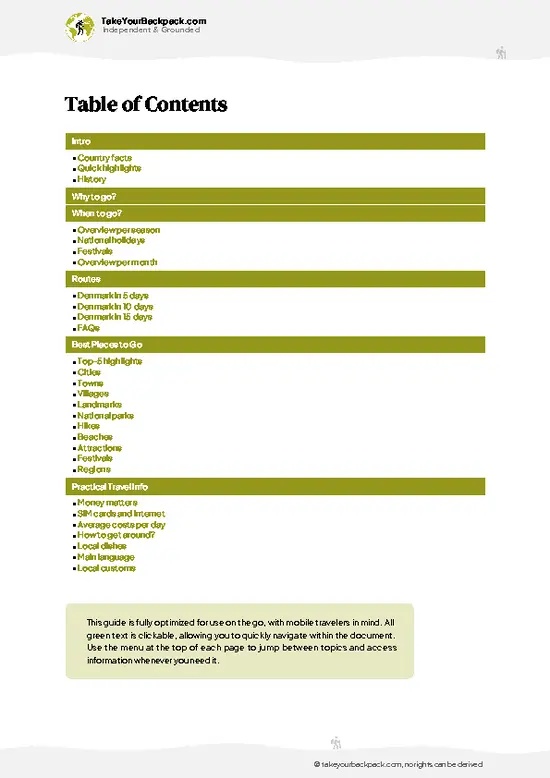
example page 0 from our offline Travel Guide for Denmark
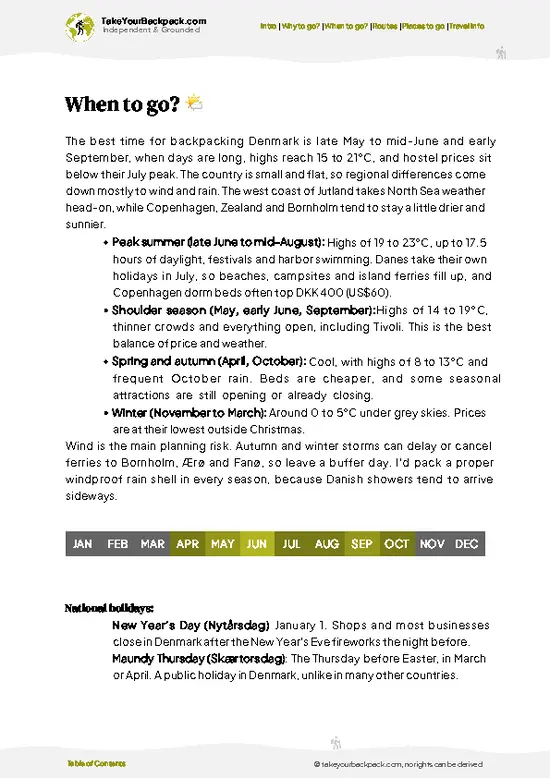
example page 1 from our offline Travel Guide for Denmark
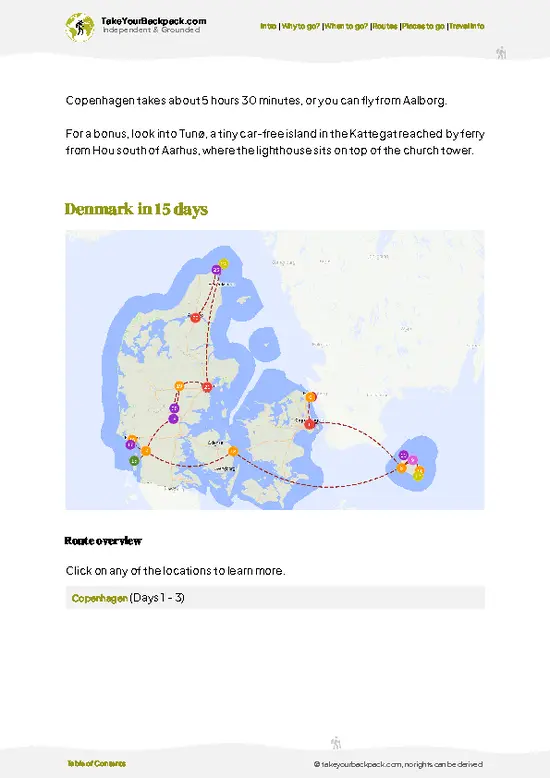
example page 2 from our offline Travel Guide for Denmark
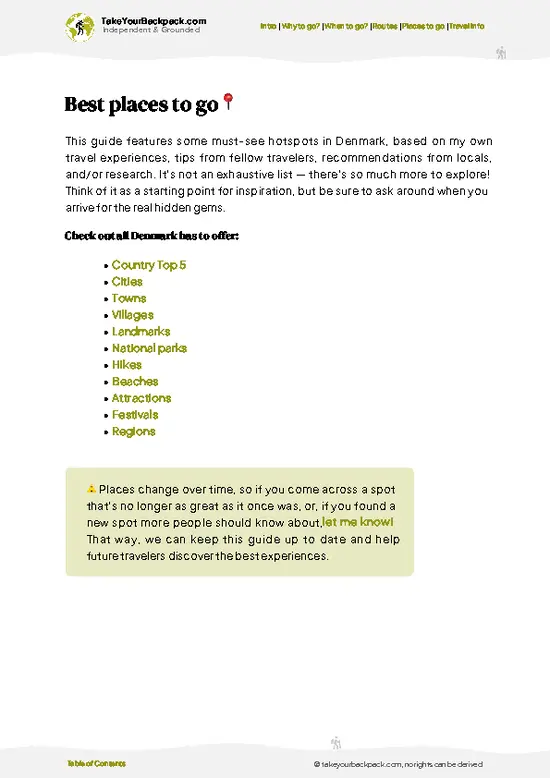
example page 3 from our offline Travel Guide for Denmark
example page 4 from our offline Travel Guide for Denmark
example page 5 from our offline Travel Guide for Denmark
example page 6 from our offline Travel Guide for Denmark
example page 7 from our offline Travel Guide for Denmark
The digital guide (361 pages) contains:
98 highlights, ranked by travel appeal
Optimized 5, 10 & 15-day travel routes
Cities, national parks, landmarks, beaches
How to get around
Offline-friendly for travel without Wi-Fi
👉 Click to see all 30+ guide features

📅 Plan smarter in minutes, not weeks
Month by month travel advice
Festivals & national holidays
Budget expectations

🗺️ Go to the right places, skip the overrated ones
Honest pros & cons of destinations
Top hikes, parks & viewpoints
Lesser-known places most travelers miss
Clear “worth it vs skip it” guidance

🛏️ Travel smoothly without rookie mistakes
Best areas to stay
Transport systems explained simply
Common scams & safety advice
SIM cards, money & practical tips

🌍 Understand the country, not just visit it
Culture & traditions
52 Essential phrases & customs
Festivals worth planning around
Traveler-friendly historical context
Insights that make places more meaningful

📱 Built for real travel conditions
Fully downloadable PDF
Works completely offline
Optimized for phone use
Useful in remote areas & buses
Everything in one place
Save weeks of stressful planning
Get instant access to your full guide. 30‑day money-back guarantee.
+ Add another guide for just US$7.80

By proceeding you agree to our terms.
Sent to your inbox immediately after payment • 100% Secure Checkout
Best Backpacking Travel Advisor 2025 tourism awardBest Backpacking
Travel Advisor
2025
What others say about Take Your Backpack Guides:
⭐⭐⭐⭐⭐
Fantastic, amazing amount of information!
⭐⭐⭐⭐⭐
My goodness this is amazing, it's what I've been looking for hats off too you!
⭐⭐⭐⭐⭐
I think this is absolutely BRILLIANT
⭐⭐⭐⭐
Very complete and informative. It's still missing places, but I gotta to commend you
⭐⭐⭐⭐⭐
This is truly amazing, thank you, can't wait to explore it with my kids!
⭐⭐⭐⭐⭐
Awesome resource, thank you!
⭐⭐⭐⭐⭐
This is amazing! Can't wait to explore the ones I haven't seen
⭐⭐⭐⭐
I love this! Well done, great idea.
⭐⭐⭐⭐⭐
Thanks for taking the time to make this gem!
⭐⭐⭐⭐⭐
This might be the best website I've ever seen.
⭐⭐⭐⭐⭐
Congratulations, and thank you so much for your work; it's incredibly valuable.
⭐⭐⭐⭐
In all seriousness I think you did a great job pointing out the important spots
⭐⭐⭐⭐⭐
10/10 very good
⭐⭐⭐⭐⭐
As someone who's only just starting to visit regularly this is awesome, thank you.
⭐⭐⭐⭐
Thank you very much! I'm going to visit my dad, it's going to be very useful!
⭐⭐⭐⭐⭐
This is really cool! We'll be travelling for the first time and this definitely come in handy.
⭐⭐⭐⭐⭐
You are now our minister of culture, congratulations 👨‍💼
⭐⭐⭐⭐⭐
Just wanted to tell you that this is a pearl! Going to follow your recommendations.
⭐⭐⭐⭐⭐
This is so cool. I'll definitely be using the resource for my travels soon.
⭐⭐⭐⭐⭐
This is very impressive! Good work.
⭐⭐⭐⭐⭐
This is an amazing and informative site. Very well done!

🛏️ Where to stay?Best areas to stay in Denmark

Råbjerg Mile is a shifting sand dune that feels like stepping into a desert on the coast of Denmark. It’s stunning, but let’s be real: it attracts crowds, especially in summer. If you want to experience the magic without the Instagram filter, consider staying in nearby Skagen or the quieter town of Ålbæk.

Skagen is buzzing with backpackers. The vibe is laid-back, and you’ll find plenty of budget-friendly hostels and campsites. It’s a great base for exploring Råbjerg Mile and the surrounding beaches. Plus, the local seafood scene is worth the splurge—grab a fish sandwich from a food truck and … read more 👉
Råbjerg Mile is a shifting sand dune that feels like stepping into a desert on the coast of Denmark. It’s stunning, but let’s be real: it attracts crowds, especially in summer. If you want to experience the magic without the Instagram filter, consider staying in nearby Skagen or the quieter town of Ålbæk.

Skagen is buzzing with backpackers. The vibe is laid-back, and you’ll find plenty of budget-friendly hostels and campsites. It’s a great base for exploring Råbjerg Mile and the surrounding beaches. Plus, the local seafood scene is worth the splurge—grab a fish sandwich from a food truck and enjoy it by the harbor.

Ålbæk, on the other hand, is a hidden treasure. It’s smaller, quieter, and offers a more intimate experience. You can find cozy guesthouses and campsites that cater to solo travelers. The community here is welcoming, making it easy to connect with fellow adventurers.

Both areas provide safe environments and social opportunities, ensuring you can enjoy the beauty of Råbjerg Mile without feeling overwhelmed. Embrace the journey, and let the dunes work their magic.

👛 Costs (as of 4 September 2026)Money, prices, and spending tips

Visiting Råbjerg Mile is a unique experience, but let’s cut through the Instagram hype and get real about the costs involved.
  • Transportation: Getting to Råbjerg Mile can vary. If you’re driving, expect to pay around €10-€20 for parking. Public transport from Skagen costs about €5-€10 one way. If you’re coming from Aalborg, a train ticket will set you back around €20-€30.
  • Entry Fees: Here’s the kicker: Råbjerg Mile is free to enter. No tickets, no hidden fees. Just you and the dunes. This is a rare find in a world where many attractions charge hefty fees.
  • Food and Drink: If you’re planning to grab a bite, budget around €10-€15 for a meal at a nearby café. Pack your own lunch to save money and enjoy it with a view. Snacks and drinks will run you about €5-€10, depending on what you choose.
  • Accommodation:
read more 👉
Visiting Råbjerg Mile is a unique experience, but let’s cut through the Instagram hype and get real about the costs involved.
  • Transportation: Getting to Råbjerg Mile can vary. If you’re driving, expect to pay around €10-€20 for parking. Public transport from Skagen costs about €5-€10 one way. If you’re coming from Aalborg, a train ticket will set you back around €20-€30.
  • Entry Fees: Here’s the kicker: Råbjerg Mile is free to enter. No tickets, no hidden fees. Just you and the dunes. This is a rare find in a world where many attractions charge hefty fees.
  • Food and Drink: If you’re planning to grab a bite, budget around €10-€15 for a meal at a nearby café. Pack your own lunch to save money and enjoy it with a view. Snacks and drinks will run you about €5-€10, depending on what you choose.
  • Accommodation: If you’re staying overnight, expect to pay between €70-€150 for a hotel or guesthouse in Skagen. Camping is an option too, with sites costing around €20-€30 per night.
  • Activities: While the dunes are the main attraction, consider budgeting for guided tours or local experiences. These can range from €20-€50, depending on what you choose. Some tours offer unique insights into the local ecology and history.

Råbjerg Mile is about the experience, not the price tag. Embrace the natural beauty and the freedom of exploration.


source: visitdenmark.com
⚠️ Prices can change and everyone travels differently, so take this as a rough guide. Hope it helps you plan your adventure!

FAQCommon questions from travelers

Råbjerg Mile is the largest migrating sand dune in Northern Europe, located in Denmark. It covers approximately 2 square kilometers and moves about 15 meters per year. The dune is a unique natural phenomenon and a protected area.
You need about 1 to 2 hours to visit Råbjerg Mile, enough time to walk around and explore the dune. Hiking to the top offers panoramic views of the surrounding landscape. Bring water and sun protection, especially in summer months.
To get to Råbjerg Mile, the nearest town is Skagen, about 15 kilometers away. You can reach Skagen by train or bus from Aalborg or Frederikshavn, then take a local taxi or bike to the site. Parking is available if you drive directly.
⚠️ Things can change over time, so always validate details locally before you go.

Other Danish landmarks near Råbjerg Mile

Explore more nearby:

  • Bulbjerg—limestone cliff, seabird colony, North Sea views| 99 km away
  • Viborg Domkirke—Romanesque cathedral, frescoes, twin towers| 146 km away
  • Månsted Kalkgruber—limestone mines, underground tunnels, bat colonies| 147 km away

💡 Not sure where to go next?
Create a personalized itinerary for Denmark including Råbjerg Mile and the places that fit your trip.

Generate my itinerary

👉 Discover all landmarks

Or checkout all Denmark has to offer (think cities, towns, villages, national parks, hikes, beaches, festivals)
Country photo of Denmark

We 💚 feedbackFinal thoughts on visiting Råbjerg Mile

Råbjerg Mile is a surreal experience, like stepping into a desert in the middle of Denmark. The shifting sands and vastness are mesmerizing, offering a rare chance to disconnect and breathe. But let’s be real: it can get crowded, especially in summer. If you’re looking for solitude, aim for early mornings or late afternoons. The magic is there, but so are the selfie sticks. Balance is key.

✈️ When did I visit Denmark?
Denmark, being close to my home country, I have been visiting a couple of times in the years 1999 to 2025.

✍️ Help improve this page!
The information on this page is based on my own backpacking experience in Denmark, supplemented with up-to-date research and feedback from other travelers. Travel details can change, so if you notice anything outdated or incomplete, feel free to let me know.


🙋‍♂️ Give feedback

👋 Meet the founderWho’s Behind Take Your Backpack?

Johan, backpacker and founder of TakeYourBackpackHi, I’m Johan (Netherlands 🇳🇱), the creator of TakeYourBackpack. Over the past decade, I’ve backpacked through 80+ countries across six continents, gaining extensive experience with independent travel, long-term trips, and overland routes.

This site is built on a combination of firsthand travel experience and carefully curated insights from other backpackers. Many guides are based on places I’ve personally visited, while others bring together tips, observations, and practical advice shared by trusted travelers I’ve met along the way.

The goal is to provide realistic, experience-driven guidance — not generic itineraries — so you can explore destinations with better context, clearer expectations, and more confidence.

Get full Denmark guide •
Instant download • 98 highlights • Full Offline guide