×

Denmark🇩🇰 | national parksWadden Sea National Parktidal flats, migrating birds, salt marsh | things to do and best time to go

Explore Mols Bjerge National ParkExplore Rold Skov

Backpacking in Wadden Sea
🏆 Top picknational park ranked #2
By Johan Kruseman 🇳🇱 | Updated October 15, 2026

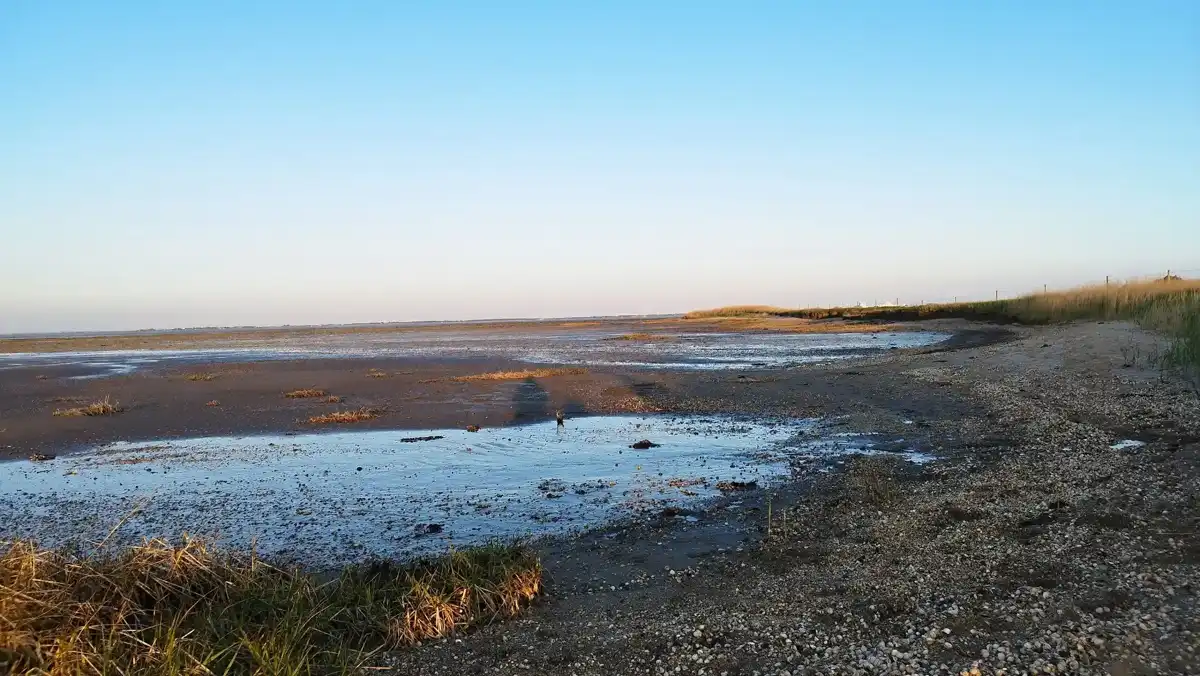
A lot of people arrive at Wadden Sea National Park expecting dramatic cliffs and forests like western Norway, then feel underwhelmed by how flat it is. That’s the trap. This park, stretched along Denmark’s southwest coast by the Wadden Sea near Esbjerg and the German border, is about big skies, tidal flats, and bird life, not mountain selfies. For backpackers, it’s cheap to enter (no gate fee), easy to reach by train and bus, and great for long, mellow hikes on dikes, beaches, and causeways. The scenery is subtle but powerful, especially during huge tidal shifts and the spring/autumn starling murmurations. Downsides: wind that cuts through bad gear, mud that eats shoes, and a vibe that can feel empty if you crave nightlife or dense forest. Compared with Thy or Mols Bjerge, Vadehavet is less “trail network,” more “open landscape,” better for slow walkers and bird nerds than peak-baggers.

Discover everything you want to know in the 📖 Denmark Travel Guide.


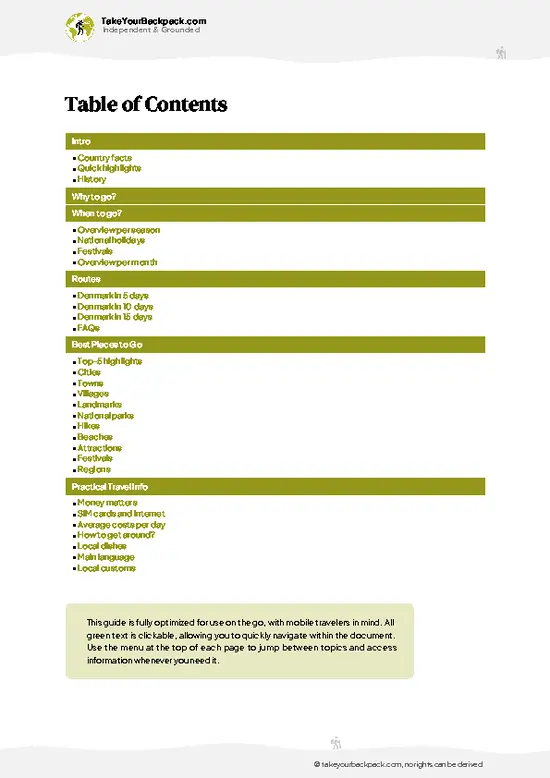
example page 0 from our offline Travel Guide for Denmark
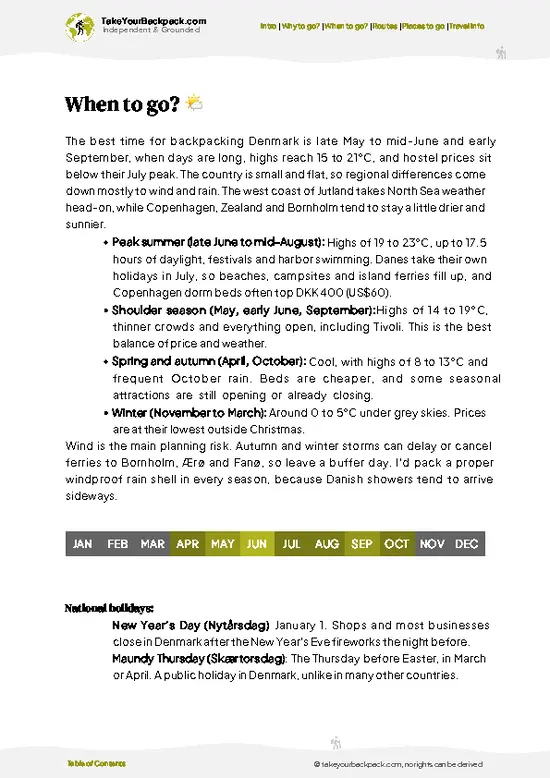
example page 1 from our offline Travel Guide for Denmark
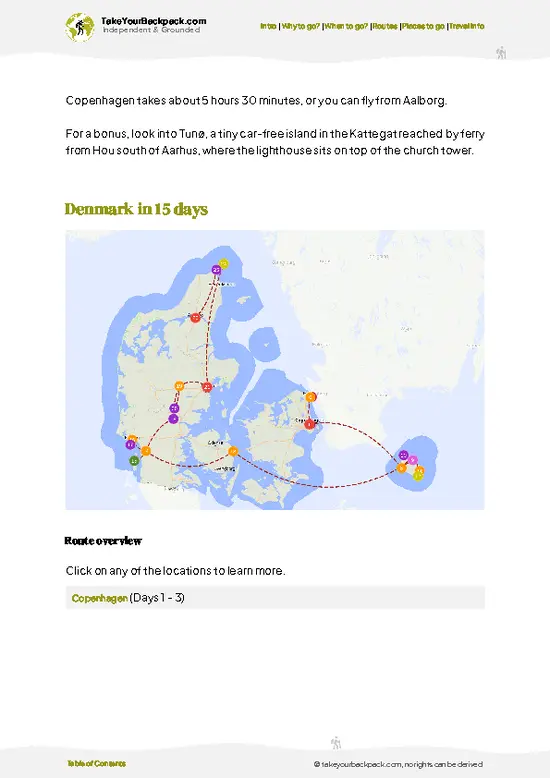
example page 2 from our offline Travel Guide for Denmark
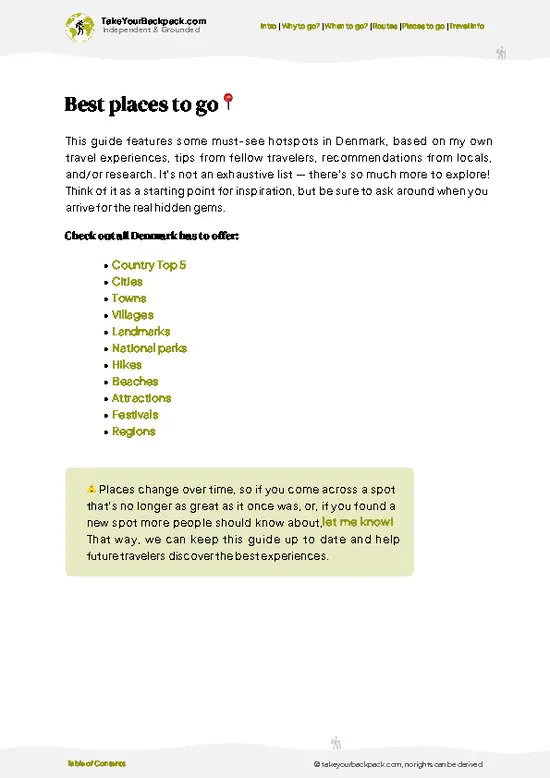
example page 3 from our offline Travel Guide for Denmark
example page 4 from our offline Travel Guide for Denmark
example page 5 from our offline Travel Guide for Denmark
example page 6 from our offline Travel Guide for Denmark
example page 7 from our offline Travel Guide for Denmark
Loading the map 🌍
CLICK TO FILTER
cities
towns
villages
landmarks
national parks
hikes
beaches
attractions
festivals
regions
SHOW COUNTRY’S BESTSHOW ALL

✨ Why go?
Ranked #2 national park in Denmark
Why Wadden Sea should be on your travel list

Wadden Sea National Park in Denmark attracts backpackers for several compelling reasons. First, the independent exploration is a major draw. You can wander the expansive landscapes at your own pace, soaking in the unique coastal ecosystems without the constraints of a guided tour.

Budget-conscious travelers appreciate the camping options and nearby hostels that keep costs down. Pitching a tent under the stars or finding a cozy bed in a hostel allows you to stretch your budget while enjoying the park’s natural beauty.

The trail variety is another highlight. Whether you prefer sandy beaches, marshlands, or scenic viewpoints, there’s a path that suits your mood. Each trail offers a different perspective of the park, making it easy to spend days exploring without repetition.

This park is … read more 👉
Wadden Sea National Park in Denmark attracts backpackers for several compelling reasons. First, the independent exploration is a major draw. You can wander the expansive landscapes at your own pace, soaking in the unique coastal ecosystems without the constraints of a guided tour.

Budget-conscious travelers appreciate the camping options and nearby hostels that keep costs down. Pitching a tent under the stars or finding a cozy bed in a hostel allows you to stretch your budget while enjoying the park’s natural beauty.

The trail variety is another highlight. Whether you prefer sandy beaches, marshlands, or scenic viewpoints, there’s a path that suits your mood. Each trail offers a different perspective of the park, making it easy to spend days exploring without repetition.

This park is particularly suited for self-guided travelers. The well-marked trails and informative signage mean you can navigate confidently, allowing for spontaneous detours and discoveries. Just be prepared for changing weather; it can shift quickly, so pack layers.

In Vadehavet, the freedom to roam, budget-friendly options, and diverse trails create an enriching experience that resonates with backpackers.

💡 HighlightsDon't-miss highlights and experiences

  • Mudflat hiking (vadehavsvandring) — Walk where the sea used to be: low tide opens vast mudflats that are home to crabs, worms and billions of tiny creatures, and guided walks let you safely explore this surreal, flat landscape and feel the scale of the whole Wadden Sea.
  • Seal sandbanks — Sandbanks dotted just off the shore are favorite haul-out spots for grey seals; you can often spot adults and pups from boats or distant viewpoints, and the sight of seals basking on shimmering sand feels like a wildlife reward for getting up early.
  • Migratory bird spectacles — The park is a stopover on a major flyway: in spring and autumn hundreds of thousands of shorebirds and ducks feed on the tidal flats and marshes, making the mudflats sound and move like a living carpet.
  • Mandø — the tidal island —
… read more 👉
  • Mudflat hiking (vadehavsvandring) — Walk where the sea used to be: low tide opens vast mudflats that are home to crabs, worms and billions of tiny creatures, and guided walks let you safely explore this surreal, flat landscape and feel the scale of the whole Wadden Sea.
  • Seal sandbanks — Sandbanks dotted just off the shore are favorite haul-out spots for grey seals; you can often spot adults and pups from boats or distant viewpoints, and the sight of seals basking on shimmering sand feels like a wildlife reward for getting up early.
  • Migratory bird spectacles — The park is a stopover on a major flyway: in spring and autumn hundreds of thousands of shorebirds and ducks feed on the tidal flats and marshes, making the mudflats sound and move like a living carpet.
  • Mandø — the tidal island — A small island that you reach when the tide allows; its tidal road, salt marsh edges and tiny village give a strong sense of how people and nature live with the sea here.
  • Rømø’s wide beaches and dunes — One of Denmark’s broadest sandy shores, great for long walks, kite sports and big-sky sunsets; the rolling dunes behind the beach create classic coastal habitat and lots of room to breathe.
  • Fanø’s heath and coastal culture — Fanø blends dunes and heath with old seaside villages and easy bike trails; it’s a quieter way to experience the Wadden Sea habitat while enjoying local character and coastal views.
  • Skallingen and the shifting sandspit — A raw, windswept spit where dunes and coastline change year to year; it’s a stark, beautiful place for long shoreline walks and bird- and seal-spotting in a landscape that feels dynamically alive.
Spotted a mistake or missing something? Contact us.

Things to do near Wadden Sea National Park

Ratings based on Tripadvisor reviews. When you book through this link, you support our work at no extra cost to you.

🌤️ When to go?Best time to explore Wadden Sea

  • Weather: The best weather for backpacking in Wadden Sea National Park is late spring through early autumn. From May to September, expect mild to warm conditions, with temperatures ranging from 12°C to 22°C (54°F to 72°F). Outside this window, the weather can be unpredictable and often wet, which can sap your energy on the trail.
  • Temperature: Summer months (June to August) offer the warmest days, averaging 17°C to 22°C (63°F to 72°F). Nights can still be cool, dipping to around 10°C (50°F), so pack layers. Winter months plunge below 5°C (41°F), making backpacking less comfortable unless you’re prepared for cold and wind.
  • Daylight Hours: Long summer days are a major advantage. In June, daylight stretches to about 17 hours, giving you plenty of time to explore without rushing. By contrast,
… read more 👉
  • Weather: The best weather for backpacking in Wadden Sea National Park is late spring through early autumn. From May to September, expect mild to warm conditions, with temperatures ranging from 12°C to 22°C (54°F to 72°F). Outside this window, the weather can be unpredictable and often wet, which can sap your energy on the trail.
  • Temperature: Summer months (June to August) offer the warmest days, averaging 17°C to 22°C (63°F to 72°F). Nights can still be cool, dipping to around 10°C (50°F), so pack layers. Winter months plunge below 5°C (41°F), making backpacking less comfortable unless you’re prepared for cold and wind.
  • Daylight Hours: Long summer days are a major advantage. In June, daylight stretches to about 17 hours, giving you plenty of time to explore without rushing. By contrast, winter days shrink to around 7 hours, limiting your hiking window and increasing the need for careful planning.
  • Crowds: Peak season (July and August) draws the most visitors, especially on weekends. If you prefer solitude, aim for late May or early September when the park is quieter but still accessible. Avoid major Danish holidays to dodge local crowds.
  • Seasonal Activities: Spring and summer bring birdwatching and seal spotting opportunities, plus guided tours that add depth to your visit. Autumn offers a quieter experience but fewer organized activities. Winter is best left to experienced hikers prepared for harsh conditions.
  • Price Fluctuations: Accommodation and transport costs peak in July and August. Booking outside these months can save you a significant amount, freeing up budget for gear or local experiences. Camping fees remain stable year-round but check for seasonal closures.
Pro-tip: Plan your trip for late May or early September to balance good weather, manageable crowds, and better prices—this combo preserves your energy and wallet for the parts of Vadehavet that truly matter.


source: climatestotravel.comJANJanuary: below average for travelingFEBFebruary: below average for travelingMARMarch: fair for travelingAPRApril: good for travelingMAYMay: highly recommended for travelingJUNJune: excellent for travelingJULJuly: highly recommended for travelingAUGAugust: highly recommended for travelingSEPSeptember: highly recommended for travelingOCTOctober: good for travelingNOVNovember: fair for travelingDECDecember: below average for traveling
denmark-national-park-wadden-sea-national-park
© Google | Carsten Bunzeck

✈️ The backpacker research shortcutDenmark Travel Guide

An offline-friendly backpacking guide with optimized travel routes, ranked highlights, transport advice, and the best areas to stay.
example page 0 from our offline Travel Guide for Denmark
example page 1 from our offline Travel Guide for Denmark
example page 2 from our offline Travel Guide for Denmark
example page 3 from our offline Travel Guide for Denmark
example page 4 from our offline Travel Guide for Denmark
example page 5 from our offline Travel Guide for Denmark
example page 6 from our offline Travel Guide for Denmark
example page 7 from our offline Travel Guide for Denmark
The digital guide (359 pages) contains:
✅ 97 highlights, ranked by travel appeal
✅ Optimized 5, 10 & 15-day travel routes
✅ Cities, national parks, landmarks, beaches
✅ How to get around
✅ Offline-friendly for travel without Wi-Fi
👉 Click to see all 30+ guide features

📅 Plan smarter in minutes, not weeks
✅ Month by month travel advice
✅ Festivals & national holidays
✅ Budget expectations

🗺️ Go to the right places, skip the overrated ones
✅ Honest pros & cons of destinations
✅ Top hikes, parks & viewpoints
✅ Lesser-known places most travelers miss
✅ Clear “worth it vs skip it” guidance

🛏️ Travel smoothly without rookie mistakes
✅ Best areas to stay
✅ Transport systems explained simply
✅ Common scams & safety advice
✅ SIM cards, money & practical tips

🌍 Understand the country, not just visit it
✅ Culture & traditions
✅ 52 Essential phrases & customs
✅ Festivals worth planning around
✅ Traveler-friendly historical context
✅ Insights that make places more meaningful

📱 Built for real travel conditions
✅ Fully downloadable PDF
✅ Works completely offline
✅ Optimized for phone use
✅ Useful in remote areas & buses
✅ Everything in one place
Stop searching, start planning
Get instant access to your full guide. 30‑day money-back guarantee.
+ Add another guide for just

By proceeding you agree to our terms.
Sent to your inbox immediately after payment • 100% Secure Checkout
Best Backpacking Travel Advisor 2025 tourism awardBest Backpacking
Travel Advisor
2025
What others say about Take Your Backpack Guides:
⭐⭐⭐⭐⭐
Fantastic, amazing amount of information!
⭐⭐⭐⭐⭐
My goodness this is amazing, it's what I've been looking for hats off too you!
⭐⭐⭐⭐⭐
I think this is absolutely BRILLIANT
⭐⭐⭐⭐
Very complete and informative. It's still missing places, but I gotta to commend you
⭐⭐⭐⭐⭐
This is truly amazing, thank you, can't wait to explore it with my kids!
⭐⭐⭐⭐⭐
Awesome resource, thank you!
⭐⭐⭐⭐⭐
This is amazing! Can't wait to explore the ones I haven't seen
⭐⭐⭐⭐
I love this! Well done, great idea.
⭐⭐⭐⭐⭐
Thanks for taking the time to make this gem!
⭐⭐⭐⭐⭐
This might be the best website I've ever seen.
⭐⭐⭐⭐⭐
Congratulations, and thank you so much for your work; it's incredibly valuable.
⭐⭐⭐⭐
In all seriousness I think you did a great job pointing out the important spots
⭐⭐⭐⭐⭐
10/10 very good
⭐⭐⭐⭐⭐
As someone who's only just starting to visit regularly this is awesome, thank you.
⭐⭐⭐⭐
Thank you very much! I'm going to visit my dad, it's going to be very useful!
⭐⭐⭐⭐⭐
This is really cool! We'll be travelling for the first time and this definitely come in handy.
⭐⭐⭐⭐⭐
You are now our minister of culture, congratulations 👨‍💼
⭐⭐⭐⭐⭐
Just wanted to tell you that this is a pearl! Going to follow your recommendations.
⭐⭐⭐⭐⭐
This is so cool. I'll definitely be using the resource for my travels soon.
⭐⭐⭐⭐⭐
This is very impressive! Good work.
⭐⭐⭐⭐⭐
This is an amazing and informative site. Very well done!

🛏️ Where to stay?Best areas and accommodation options

For backpackers heading to Wadden Sea National Park, the options for staying close to the park are solid but require some savvy planning. Inside the park, there aren’t traditional accommodations like hotels or hostels. Instead, you’ll find a few campsites that offer a more immersive experience. The most popular is the campsite at Højer, which provides basic facilities and a chance to connect with nature. It’s a great spot to pitch your tent and wake up to the sounds of the marsh.

If you prefer a bit more comfort, consider heading to nearby towns like Ribe or Tønder. Ribe, Denmark’s oldest town, … read more 👉
For backpackers heading to Wadden Sea National Park, the options for staying close to the park are solid but require some savvy planning. Inside the park, there aren’t traditional accommodations like hotels or hostels. Instead, you’ll find a few campsites that offer a more immersive experience. The most popular is the campsite at Højer, which provides basic facilities and a chance to connect with nature. It’s a great spot to pitch your tent and wake up to the sounds of the marsh.

If you prefer a bit more comfort, consider heading to nearby towns like Ribe or Tønder. Ribe, Denmark’s oldest town, has a charming vibe with several hostels and guesthouses. It’s a short drive from the park and offers a rich history to explore. Tønder, known for its quaint streets and local culture, has a few budget-friendly hotels and B&Bs that can serve as a cozy base.

Be mindful of the seasonal fluctuations in prices and availability. Summer can be busy, so booking ahead is wise. Also, check for any additional fees at campsites or accommodations. These small costs can add up, so keep your budget in check for the experiences that truly matter.

👛 Costs (as of 15 October 2026)Money, prices, and spending tips

Visiting Wadden Sea National Park in Denmark can be a rewarding experience, but it’s essential to be aware of the costs involved to avoid surprises.

Entry to the park is free, which is a great start. However, if you plan to explore specific areas or engage in activities like guided tours or boat trips, expect to pay. Guided tours typically range from €25 to €50 per person. Boat trips can vary widely, often costing between €30 and €70, depending on the duration and the season.

Parking fees can also add up. If you drive, look for parking areas that charge around €5 to €10 per day. Some locations may have free parking, but these can fill up quickly during peak times.

Food and drink options are available, but they can be pricey in tourist areas. Budget around €10 to €20 for a meal at a café … read more 👉
Visiting Wadden Sea National Park in Denmark can be a rewarding experience, but it’s essential to be aware of the costs involved to avoid surprises.

Entry to the park is free, which is a great start. However, if you plan to explore specific areas or engage in activities like guided tours or boat trips, expect to pay. Guided tours typically range from €25 to €50 per person. Boat trips can vary widely, often costing between €30 and €70, depending on the duration and the season.

Parking fees can also add up. If you drive, look for parking areas that charge around €5 to €10 per day. Some locations may have free parking, but these can fill up quickly during peak times.

Food and drink options are available, but they can be pricey in tourist areas. Budget around €10 to €20 for a meal at a café or restaurant. If you prefer to save, consider packing your own food.

Lastly, if you’re interested in renting bikes to explore the park, expect to pay about €15 to €25 per day. This can be a fantastic way to cover more ground and see the diverse landscapes.

Being mindful of these costs will help you allocate your budget wisely, ensuring you have the energy and resources for the experiences that truly matter.


source: visitdenmark.com
⚠️ Prices can change and everyone travels differently, so take this as a rough guide. Hope it helps you plan your adventure!

🥾 TrailsWhere to hike in Wadden Sea: trails for every level

The hiking opportunities in Wadden Sea National Park are pretty fantastic, especially if you’re into coastal scenery and diverse wildlife. The park’s terrain is a mix of sandy beaches, mudflats, and salt marshes, which means you’ll have some stunning views of the Wadden Sea, especially at low tide when the landscape transforms into a vast expanse of shimmering water and exposed seabed. Keep an eye out for seals lounging on the sandbanks and a variety of migratory birds—it’s a birdwatcher’s paradise!

One of the standout trails is the Wadden Sea Trail. Here are the details:
  • Length: 60 km
  • Estimated
… read more 👉
The hiking opportunities in Wadden Sea National Park are pretty fantastic, especially if you’re into coastal scenery and diverse wildlife. The park’s terrain is a mix of sandy beaches, mudflats, and salt marshes, which means you’ll have some stunning views of the Wadden Sea, especially at low tide when the landscape transforms into a vast expanse of shimmering water and exposed seabed. Keep an eye out for seals lounging on the sandbanks and a variety of migratory birds—it’s a birdwatcher’s paradise!

One of the standout trails is the Wadden Sea Trail. Here are the details:
  • Length: 60 km
  • Estimated Duration: 3-5 days (depending on your pace)
  • Difficulty Level: Moderate
  • Key Features: Stunning coastal views, birdwatching opportunities, and chances to spot seals
  • Terrain: Varied, including sandy paths, marshlands, and some muddy sections

Reaching the park is pretty straightforward, especially if you’re coming from cities like Esbjerg or Ribe. Public transport options are decent, with trains and buses connecting you to nearby towns. Just be aware that it can get a bit crowded during peak summer months, so if you prefer solitude, aim for early mornings or weekdays. As for entrance fees, the park is free to enter, which is a nice bonus for budget travelers!
⚠️ Hiking info can sometimes be outdated or inaccurate. Before you hit the trail, check the latest conditions with locals. If you do spot anything that's off, I'd love to hear from you, so I can update it for fellow travelers.

🛡️ SafetySafety Tips and Common Scams in Wadden Sea

Wadden Sea National Park is generally a welcoming place for backpackers, but a few practical considerations can enhance your experience. The weather can shift quickly, especially near the coast. Be prepared for sudden rain or wind. Layering is key; a good waterproof jacket can save your day.

The terrain is mostly flat, making navigation straightforward. However, some trails can be muddy after rain, so sturdy footwear is essential. Pay attention to tide schedules if you plan to explore the mudflats; getting caught out can lead to tricky situations.

Wildlife encounters are rare but can happen. If you spot seals or birds, keep your distance and avoid disturbing them. Respect their space; it’s part of the park’s charm.

First-time visitors often underestimate the importance of timing. Start … read more 👉
Wadden Sea National Park is generally a welcoming place for backpackers, but a few practical considerations can enhance your experience. The weather can shift quickly, especially near the coast. Be prepared for sudden rain or wind. Layering is key; a good waterproof jacket can save your day.

The terrain is mostly flat, making navigation straightforward. However, some trails can be muddy after rain, so sturdy footwear is essential. Pay attention to tide schedules if you plan to explore the mudflats; getting caught out can lead to tricky situations.

Wildlife encounters are rare but can happen. If you spot seals or birds, keep your distance and avoid disturbing them. Respect their space; it’s part of the park’s charm.

First-time visitors often underestimate the importance of timing. Start early to enjoy the trails without the crowds, and always let someone know your plans. With these tips in mind, you’ll preserve your energy and budget for the moments that truly matter.

FAQFrequently asked questions about Wadden Sea

2 to 3 days are sufficient to explore Wadden Sea National Park thoroughly, including its tidal flats, birdwatching spots, and local villages. This allows time for guided mudflat walks and visiting the Wadden Sea Center. Longer stays are recommended if you want to explore the surrounding islands or participate in seasonal wildlife events.
Yes, you can visit Wadden Sea National Park without a car. Public transportation options include buses and trains connecting nearby towns like Esbjerg and Ribe. Biking is also popular within the park, with marked trails and bike rental services available in local towns.
No entrance fee or permit is required to visit Wadden Sea National Park. However, some guided activities like mudflat hiking may have a fee, typically around 100 to 200 DKK. Always follow park regulations to protect the sensitive environment.
⚠️ Things can change over time, so always validate details locally before you go.

Other Danish national parks near Wadden Sea

Explore more nearby:


💡 Not sure where to go next?
Create a personalized itinerary for Denmark including Wadden Sea and the places that fit your trip.

Generate my itinerary

👉 Discover all national parks

Or checkout all Denmark has to offer (think cities, towns, villages, national parks, hikes, beaches, festivals)
Country photo of Denmark

We 💚 feedbackSumming up the experience

Visiting Wadden Sea National Park is like stepping into a living postcard, where the tidal flats pulse with life and the air is thick with the scent of salt and seaweed. But be prepared: the weather can turn on a dime. A sunny morning can morph into a chilly downpour, so pack layers and a solid rain jacket. Embrace the unpredictability; it’s part of the charm and keeps the experience genuine.

✈️ When did I visit Denmark?
Denmark, being close to my home country, I have been visiting a couple of times in the years 1999 to 2025.

✍️ Help improve this page!
The information on this page is based on my own backpacking experience in Denmark, supplemented with up-to-date research and feedback from other travelers. Travel details can change, so if you notice anything outdated or incomplete, feel free to let me know.


🙋‍♂️ Give feedback

👋 Meet the founderWho’s Behind Take Your Backpack?

Johan, backpacker and founder of TakeYourBackpackHi, I’m Johan (Netherlands 🇳🇱), the creator of TakeYourBackpack. Over the past 3 decades, I’ve backpacked through 90+ countries across six continents, gaining extensive experience with independent travel, long-term trips, and overland routes.

This site is built on a combination of firsthand travel experience and carefully curated insights from other backpackers. Many guides are based on places I’ve personally visited, while others bring together tips, observations, and practical advice shared by trusted travelers I’ve met along the way.

The goal is to provide realistic, experience-driven guidance — not generic itineraries — so you can explore destinations with better context, clearer expectations, and more confidence.