×

Denmark🇩🇰 | best national parksDiscover the 10 Best national parks Across Denmark

Denmark’s national parks offer a unique blend of landscapes, wildlife, and adventure opportunities that cater to various travel styles, especially for those embracing backpacking or independent travel. Defined by their commitment to conservation, these parks vary significantly across regions, impacting your exploration pace and experience. For instance, the coastal parks provide stunning views and diverse ecosystems, while inland parks showcase lush forests and rich wildlife. Seasonal nuances also play a role; summer invites vibrant flora and fauna, while winter offers serene, stark beauty. Choosing the right park influences your vibe, budget, and cultural immersion, ensuring a tailored adventure in Denmark’s natural wonders.

By Johan Kruseman 🇳🇱 | Updated May 16, 2026
Explore the best hikes in Denmark

Why go?Why These national park Stand Out

National parks in Denmark offer a unique blend of landscapes, biodiversity, and infrastructure that set them apart from those in other countries. The relatively small size of Denmark means that parks are often accessible, but this can come at the cost of deeper immersion in nature. Travelers may find that while they can easily reach these parks, the experience may feel less remote compared to larger national parks elsewhere.

Denmark’s geographic features, including coastal areas, forests, and heathlands, create diverse ecosystems. This variety supports a range of wildlife, but the parks’ compact nature can limit the scale of adventure opportunities. For those seeking extensive hiking or backcountry experiences, the trade-off is clear: shorter travel times to parks may lead to less expansive … read more 👉
National parks in Denmark offer a unique blend of landscapes, biodiversity, and infrastructure that set them apart from those in other countries. The relatively small size of Denmark means that parks are often accessible, but this can come at the cost of deeper immersion in nature. Travelers may find that while they can easily reach these parks, the experience may feel less remote compared to larger national parks elsewhere.

Denmark’s geographic features, including coastal areas, forests, and heathlands, create diverse ecosystems. This variety supports a range of wildlife, but the parks’ compact nature can limit the scale of adventure opportunities. For those seeking extensive hiking or backcountry experiences, the trade-off is clear: shorter travel times to parks may lead to less expansive landscapes to explore.

The climatic conditions also play a role. Denmark’s weather can be unpredictable, which may affect outdoor activities. While summer offers long days for exploration, the shoulder seasons can bring rain and wind, impacting comfort levels.

Culturally, Denmark values accessibility and sustainability, reflected in its well-maintained trails and facilities. However, this infrastructure can sometimes lead to overcrowding, especially in peak seasons. Understanding these trade-offs—between accessibility and the quality of experience—will help travelers make informed choices about their national park adventures in Denmark.
Why These Made the Cut
The list of best national parks in Denmark is created based on landscapes, wildlife, adventure opportunities, facilities, and overall experience. If you feel a national park is missing in this list, please let us know.

When to go?Optimal Periods for Travel

Seasonality plays a crucial role in exploring Denmark’s national parks. The country experiences a temperate maritime climate, which means mild winters and cool summers. Spring and early summer offer the best conditions for wildlife visibility. Animals are more active, and flora bursts into life, creating vibrant landscapes. However, this is also when trails can be crowded, especially during weekends.

Summer brings the warmest temperatures, making it ideal for long hikes. Yet, this peak season can lead to busy trails and limited solitude. Rainfall is less frequent, but sudden showers can occur. The trade-off here is between enjoying lush scenery and navigating crowded paths.

Autumn is a hidden treasure. The foliage transforms into a palette of reds and golds, and wildlife is still active. … read more 👉
Seasonality plays a crucial role in exploring Denmark’s national parks. The country experiences a temperate maritime climate, which means mild winters and cool summers. Spring and early summer offer the best conditions for wildlife visibility. Animals are more active, and flora bursts into life, creating vibrant landscapes. However, this is also when trails can be crowded, especially during weekends.

Summer brings the warmest temperatures, making it ideal for long hikes. Yet, this peak season can lead to busy trails and limited solitude. Rainfall is less frequent, but sudden showers can occur. The trade-off here is between enjoying lush scenery and navigating crowded paths.

Autumn is a hidden treasure. The foliage transforms into a palette of reds and golds, and wildlife is still active. Crowds thin out, and costs for accommodations may drop. However, temperatures begin to cool, and rain becomes more common, which can affect trail conditions.

Winter presents its own challenges. While the parks are serene and often blanketed in snow, temperatures can drop significantly. Wildlife visibility decreases, and many trails may become less accessible. The trade-off is a peaceful experience versus the potential for harsh conditions.

Understanding these seasonal dynamics allows for informed choices, ensuring a rewarding visit to Denmark’s national parks.

national park hoppingOptimizing Your Multi-Stop Itinerary

Combining National Parks in Denmark

Travelers can efficiently explore Denmark’s national parks by clustering them regionally. Start in the north with Thy National Park, known for its rugged coastline and diverse wildlife. From there, head south to Mols Bjerge, where rolling hills and rich flora await. This route allows for a logical progression, minimizing travel time while maximizing experiences.

Typical time spent in each park should be around half a day to a full day, depending on interests. Short hikes and scenic viewpoints can be enjoyed in a few hours, while deeper explorations may require more time. Prioritize what matters most: if wildlife watching is a goal, allocate more time in parks known for it.

Common planning mistakes include over-scheduling and underestimating travel times. … read more 👉
Combining National Parks in Denmark

Travelers can efficiently explore Denmark’s national parks by clustering them regionally. Start in the north with Thy National Park, known for its rugged coastline and diverse wildlife. From there, head south to Mols Bjerge, where rolling hills and rich flora await. This route allows for a logical progression, minimizing travel time while maximizing experiences.

Typical time spent in each park should be around half a day to a full day, depending on interests. Short hikes and scenic viewpoints can be enjoyed in a few hours, while deeper explorations may require more time. Prioritize what matters most: if wildlife watching is a goal, allocate more time in parks known for it.

Common planning mistakes include over-scheduling and underestimating travel times. Denmark’s parks are relatively close, but winding roads and local traffic can slow progress. Flexibility is key; allow for spontaneous stops or extended stays if a park captivates.

Trade-offs are inevitable. Spending longer in one park enhances depth of experience but limits the number of parks visited. Conversely, rushing through multiple parks may lead to a superficial understanding. Balancing speed with comfort and effort with reward will yield a more fulfilling journey.

The ListMust-Visit national parks in Denmark

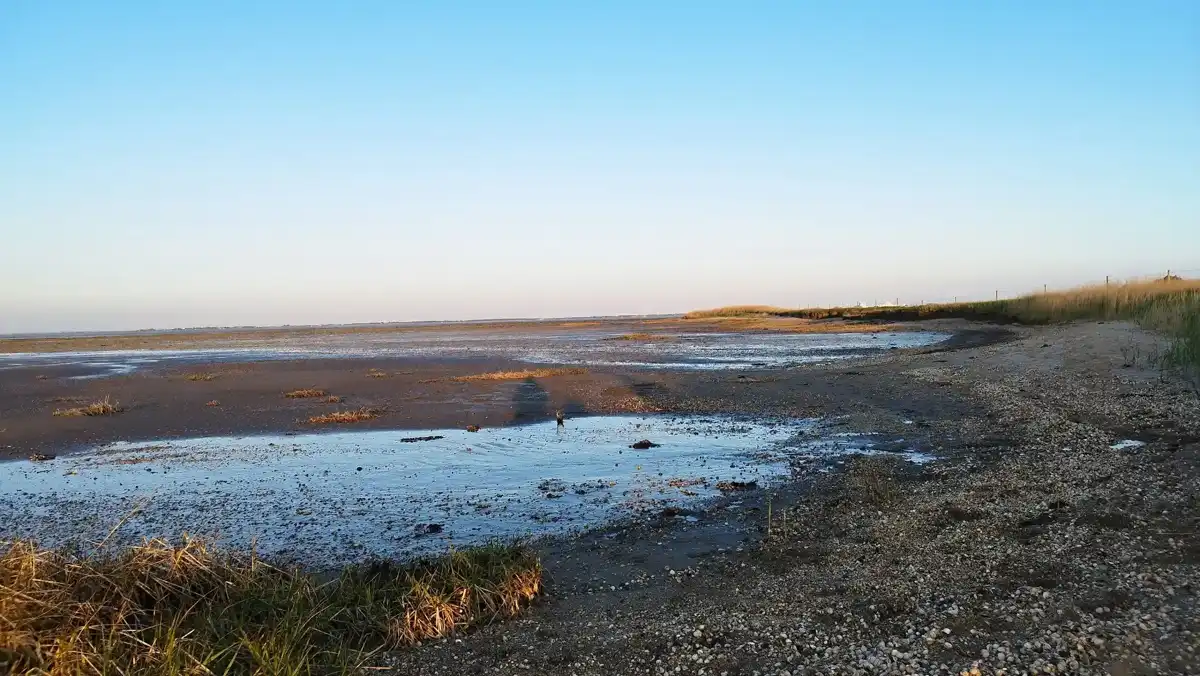
1 National Park Vadehavet

tidal flats, migrating birds, salt marsh

Witness the spectacle of millions of birds feeding on vast mudflats, with shifting tides revealing a dynamic coastal ecosystem.

denmark-national-park-national-park-vadehavet
© Google | Carsten Bunzeck

2 Thy National Park

windblown dunes, heathland, wild coastline

Cross open heath and shifting dunes to reach remote beaches, where the North Sea shapes a raw, ever-changing landscape.

3 Mols Bjerge National Park

steep hills, ancient burial mounds, coastal cliffs

Climb rugged slopes for sweeping views, then descend to explore Bronze Age sites and dramatic coastlines shaped by the Ice Age.

denmark-national-park-mols-bjerge-national-park
© Google | Ans Hendriks

4 Skjoldungernes Land National Park

river valleys, Viking sites, ancient woods

Trace the paths of early settlers along rivers and through forests, discovering burial mounds and relics from Denmark’s earliest kingdoms.

denmark-national-park-skjoldungernes-land-national-park
© Google | Ulrik Landau

5 Kongernes Nordsjælland National Park

royal forests, ancient castles, clear lakes

Walk forest trails once reserved for kings, passing tranquil lakes and historic estates that anchor centuries of Danish heritage.

6 Rebild Bakker National Park

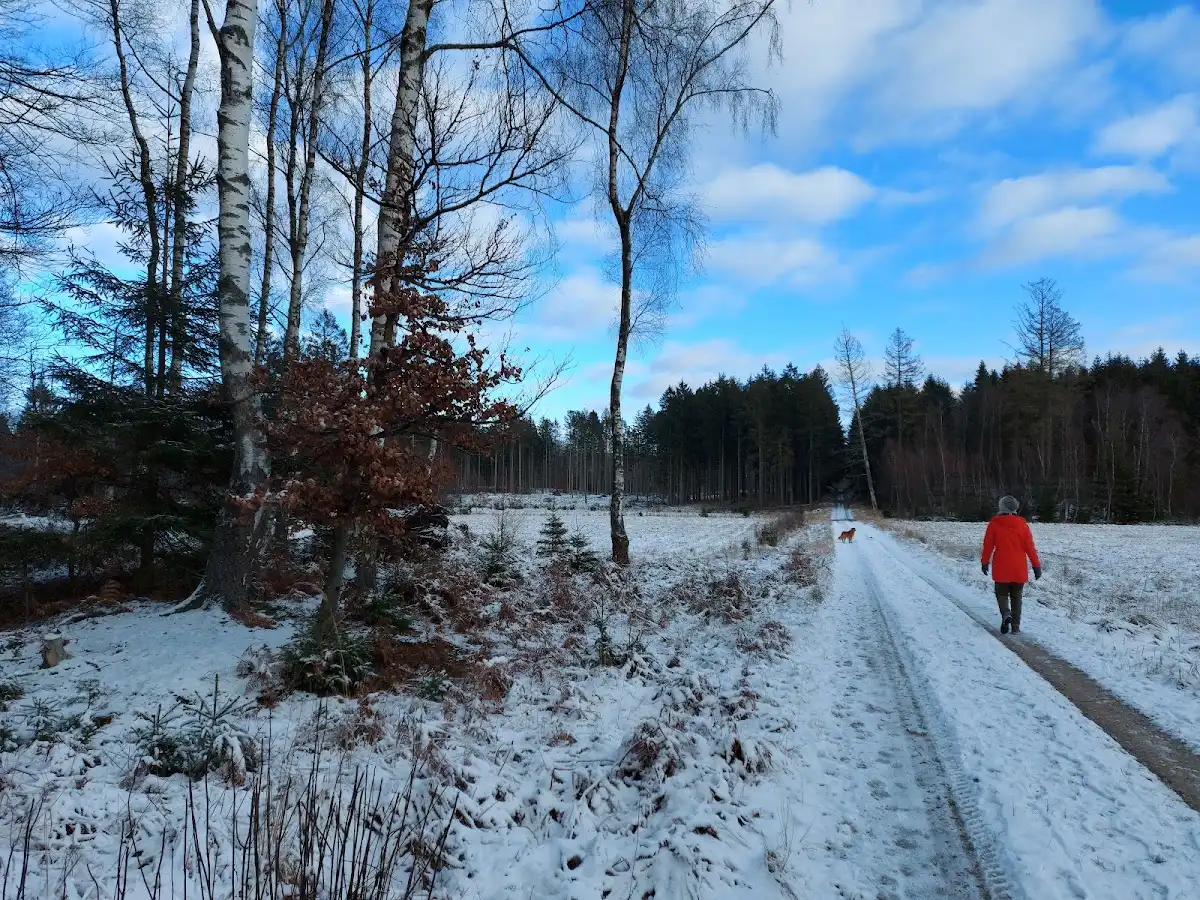
heather hills, glacial valleys, open heath

Hike through undulating terrain where exposed slopes and scattered birch trees reveal Denmark’s glacial past and a landscape shaped by wind.

denmark-national-park-rebild-bakker-national-park
© Google |

7 Lille Vildmose

raised bog, wild moose, birdwatching towers

Experience vast peatlands where moose roam and rare birds nest, with boardwalks leading into Denmark’s largest remaining bog wilderness.

8 Gribskov

old-growth forest, mossy glades, woodland lakes

Wander among ancient trees and shaded ponds, discovering a dense forest ecosystem that supports rare fungi and elusive wildlife.

denmark-national-park-gribskov
© Google |

9 Tisvilde Hegn

coastal dunes, pine plantations, sandy heath

Follow winding paths through shifting sands and wind-shaped pines, where the North Sea meets a landscape reclaimed from drifting dunes.

denmark-national-park-tisvilde-hegn
© Google |

10 Rold Skov

dense forest, sinkholes, clear springs

Venture into thick woodland where hidden springs and mysterious sinkholes punctuate one of Denmark’s largest forested areas.

denmark-national-park-rold-skov
© Google | Niels Gamborg

11 Svanninge Bakker

rolling hills, beech woods, open meadows

Traverse a patchwork of wooded slopes and flower-rich grasslands, where panoramic views and quiet trails invite slow exploration.

denmark-national-park-svanninge-bakker
© Google |

12 Vejlerne

wetlands, reed beds, migratory birds

Observe thousands of waterfowl from hides overlooking shallow lagoons, in a protected area vital for breeding and migrating birds.

13 Vestamager Nature Park

open grasslands, grazing cattle, city skyline views

Cycle or walk across wide plains grazed by herds, with Copenhagen’s distant skyline visible beyond wildflowers and marshes.

14 Amager Nature Park

urban wilderness, tidal flats, wild horses

Roam a mosaic of salt marsh and meadow, where wild horses graze and tidal pools attract waders just minutes from city streets.

Think you know Denmark?

Prove you’re a true local — uncover 4 lesser-known national parks in Denmark that locals tend to keep to themselves.
Loading the map 🌍

Expert viewTips and Advice from Travelers

Terrain
Denmark’s national parks showcase diverse landscapes, from coastal dunes to dense forests and serene wetlands. Each park has its unique character shaped by the local geology and climate. For instance, Mols Bjerge National Park features rolling hills and limestone cliffs, while Thy National Park offers rugged coastal scenery and expansive heathlands. The terrain influences not just the scenery but also the activities available. If you’re keen on hiking, some parks have well-marked trails, while others may require more navigation skills. The trade-off here is between ease of access and the richness of experience. Parks with developed infrastructure often mean more visitors, which can dilute the sense of solitude. Conversely, less accessible parks can offer a more intimate connection … read more 👉
Terrain
Denmark’s national parks showcase diverse landscapes, from coastal dunes to dense forests and serene wetlands. Each park has its unique character shaped by the local geology and climate. For instance, Mols Bjerge National Park features rolling hills and limestone cliffs, while Thy National Park offers rugged coastal scenery and expansive heathlands. The terrain influences not just the scenery but also the activities available. If you’re keen on hiking, some parks have well-marked trails, while others may require more navigation skills. The trade-off here is between ease of access and the richness of experience. Parks with developed infrastructure often mean more visitors, which can dilute the sense of solitude. Conversely, less accessible parks can offer a more intimate connection with nature but demand more time and effort to explore.

Park Infrastructure
Denmark’s national parks generally have good infrastructure, including visitor centers, marked trails, and facilities for camping or picnicking. This makes it easier for families or less experienced hikers to enjoy the outdoors. However, the level of infrastructure varies significantly. Some parks, like Nationalpark Vadehavet, are well-equipped for tourists, with educational displays about the unique Wadden Sea ecosystem. Others may have limited amenities, which can be a drawback if you’re not prepared. The trade-off lies in how much comfort you want versus the authenticity of the experience. If you prioritize comfort, stick to the more developed parks, but be aware that they may not offer the same level of wildlife activity or natural beauty as the more rugged options.

Wildlife Activity
Wildlife is a major draw for many visitors. Parks like Thy and Mols Bjerge are known for their rich biodiversity, including birds, deer, and various plant species. The best time for wildlife viewing often varies by season; spring and early summer are particularly vibrant. However, if your schedule is tight, you may have to choose between visiting multiple parks or spending more time in one to maximize your wildlife encounters. The trade-off here is time versus variety. If you aim to see a range of ecosystems, plan for shorter visits to multiple parks. If you want to immerse yourself in one area, be prepared to invest more time for a deeper experience.

Time Management
When planning your itinerary, consider how many parks you realistically want to visit. Three to four parks can provide a well-rounded experience without feeling rushed. Each park typically requires a half-day to a full day to explore adequately, depending on your interests. If you’re short on time, prioritize parks that offer a mix of terrain and wildlife. However, rushing through parks can lead to missed opportunities for connection with the landscape and its inhabitants. The trade-off is between breadth and depth of experience. If you choose to visit more parks, you may sacrifice the chance to fully appreciate the nuances of each environment.

Safety & Cultural Considerations
Denmark is generally safe for outdoor activities, but it’s wise to be aware of local regulations, especially regarding wildlife and environmental protection. Some parks have specific guidelines to protect fragile ecosystems, so familiarize yourself with these before you go. Culturally, Danes have a strong connection to nature, and respecting this ethos can enhance your experience. The trade-off here is between convenience and cultural immersion. Engaging with local customs and practices may take extra time but can lead to a richer understanding of the parks and their significance.

In summary, navigating Denmark’s national parks involves weighing your priorities in terms of terrain, infrastructure, wildlife, time, and cultural engagement. Each choice you make will shape your experience, so consider what matters most to you as you plan your adventure.

✈️ The backpacker research shortcutDenmark Travel Guide

An offline-friendly backpacking guide with optimized travel routes, ranked highlights, transport advice, and the best areas to stay.
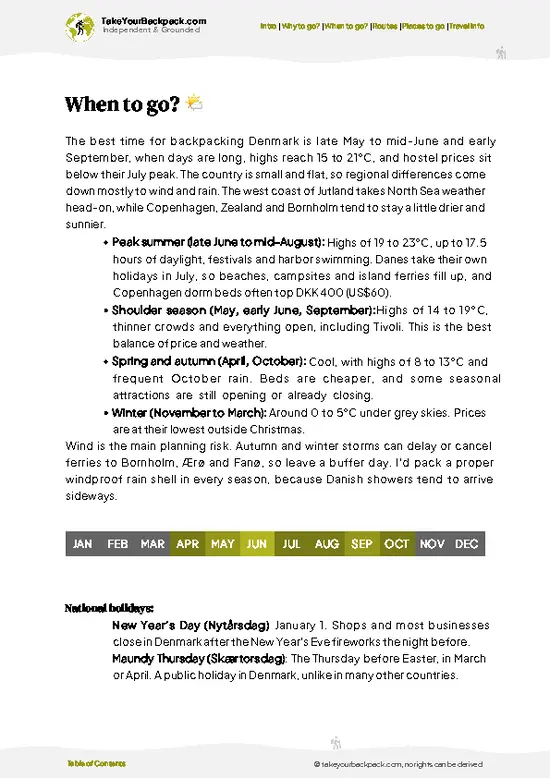
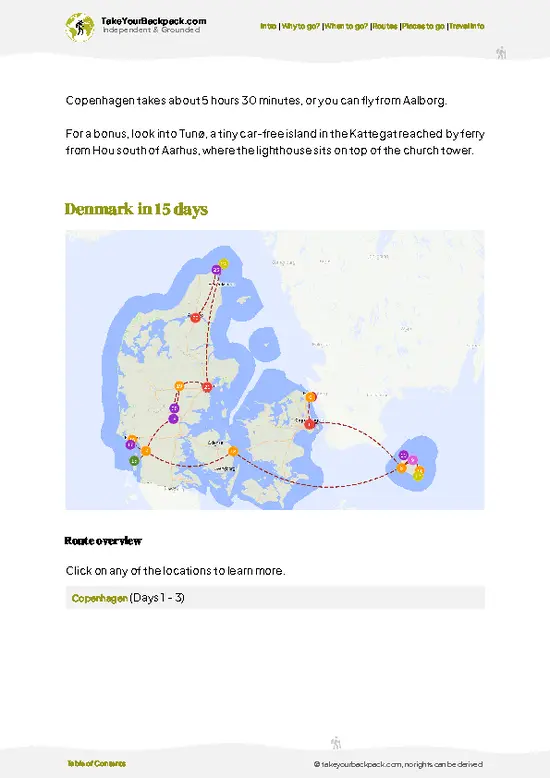
example page 0 from our offline Travel Guide for Denmarkexample page 1 from our offline Travel Guide for Denmarkexample page 2 from our offline Travel Guide for Denmarkexample page 3 from our offline Travel Guide for Denmarkexample page 4 from our offline Travel Guide for Denmarkexample page 5 from our offline Travel Guide for Denmarkexample page 6 from our offline Travel Guide for Denmarkexample page 7 from our offline Travel Guide for Denmark
The digital guide (385 pages) contains:
106 highlights, ranked by travel appeal
Optimized 5, 10 & 15-day travel routes
Cities, national parks, beaches, historical sites, ...
How to get around
Offline-friendly for travel without Wi-Fi
👉 Click to see all 30+ guide features

📅 Plan smarter in minutes, not weeks
Month by month travel advice
Festivals & national holidays
Budget expectations

🗺️ Go to the right places, skip the overrated ones
Honest pros & cons of destinations
Top hikes, parks & viewpoints
Lesser-known places most travelers miss
Clear “worth it vs skip it” guidance

🛏️ Travel smoothly without rookie mistakes
Best areas to stay
Transport systems explained simply
Common scams & safety advice
SIM cards, money & practical tips

🌍 Understand the country, not just visit it
Culture & traditions
52 Essential phrases & customs
Festivals worth planning around
Traveler-friendly historical context
Insights that make places more meaningful

📱 Built for real travel conditions
Fully downloadable PDF
Works completely offline
Optimized for phone use
Useful in remote areas & buses
Everything in one place
Save weeks of stressful planning
Get instant access to the full guide directly. 30-day money-back guarantee.


Sent to your inbox immediately after payment • 100% Secure Checkout
Best Backpacking Travel Advisor 2025 tourism awardBest Backpacking
Travel Advisor
2025
What others say about Take Your Backpack Guides:
⭐⭐⭐⭐⭐
Fantastic, amazing amount of information!
⭐⭐⭐⭐⭐
My goodness this is amazing, it's what I've been looking for hats off too you!
⭐⭐⭐⭐⭐
I think this is absolutely BRILLIANT
⭐⭐⭐⭐
Very complete and informative. It's still missing places, but I gotta to commend you
⭐⭐⭐⭐⭐
This is truly amazing, thank you, can't wait to explore it with my kids!
⭐⭐⭐⭐⭐
Awesome resource, thank you!
⭐⭐⭐⭐⭐
This is amazing! Can't wait to explore the ones I haven't seen
⭐⭐⭐⭐
I love this! Well done, great idea.
⭐⭐⭐⭐⭐
Thanks for taking the time to make this gem!
⭐⭐⭐⭐⭐
This might be the best website I've ever seen.
⭐⭐⭐⭐⭐
Congratulations, and thank you so much for your work; it's incredibly valuable.
⭐⭐⭐⭐
In all seriousness I think you did a great job pointing out the important spots
⭐⭐⭐⭐⭐
10/10 very good
⭐⭐⭐⭐⭐
As someone who's only just starting to visit regularly this is awesome, thank you.
⭐⭐⭐⭐
Thank you very much! I'm going to visit my dad, it's going to be very useful!
⭐⭐⭐⭐⭐
This is really cool! We'll be travelling for the first time and this definitely come in handy.
⭐⭐⭐⭐⭐
You are now our minister of culture, congratulations 👨‍💼
⭐⭐⭐⭐⭐
Just wanted to tell you that this is a pearl! Going to follow your recommendations.
⭐⭐⭐⭐⭐
This is so cool. I'll definitely be using the resource for my travels soon.
⭐⭐⭐⭐⭐
This is very impressive! Good work.
⭐⭐⭐⭐⭐
This is an amazing and informative site. Very well done!

🛏️ Where to stay?Accommodation Highlights

Denmark has hostels and budget accommodation across its main cities — choices are densest in Copenhagen and also available in Aarhus and Odense.

In Copenhagen focus on Indre By for immediate access to landmarks (more expensive and busy), Vesterbro for nightlife and transport links (can be noisy), Nørrebro for cheaper, diverse options and stronger nightlife (variable street noise), and Østerbro for quieter, family-friendly stays near parks and museums; in Aarhus aim for the city centre/Latin Quarter or Frederiksbjerg for walkable museum access and calmer nights, while Odense has fewer budget beds concentrated near the central station.

Book ahead in summer and around festivals because low-cost … read more 👉
Denmark has hostels and budget accommodation across its main cities — choices are densest in Copenhagen and also available in Aarhus and Odense.

In Copenhagen focus on Indre By for immediate access to landmarks (more expensive and busy), Vesterbro for nightlife and transport links (can be noisy), Nørrebro for cheaper, diverse options and stronger nightlife (variable street noise), and Østerbro for quieter, family-friendly stays near parks and museums; in Aarhus aim for the city centre/Latin Quarter or Frederiksbjerg for walkable museum access and calmer nights, while Odense has fewer budget beds concentrated near the central station.

Book ahead in summer and around festivals because low-cost beds fill fast, choose central neighborhoods to save on transit costs, and prefer quieter districts if sleep and safety matter more than being in the thick of nightlife.

If you enjoy meeting fellow travelers, consider choosing hostels with high ratings for atmosphere. On the other hand, if you prefer having your own space, a hotel might be a better option.

DenmarkSee More of Denmark

👋 Meet the founderWho’s Behind Take Your Backpack?

Johan, backpacker and founder of TakeYourBackpackHi, I’m Johan (Netherlands 🇳🇱), the creator of TakeYourBackpack. Over the past decade, I’ve backpacked through 80+ countries across six continents, gaining extensive experience with independent travel, long-term trips, and overland routes.

This site is built on a combination of firsthand travel experience and carefully curated insights from other backpackers. Many guides are based on places I’ve personally visited, while others bring together tips, observations, and practical advice shared by trusted travelers I’ve met along the way.

The goal is to provide realistic, experience-driven guidance — not generic itineraries — so you can explore destinations with better context, clearer expectations, and more confidence.

Get full Denmark guide •
Instant download • 106 highlights • Full Offline guide