×

Dominican Republic🇩🇴 | attractionsMuseo del Hombre Dominicanopre-Columbian artifacts, Taino culture, ethnographic exhibits | things to do and best time to go

Explore Faro a ColónExplore Centro León

Backpacking in Museo del Hombre Dominicano
👍 Recommendedattraction ranked #9
By Johan Kruseman 🇳🇱 | Updated May 12, 2026

Forget the Instagram myth: Museo del Hombre Dominicano is not some sleepy, air-conditioned relic where you’ll snap a few photos of dusty Taino artifacts and call it a day. It’s in Santo Domingo, tucked into the city’s government district—a far cry from the Zona Colonial’s tourist parade. Here’s the real deal: this museum is a crash course in what actually shaped the Dominican Republic, from pre-Columbian roots to the messy, fascinating tangle of African, European, and indigenous influences. The exhibits are dense, sometimes dated, and the signage won’t hold your hand in English, but if you want to understand the country beyond the beach resorts, this is where you start. It’s rarely crowded, cheap to enter, and the air conditioning is a legitimate blessing after a day in the city’s humidity. Don’t expect adrenaline or Instagrammable backdrops—expect to leave with your worldview cracked open a little wider. That’s the real magic.

Discover everything you want to know in the 📖 Dominican Republic Travel Guide.
Loading the map 🌍
CLICK TO FILTER
cities
towns
landmarks
national parks
hikes
beaches
attractions
festivals
regions
SHOW COUNTRY’S BESTSHOW ALL

✨ Why go?
Ranked #9 attraction in Dominican Republic
Why Museo del Hombre Dominicano should be on your travel list

The Museo del Hombre Dominicano doesn’t pop up on every tourist’s feed, and that’s exactly why it’s a must for backpackers who want more than just postcard shots. Sure, it’s not a flashy beach or a party hotspot, but this museum is the real deal when it comes to understanding the Dominican Republic’s soul. It’s a deep dive into the island’s cultural roots, showcasing everything from indigenous Taino artifacts to the complex layers of African and European influences that shaped modern Dominican identity.

Don’t expect crowds to swarm this place like the beaches of Punta Cana. The quieter atmosphere means you get to absorb the exhibits without the usual tourist noise, making it a rare chance to connect with history on your own terms. The effort-to-reward ratio here is high—spending a few hours … read more 👉
The Museo del Hombre Dominicano doesn’t pop up on every tourist’s feed, and that’s exactly why it’s a must for backpackers who want more than just postcard shots. Sure, it’s not a flashy beach or a party hotspot, but this museum is the real deal when it comes to understanding the Dominican Republic’s soul. It’s a deep dive into the island’s cultural roots, showcasing everything from indigenous Taino artifacts to the complex layers of African and European influences that shaped modern Dominican identity.

Don’t expect crowds to swarm this place like the beaches of Punta Cana. The quieter atmosphere means you get to absorb the exhibits without the usual tourist noise, making it a rare chance to connect with history on your own terms. The effort-to-reward ratio here is high—spending a few hours inside feels like unlocking a secret chapter of the country’s story that most travelers miss.

For backpackers threading through the Caribbean, this museum is a major milestone. It’s not just about ticking off a site; it’s about grounding your journey in the real, often messy, history behind the island’s vibrant present. If you want to understand the Dominican Republic beyond the surface, this is where you start.
Want to include Museo del Hombre Dominicano in your Dominican Republic route?
Create a personalized Dominican Republic itinerary that includes Museo del Hombre Dominicano and the places that fit your trip — based on your travel style, budget, and available time. Get your route in seconds.

Generate my trip

💡 HighlightsEssential experiences to have while visiting Museo del Hombre Dominicano

1. Taino Artifacts: The Real Pre-Columbus Story
Forget the sanitized, cartoonish Taino you see on tourist brochures. The Museo del Hombre Dominicano’s Taino collection is the real deal: ceremonial zemis carved from stone, bone, and wood, plus jewelry and tools that survived centuries of conquest and humidity. These aren’t just relics—they’re proof of a civilization that shaped the island long before Columbus crashed the party. The display is dense, tactile, and sometimes a little eerie. You’ll see ritual objects that look like they belong in a fantasy epic, not a Caribbean museum. If you want to understand the roots of Dominican identity, this is where you start.


2. Carnival Masks: The Wild, The Weird, The Unfiltered
Instagram loves a pretty mask, but the museum’s collection of Dominican … read more 👉
1. Taino Artifacts: The Real Pre-Columbus Story
Forget the sanitized, cartoonish Taino you see on tourist brochures. The Museo del Hombre Dominicano’s Taino collection is the real deal: ceremonial zemis carved from stone, bone, and wood, plus jewelry and tools that survived centuries of conquest and humidity. These aren’t just relics—they’re proof of a civilization that shaped the island long before Columbus crashed the party. The display is dense, tactile, and sometimes a little eerie. You’ll see ritual objects that look like they belong in a fantasy epic, not a Caribbean museum. If you want to understand the roots of Dominican identity, this is where you start.


2. Carnival Masks: The Wild, The Weird, The Unfiltered
Instagram loves a pretty mask, but the museum’s collection of Dominican carnival masks is a riot of color, horns, and teeth—some are genuinely unsettling. These aren’t sanitized for tourists. Each mask tells a story about rebellion, satire, and survival, from the devilish “diablos cojuelos” to the grotesque animal hybrids. You get the sense that Dominican carnival is less about spectacle and more about catharsis—a chance to mock authority, scare your neighbors, and let loose. The display is loud, proud, and unapologetically local.


3. Afro-Dominican Spirituality: Drums, Altars, and the Unseen
Most guides skip this, but the museum dives into the island’s African roots with a section on syncretic religions like Vodú and Congos del Espíritu Santo. You’ll see drums, ritual objects, and altars that are still used in ceremonies today. This isn’t a tourist-friendly, watered-down version—it’s raw, complex, and sometimes challenging. The display doesn’t shy away from the realities of colonialism, slavery, and resistance. If you want to understand the Dominican Republic beyond the beaches, this is where the real magic lives.


4. Pre-Columbian Petroglyphs: Ancient Graffiti, Zero Filters
You won’t find these in your average Caribbean museum. The Museo del Hombre Dominicano has a handful of original petroglyphs—rock carvings made by the island’s earliest inhabitants. They’re rough, mysterious, and loaded with meaning nobody can fully decode. Standing in front of these stones, you feel the weight of centuries and the thrill of a message sent across time. No hashtags, no filters—just raw human expression.


5. The Hall of National Identity: More Than Flags and Anthems
This isn’t your standard patriotic puff piece. The museum’s approach to Dominican identity is layered and honest, showing the messy, sometimes painful blend of Taino, African, and European influences. You’ll see everything from colonial-era weapons to everyday objects that shaped modern Dominican life. It’s not always pretty, but it’s real—and it’s a crash course in why the Dominican Republic is so much more than its resorts.
Spotted a mistake or missing something? Contact us.

Things to do around Museo del Hombre Dominicano

Ratings based on Tripadvisor reviews. When you book through this link, you support our work at no extra cost to you.

🌤️ When to go?Best time to visit Museo del Hombre Dominicano


  • Topic: Weather and Temperature – The Museo del Hombre Dominicano is in Santo Domingo, where the climate is tropical. From May through October, expect hot, humid days averaging 28–32°C (82–90°F), with frequent afternoon showers. November to April cools slightly to 24–28°C (75–82°F), making it more comfortable for wandering through exhibits without sweating buckets.

  • Topic: Daylight Hours – Daylight is fairly consistent year-round, roughly 11 to 12 hours daily. This means you can plan your visit any time without worrying about early darkness cutting your museum time short.

  • Topic: Crowds – Tourist high season peaks December to April, especially around Christmas and Easter, when the museum sees more visitors. If you want to avoid the crush, aim for the shoulder months of May or November,
read more 👉

  • Topic: Weather and Temperature – The Museo del Hombre Dominicano is in Santo Domingo, where the climate is tropical. From May through October, expect hot, humid days averaging 28–32°C (82–90°F), with frequent afternoon showers. November to April cools slightly to 24–28°C (75–82°F), making it more comfortable for wandering through exhibits without sweating buckets.

  • Topic: Daylight Hours – Daylight is fairly consistent year-round, roughly 11 to 12 hours daily. This means you can plan your visit any time without worrying about early darkness cutting your museum time short.

  • Topic: Crowds – Tourist high season peaks December to April, especially around Christmas and Easter, when the museum sees more visitors. If you want to avoid the crush, aim for the shoulder months of May or November, when locals are around but tourists thin out.

  • Topic: Seasonal Activities – The museum occasionally hosts cultural events and temporary exhibits tied to Dominican heritage celebrations, often timed around national holidays like Independence Day in February. These add depth but also draw crowds.

  • Topic: Price Fluctuations – Entry fees remain stable year-round, but accommodation and flights spike during peak tourist months (December to April). Visiting off-peak can save you serious cash, letting you spend more on local experiences.


Pro-tip: Visit between late November and early December for cooler weather, fewer tourists, and a chance to catch cultural events without the inflated prices of high season.


source: climatestotravel.comJANJanuary: good for travelingFEBFebruary: good for travelingMARMarch: good for travelingAPRApril: good for travelingMAYMay: highly recommended for travelingJUNJune: fair for travelingJULJuly: fair for travelingAUGAugust: fair for travelingSEPSeptember: fair for travelingOCTOctober: fair for travelingNOVNovember: highly recommended for travelingDECDecember: good for traveling
dominican-republic-attraction-museo-del-hombre-dominicano v1
© Google |

✈️ The backpacker research shortcutDominican Republic Travel Guide

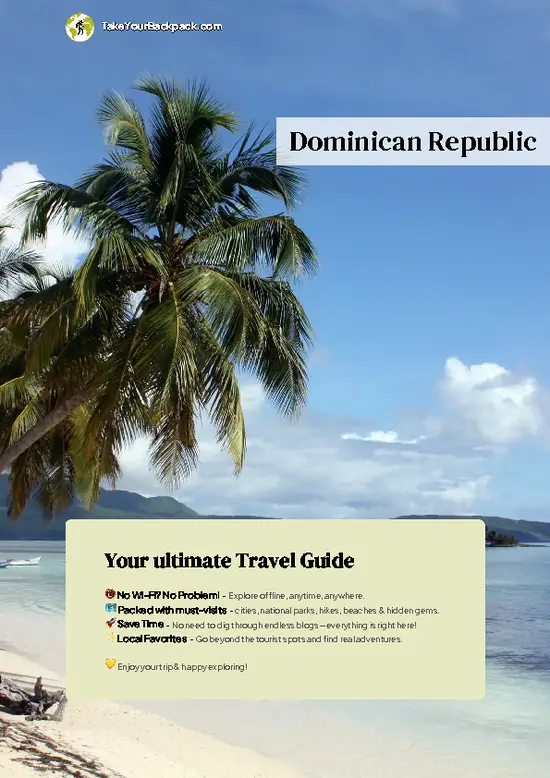
An offline-friendly backpacking guide with optimized travel routes, ranked highlights, transport advice, and the best areas to stay.
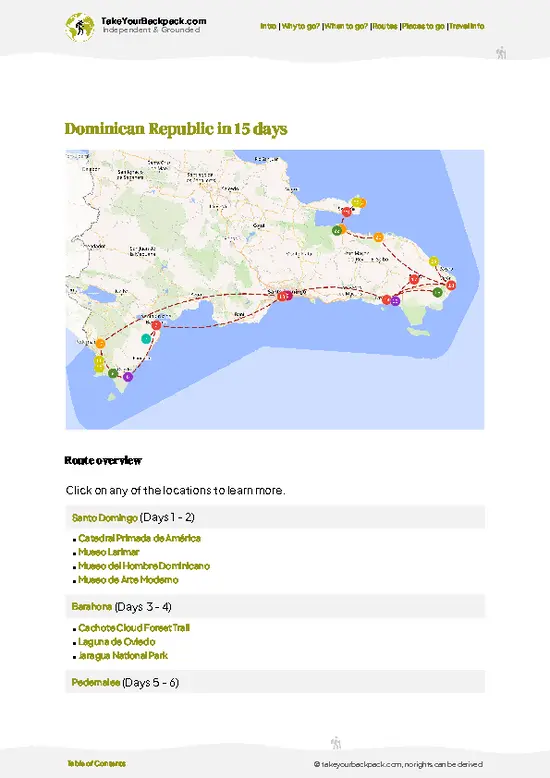
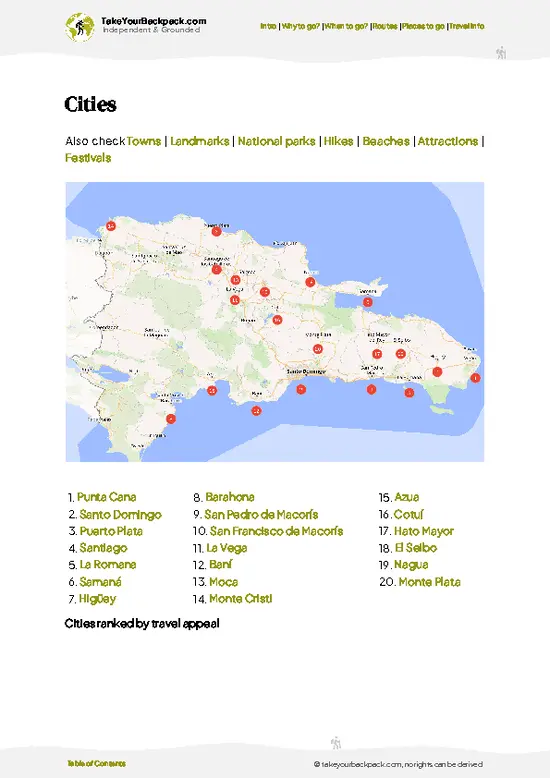
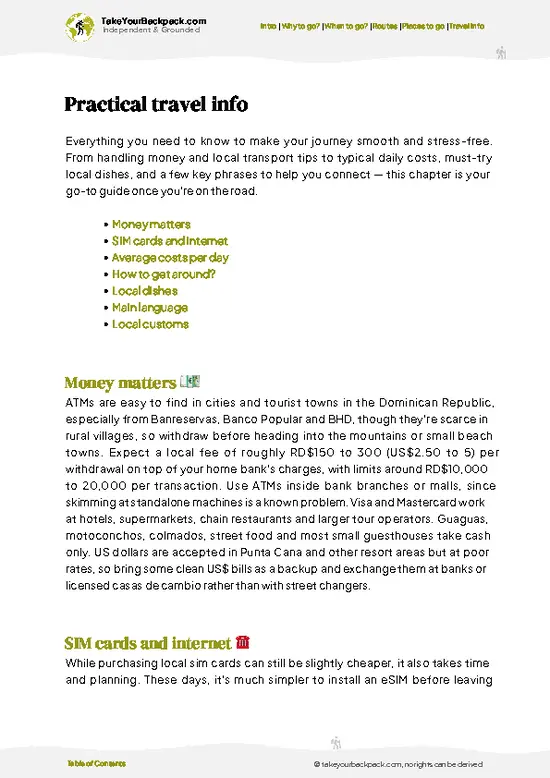
example page 0 from our offline Travel Guide for Dominican Republic
example page 1 from our offline Travel Guide for Dominican Republic
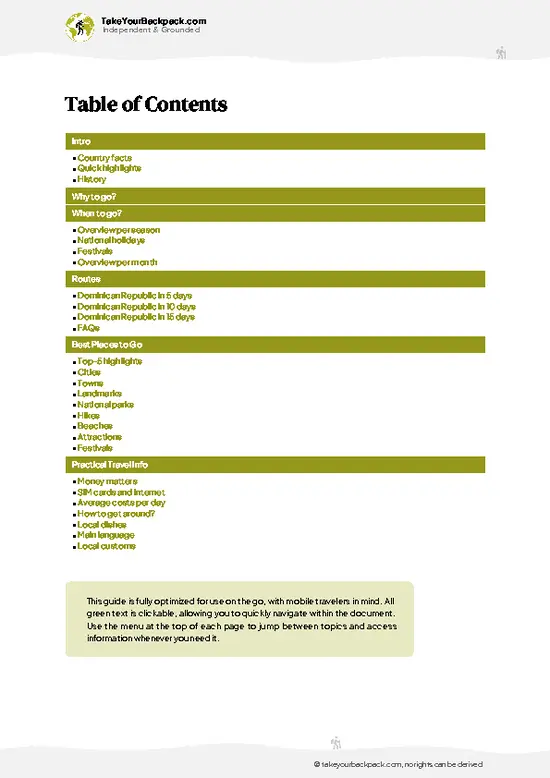
example page 2 from our offline Travel Guide for Dominican Republic
example page 3 from our offline Travel Guide for Dominican Republic
example page 4 from our offline Travel Guide for Dominican Republic
example page 5 from our offline Travel Guide for Dominican Republic
example page 6 from our offline Travel Guide for Dominican Republic
example page 7 from our offline Travel Guide for Dominican Republic
The digital guide (431 pages) contains:
119 highlights, ranked by travel appeal
Optimized 5, 10 & 15-day travel routes
Cities, national parks, landmarks, beaches
How to get around
Offline-friendly for travel without Wi-Fi
👉 Click to see all 30+ guide features

📅 Plan smarter in minutes, not weeks
Month by month travel advice
Festivals & national holidays
Budget expectations

🗺️ Go to the right places, skip the overrated ones
Honest pros & cons of destinations
Top hikes, parks & viewpoints
Lesser-known places most travelers miss
Clear “worth it vs skip it” guidance

🛏️ Travel smoothly without rookie mistakes
Best areas to stay
Transport systems explained simply
Common scams & safety advice
SIM cards, money & practical tips

🌍 Understand the country, not just visit it
Culture & traditions
52 Essential phrases & customs
Festivals worth planning around
Traveler-friendly historical context
Insights that make places more meaningful

📱 Built for real travel conditions
Fully downloadable PDF
Works completely offline
Optimized for phone use
Useful in remote areas & buses
Everything in one place
Save weeks of stressful planning
Get instant access to your full guide. 30‑day money-back guarantee.


By proceeding you agree to our terms.
Sent to your inbox immediately after payment • 100% Secure Checkout
Best Backpacking Travel Advisor 2025 tourism awardBest Backpacking
Travel Advisor
2025
What others say about Take Your Backpack Guides:
⭐⭐⭐⭐⭐
Fantastic, amazing amount of information!
⭐⭐⭐⭐⭐
My goodness this is amazing, it's what I've been looking for hats off too you!
⭐⭐⭐⭐⭐
I think this is absolutely BRILLIANT
⭐⭐⭐⭐
Very complete and informative. It's still missing places, but I gotta to commend you
⭐⭐⭐⭐⭐
This is truly amazing, thank you, can't wait to explore it with my kids!
⭐⭐⭐⭐⭐
Awesome resource, thank you!
⭐⭐⭐⭐⭐
This is amazing! Can't wait to explore the ones I haven't seen
⭐⭐⭐⭐
I love this! Well done, great idea.
⭐⭐⭐⭐⭐
Thanks for taking the time to make this gem!
⭐⭐⭐⭐⭐
This might be the best website I've ever seen.
⭐⭐⭐⭐⭐
Congratulations, and thank you so much for your work; it's incredibly valuable.
⭐⭐⭐⭐
In all seriousness I think you did a great job pointing out the important spots
⭐⭐⭐⭐⭐
10/10 very good
⭐⭐⭐⭐⭐
As someone who's only just starting to visit regularly this is awesome, thank you.
⭐⭐⭐⭐
Thank you very much! I'm going to visit my dad, it's going to be very useful!
⭐⭐⭐⭐⭐
This is really cool! We'll be travelling for the first time and this definitely come in handy.
⭐⭐⭐⭐⭐
You are now our minister of culture, congratulations 👨‍💼
⭐⭐⭐⭐⭐
Just wanted to tell you that this is a pearl! Going to follow your recommendations.
⭐⭐⭐⭐⭐
This is so cool. I'll definitely be using the resource for my travels soon.
⭐⭐⭐⭐⭐
This is very impressive! Good work.
⭐⭐⭐⭐⭐
This is an amazing and informative site. Very well done!

🛏️ Where to stay?Choosing the right base

If you’re heading to the Museo del Hombre Dominicano, brace yourself: this spot in Santo Domingo’s Colonial Zone is a magnet for tourists, and yes, it can get crowded. Forget the Instagram-perfect, empty streets fantasy—expect groups, school trips, and selfie sticks. But here’s the kicker: the real magic isn’t just in the museum’s artifacts; it’s in the pulse of the neighborhood around it.

For backpackers, the Colonial Zone itself is your best bet. It’s safe enough to wander at night, which is a huge plus when you’re solo and want to soak up the city’s vibe without stress. The cobblestone streets … read more 👉
If you’re heading to the Museo del Hombre Dominicano, brace yourself: this spot in Santo Domingo’s Colonial Zone is a magnet for tourists, and yes, it can get crowded. Forget the Instagram-perfect, empty streets fantasy—expect groups, school trips, and selfie sticks. But here’s the kicker: the real magic isn’t just in the museum’s artifacts; it’s in the pulse of the neighborhood around it.

For backpackers, the Colonial Zone itself is your best bet. It’s safe enough to wander at night, which is a huge plus when you’re solo and want to soak up the city’s vibe without stress. The cobblestone streets are packed with bars, cafés, and plazas where locals and travelers collide. This is where you’ll find your people—budget travelers swapping stories over cheap drinks, street food vendors serving up authentic Dominican flavors, and impromptu music sessions that no guidebook mentions.

If you want social, this area delivers. It’s compact, so you’re never far from the action or the museum. Plus, the walkability means you save on transport, which is a win for your wallet. Just remember, this isn’t a quiet retreat; it’s a lively, sometimes noisy hub that’s perfect if you want to dive headfirst into local life rather than just skim the surface.

👛 Costs (as of 21 July 2025)Typical daily expenses

La entrada al Museo del Hombre Dominicano tiene un costo de RD$100 para adultos y RD$20 para estudiantes. ([museosrd.gob.do](https://museosrd.gob.do/museos/museo-del-hombre-dominicano/?utm_source=openai))

source: museosrd.gob.do
⚠️ Prices can change and everyone travels differently, so take this as a rough guide. Hope it helps you plan your adventure!

Other Dominican attractions near Museo del Hombre Dominicano

Explore more nearby:


💡 Not sure where to go next?
Create a personalized itinerary for Dominican Republic including Museo del Hombre Dominicano and the places that fit your trip.

Generate my itinerary

👉 Discover all attractions

Or checkout all Dominican Republic has to offer (think cities, towns, villages, national parks, hikes, beaches, festivals)
Country photo of Dominican Republic

We 💚 feedbackIs it worth it?

The Museo del Hombre Dominicano isn’t your typical tourist pit stop, and that’s exactly why it’s worth your time. Sure, it can get a bit crowded, especially on weekends, and the entrance fee isn’t dirt cheap, but the payoff is real. The raw, unfiltered look at Dominican history and culture here hits deeper than any postcard-perfect beach photo. The best surprise? The way the exhibits connect you to the island’s roots without sugarcoating the tough parts. Go in curious, leave with a new respect for the place.

✍️ Help improve this page!
The information on this page is based on in-depth research, insights shared by experienced travelers, and feedback from the local travel community in Dominican Republic. While every effort is made to keep the information accurate and current, conditions can change — so if you spot anything incorrect or outdated, please get in touch.


🙋‍♂️ Give feedback

👋 Meet the founderWho’s Behind Take Your Backpack?

Johan, backpacker and founder of TakeYourBackpackHi, I’m Johan (Netherlands 🇳🇱), the creator of TakeYourBackpack. Over the past decade, I’ve backpacked through 80+ countries across six continents, gaining extensive experience with independent travel, long-term trips, and overland routes.

This site is built on a combination of firsthand travel experience and carefully curated insights from other backpackers. Many guides are based on places I’ve personally visited, while others bring together tips, observations, and practical advice shared by trusted travelers I’ve met along the way.

The goal is to provide realistic, experience-driven guidance — not generic itineraries — so you can explore destinations with better context, clearer expectations, and more confidence.

Get full country guide •
Instant download • 119 highlights • Full Offline guide