×

Dominican Republic🇩🇴 | attractionsZona Colonial (historic district and museums clustercobblestone streets, fortress ruins, UNESCO heritage | things to do and best time to go

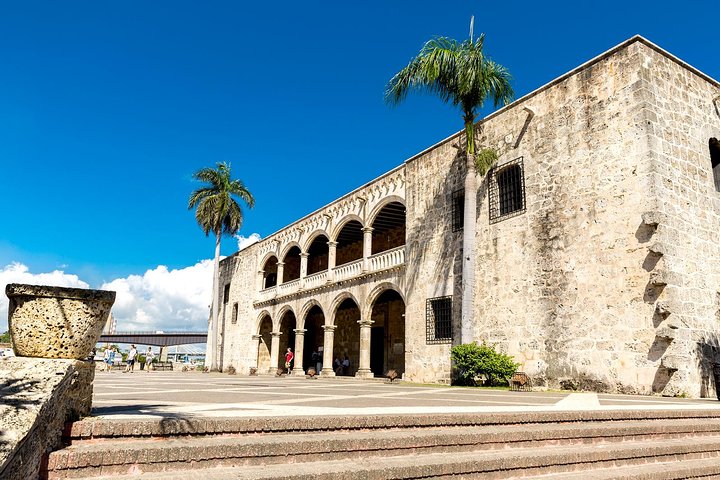
Explore Laguna de OviedoExplore Alcázar de Colón Museum

Backpacking in Zona Colonial (historic district and museums cluster
By Johan Kruseman 🇳🇱 | Updated April 16, 2026

Let’s get real: most people come to Zona Colonial for the “oldest” this and “first” that—cathedrals, cobblestones, and a museum cluster that looks great on a feed. But if you’re only chasing UNESCO bragging rights, you’ll miss the pulse that actually makes this place worth your time. Zona Colonial sits right in the heart of Santo Domingo, the Dominican Republic’s capital, and yes, it’s the historic core—but it’s also a living, breathing neighborhood where locals argue over dominoes, salsa spills out of doorways, and the past collides with the present in ways no glossy brochure can capture. For backpackers, the pros are real: walkable streets, cheap eats, and a crash course in Caribbean history that’s more raw than polished. The cons? You’ll dodge tour groups and overpriced cafes, and the “wow” factor can fade fast if you’re expecting untouched ruins. But compared to the country’s beach resorts, Zona Colonial delivers grit, character, and a sense of place you can actually feel under your boots.

Discover everything you want to know in the 📖 Dominican Republic Travel Guide.
Loading the map 🌍
CLICK TO FILTER
cities
towns
landmarks
national parks
hikes
beaches
attractions
festivals
regions
SHOW COUNTRY’S BESTSHOW ALL

✨ Why go?
Ranked #99 attraction in Dominican Republic
Why Zona Colonial (historic district and museums cluster should be on your travel list

Zona Colonial in the Dominican Republic is not just another pretty postcard spot plastered all over Instagram—it’s the beating heart of the country’s history and culture. Yes, it’s crowded, especially around the main plazas and museums, and yes, some entry fees can feel steep if you’re hopping from one site to the next. But here’s the real deal: this is where the New World’s story began, where Columbus first set foot, and where centuries-old cobblestone streets still echo with the footsteps of conquistadors, revolutionaries, and everyday Dominicans.

Backpackers make time here because it’s a rare chance to walk through living history, not just stare at it behind glass. The museums aren’t just dusty relics—they’re packed with stories that shape the entire Caribbean’s identity. The effort to … read more 👉
Zona Colonial in the Dominican Republic is not just another pretty postcard spot plastered all over Instagram—it’s the beating heart of the country’s history and culture. Yes, it’s crowded, especially around the main plazas and museums, and yes, some entry fees can feel steep if you’re hopping from one site to the next. But here’s the real deal: this is where the New World’s story began, where Columbus first set foot, and where centuries-old cobblestone streets still echo with the footsteps of conquistadors, revolutionaries, and everyday Dominicans.

Backpackers make time here because it’s a rare chance to walk through living history, not just stare at it behind glass. The museums aren’t just dusty relics—they’re packed with stories that shape the entire Caribbean’s identity. The effort to navigate the busy streets, dodge souvenir hawkers, and pay for entry is rewarded by moments that hit deeper than any beach sunset.

Zona Colonial is a milestone on any Dominican route because it anchors your trip in context. It’s where you stop being a tourist and start understanding the layers beneath the island’s vibrant culture. Skip it, and you miss the backbone of the Dominican experience.
Want to include Zona Colonial (historic district and museums cluster in your Dominican Republic route?
Create a personalized Dominican Republic itinerary that includes Zona Colonial (historic district and museums cluster and the places that fit your trip — based on your travel style, budget, and available time. Get your route in seconds.

Generate my trip

💡 HighlightsTop highlights of Zona Colonial (historic district and museums cluster

Parque Colón
Let’s get real: this is the beating heart of the Zona Colonial, and yes, it’s crawling with tourists, hustlers, and the occasional pigeon that thinks it owns the place. But if you want to feel the pulse of Santo Domingo, you plant yourself here. The statue of Columbus is just a prop—the real show is the parade of locals, street performers, domino games, and the old men who’ve seen it all. Grab a bench, order a coffee from a nearby café, and watch the city’s social engine in motion. It’s not quiet, but it’s alive in a way that no Instagram filter can fake.


Catedral Primada de América
Forget the postcard shots—step inside. This isn’t just the oldest cathedral in the Americas; it’s a stone-and-mortar time machine. The cool air, the battered pews, the centuries-old confessionals—this … read more 👉
Parque Colón
Let’s get real: this is the beating heart of the Zona Colonial, and yes, it’s crawling with tourists, hustlers, and the occasional pigeon that thinks it owns the place. But if you want to feel the pulse of Santo Domingo, you plant yourself here. The statue of Columbus is just a prop—the real show is the parade of locals, street performers, domino games, and the old men who’ve seen it all. Grab a bench, order a coffee from a nearby café, and watch the city’s social engine in motion. It’s not quiet, but it’s alive in a way that no Instagram filter can fake.


Catedral Primada de América
Forget the postcard shots—step inside. This isn’t just the oldest cathedral in the Americas; it’s a stone-and-mortar time machine. The cool air, the battered pews, the centuries-old confessionals—this place has survived pirates, earthquakes, and more than a few questionable renovations. The architecture is a mashup of Gothic, Baroque, and something uniquely Caribbean. If you’re lucky, you’ll catch the echo of a choir rehearsal or the heavy silence of a weekday afternoon. It’s not about religion; it’s about standing where history happened and feeling the weight of it.


Fortaleza Ozama
Climb the ramparts and you’ll get the best view in the district—no drone required. This squat, stone fortress is older than most countries, and it looks it. The walls are pockmarked, the cannons are rusted, and the whole place smells faintly of salt and sun-baked limestone. Skip the guided tour and wander on your own. The real thrill is imagining the pirates and prisoners who paced these same battlements. It’s not polished, but that’s the point.


Calle Las Damas
The oldest paved street in the New World, and it’s still got attitude. Walk it at dusk, when the heat breaks and the shadows stretch. The colonial mansions lining the street aren’t just pretty—they’re haunted by stories of conquistadors, revolutionaries, and the women (the “damas”) who gave the street its name. You’ll pass uniformed guards, crumbling facades, and the occasional wedding shoot. It’s a living museum, minus the velvet ropes.


Museo de las Casas Reales
If you only do one museum, make it this one. The exhibits are solid, but the real draw is the building itself—a former Spanish government palace with echoing halls and sunlit courtyards. You’ll see antique weapons, colonial maps, and enough creaky furniture to stage your own coup. It’s a crash course in the messy, fascinating history of the Caribbean, minus the sugarcoating.


Plaza de España
This is where the Zona Colonial stretches out and breathes. The plaza is massive, ringed by restaurants that are overpriced but worth it for the people-watching. At night, the Alcázar de Colón lights up and the whole square turns into an open-air stage—musicians, dancers, and families out for a stroll. It’s touristy, sure, but the energy is contagious. If you want to feel the city celebrate itself, this is the spot.
Spotted a mistake or missing something? Contact us.

Things to do around Zona Colonial (historic district and museums cluster

Ratings based on Tripadvisor reviews. When you book through this link, you support our work at no extra cost to you.

🌤️ When to go?Seasonal considerations and timing


  • Weather: The Zona Colonial basks in a tropical climate, with January through April offering the driest, most comfortable conditions. Expect highs around 28°C (82°F) and lows near 20°C (68°F). May to November brings humidity and frequent afternoon showers, which can dampen your strolls and museum visits.

  • Temperature: Temperatures hover between 24°C and 31°C (75°F to 88°F) year-round, but the real discomfort kicks in during the summer months, especially July and August, when humidity spikes and the heat feels relentless.

  • Daylight Hours: Daylight is fairly consistent, with roughly 11 to 12 hours daily. Longer days from May to August mean more time to explore, but also more sun exposure—pack sunscreen and a hat.

  • Crowds: Peak tourist season aligns with the dry months, especially December through
read more 👉

  • Weather: The Zona Colonial basks in a tropical climate, with January through April offering the driest, most comfortable conditions. Expect highs around 28°C (82°F) and lows near 20°C (68°F). May to November brings humidity and frequent afternoon showers, which can dampen your strolls and museum visits.

  • Temperature: Temperatures hover between 24°C and 31°C (75°F to 88°F) year-round, but the real discomfort kicks in during the summer months, especially July and August, when humidity spikes and the heat feels relentless.

  • Daylight Hours: Daylight is fairly consistent, with roughly 11 to 12 hours daily. Longer days from May to August mean more time to explore, but also more sun exposure—pack sunscreen and a hat.

  • Crowds: Peak tourist season aligns with the dry months, especially December through March, when the Zona Colonial fills with visitors escaping colder climates. This means crowded streets, busy museums, and higher prices. The shoulder months of April and November offer a quieter experience without sacrificing weather quality.

  • Seasonal Activities: Cultural events like the Santo Domingo Carnival in February and the Merengue Festival in July add vibrant local flavor but also swell crowds. If you want to soak in culture without the crush, avoid these peak festival times.

  • Price Fluctuations: Accommodation and tours spike during the dry season and festivals. From May to October, expect lower prices but prepare for occasional rain interruptions. Booking ahead during peak months is essential to avoid inflated last-minute costs.


Pro-tip: Visit in late April or early November for a sweet spot—pleasant weather, manageable crowds, and better deals, letting you savor the Zona Colonial’s soul without the Instagram mob.


source: climatestotravel.comJANJanuary: highly recommended for travelingFEBFebruary: good for travelingMARMarch: highly recommended for travelingAPRApril: excellent for travelingMAYMay: good for travelingJUNJune: fair for travelingJULJuly: fair for travelingAUGAugust: fair for travelingSEPSeptember: fair for travelingOCTOctober: good for travelingNOVNovember: excellent for travelingDECDecember: highly recommended for traveling
when-to-go

✈️ The backpacker research shortcutDominican Republic Travel Guide

An offline-friendly backpacking guide with optimized travel routes, ranked highlights, transport advice, and the best areas to stay.
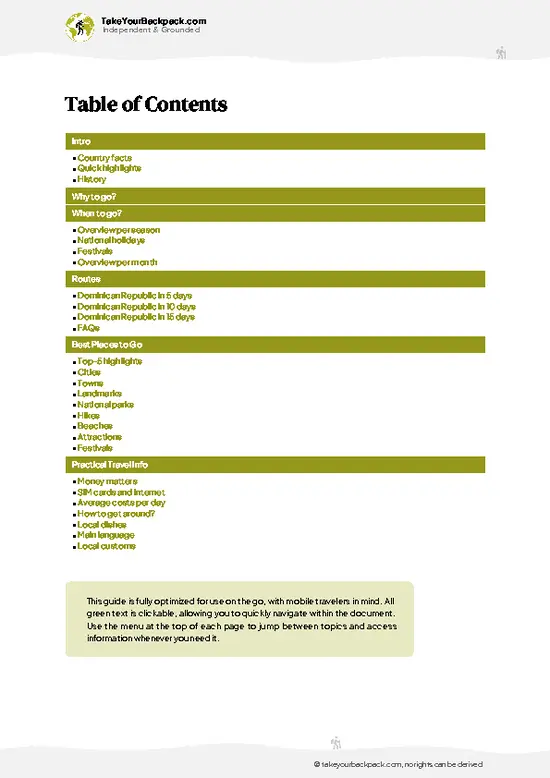
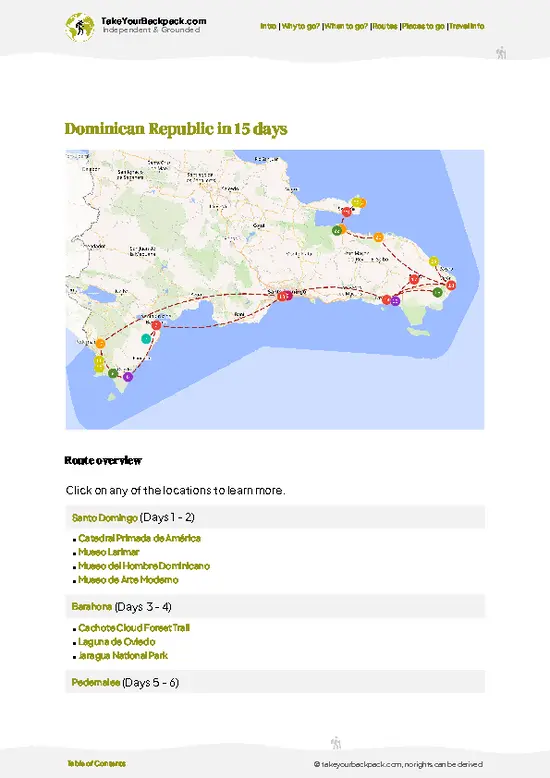
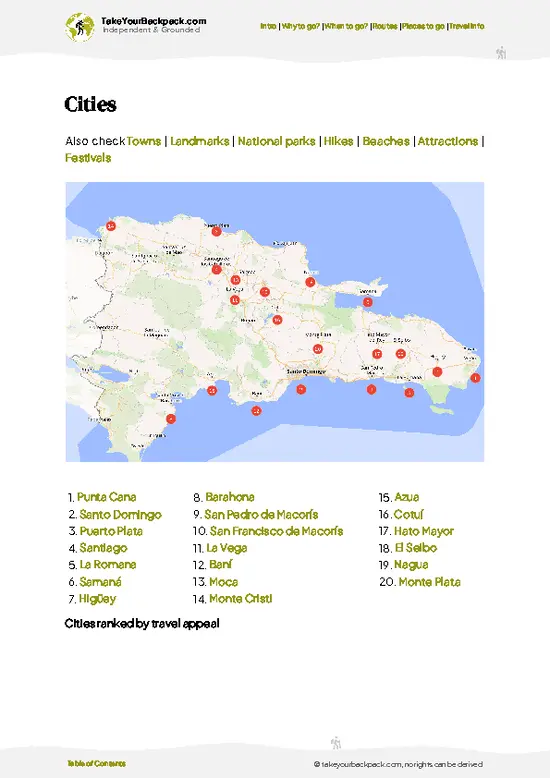
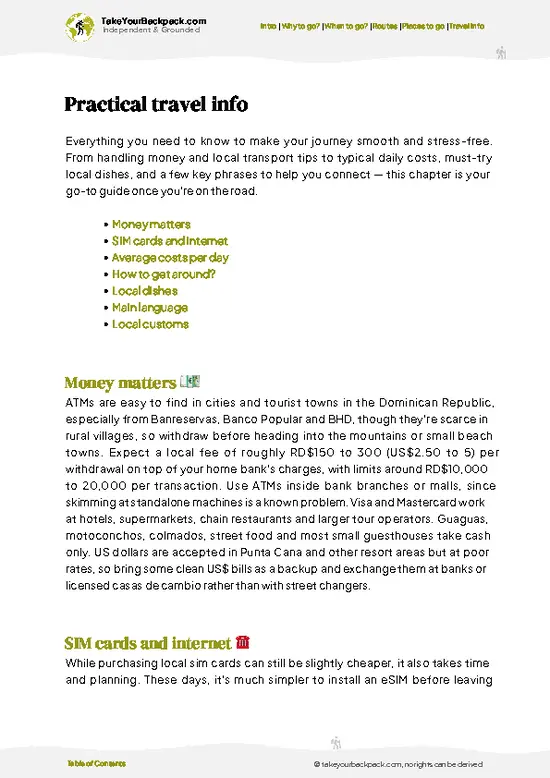
example page 0 from our offline Travel Guide for Dominican Republic
example page 1 from our offline Travel Guide for Dominican Republic
example page 2 from our offline Travel Guide for Dominican Republic
example page 3 from our offline Travel Guide for Dominican Republic
example page 4 from our offline Travel Guide for Dominican Republic
example page 5 from our offline Travel Guide for Dominican Republic
example page 6 from our offline Travel Guide for Dominican Republic
example page 7 from our offline Travel Guide for Dominican Republic
The digital guide (431 pages) contains:
119 highlights, ranked by travel appeal
Optimized 5, 10 & 15-day travel routes
Cities, national parks, landmarks, beaches
How to get around
Offline-friendly for travel without Wi-Fi
👉 Click to see all 30+ guide features

📅 Plan smarter in minutes, not weeks
Month by month travel advice
Festivals & national holidays
Budget expectations

🗺️ Go to the right places, skip the overrated ones
Honest pros & cons of destinations
Top hikes, parks & viewpoints
Lesser-known places most travelers miss
Clear “worth it vs skip it” guidance

🛏️ Travel smoothly without rookie mistakes
Best areas to stay
Transport systems explained simply
Common scams & safety advice
SIM cards, money & practical tips

🌍 Understand the country, not just visit it
Culture & traditions
52 Essential phrases & customs
Festivals worth planning around
Traveler-friendly historical context
Insights that make places more meaningful

📱 Built for real travel conditions
Fully downloadable PDF
Works completely offline
Optimized for phone use
Useful in remote areas & buses
Everything in one place
Save weeks of stressful planning
Get instant access to your full guide. 30‑day money-back guarantee.


By proceeding you agree to our terms.
Sent to your inbox immediately after payment • 100% Secure Checkout
Best Backpacking Travel Advisor 2025 tourism awardBest Backpacking
Travel Advisor
2025
What others say about Take Your Backpack Guides:
⭐⭐⭐⭐⭐
Fantastic, amazing amount of information!
⭐⭐⭐⭐⭐
My goodness this is amazing, it's what I've been looking for hats off too you!
⭐⭐⭐⭐⭐
I think this is absolutely BRILLIANT
⭐⭐⭐⭐
Very complete and informative. It's still missing places, but I gotta to commend you
⭐⭐⭐⭐⭐
This is truly amazing, thank you, can't wait to explore it with my kids!
⭐⭐⭐⭐⭐
Awesome resource, thank you!
⭐⭐⭐⭐⭐
This is amazing! Can't wait to explore the ones I haven't seen
⭐⭐⭐⭐
I love this! Well done, great idea.
⭐⭐⭐⭐⭐
Thanks for taking the time to make this gem!
⭐⭐⭐⭐⭐
This might be the best website I've ever seen.
⭐⭐⭐⭐⭐
Congratulations, and thank you so much for your work; it's incredibly valuable.
⭐⭐⭐⭐
In all seriousness I think you did a great job pointing out the important spots
⭐⭐⭐⭐⭐
10/10 very good
⭐⭐⭐⭐⭐
As someone who's only just starting to visit regularly this is awesome, thank you.
⭐⭐⭐⭐
Thank you very much! I'm going to visit my dad, it's going to be very useful!
⭐⭐⭐⭐⭐
This is really cool! We'll be travelling for the first time and this definitely come in handy.
⭐⭐⭐⭐⭐
You are now our minister of culture, congratulations 👨‍💼
⭐⭐⭐⭐⭐
Just wanted to tell you that this is a pearl! Going to follow your recommendations.
⭐⭐⭐⭐⭐
This is so cool. I'll definitely be using the resource for my travels soon.
⭐⭐⭐⭐⭐
This is very impressive! Good work.
⭐⭐⭐⭐⭐
This is an amazing and informative site. Very well done!

🛏️ Where to stay?Best areas and accommodation options

Zona Colonial in Santo Domingo is often sold as this flawless colonial postcard—perfect cobblestones, charming plazas, and museums packed with centuries of history. The truth? It’s a magnet for tourists, especially during peak hours, and the crowds can feel like a slow-moving river of selfie sticks. Prices around the main squares reflect that tourist trap vibe, too. But here’s the kicker: if you dig a little deeper, the area pulses with real life beyond the polished facades.

For backpackers, the sweet spot is the neighborhoods hugging the edges of Zona Colonial rather than the heart of it. These … read more 👉
Zona Colonial in Santo Domingo is often sold as this flawless colonial postcard—perfect cobblestones, charming plazas, and museums packed with centuries of history. The truth? It’s a magnet for tourists, especially during peak hours, and the crowds can feel like a slow-moving river of selfie sticks. Prices around the main squares reflect that tourist trap vibe, too. But here’s the kicker: if you dig a little deeper, the area pulses with real life beyond the polished facades.

For backpackers, the sweet spot is the neighborhoods hugging the edges of Zona Colonial rather than the heart of it. These spots offer a safer, more authentic vibe without sacrificing proximity. You’ll find narrow streets where locals live, hang out, and share stories over cheap drinks. It’s where you can actually meet other travelers and locals without the constant buzz of tour groups. Plus, these areas tend to have budget-friendly guesthouses and hostels that attract solo backpackers looking for community and a genuine slice of city life.

Safety here is solid compared to other parts of Santo Domingo, especially after dark, but keep your wits about you—petty theft can happen anywhere. The real magic is in the balance: close enough to stroll into the museums and plazas when you want, but far enough to escape the tourist bubble and soak in the Dominican rhythm that doesn’t make it into the glossy travel brochures.

👛 Costs (as of 27 June 2025)Money, prices, and spending tips

Visiting Zona Colonial involves minimal entrance fees for the district itself, which is free to explore. Museum tickets typically range from USD3 to USD10 each, with popular sites like the Alcázar de Colón and the Museo de las Casas Reales charging around USD5 to USD7. Guided tours or combined tickets for multiple museums can cost between USD20 and USD50. Additional expenses may include dining and souvenirs.
⚠️ Prices can change and everyone travels differently, so take this as a rough guide. Hope it helps you plan your adventure!

Other Dominican attractions near Zona Colonial (historic district and museums cluster

Explore more nearby:


💡 Not sure where to go next?
Create a personalized itinerary for Dominican Republic including Zona Colonial (historic district and museums cluster and the places that fit your trip.

Generate my itinerary

👉 Discover all attractions

Or checkout all Dominican Republic has to offer (think cities, towns, villages, national parks, hikes, beaches, festivals)
Country photo of Dominican Republic

We 💚 feedbackFinal thoughts on visiting Zona Colonial (historic district and museums cluster

Zona Colonial isn’t some flawless postcard—expect crowds, especially around the main plazas, and prices that can feel inflated for the Caribbean. But here’s the kicker: once you peel away the tourist buzz, you find narrow cobblestone streets where history seeps from every cracked wall and unexpected corners reveal quiet cafes with locals who actually want to chat. Skip the big museums and instead linger in the smaller galleries or grab a seat at a street-side bar as the sun dips. That’s where the real Zona magic sneaks up on you.

✍️ Help improve this page!
The information on this page is based on in-depth research, insights shared by experienced travelers, and feedback from the local travel community in Dominican Republic. While every effort is made to keep the information accurate and current, conditions can change — so if you spot anything incorrect or outdated, please get in touch.


🙋‍♂️ Give feedback

👋 Meet the founderWho’s Behind Take Your Backpack?

Johan, backpacker and founder of TakeYourBackpackHi, I’m Johan (Netherlands 🇳🇱), the creator of TakeYourBackpack. Over the past decade, I’ve backpacked through 80+ countries across six continents, gaining extensive experience with independent travel, long-term trips, and overland routes.

This site is built on a combination of firsthand travel experience and carefully curated insights from other backpackers. Many guides are based on places I’ve personally visited, while others bring together tips, observations, and practical advice shared by trusted travelers I’ve met along the way.

The goal is to provide realistic, experience-driven guidance — not generic itineraries — so you can explore destinations with better context, clearer expectations, and more confidence.

Get full country guide •
Instant download • 119 highlights • Full Offline guide