



×

Ecuador🇪🇨 | national parksCuyabeno Wildlife Reserveflooded rainforest, blackwater lagoons, river dolphins | things to do and best time to go

Explore CotopaxiExplore Galapagos

Backpacking in Cuyabeno Wildlife Reserve
🏆 Top picknational park ranked #3
By Johan Kruseman 🇳🇱 | Updated May 23, 2026

Most people arrive in Cuyabeno expecting long jungle hikes; the reality is that this reserve is mostly water-based, and you’ll spend far more time in a canoe than on a trail. Cuyabeno Wildlife Reserve sits in Ecuador’s far northeast, in the Amazon basin near the Colombian border, reached via the oil town of Lago Agrio and then by river. For backpackers, it’s wild, relatively affordable, and logistically simple once you’ve booked a lodge package, but you sacrifice independence: hiking is limited, you move in guided groups, and you’re on the lodge’s schedule. The payoff is dense wildlife—monkeys, pink river dolphins, caimans, birdlife—plus moody flooded-forest scenery. Compared with Yasuni, Cuyabeno is cheaper, more backpacker-oriented, and easier to access, but also more crowded around the lagoon and less pristine. You won’t really camp; you’ll stay in basic jungle lodges that feel rustic, social, and slightly regimented.

Discover everything you want to know in the 📖 Ecuador Travel Guide.


Get your Ecuador guide
94 ranked highlights, routes & tips, works offline (362 pages)
Loading the map 🌍
CLICK TO FILTER
cities
towns
landmarks
national parks
hikes
beaches
attractions
festivals
regions
SHOW COUNTRY’S BESTSHOW ALL

✨ Why go?
Ranked #3 national park in Ecuador
Reasons people choose to explore here

Cuyabeno Wildlife Reserve in Ecuador is a backpacker’s paradise for several reasons. First, it offers independent exploration opportunities that let you roam at your own pace. You can choose to camp or stay in budget-friendly hostels nearby, which keeps costs down while providing a base for your adventures.

The trail variety is impressive, catering to different skill levels and interests. Whether you’re keen on birdwatching or simply soaking in the lush surroundings, there’s something for everyone.

While many opt for guided tours, the park is also suitable for self-guided travelers. Just keep in mind that navigating the trails requires a bit of preparation. Bring a good map and be ready for the unexpected—wildlife encounters can happen at any moment.

By planning wisely, you’ll preserve … read more 👉
Cuyabeno Wildlife Reserve in Ecuador is a backpacker’s paradise for several reasons. First, it offers independent exploration opportunities that let you roam at your own pace. You can choose to camp or stay in budget-friendly hostels nearby, which keeps costs down while providing a base for your adventures.

The trail variety is impressive, catering to different skill levels and interests. Whether you’re keen on birdwatching or simply soaking in the lush surroundings, there’s something for everyone.

While many opt for guided tours, the park is also suitable for self-guided travelers. Just keep in mind that navigating the trails requires a bit of preparation. Bring a good map and be ready for the unexpected—wildlife encounters can happen at any moment.

By planning wisely, you’ll preserve your energy and budget for the moments that truly matter, making your experience in Cuyabeno both enriching and memorable.
Want to include Cuyabeno Wildlife Reserve in your Ecuador route?
Create a personalized Ecuador itinerary that includes Cuyabeno Wildlife Reserve and the places that fit your trip — based on your travel style, budget, and available time. Get your route in seconds.

Generate my trip

💡 HighlightsMust-see experiences and standout moments

  • Laguna Grande — A huge oxbow lake with glassy water at sunrise and dramatic sunsets, ideal for quiet canoeing and spotting pink river dolphins slicing through reflections. Personal favorite: drifting here in a canoe as the sky goes purple is the kind of Amazon moment that sticks with you.
  • Cuyabeno River and the maze of waterways — The park is basically water first: long river stretches and narrow channels that bring you right up to riverbanks where monkeys, toucans and caimans hang out. Boat travel is the main way to explore, and that makes every shore turn feel like a new scene.
  • Oxbow lagoons & flooded rainforest (igapó) — Seasonal flooding creates a weird, lovely world where trees stand in water and life has adapted to swim, climb or float. These lagoons concentrate wildlife, so you’ll
read more 👉
  • Laguna Grande — A huge oxbow lake with glassy water at sunrise and dramatic sunsets, ideal for quiet canoeing and spotting pink river dolphins slicing through reflections. Personal favorite: drifting here in a canoe as the sky goes purple is the kind of Amazon moment that sticks with you.
  • Cuyabeno River and the maze of waterways — The park is basically water first: long river stretches and narrow channels that bring you right up to riverbanks where monkeys, toucans and caimans hang out. Boat travel is the main way to explore, and that makes every shore turn feel like a new scene.
  • Oxbow lagoons & flooded rainforest (igapó) — Seasonal flooding creates a weird, lovely world where trees stand in water and life has adapted to swim, climb or float. These lagoons concentrate wildlife, so you’ll see hoatzins, herons, and sloths in surprisingly close quarters.
  • Night caiman and frog excursions — Nighttime trips with a torch reveal glowing frog eyes, screaming insects, and the eerie eyeshine of caimans. It’s a whole different ecosystem after dark — louder, stranger, and unforgettable.
  • Pink river dolphins — These freshwater dolphins are charismatic and often curious around canoes at dawn. They’re one of the most iconic Amazon encounters and a real highlight if you’re patient and quiet.
  • Observation towers & canopy views — Several lodges have towers or canopy platforms that put you above the undergrowth for explosive bird activity and a better chance at spotting monkeys and raptors. The view gives you a real sense of the forest’s vertical life layers.
  • Short terra firme trails and big trees — When the ground isn’t flooded you can hike short trails through non-flooded forest to find massive ceiba trees, leafcutter ants, and skulking mammals that don’t show on the waterways. It adds variety to the canoe-focused days.
  • Indigenous community visits (Siona & Secoya) — Cultural visits let you see traditional uses of plants, try local food, and learn about stewardship of the land. It’s respectful, low-key interaction that gives context to why the reserve exists and who lives here.
Spotted a mistake or missing something? Contact us.

Things to do near Cuyabeno Wildlife Reserve

Ratings based on Tripadvisor reviews. When you book through this link, you support our work at no extra cost to you.

🌤️ When to go?Seasonal considerations and timing


  • Weather: The dry season from June to November offers fewer mosquitoes and less rain, making trails and river routes more accessible. The wet season (December to May) brings heavy rains that can flood paths and limit wildlife spotting, but it also means lush greenery and active fauna.

  • Temperature: Expect daytime highs around 28-32°C (82-90°F) year-round, with nights cooling to 20-24°C (68-75°F). Humidity stays high, so pack moisture-wicking gear regardless of season.

  • Daylight Hours: Near the equator, daylight is steady year-round—about 12 hours daily. Plan activities early to avoid afternoon rains common in the wet season.

  • Crowds: The dry season attracts more visitors, especially July and August, which can mean pricier tours and busier lodges. The wet season sees fewer tourists, offering
read more 👉

  • Weather: The dry season from June to November offers fewer mosquitoes and less rain, making trails and river routes more accessible. The wet season (December to May) brings heavy rains that can flood paths and limit wildlife spotting, but it also means lush greenery and active fauna.

  • Temperature: Expect daytime highs around 28-32°C (82-90°F) year-round, with nights cooling to 20-24°C (68-75°F). Humidity stays high, so pack moisture-wicking gear regardless of season.

  • Daylight Hours: Near the equator, daylight is steady year-round—about 12 hours daily. Plan activities early to avoid afternoon rains common in the wet season.

  • Crowds: The dry season attracts more visitors, especially July and August, which can mean pricier tours and busier lodges. The wet season sees fewer tourists, offering a quieter, more intimate experience.

  • Seasonal Activities: Dry months favor hiking and canoeing without interruptions. Wet months bring spectacular bird migrations and amphibian activity but require waterproof gear and flexible plans.

  • Price Fluctuations: Expect higher prices during the dry season’s peak months due to demand. Booking in the shoulder months (June or November) can balance cost and conditions.


Pro-tip: Aim for late June or early November to dodge crowds and rain, keeping your energy for wildlife watching instead of battling mud or mosquitoes.


source: climatestotravel.comJANJanuary: fair for travelingFEBFebruary: fair for travelingMARMarch: fair for travelingAPRApril: fair for travelingMAYMay: good for travelingJUNJune: highly recommended for travelingJULJuly: highly recommended for travelingAUGAugust: highly recommended for travelingSEPSeptember: highly recommended for travelingOCTOctober: highly recommended for travelingNOVNovember: highly recommended for travelingDECDecember: fair for traveling
ecuador-national-park-cuyabeno-wildlife-reserve
© Google | Yoram Kaiser

✈️ The backpacker research shortcutEcuador Travel Guide

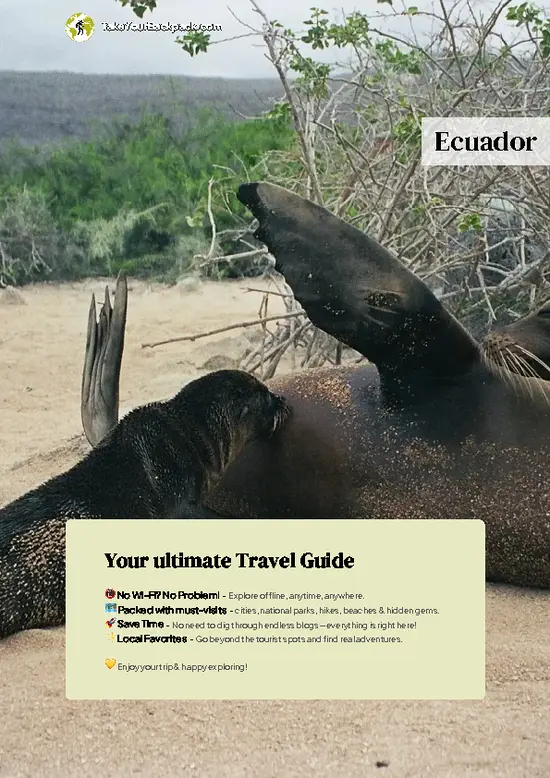
An offline-friendly backpacking guide with optimized travel routes, ranked highlights, transport advice, and the best areas to stay.
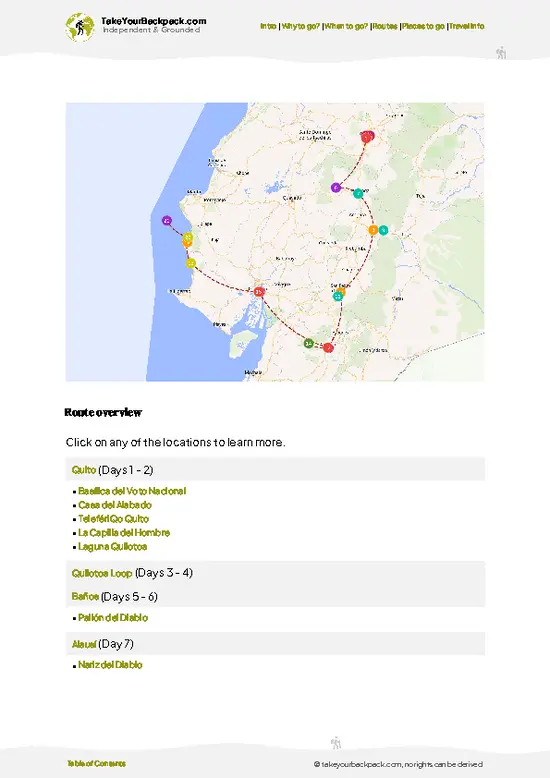
example page 0 from our offline Travel Guide for Ecuador
example page 1 from our offline Travel Guide for Ecuador
example page 2 from our offline Travel Guide for Ecuador
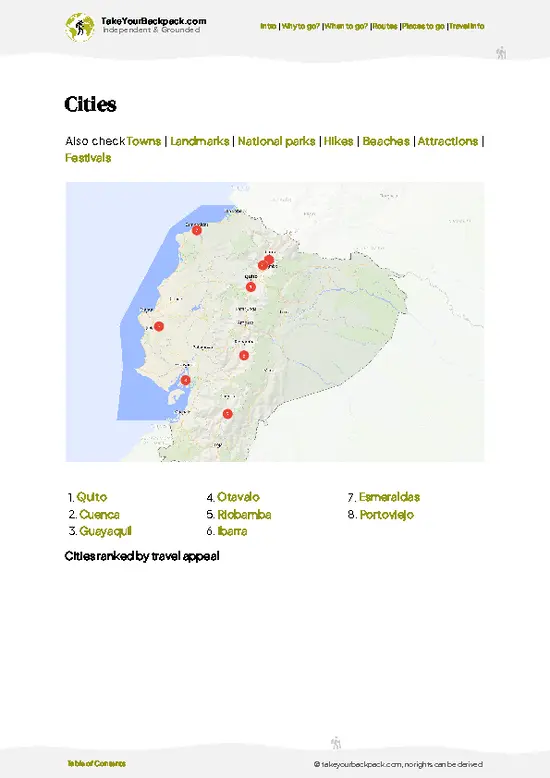
example page 3 from our offline Travel Guide for Ecuador
example page 4 from our offline Travel Guide for Ecuador
example page 5 from our offline Travel Guide for Ecuador
example page 6 from our offline Travel Guide for Ecuador
example page 7 from our offline Travel Guide for Ecuador
The digital guide (362 pages) contains:
94 highlights, ranked by travel appeal
Optimized 5, 10 & 15-day travel routes
Cities, national parks, landmarks, beaches
How to get around
Offline-friendly for travel without Wi-Fi
👉 Click to see all 30+ guide features

📅 Plan smarter in minutes, not weeks
Month by month travel advice
Festivals & national holidays
Budget expectations

🗺️ Go to the right places, skip the overrated ones
Honest pros & cons of destinations
Top hikes, parks & viewpoints
Lesser-known places most travelers miss
Clear “worth it vs skip it” guidance

🛏️ Travel smoothly without rookie mistakes
Best areas to stay
Transport systems explained simply
Common scams & safety advice
SIM cards, money & practical tips

🌍 Understand the country, not just visit it
Culture & traditions
52 Essential phrases & customs
Festivals worth planning around
Traveler-friendly historical context
Insights that make places more meaningful

📱 Built for real travel conditions
Fully downloadable PDF
Works completely offline
Optimized for phone use
Useful in remote areas & buses
Everything in one place
Save weeks of stressful planning
Get instant access to your full guide. 30‑day money-back guarantee.


By proceeding you agree to our terms.
Sent to your inbox immediately after payment • 100% Secure Checkout
Best Backpacking Travel Advisor 2025 tourism awardBest Backpacking
Travel Advisor
2025
What others say about Take Your Backpack Guides:
⭐⭐⭐⭐⭐
Fantastic, amazing amount of information!
⭐⭐⭐⭐⭐
My goodness this is amazing, it's what I've been looking for hats off too you!
⭐⭐⭐⭐⭐
I think this is absolutely BRILLIANT
⭐⭐⭐⭐
Very complete and informative. It's still missing places, but I gotta to commend you
⭐⭐⭐⭐⭐
This is truly amazing, thank you, can't wait to explore it with my kids!
⭐⭐⭐⭐⭐
Awesome resource, thank you!
⭐⭐⭐⭐⭐
This is amazing! Can't wait to explore the ones I haven't seen
⭐⭐⭐⭐
I love this! Well done, great idea.
⭐⭐⭐⭐⭐
Thanks for taking the time to make this gem!
⭐⭐⭐⭐⭐
This might be the best website I've ever seen.
⭐⭐⭐⭐⭐
Congratulations, and thank you so much for your work; it's incredibly valuable.
⭐⭐⭐⭐
In all seriousness I think you did a great job pointing out the important spots
⭐⭐⭐⭐⭐
10/10 very good
⭐⭐⭐⭐⭐
As someone who's only just starting to visit regularly this is awesome, thank you.
⭐⭐⭐⭐
Thank you very much! I'm going to visit my dad, it's going to be very useful!
⭐⭐⭐⭐⭐
This is really cool! We'll be travelling for the first time and this definitely come in handy.
⭐⭐⭐⭐⭐
You are now our minister of culture, congratulations 👨‍💼
⭐⭐⭐⭐⭐
Just wanted to tell you that this is a pearl! Going to follow your recommendations.
⭐⭐⭐⭐⭐
This is so cool. I'll definitely be using the resource for my travels soon.
⭐⭐⭐⭐⭐
This is very impressive! Good work.
⭐⭐⭐⭐⭐
This is an amazing and informative site. Very well done!

🛏️ Where to stay?Best areas to stay in Ecuador

Cuyabeno Wildlife Reserve is a treasure trove of biodiversity, but where you lay your head can make or break your experience. Inside the park, options are limited but authentic. Lodges like Cuyabeno Lodge and Jamu Lodge offer basic amenities and guided tours, immersing you in the jungle’s heartbeat. Expect to pay a premium for these stays, but the convenience of being in the thick of it can be worth it.

If you prefer a bit more infrastructure, head to El Cuyabeno, a small town just outside the reserve. Here, you’ll find budget-friendly hostels like Hostal Cuyabeno and La Casa de la Selva. These … read more 👉
Cuyabeno Wildlife Reserve is a treasure trove of biodiversity, but where you lay your head can make or break your experience. Inside the park, options are limited but authentic. Lodges like Cuyabeno Lodge and Jamu Lodge offer basic amenities and guided tours, immersing you in the jungle’s heartbeat. Expect to pay a premium for these stays, but the convenience of being in the thick of it can be worth it.

If you prefer a bit more infrastructure, head to El Cuyabeno, a small town just outside the reserve. Here, you’ll find budget-friendly hostels like Hostal Cuyabeno and La Casa de la Selva. These spots provide a good balance of comfort and access to the park, plus you can save some cash for excursions.

Be wary of hidden costs. Many lodges charge extra for activities, meals, and even transportation. Always clarify what’s included in your booking. This way, you can focus your energy and budget on the wildlife encounters that truly matter.

👛 Costs (as of 14 December 2025)What things cost and how to budget

Visiting Cuyabeno Wildlife Reserve in Ecuador can be a rewarding experience, but it’s essential to be aware of the costs involved to avoid surprises.

Entry fees to the reserve typically range from $10 to $20 per person. This fee grants you access to the park, but it’s just the beginning. Most visitors opt for guided tours, which can significantly enhance your experience. Expect to pay between $150 and $300 for a multi-day tour, depending on the level of comfort and inclusivity. This usually covers meals, accommodation, and guided activities.

Accommodation options vary widely. Budget hostels can start around $15 per night, while mid-range lodges may cost between $50 and $150. Luxury lodges can exceed $300 per night, offering more amenities and personalized services.

Transportation to the … read more 👉
Visiting Cuyabeno Wildlife Reserve in Ecuador can be a rewarding experience, but it’s essential to be aware of the costs involved to avoid surprises.

Entry fees to the reserve typically range from $10 to $20 per person. This fee grants you access to the park, but it’s just the beginning. Most visitors opt for guided tours, which can significantly enhance your experience. Expect to pay between $150 and $300 for a multi-day tour, depending on the level of comfort and inclusivity. This usually covers meals, accommodation, and guided activities.

Accommodation options vary widely. Budget hostels can start around $15 per night, while mid-range lodges may cost between $50 and $150. Luxury lodges can exceed $300 per night, offering more amenities and personalized services.

Transportation to the reserve is another factor. If you’re traveling from Quito, a bus ticket to Lago Agrio costs about $10 to $15. From there, a canoe ride to the reserve can add another $20 to $30 to your budget.

Keep in mind that additional costs may arise. Tips for guides and staff are customary and can add up. Also, consider the cost of any extra activities, like night walks or cultural visits, which can range from $10 to $50 each.

Being aware of these costs helps you plan effectively. It allows you to allocate your budget wisely for the experiences that truly matter.


source: ecuador.travel
⚠️ Prices can change and everyone travels differently, so take this as a rough guide. Hope it helps you plan your adventure!

🥾 TrailsDiscover Cuyabeno Wildlife Reserve's top trails and natural wonders

Cuyabeno Wildlife Reserve is a gem tucked away in Ecuador, offering a unique blend of lush rainforest and diverse wildlife. While it’s not known for extensive hiking trails like some other national parks, the reserve is perfect for exploring on foot with guided tours that take you deep into the heart of the Amazon. The terrain varies from muddy paths to elevated boardwalks, so be prepared for some squishy moments. Wildlife enthusiasts will love the chance to spot everything from colorful birds to playful monkeys.

One of the more popular routes is the Cuyabeno Trail. Here are the details:
  • Length:
read more 👉
Cuyabeno Wildlife Reserve is a gem tucked away in Ecuador, offering a unique blend of lush rainforest and diverse wildlife. While it’s not known for extensive hiking trails like some other national parks, the reserve is perfect for exploring on foot with guided tours that take you deep into the heart of the Amazon. The terrain varies from muddy paths to elevated boardwalks, so be prepared for some squishy moments. Wildlife enthusiasts will love the chance to spot everything from colorful birds to playful monkeys.

One of the more popular routes is the Cuyabeno Trail. Here are the details:
  • Length: 4 km
  • Estimated Duration: 2-3 hours
  • Difficulty Level: Moderate
  • Key Features: Rich biodiversity, birdwatching opportunities, and chances to see river dolphins
  • Terrain: Mixed; includes muddy trails and some boardwalk sections

Getting to Cuyabeno can be a bit of an adventure. Most travelers take a bus from Quito to Lago Agrio, which can take around 6-8 hours. From there, you’ll hop on a canoe for about two hours to reach the reserve. It’s not exactly a quick jaunt, but the journey is part of the experience. The park can get busy, especially during peak season, so try to book your tours in advance. As for the entrance fee, it’s relatively affordable, but it’s wise to check the latest rates as they can change. Just remember to pack your patience and a sense of adventure!
⚠️ Hiking info can sometimes be outdated or inaccurate. Before you hit the trail, check the latest conditions with locals. If you do spot anything that's off, I'd love to hear from you, so I can update it for fellow travelers.

🛡️ SafetyScams, Hazards, and Annoyances

Cuyabeno Wildlife Reserve offers a rich experience, but it’s essential to stay grounded about what to expect. The weather can shift quickly; afternoon rain is common, so pack a reliable waterproof jacket. The terrain varies, with muddy paths and occasional river crossings. Good footwear is crucial—opt for sturdy, waterproof hiking boots to maintain grip and comfort.

Wildlife encounters are part of the charm, but keep your distance. Respect the animals; don’t feed them or provoke them. This isn’t just about safety; it’s about preserving the ecosystem.

First-timers often underestimate the humidity and heat. Hydrate regularly and pace yourself. The trails are generally well-marked, but a map or guide can help you navigate confidently. Prepare wisely, and you’ll have the energy to soak in the beauty around you.

Other Ecuadorian national parks near Cuyabeno Wildlife Reserve

Explore more nearby:


💡 Not sure where to go next?
Create a personalized itinerary for Ecuador including Cuyabeno Wildlife Reserve and the places that fit your trip.

Generate my itinerary

👉 Discover all national parks

Or checkout all Ecuador has to offer (think cities, towns, villages, national parks, hikes, beaches, festivals)
Country photo of Ecuador

We 💚 feedbackSumming up the experience

Cuyabeno Wildlife Reserve is a paradise for wildlife lovers. The chance to see pink river dolphins and howler monkeys in their natural habitat is simply unmatched. But be prepared: the humidity can be intense, and the mosquitoes are relentless. Pack smart with good repellent and lightweight clothing. Embrace the sweat; it’s part of the experience. Focus on the wildlife, and you’ll find the discomfort fades into the background.

✈️ When did I visit Ecuador?
Ecuador I visited during my half year trip through South and Central America back in 2003

✍️ Help improve this page!
The information on this page is based on my own backpacking experience in Ecuador, supplemented with up-to-date research and feedback from other travelers. Travel details can change, so if you notice anything outdated or incomplete, feel free to let me know.


🙋‍♂️ Give feedback

👋 Meet the founderWho’s Behind Take Your Backpack?

Johan, backpacker and founder of TakeYourBackpackHi, I’m Johan (Netherlands 🇳🇱), the creator of TakeYourBackpack. Over the past decade, I’ve backpacked through 80+ countries across six continents, gaining extensive experience with independent travel, long-term trips, and overland routes.

This site is built on a combination of firsthand travel experience and carefully curated insights from other backpackers. Many guides are based on places I’ve personally visited, while others bring together tips, observations, and practical advice shared by trusted travelers I’ve met along the way.

The goal is to provide realistic, experience-driven guidance — not generic itineraries — so you can explore destinations with better context, clearer expectations, and more confidence.

Get full Ecuador guide •
Instant download • 94 highlights • Full Offline guide