×

Ecuador🇪🇨 | festivalsFiesta de la ChontaPalm-fruit harvest, river baths, chicha de chonta, Shuar drumming | things to do and best time to go

Explore Fiesta de San JuanExplore Fiesta de la Cosecha

Backpacking in Fiesta de la Chonta
👌 Worth visitingfestival ranked #11
By Johan Kruseman 🇳🇱 | Updated October 19, 2026

Chonta palm fruit gets boiled in big pots over open fires, then mashed and fermented into chicha de chonta, and you can smell the cooking before you see the gathering. Fiesta de la Chonta is the Shuar harvest festival, held in Shuar communities in southern Ecuador, around the Yacuambi area of Zamora Chinchipe, usually over about three days in April or May. Expect muddy paths, river baths at dawn, drumming and games. A host once handed me a gourd and said, “Drink slowly, it’s a gift, not a race.” I did, and got invited to the dance circle. Unlike the big, polished Amazon tourist events, this one stays small and community-run.

Discover everything you want to know in the 📖 Ecuador Travel Guide.


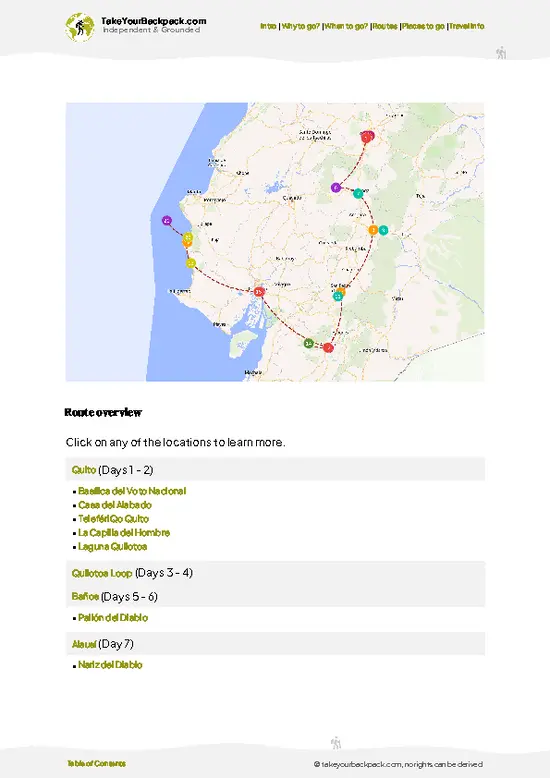
example page 0 from our offline Travel Guide for Ecuador
example page 1 from our offline Travel Guide for Ecuador
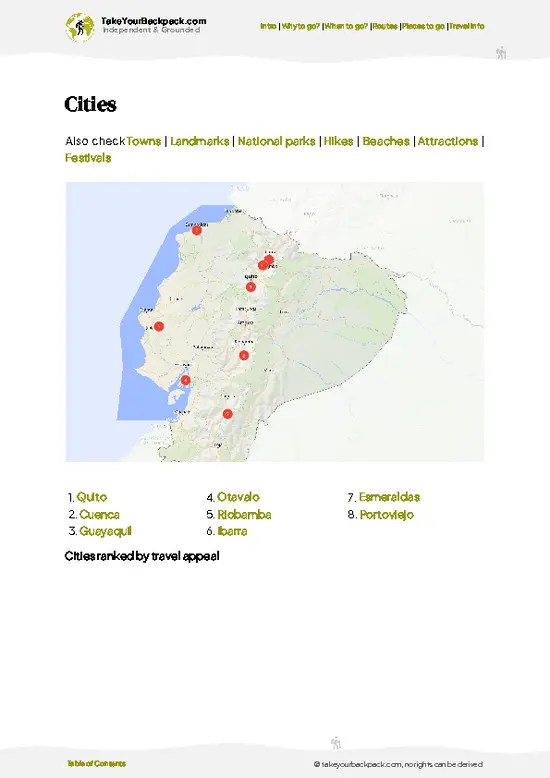
example page 2 from our offline Travel Guide for Ecuador
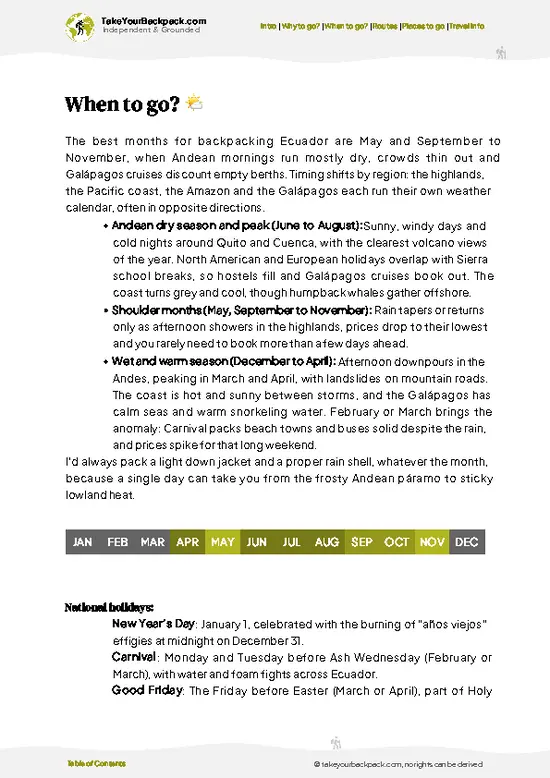
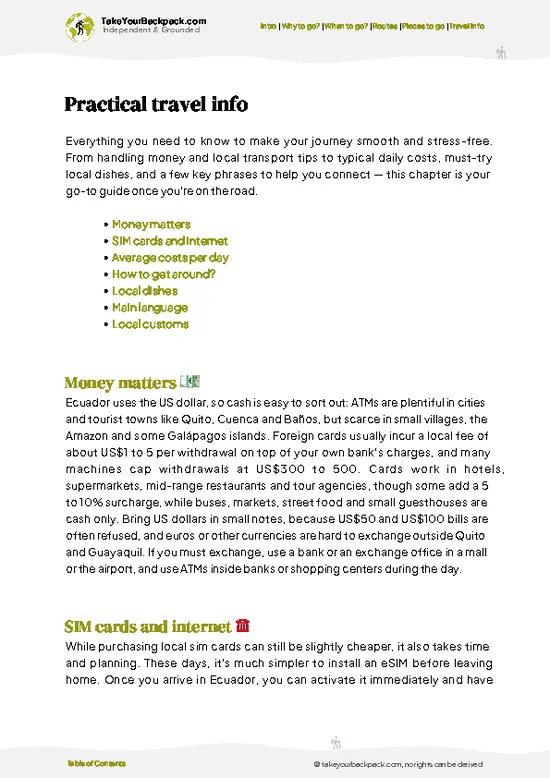
example page 3 from our offline Travel Guide for Ecuador
example page 4 from our offline Travel Guide for Ecuador
example page 5 from our offline Travel Guide for Ecuador
example page 6 from our offline Travel Guide for Ecuador
example page 7 from our offline Travel Guide for Ecuador
Loading the map 🌍
CLICK TO FILTER
cities
towns
landmarks
national parks
hikes
beaches
attractions
festivals
SHOW COUNTRY’S BESTSHOW ALL

✨ Why go?
Ranked #11 festival in Ecuador
Why Fiesta de la Chonta should be on your travel list

Fiesta de la Chonta pulls backpackers off the main Andean circuit because it is a Shuar harvest festival still run by the community that owns it, not a show staged for tour groups. Held around April to May at places like the Shuar center El Kiim in Yacuambi, it runs about three days, and you spend them sharing space with families who have come to celebrate the ripening of the chonta palm fruit. Ceremonial baths, dances and traditional games happen at close range, and a gourd of chicha de chonta is passed around as a matter of course. That closeness is the draw. You are a guest at a gathering, so you listen, ask politely and join in when invited. The southern Ecuadorian highlands and the Amazon foothills also sit within reach, which makes the festival a natural anchor for a longer loop through … read more 👉
Fiesta de la Chonta pulls backpackers off the main Andean circuit because it is a Shuar harvest festival still run by the community that owns it, not a show staged for tour groups. Held around April to May at places like the Shuar center El Kiim in Yacuambi, it runs about three days, and you spend them sharing space with families who have come to celebrate the ripening of the chonta palm fruit. Ceremonial baths, dances and traditional games happen at close range, and a gourd of chicha de chonta is passed around as a matter of course. That closeness is the draw. You are a guest at a gathering, so you listen, ask politely and join in when invited. The southern Ecuadorian highlands and the Amazon foothills also sit within reach, which makes the festival a natural anchor for a longer loop through Zamora Chinchipe, with far fewer crowds than the big festivals elsewhere.

💡 HighlightsThe experiences that define the visit

  1. Ceremonial baths: Participants bathe in a river or stream as part of the harvest rites, a ritual cleansing that opens the festival and shows its spiritual side before any party starts.
  2. Chicha de chonta: The fermented drink made from the palm fruit is shared from hand to hand. Accepting a bowl is a courtesy, and watching it being prepared explains the harvest's importance.
  3. Shuar dances: Circles of dancers move to drums and song, often in traditional dress with feather crowns and seed necklaces. Visitors are sometimes invited in, so watch first and join when asked.
  4. Traditional games: Contests of skill and strength, such as those with spears and blowguns, bring out cheering crowds and show everyday Shuar hunting skills in a playful setting.
  5. Chonta fruit tasting: Boiled chonta fruit is dense, starchy
… read more 👉
  1. Ceremonial baths: Participants bathe in a river or stream as part of the harvest rites, a ritual cleansing that opens the festival and shows its spiritual side before any party starts.
  2. Chicha de chonta: The fermented drink made from the palm fruit is shared from hand to hand. Accepting a bowl is a courtesy, and watching it being prepared explains the harvest's importance.
  3. Shuar dances: Circles of dancers move to drums and song, often in traditional dress with feather crowns and seed necklaces. Visitors are sometimes invited in, so watch first and join when asked.
  4. Traditional games: Contests of skill and strength, such as those with spears and blowguns, bring out cheering crowds and show everyday Shuar hunting skills in a playful setting.
  5. Chonta fruit tasting: Boiled chonta fruit is dense, starchy and nutty, like a cross between chestnut and sweet potato. Eating it fresh with locals is the simplest way to connect with the harvest.
Pair the ceremonial baths with the dances in one day, since the early cleansing leads straight into the festival's main gathering.
Spotted a mistake or missing something? Contact us.

🌤️ When to go?When is the celebration of Fiesta de la Chonta?

Fiesta de la Chonta runs for about three days, usually between April and May, when the chonta palm fruit ripens, and the dates follow the harvest rather than a fixed calendar, with the best-known gathering at the Shuar center El Kiim in Yacuambi, Zamora Chinchipe.
  • Best day: Go for the first day if you want the ceremonial baths and blessings, and the middle day for dances, traditional games and the heaviest chicha pouring.
  • Weather: Expect 16 to 24°C (61 to 75°F) in the mountain valleys, with frequent showers and muddy paths. Bring a rain jacket, waterproof boots and a warm layer for evenings.
  • Booking: Reserve a bed in Yacuambi or Zamora at least two to three weeks ahead. Prices rise only modestly, about 10 to 20 percent.
  • Crowds and roads: Mountain roads are slow and landslides are possible after
… read more 👉
Fiesta de la Chonta runs for about three days, usually between April and May, when the chonta palm fruit ripens, and the dates follow the harvest rather than a fixed calendar, with the best-known gathering at the Shuar center El Kiim in Yacuambi, Zamora Chinchipe.
  • Best day: Go for the first day if you want the ceremonial baths and blessings, and the middle day for dances, traditional games and the heaviest chicha pouring.
  • Weather: Expect 16 to 24°C (61 to 75°F) in the mountain valleys, with frequent showers and muddy paths. Bring a rain jacket, waterproof boots and a warm layer for evenings.
  • Booking: Reserve a bed in Yacuambi or Zamora at least two to three weeks ahead. Prices rise only modestly, about 10 to 20 percent.
  • Crowds and roads: Mountain roads are slow and landslides are possible after rain, so travel in daylight and arrive the morning before.
Confirm the exact dates with the community or the Yacuambi municipality a week before you set out.


source: climatestotravel.comJANJanuary: not recommended for travelingFEBFebruary: not recommended for travelingMARMarch: not recommended for travelingAPRApril: not recommended for travelingMAYMay: not recommended for travelingJUNJune: excellent for travelingJULJuly: not recommended for travelingAUGAugust: not recommended for travelingSEPSeptember: not recommended for travelingOCTOctober: not recommended for travelingNOVNovember: not recommended for travelingDECDecember: not recommended for traveling

✈️ The backpacker research shortcutEcuador Travel Guide

An offline-friendly backpacking guide with optimized travel routes, ranked highlights, transport advice, and the best areas to stay.
example page 0 from our offline Travel Guide for Ecuador
example page 1 from our offline Travel Guide for Ecuador
example page 2 from our offline Travel Guide for Ecuador
example page 3 from our offline Travel Guide for Ecuador
example page 4 from our offline Travel Guide for Ecuador
example page 5 from our offline Travel Guide for Ecuador
example page 6 from our offline Travel Guide for Ecuador
example page 7 from our offline Travel Guide for Ecuador
The digital guide (274 pages) contains:
✅ 87 highlights, ranked by travel appeal
✅ Optimized 5, 10 & 15-day travel routes
✅ Cities, national parks, landmarks, beaches
✅ How to get around
✅ Offline-friendly for travel without Wi-Fi
👉 Click to see all 30+ guide features

📅 Plan smarter in minutes, not weeks
✅ Month by month travel advice
✅ Festivals & national holidays
✅ Budget expectations

🗺️ Go to the right places, skip the overrated ones
✅ Honest pros & cons of destinations
✅ Top hikes, parks & viewpoints
✅ Lesser-known places most travelers miss
✅ Clear “worth it vs skip it” guidance

🛏️ Travel smoothly without rookie mistakes
✅ Best areas to stay
✅ Transport systems explained simply
✅ Common scams & safety advice
✅ SIM cards, money & practical tips

🌍 Understand the country, not just visit it
✅ Culture & traditions
✅ 52 Essential phrases & customs
✅ Festivals worth planning around
✅ Traveler-friendly historical context
✅ Insights that make places more meaningful

📱 Built for real travel conditions
✅ Fully downloadable PDF
✅ Works completely offline
✅ Optimized for phone use
✅ Useful in remote areas & buses
✅ Everything in one place
Stop searching, start planning
Get instant access to your full guide. 30‑day money-back guarantee.
+ Add another guide for just

By proceeding you agree to our terms.
Sent to your inbox immediately after payment • 100% Secure Checkout
Best Backpacking Travel Advisor 2025 tourism awardBest Backpacking
Travel Advisor
2025
What others say about Take Your Backpack Guides:
⭐⭐⭐⭐⭐
Fantastic, amazing amount of information!
⭐⭐⭐⭐⭐
My goodness this is amazing, it's what I've been looking for hats off too you!
⭐⭐⭐⭐⭐
I think this is absolutely BRILLIANT
⭐⭐⭐⭐
Very complete and informative. It's still missing places, but I gotta to commend you
⭐⭐⭐⭐⭐
This is truly amazing, thank you, can't wait to explore it with my kids!
⭐⭐⭐⭐⭐
Awesome resource, thank you!
⭐⭐⭐⭐⭐
This is amazing! Can't wait to explore the ones I haven't seen
⭐⭐⭐⭐
I love this! Well done, great idea.
⭐⭐⭐⭐⭐
Thanks for taking the time to make this gem!
⭐⭐⭐⭐⭐
This might be the best website I've ever seen.
⭐⭐⭐⭐⭐
Congratulations, and thank you so much for your work; it's incredibly valuable.
⭐⭐⭐⭐
In all seriousness I think you did a great job pointing out the important spots
⭐⭐⭐⭐⭐
10/10 very good
⭐⭐⭐⭐⭐
As someone who's only just starting to visit regularly this is awesome, thank you.
⭐⭐⭐⭐
Thank you very much! I'm going to visit my dad, it's going to be very useful!
⭐⭐⭐⭐⭐
This is really cool! We'll be travelling for the first time and this definitely come in handy.
⭐⭐⭐⭐⭐
You are now our minister of culture, congratulations 👨‍💼
⭐⭐⭐⭐⭐
Just wanted to tell you that this is a pearl! Going to follow your recommendations.
⭐⭐⭐⭐⭐
This is so cool. I'll definitely be using the resource for my travels soon.
⭐⭐⭐⭐⭐
This is very impressive! Good work.
⭐⭐⭐⭐⭐
This is an amazing and informative site. Very well done!

🛏️ Where to stay?Best areas and accommodation options

The best choice is the town of Yacuambi itself, where simple guesthouses put you within reach of the Shuar center El Kiim and the festival grounds. Staying here means you can walk or take a short shared pickup ride, you eat where locals eat, and you meet other travelers and community members in the same few streets. It is small and quiet, so streets feel safe after dark, though power and mobile signal can drop out.

If Yacuambi fills up, Zamora city is the practical fallback. It has the widest range of budget hostels and basic rooms, more places to eat late, and regular buses toward the Yacuambi … read more 👉
The best choice is the town of Yacuambi itself, where simple guesthouses put you within reach of the Shuar center El Kiim and the festival grounds. Staying here means you can walk or take a short shared pickup ride, you eat where locals eat, and you meet other travelers and community members in the same few streets. It is small and quiet, so streets feel safe after dark, though power and mobile signal can drop out.

If Yacuambi fills up, Zamora city is the practical fallback. It has the widest range of budget hostels and basic rooms, more places to eat late, and regular buses toward the Yacuambi valley. Expect a ride of roughly 1.5 to 2.5 hours each way on winding roads, so leave early and plan your return before dusk.

Solo backpackers who want social company should choose Zamora for the evenings and use Yacuambi for the festival days. Some Shuar communities also offer homestays or basic cabins if you ask ahead, which gives the most direct contact with hosts.

👛 Costs (as of 19 October 2026)Typical daily expenses

A realistic budget for Fiesta de la Chonta is about US$38 to 55 a day, with a total of US$46 using high-season accommodation. Most of that goes to a bed and getting out to the valleys.
CategoryBudget RangeLocal Reality
Festival ticketsUS$0 to 5Community gatherings are often free or ask for a small donation or entry contribution.
AccommodationUS$12 to 20Basic guesthouse rooms in Yacuambi or Zamora cost about US$15 in high season, a bit more for private bathrooms.
Local transportUS$6 to 12Buses from Zamora and shared pickups to the grounds add up. Budget about US$8 a day.
Food & drinksUS$8 to 14Set lunches cost US$3 to 4, and festival plates and chicha are a few dollars each. Budget about US$10.
Miscellaneous expensesUS$3 to 8Handicrafts, tips for guides and a rain poncho. Budget about US$8.
Total
… read more 👉
A realistic budget for Fiesta de la Chonta is about US$38 to 55 a day, with a total of US$46 using high-season accommodation. Most of that goes to a bed and getting out to the valleys.
CategoryBudget RangeLocal Reality
Festival ticketsUS$0 to 5Community gatherings are often free or ask for a small donation or entry contribution.
AccommodationUS$12 to 20Basic guesthouse rooms in Yacuambi or Zamora cost about US$15 in high season, a bit more for private bathrooms.
Local transportUS$6 to 12Buses from Zamora and shared pickups to the grounds add up. Budget about US$8 a day.
Food & drinksUS$8 to 14Set lunches cost US$3 to 4, and festival plates and chicha are a few dollars each. Budget about US$10.
Miscellaneous expensesUS$3 to 8Handicrafts, tips for guides and a rain poncho. Budget about US$8.
Total Daily BudgetUS$38 to 55About US$46 using the midpoint figures above (US$5 + 15 + 8 + 10 + 8).


source: ecuador.travel
⚠️ Prices can change and everyone travels differently, so take this as a rough guide. Hope it helps you plan your adventure!

🍲 FoodWhat to Eat & Drink

The star is chicha de chonta, a thick, mildly sweet fermented drink made from the palm fruit, served in a shared bowl and passed around as a gesture of welcome. Accept it, take a sip, and hand it back, because refusing outright can read as rude.

The chonta fruit itself is boiled until soft and eaten with a little salt. It tastes like a cross between chestnut and sweet potato, and it is worth trying in this setting. Look for ayampaco, fish or chicken wrapped in bijao leaves and steamed or grilled over coals, plus boiled yuca and plantain served alongside. Guayusa tea is common, and it wakes you up before the morning ceremonies.

Stalls are informal and run by community members, so bring small cash in US dollars, since cards and change are rarely available. Portions are generous and often shared. … read more 👉
The star is chicha de chonta, a thick, mildly sweet fermented drink made from the palm fruit, served in a shared bowl and passed around as a gesture of welcome. Accept it, take a sip, and hand it back, because refusing outright can read as rude.

The chonta fruit itself is boiled until soft and eaten with a little salt. It tastes like a cross between chestnut and sweet potato, and it is worth trying in this setting. Look for ayampaco, fish or chicken wrapped in bijao leaves and steamed or grilled over coals, plus boiled yuca and plantain served alongside. Guayusa tea is common, and it wakes you up before the morning ceremonies.

Stalls are informal and run by community members, so bring small cash in US dollars, since cards and change are rarely available. Portions are generous and often shared. Lines move slowly, and meals come when they are ready, so treat the wait as part of the festival.

FAQFrequently asked questions about Fiesta de la Chonta

Fiesta de la Chonta takes place around April to May, when the chonta palm fruit is harvested, and lasts about three days. A well-known gathering happens at the Shuar center El Kiim in Yacuambi, Zamora Chinchipe. Exact dates shift each year with the harvest, so confirm locally about a week ahead.
Attending Fiesta de la Chonta costs roughly US$38 to 55 a day for an independent traveler. Entry is usually free or a small contribution of US$0 to 5, a guesthouse bed runs about US$12 to 20, and meals about US$8 to 14. Transport from Zamora to Yacuambi adds around US$6 to 12 a day.
Fiesta de la Chonta generally does not require advance tickets, since it is a community harvest celebration with free or donation-based entry. What you should book ahead is a bed in Yacuambi or Zamora, ideally two to three weeks before. Bring small US dollar bills for food, chicha and crafts, as cards are rarely accepted.
⚠️ Things can change over time, so always validate details locally before you go.

Other Ecuadorian festivals near Fiesta de la Chonta

Explore more nearby:

  • Pase del Niño Viajero—Christmas Eve parade, Niño images, animal-laden floats, Calle Bolívar| 99 km away
  • Fiesta de San Sebastián—San Sebastián plaza, fireworks towers, neighborhood bands, Cuenca west side| 100 km away
  • Fiesta de San Juan—Saint John procession, river cleansing, castillo fireworks, southern plaza| 134 km away

💡 Not sure where to go next?
Create a personalized itinerary for Ecuador including Fiesta de la Chonta and the places that fit your trip.

Generate my itinerary

👉 Discover all festivals

Or checkout all Ecuador has to offer (think cities, towns, villages, national parks, hikes, beaches, festivals)
Country photo of Ecuador

We 💚 feedbackKey takeaways before you go

Many travelers treat Fiesta de la Chonta like a spectator show, hovering with cameras and refusing what is offered. Do the opposite. Ask permission before photographing, accept the chicha with thanks, and stay for the whole day. I would arrive early with a rain jacket and muddy-proof shoes.

✈️ When did I visit Ecuador?
Ecuador I visited during my half year trip through South and Central America back in 2003

✍️ Help improve this page!
The information on this page is based on my own backpacking experience in Ecuador, supplemented with up-to-date research and feedback from other travelers. Travel details can change, so if you notice anything outdated or incomplete, feel free to let me know.


🙋‍♂️ Give feedback

👋 Meet the founderWho’s Behind Take Your Backpack?

Johan, backpacker and founder of TakeYourBackpackHi, I’m Johan (Netherlands 🇳🇱), the creator of TakeYourBackpack. Over the past 3 decades, I’ve backpacked through 90+ countries across six continents, gaining extensive experience with independent travel, long-term trips, and overland routes.

This site is built on a combination of firsthand travel experience and carefully curated insights from other backpackers. Many guides are based on places I’ve personally visited, while others bring together tips, observations, and practical advice shared by trusted travelers I’ve met along the way.

The goal is to provide realistic, experience-driven guidance — not generic itineraries — so you can explore destinations with better context, clearer expectations, and more confidence.