
×

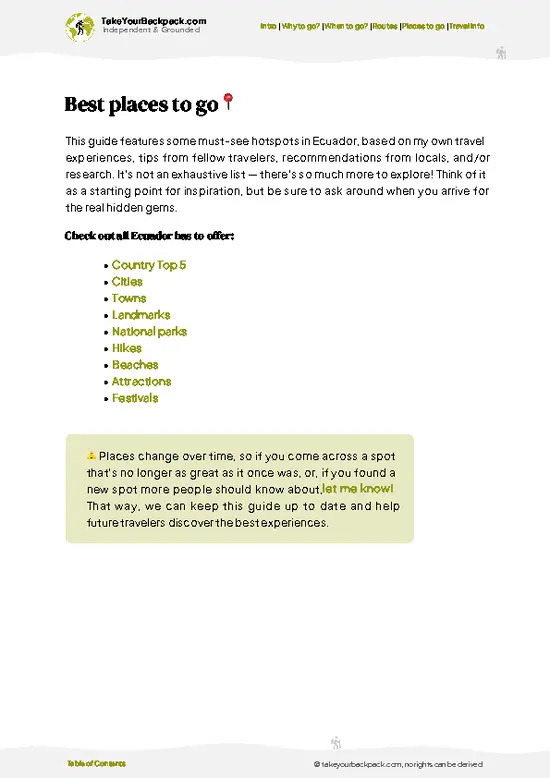
Ecuador🇪🇨 | festivalsFiesta de San Antonio de PichinchaAndean crafts, local bands, artisan markets | things to do and best time to go

Explore Fiesta de San FranciscoExplore Fiesta de San Sebastián

Backpacking in Fiesta de San Antonio de Pichincha
👀 For curious travelersfestival ranked #14
By Johan Kruseman 🇳🇱 | Updated May 12, 2026

You only realize after you go that Fiesta de San Antonio de Pichincha is basically a full-power Andean street party you can walk to from Quito’s northern sprawl instead of burning days on buses. It hits in San Antonio de Pichincha, just above the Mitad del Mundo monument, on the outskirts of Ecuador’s capital. Expect brass bandas, chicha-fueled dancing, and loud, proud barrio energy rather than polished folklore shows. Locals dominate; backpackers are background noise. It runs over several days, with processions, concerts, and rodeo-style events. Go if you like raw, chaotic, community-first fiestas more than curated “cultural experiences.”

Discover everything you want to know in the 📖 Ecuador Travel Guide.


Get your Ecuador guide
94 ranked highlights, routes & tips, works offline (362 pages)
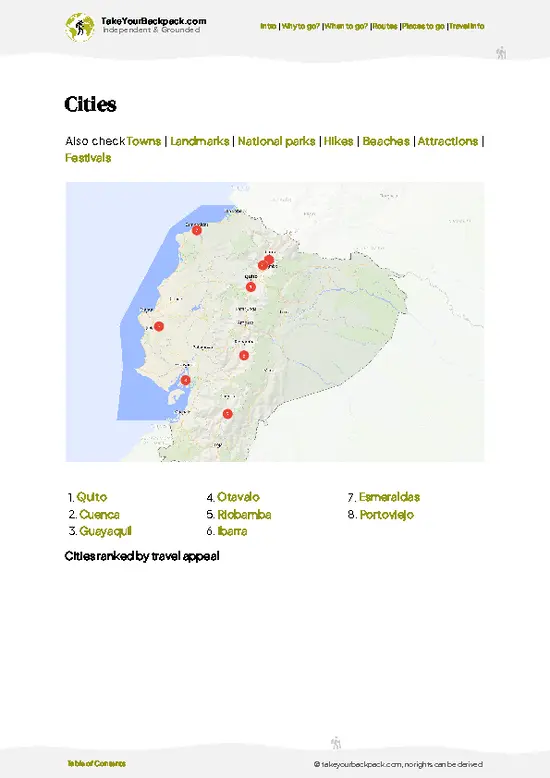
Loading the map 🌍
CLICK TO FILTER
cities
towns
landmarks
national parks
hikes
beaches
attractions
festivals
regions
SHOW COUNTRY’S BESTSHOW ALL

✨ Why go?
Ranked #14 festival in Ecuador
Why Fiesta de San Antonio de Pichincha should be on your travel list

Backpackers flock to the Fiesta de San Antonio de Pichincha for its electric social energy and the chance to dive into a temporary community. This festival isn’t just a party; it’s a vibrant tapestry of cultural immersion where you can taste local dishes, dance to traditional music, and connect with fellow travelers and locals alike. Plus, it’s affordable compared to similar events worldwide, allowing you to stretch your budget for those unforgettable moments. Planning your route around this festival adds a thrilling layer to your journey, making it a perfect pit stop in a longer travel adventure. Embrace the chaos and let it fuel your exploration!
Want to include Fiesta de San Antonio de Pichincha in your Ecuador route?
Create a personalized Ecuador itinerary that includes Fiesta de San Antonio de Pichincha and the places that fit your trip — based on your travel style, budget, and available time. Get your route in seconds.

Generate my trip

💡 HighlightsMust-see experiences and standout moments

  • Religious procession and patron-saint tribute — The heart of the fiesta is the slow, solemn parade carrying the image of San Antonio through town. It’s devotional and theatrical at once: hymns, incense, elders in traditional dress and younger people throwing flowers or confetti. The contrast between quiet reverence and bursts of pageantry is what makes this moment feel genuinely local and rooted.
  • Cabalgata — the equestrian parade — Riders (chagras) decked out in colourful ponchos and ornate saddles ride through the streets showing off horsemanship and traditional gear. Think mounted processions, playful lassoing displays and close-up access to a rural Andean culture you don’t usually see in big-city festivals. Personal favorite — it’s loud, photogenic and full of personality.
  • Folkloric
read more 👉
  • Religious procession and patron-saint tribute — The heart of the fiesta is the slow, solemn parade carrying the image of San Antonio through town. It’s devotional and theatrical at once: hymns, incense, elders in traditional dress and younger people throwing flowers or confetti. The contrast between quiet reverence and bursts of pageantry is what makes this moment feel genuinely local and rooted.
  • Cabalgata — the equestrian parade — Riders (chagras) decked out in colourful ponchos and ornate saddles ride through the streets showing off horsemanship and traditional gear. Think mounted processions, playful lassoing displays and close-up access to a rural Andean culture you don’t usually see in big-city festivals. Personal favorite — it’s loud, photogenic and full of personality.
  • Folkloric dances and live bands — Street stages and impromptu circles host sanjuanitos, pasacalles and brass or percussion bands that pull everyone into the rhythm. Dancers in embroidered costumes move to patterns passed down generations. The music is infectious and it’s easy to end up dancing with locals in the square long after dark.
  • Food stalls and home-cooked flavors — A maze of stalls sells hearty Andean dishes, freshly fried snacks and sweet treats made from family recipes. It’s the best place to try regional specialties served on the street: cheap, warm and honest. Eating here is as much cultural exchange as it is a meal—locals will happily point out what to try.
  • Artisan market and traditional crafts — The fair around the church is full of textiles, carved wood, religious icons and simple silverwork made by nearby communities. Buying directly from makers means you get stories with your purchase. The crafts capture the mix of indigenous and mestizo aesthetics that define the region.
Spotted a mistake or missing something? Contact us.

🌤️ When to go?When is the celebration of Fiesta de San Antonio de Pichincha?


  • Weather: The festival happens in August, right in Ecuador’s dry season. Expect clear skies and minimal rain, perfect for trekking and outdoor celebrations without soggy boots or soggy spirits.

  • Temperature: Days hover around 18-22°C (64-72°F), cool but comfortable for hiking and wandering. Nights dip to 7-10°C (45-50°F), so pack a warm layer to keep the chill off after dark.

  • Daylight Hours: With roughly 12 hours of daylight, you get plenty of time to soak in the festival’s energy and explore the surrounding volcanic landscapes without rushing.

  • Crowds: August draws locals and tourists alike, so expect lively crowds but not the overwhelming crush of peak-season festivals. This balance keeps the vibe authentic and the lines manageable.

  • Seasonal Activities: The dry season means trails
read more 👉

  • Weather: The festival happens in August, right in Ecuador’s dry season. Expect clear skies and minimal rain, perfect for trekking and outdoor celebrations without soggy boots or soggy spirits.

  • Temperature: Days hover around 18-22°C (64-72°F), cool but comfortable for hiking and wandering. Nights dip to 7-10°C (45-50°F), so pack a warm layer to keep the chill off after dark.

  • Daylight Hours: With roughly 12 hours of daylight, you get plenty of time to soak in the festival’s energy and explore the surrounding volcanic landscapes without rushing.

  • Crowds: August draws locals and tourists alike, so expect lively crowds but not the overwhelming crush of peak-season festivals. This balance keeps the vibe authentic and the lines manageable.

  • Seasonal Activities: The dry season means trails are accessible, and you can combine the festival with hikes up Pichincha volcano or visits to nearby hot springs, maximizing your adventure.

  • Price Fluctuations: Accommodation and transport prices spike slightly during the festival but remain reasonable compared to Ecuador’s high tourist season in December-January. Booking early locks in better rates.


Pro-tip: Arrive a day early to acclimate and snag the best lodging deals before the festival buzz kicks in—your legs and wallet will thank you.


source: climatestotravel.comJANJanuary: not recommended for travelingFEBFebruary: not recommended for travelingMARMarch: not recommended for travelingAPRApril: not recommended for travelingMAYMay: not recommended for travelingJUNJune: not recommended for travelingJULJuly: not recommended for travelingAUGAugust: excellent for travelingSEPSeptember: not recommended for travelingOCTOctober: not recommended for travelingNOVNovember: not recommended for travelingDECDecember: not recommended for traveling

✈️ The backpacker research shortcutEcuador Travel Guide

An offline-friendly backpacking guide with optimized travel routes, ranked highlights, transport advice, and the best areas to stay.
example page 0 from our offline Travel Guide for Ecuador
example page 1 from our offline Travel Guide for Ecuador
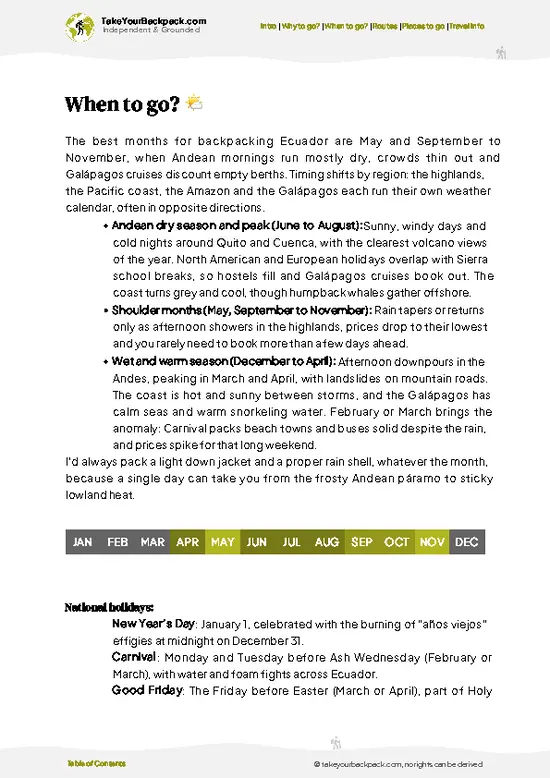
example page 2 from our offline Travel Guide for Ecuador
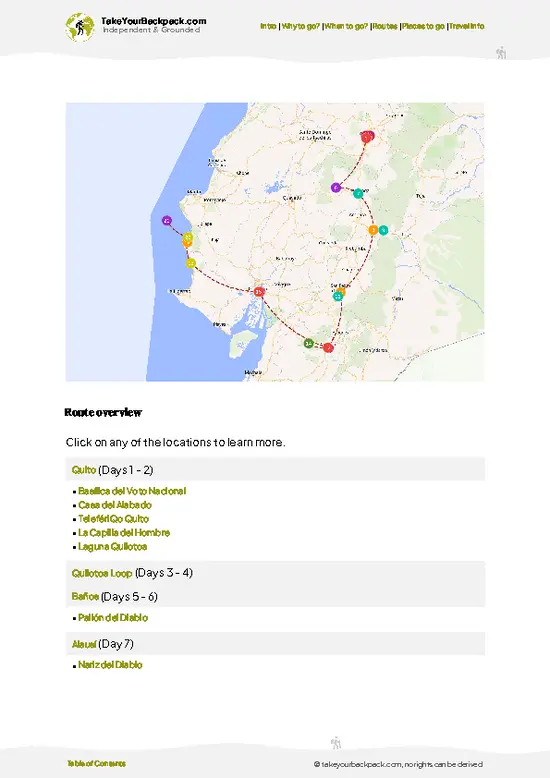
example page 3 from our offline Travel Guide for Ecuador
example page 4 from our offline Travel Guide for Ecuador
example page 5 from our offline Travel Guide for Ecuador
example page 6 from our offline Travel Guide for Ecuador
example page 7 from our offline Travel Guide for Ecuador
The digital guide (362 pages) contains:
94 highlights, ranked by travel appeal
Optimized 5, 10 & 15-day travel routes
Cities, national parks, landmarks, beaches
How to get around
Offline-friendly for travel without Wi-Fi
👉 Click to see all 30+ guide features

📅 Plan smarter in minutes, not weeks
Month by month travel advice
Festivals & national holidays
Budget expectations

🗺️ Go to the right places, skip the overrated ones
Honest pros & cons of destinations
Top hikes, parks & viewpoints
Lesser-known places most travelers miss
Clear “worth it vs skip it” guidance

🛏️ Travel smoothly without rookie mistakes
Best areas to stay
Transport systems explained simply
Common scams & safety advice
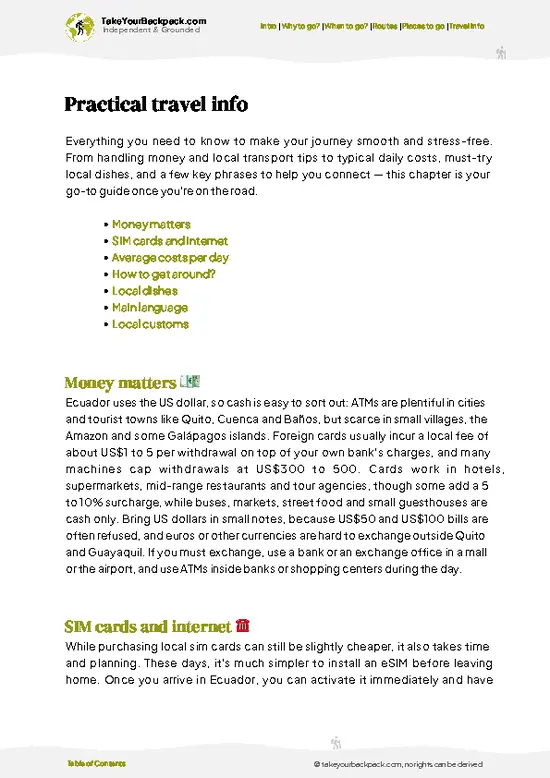
SIM cards, money & practical tips

🌍 Understand the country, not just visit it
Culture & traditions
52 Essential phrases & customs
Festivals worth planning around
Traveler-friendly historical context
Insights that make places more meaningful

📱 Built for real travel conditions
Fully downloadable PDF
Works completely offline
Optimized for phone use
Useful in remote areas & buses
Everything in one place
Save weeks of stressful planning
Get instant access to your full guide. 30‑day money-back guarantee.


By proceeding you agree to our terms.
Sent to your inbox immediately after payment • 100% Secure Checkout
Best Backpacking Travel Advisor 2025 tourism awardBest Backpacking
Travel Advisor
2025
What others say about Take Your Backpack Guides:
⭐⭐⭐⭐⭐
Fantastic, amazing amount of information!
⭐⭐⭐⭐⭐
My goodness this is amazing, it's what I've been looking for hats off too you!
⭐⭐⭐⭐⭐
I think this is absolutely BRILLIANT
⭐⭐⭐⭐
Very complete and informative. It's still missing places, but I gotta to commend you
⭐⭐⭐⭐⭐
This is truly amazing, thank you, can't wait to explore it with my kids!
⭐⭐⭐⭐⭐
Awesome resource, thank you!
⭐⭐⭐⭐⭐
This is amazing! Can't wait to explore the ones I haven't seen
⭐⭐⭐⭐
I love this! Well done, great idea.
⭐⭐⭐⭐⭐
Thanks for taking the time to make this gem!
⭐⭐⭐⭐⭐
This might be the best website I've ever seen.
⭐⭐⭐⭐⭐
Congratulations, and thank you so much for your work; it's incredibly valuable.
⭐⭐⭐⭐
In all seriousness I think you did a great job pointing out the important spots
⭐⭐⭐⭐⭐
10/10 very good
⭐⭐⭐⭐⭐
As someone who's only just starting to visit regularly this is awesome, thank you.
⭐⭐⭐⭐
Thank you very much! I'm going to visit my dad, it's going to be very useful!
⭐⭐⭐⭐⭐
This is really cool! We'll be travelling for the first time and this definitely come in handy.
⭐⭐⭐⭐⭐
You are now our minister of culture, congratulations 👨‍💼
⭐⭐⭐⭐⭐
Just wanted to tell you that this is a pearl! Going to follow your recommendations.
⭐⭐⭐⭐⭐
This is so cool. I'll definitely be using the resource for my travels soon.
⭐⭐⭐⭐⭐
This is very impressive! Good work.
⭐⭐⭐⭐⭐
This is an amazing and informative site. Very well done!

🛏️ Where to stay?Best areas to stay in Ecuador

For the Fiesta de San Antonio de Pichincha, dive into the heart of Quito’s La Mariscal district. This area buzzes with energy, filled with vibrant bars and eateries where backpackers mingle. The streets are alive, and you’ll find fellow travelers eager to share stories.

Head to the historic Old Town for a different vibe. It’s rich in culture and close to the festival’s main events. The cobblestone streets are charming, and you can soak in the local atmosphere.

Both areas are generally safe, but keep your wits about you. Choose accommodations that encourage social interaction; communal kitchens … read more 👉
For the Fiesta de San Antonio de Pichincha, dive into the heart of Quito’s La Mariscal district. This area buzzes with energy, filled with vibrant bars and eateries where backpackers mingle. The streets are alive, and you’ll find fellow travelers eager to share stories.

Head to the historic Old Town for a different vibe. It’s rich in culture and close to the festival’s main events. The cobblestone streets are charming, and you can soak in the local atmosphere.

Both areas are generally safe, but keep your wits about you. Choose accommodations that encourage social interaction; communal kitchens and common areas are gold for meeting new friends. This way, you’ll preserve your energy and budget for the festival’s unforgettable moments.

👛 Costs (as of 5 December 2025)How expensive it really is

The Fiesta de San Antonio de Pichincha is a vibrant celebration, but navigating the costs can be tricky. Here’s a breakdown to keep your budget in check while you soak in the festivities.
  • Festival Tickets: Expect to pay around $5 to $15 for entry. Some events may be free, but special performances or activities could have a cover charge. Keep an eye out for package deals that include multiple events.
  • Accommodation: Prices vary widely. Budget hostels start at $10 per night, while mid-range hotels can range from $30 to $70. If you want a more comfortable stay, expect to pay upwards of $100 for nicer options. Book early to avoid inflated prices.
  • Local Transport: Public transport is affordable. Buses and shared taxis typically cost between $0.50 and $2. If you prefer more convenience, consider rideshares
read more 👉
The Fiesta de San Antonio de Pichincha is a vibrant celebration, but navigating the costs can be tricky. Here’s a breakdown to keep your budget in check while you soak in the festivities.
  • Festival Tickets: Expect to pay around $5 to $15 for entry. Some events may be free, but special performances or activities could have a cover charge. Keep an eye out for package deals that include multiple events.
  • Accommodation: Prices vary widely. Budget hostels start at $10 per night, while mid-range hotels can range from $30 to $70. If you want a more comfortable stay, expect to pay upwards of $100 for nicer options. Book early to avoid inflated prices.
  • Local Transport: Public transport is affordable. Buses and shared taxis typically cost between $0.50 and $2. If you prefer more convenience, consider rideshares or private taxis, which can range from $5 to $15 depending on distance. Factor in extra time for travel during peak festival hours.
  • Food & Drinks: Street food is your best friend here. Meals can cost as little as $2 to $5. Restaurants will set you back $10 to $20 for a decent meal. Don’t forget to budget for drinks; local beers are around $2, while cocktails can range from $5 to $10.
  • Miscellaneous Expenses: This includes souvenirs, tips, and unexpected costs. Set aside $20 to $50 for extras. Local crafts can be tempting, so keep your eyes peeled for unique finds that won’t break the bank.

Stay sharp and plan ahead. This way, you’ll have the energy and funds to dive into the heart of the festival without any surprises.


source: ecuador.travel
⚠️ Prices can change and everyone travels differently, so take this as a rough guide. Hope it helps you plan your adventure!

🍲 FoodEating & Drinking in Fiesta de San Antonio de Pichincha

At the Fiesta de San Antonio de Pichincha, your taste buds are in for a wild ride. Dive into locro de papa, a creamy potato soup that warms you from the inside out. Don’t miss the empanadas de viento—light, flaky pastries stuffed with cheese, perfect for snacking as you wander.

Wash it down with chicha, a traditional fermented drink that’s both refreshing and a bit tangy. It’s often served in communal bowls, so be ready to share and connect with fellow festival-goers.

Lines can get long, especially for the popular stalls, so be patient and enjoy the buzz around you. Bring cash; many vendors don’t take cards. Serving sizes are generous, so pace yourself—there’s plenty to savor!

Other Ecuadorian festivals near Fiesta de San Antonio de Pichincha

Explore more nearby:


💡 Not sure where to go next?
Create a personalized itinerary for Ecuador including Fiesta de San Antonio de Pichincha and the places that fit your trip.

Generate my itinerary

👉 Discover all festivals

Or checkout all Ecuador has to offer (think cities, towns, villages, national parks, hikes, beaches, festivals)
Country photo of Ecuador

We 💚 feedbackIs it worth it?

The Fiesta de San Antonio de Pichincha is a vibrant celebration of culture that pulses with energy. You’ll feel the rhythm in your bones. But watch out for the crowds; they can drain your stamina. Embrace the chaos, but carve out quiet moments to recharge. That balance is where the magic happens.

✈️ When did I visit Ecuador?
Ecuador I visited during my half year trip through South and Central America back in 2003

✍️ Help improve this page!
The information on this page is based on my own backpacking experience in Ecuador, supplemented with up-to-date research and feedback from other travelers. Travel details can change, so if you notice anything outdated or incomplete, feel free to let me know.


🙋‍♂️ Give feedback

👋 Meet the founderWho’s Behind Take Your Backpack?

Johan, backpacker and founder of TakeYourBackpackHi, I’m Johan (Netherlands 🇳🇱), the creator of TakeYourBackpack. Over the past decade, I’ve backpacked through 80+ countries across six continents, gaining extensive experience with independent travel, long-term trips, and overland routes.

This site is built on a combination of firsthand travel experience and carefully curated insights from other backpackers. Many guides are based on places I’ve personally visited, while others bring together tips, observations, and practical advice shared by trusted travelers I’ve met along the way.

The goal is to provide realistic, experience-driven guidance — not generic itineraries — so you can explore destinations with better context, clearer expectations, and more confidence.

Get full Ecuador guide •
Instant download • 94 highlights • Full Offline guide