×

Ecuador🇪🇨 | festivalsFiesta de San Pedro y San PabloAruchicos, Cotacachi plaza rings, ritual stone throwing, bamboo fireworks | things to do and best time to go

Explore Pase del Niño ViajeroExplore Fiesta de San Juan

Backpacking in Fiesta de San Pedro y San Pablo
By Johan Kruseman 🇳🇱 | Updated October 19, 2026

A woman in embroidered blouse and felt hat hands me a ladle of chicha de jora at a plaza full of drums, and I expected a tourist show. Instead the whole village was dancing it for itself. Fiesta de San Pedro y San Pablo runs around June 29 across the Andes of northern Ecuador, centered on Imbabura province, with Cotacachi, Otavalo and the Cayambe area as the main stages. Expect Indigenous Kichwa music, panpipes, ritual dancing and the aruchicos, plus fireworks and food stalls. Crowds are mostly local families and a trickle of travelers. Entry is free and the party spreads over several days. Unlike the better-known Inti Raymi in nearby Cotacachi and Otavalo, this one feels more neighborhood-driven and less staged for visitors.

Discover everything you want to know in the 📖 Ecuador Travel Guide.


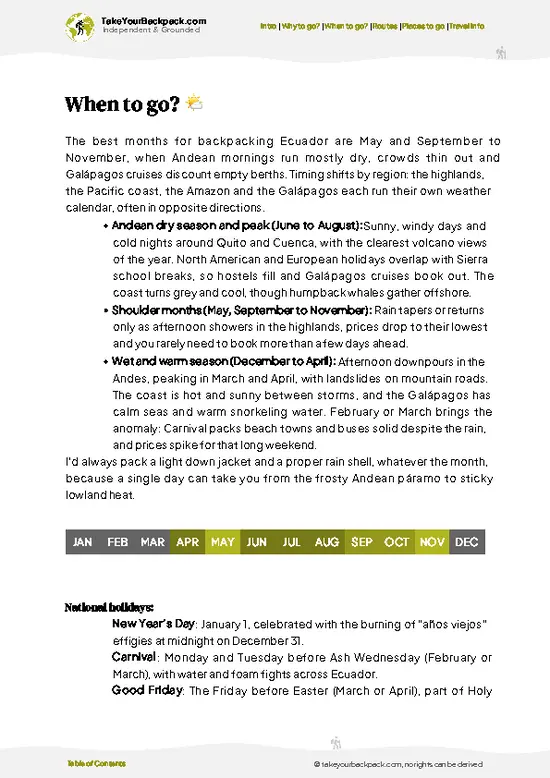
example page 0 from our offline Travel Guide for Ecuador
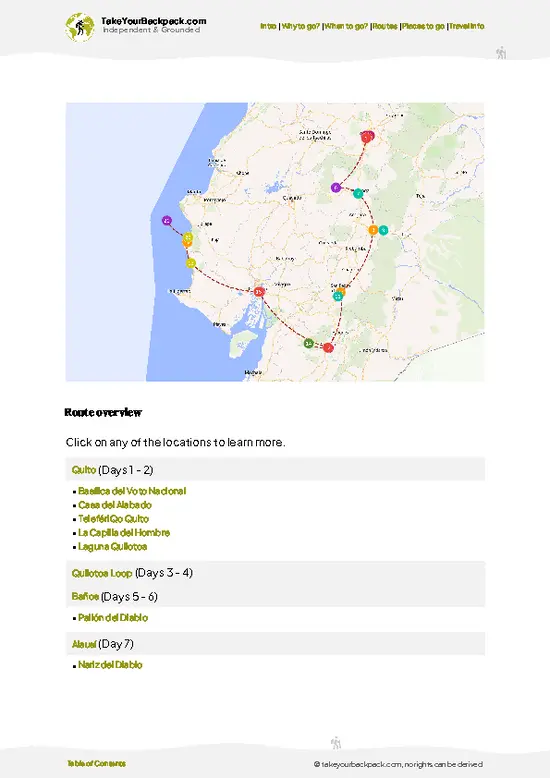
example page 1 from our offline Travel Guide for Ecuador
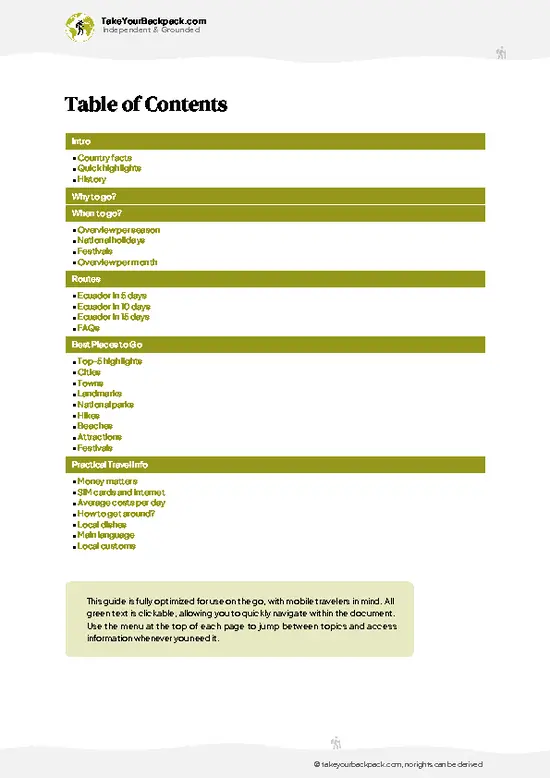
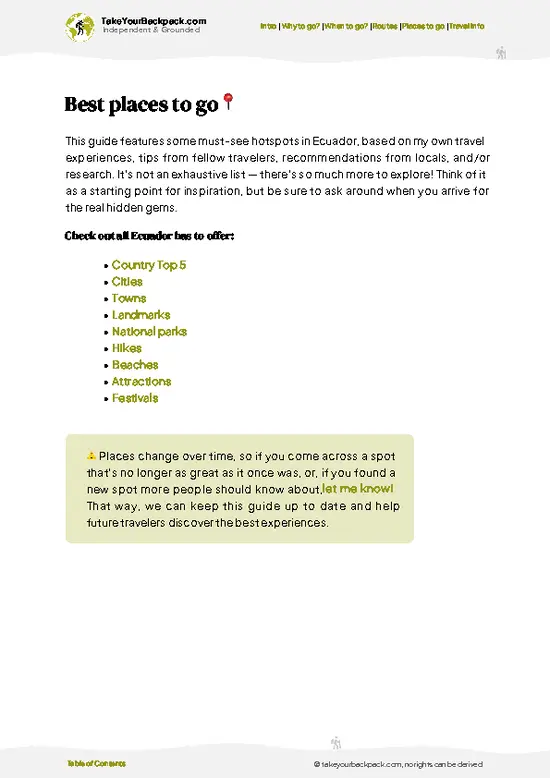
example page 2 from our offline Travel Guide for Ecuador
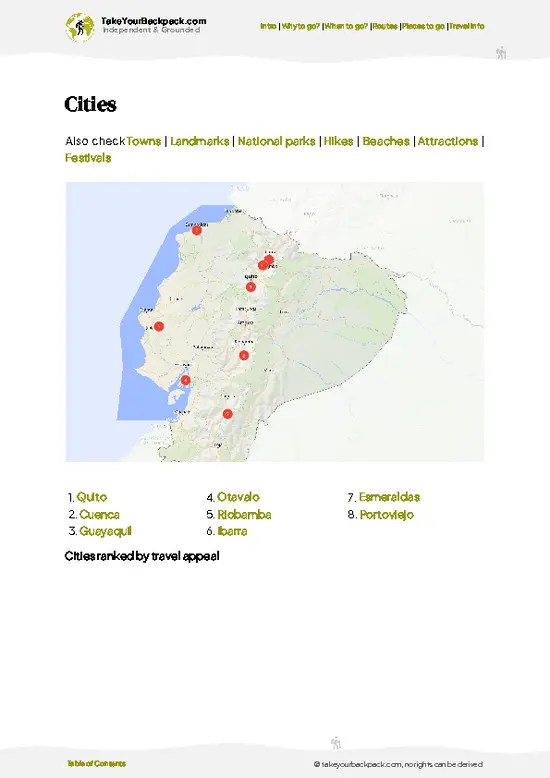
example page 3 from our offline Travel Guide for Ecuador
example page 4 from our offline Travel Guide for Ecuador
example page 5 from our offline Travel Guide for Ecuador
example page 6 from our offline Travel Guide for Ecuador
example page 7 from our offline Travel Guide for Ecuador
Loading the map 🌍
CLICK TO FILTER
cities
towns
landmarks
national parks
hikes
beaches
attractions
festivals
SHOW COUNTRY’S BESTSHOW ALL

✨ Why go?
Ranked #99 festival in Ecuador
What makes it a must-see festival

Fiesta de San Pedro y San Pablo pulls backpackers because it lands in the same weeks as the Inti Raymi harvest celebrations, so one trip covers a full run of Imbabura’s Kichwa festivals. You can base yourself in Otavalo and hop between communities as each holds its own day of dancing. The social side is easy: locals invite strangers into the circle, share food and a drink, and ask where you are from. Nobody is checking wristbands. Because the program belongs to the communities, you see the ritual battles and plaza dances performed for neighbors, not for a ticket line. It also fits a northern Andes loop neatly, pairing with the Otavalo craft market, lake hikes and volcano views before you head toward Quito or Colombia.

💡 HighlightsThe experiences that define the visit

  1. Aruchicos and Danzantes: Masked dancers in bright costumes, bells and whips lead processions through the streets, playing out old Andean characters. It is the most photographed and most distinctive part of the celebration.
  2. Plaza Dancing in Cotacachi: Groups in traditional dress circle the main plaza to drums and flutes, and people from the crowd are pulled into the ring. Arrive early to find a spot on the edge.
  3. Ritual Stone Throwing and Mock Battles: In some Imbabura communities, groups face off in symbolic fights rooted in pre-Hispanic custom. Watch from a safe distance and follow local guidance.
  4. Community Food Stalls: Expect hornado (roast pork), fritada, mote and cuy, along with chicha de jora. Prices are low and portions generous, and eating where families eat gives the best flavor.
  5. Evening
… read more 👉
  1. Aruchicos and Danzantes: Masked dancers in bright costumes, bells and whips lead processions through the streets, playing out old Andean characters. It is the most photographed and most distinctive part of the celebration.
  2. Plaza Dancing in Cotacachi: Groups in traditional dress circle the main plaza to drums and flutes, and people from the crowd are pulled into the ring. Arrive early to find a spot on the edge.
  3. Ritual Stone Throwing and Mock Battles: In some Imbabura communities, groups face off in symbolic fights rooted in pre-Hispanic custom. Watch from a safe distance and follow local guidance.
  4. Community Food Stalls: Expect hornado (roast pork), fritada, mote and cuy, along with chicha de jora. Prices are low and portions generous, and eating where families eat gives the best flavor.
  5. Evening Fireworks and Castillos: Tall bamboo frames spinning with fireworks light up the plazas after dark. The noise, smoke and cheering make the night feel communal.
Pair the plaza dancing in Cotacachi with the food stalls on the same afternoon, then stay for the evening fireworks.
Spotted a mistake or missing something? Contact us.

🌤️ When to go?When is the celebration of Fiesta de San Pedro y San Pablo?

Fiesta de San Pedro y San Pablo peaks from June 28 to 29, with celebrations running from mid-June into early July in the Otavalo area of Imbabura province, where the Inti Raymi season spills into the surrounding Kichwa communities.
  • Best days: June 28 and 29 bring the busiest plazas, with the Aya Huma dancers and the ritual street battles known as tinkus. Weekdays before are calmer, with smaller community events.
  • Weather: Days run about 18 to 22°C (64 to 72°F) at roughly 2,500 meters, dropping to 6 to 8°C (43 to 46°F) at night. Showers are possible, so bring a rain shell and a warm layer.
  • Booking: Reserve beds 3 to 4 weeks ahead. Rates in Otavalo can rise 20 to 40 percent around the main days.
  • Crowds: Leave Quito before 7 am on the Panamericana, and head back before dark, as buses fill up fast.
… read more 👉
Fiesta de San Pedro y San Pablo peaks from June 28 to 29, with celebrations running from mid-June into early July in the Otavalo area of Imbabura province, where the Inti Raymi season spills into the surrounding Kichwa communities.
  • Best days: June 28 and 29 bring the busiest plazas, with the Aya Huma dancers and the ritual street battles known as tinkus. Weekdays before are calmer, with smaller community events.
  • Weather: Days run about 18 to 22°C (64 to 72°F) at roughly 2,500 meters, dropping to 6 to 8°C (43 to 46°F) at night. Showers are possible, so bring a rain shell and a warm layer.
  • Booking: Reserve beds 3 to 4 weeks ahead. Rates in Otavalo can rise 20 to 40 percent around the main days.
  • Crowds: Leave Quito before 7 am on the Panamericana, and head back before dark, as buses fill up fast.
Arrive the evening of June 27 so you wake up already in place.


source: climatestotravel.comJANJanuary: not recommended for travelingFEBFebruary: not recommended for travelingMARMarch: not recommended for travelingAPRApril: not recommended for travelingMAYMay: not recommended for travelingJUNJune: excellent for travelingJULJuly: not recommended for travelingAUGAugust: not recommended for travelingSEPSeptember: not recommended for travelingOCTOctober: not recommended for travelingNOVNovember: not recommended for travelingDECDecember: not recommended for traveling

✈️ The backpacker research shortcutEcuador Travel Guide

An offline-friendly backpacking guide with optimized travel routes, ranked highlights, transport advice, and the best areas to stay.
example page 0 from our offline Travel Guide for Ecuador
example page 1 from our offline Travel Guide for Ecuador
example page 2 from our offline Travel Guide for Ecuador
example page 3 from our offline Travel Guide for Ecuador
example page 4 from our offline Travel Guide for Ecuador
example page 5 from our offline Travel Guide for Ecuador
example page 6 from our offline Travel Guide for Ecuador
example page 7 from our offline Travel Guide for Ecuador
The digital guide (274 pages) contains:
✅ 87 highlights, ranked by travel appeal
✅ Optimized 5, 10 & 15-day travel routes
✅ Cities, national parks, landmarks, beaches
✅ How to get around
✅ Offline-friendly for travel without Wi-Fi
👉 Click to see all 30+ guide features

📅 Plan smarter in minutes, not weeks
✅ Month by month travel advice
✅ Festivals & national holidays
✅ Budget expectations

🗺️ Go to the right places, skip the overrated ones
✅ Honest pros & cons of destinations
✅ Top hikes, parks & viewpoints
✅ Lesser-known places most travelers miss
✅ Clear “worth it vs skip it” guidance

🛏️ Travel smoothly without rookie mistakes
✅ Best areas to stay
✅ Transport systems explained simply
✅ Common scams & safety advice
✅ SIM cards, money & practical tips

🌍 Understand the country, not just visit it
✅ Culture & traditions
✅ 52 Essential phrases & customs
✅ Festivals worth planning around
✅ Traveler-friendly historical context
✅ Insights that make places more meaningful

📱 Built for real travel conditions
✅ Fully downloadable PDF
✅ Works completely offline
✅ Optimized for phone use
✅ Useful in remote areas & buses
✅ Everything in one place
Stop searching, start planning
Get instant access to your full guide. 30‑day money-back guarantee.
+ Add another guide for just

By proceeding you agree to our terms.
Sent to your inbox immediately after payment • 100% Secure Checkout
Best Backpacking Travel Advisor 2025 tourism awardBest Backpacking
Travel Advisor
2025
What others say about Take Your Backpack Guides:
⭐⭐⭐⭐⭐
Fantastic, amazing amount of information!
⭐⭐⭐⭐⭐
My goodness this is amazing, it's what I've been looking for hats off too you!
⭐⭐⭐⭐⭐
I think this is absolutely BRILLIANT
⭐⭐⭐⭐
Very complete and informative. It's still missing places, but I gotta to commend you
⭐⭐⭐⭐⭐
This is truly amazing, thank you, can't wait to explore it with my kids!
⭐⭐⭐⭐⭐
Awesome resource, thank you!
⭐⭐⭐⭐⭐
This is amazing! Can't wait to explore the ones I haven't seen
⭐⭐⭐⭐
I love this! Well done, great idea.
⭐⭐⭐⭐⭐
Thanks for taking the time to make this gem!
⭐⭐⭐⭐⭐
This might be the best website I've ever seen.
⭐⭐⭐⭐⭐
Congratulations, and thank you so much for your work; it's incredibly valuable.
⭐⭐⭐⭐
In all seriousness I think you did a great job pointing out the important spots
⭐⭐⭐⭐⭐
10/10 very good
⭐⭐⭐⭐⭐
As someone who's only just starting to visit regularly this is awesome, thank you.
⭐⭐⭐⭐
Thank you very much! I'm going to visit my dad, it's going to be very useful!
⭐⭐⭐⭐⭐
This is really cool! We'll be travelling for the first time and this definitely come in handy.
⭐⭐⭐⭐⭐
You are now our minister of culture, congratulations 👨‍💼
⭐⭐⭐⭐⭐
Just wanted to tell you that this is a pearl! Going to follow your recommendations.
⭐⭐⭐⭐⭐
This is so cool. I'll definitely be using the resource for my travels soon.
⭐⭐⭐⭐⭐
This is very impressive! Good work.
⭐⭐⭐⭐⭐
This is an amazing and informative site. Very well done!

🛏️ Where to stay?How to pick the right area

Otavalo town center is the best base, with the most social budget options and the shortest walk to the plazas where the dancing happens. Streets around Plaza de los Ponchos and the Parque Bolívar area fill with travelers from many countries, so you will meet people at breakfast tables and on rooftop terraces. It is also safe to walk at night in the busy blocks, though you should take a taxi after the music winds down and avoid dark side streets.

If you want quieter nights, look at the lakeside villages near Laguna San Pablo, such as San Rafael or the Imbabura slopes around Peguche. Here you find … read more 👉
Otavalo town center is the best base, with the most social budget options and the shortest walk to the plazas where the dancing happens. Streets around Plaza de los Ponchos and the Parque Bolívar area fill with travelers from many countries, so you will meet people at breakfast tables and on rooftop terraces. It is also safe to walk at night in the busy blocks, though you should take a taxi after the music winds down and avoid dark side streets.

If you want quieter nights, look at the lakeside villages near Laguna San Pablo, such as San Rafael or the Imbabura slopes around Peguche. Here you find family guesthouses, farm stays and a calmer pace, and a short taxi or bus gets you into town for the festivities. Peguche is also good for catching community rituals close to the waterfall.

Ibarra, about 30 minutes away by bus, is an option if Otavalo sells out, but you will miss the late-night plaza scene.

👛 Costs (as of 19 October 2026)How expensive it really is

Budget about US$38 to 70 per day for Fiesta de San Pedro y San Pablo in Otavalo, with a total daily budget of US$55 at a mid-range backpacker level.
CategoryBudget RangeLocal Reality
Festival ticketsUS$0Street celebrations and plaza events are free to watch.
AccommodationUS$12 to 30Dorms and basic rooms rise in price around June 28 to 29, so book early.
Local transportUS$2 to 8Buses from Quito to Otavalo cost about US$3 to 4 each way, and taxis in town cost US$2 to 4.
Food & drinksUS$10 to 20Set lunches cost US$3 to 5, and festival plates are US$4 to 8.
Miscellaneous expensesUS$5 to 12Crafts, small tips for photos and rain gear, with cash needed in most places.
Total Daily BudgetUS$55High season accommodation counted at US$30, the rest at midrange levels.


source: ecuador.travel
⚠️ Prices can change and everyone travels differently, so take this as a rough guide. Hope it helps you plan your adventure!

🍲 FoodWhat to Eat & Drink

Festival streets in Otavalo smell of roast cuy (guinea pig) and hornado, slow-roasted pork served with mote corn, llapingachos (potato patties) and a pickled onion salad. Stalls and plaza vendors sell it by the plate for roughly US$4 to 8. Try the fritada and the empanadas de viento, fried and dusted with sugar, for about US$1 to 2.

For drinks, look for chicha, a fermented corn drink shared in communities during the celebrations, and warm canelazo, a cinnamon and sugarcane spirit that helps on cold nights, at US$1 to 3 a cup. Sweet colada morada is less common in June, so go for hot champús or fresh fruit juices instead.

Carry small cash, as most stalls do not take cards and vendors may struggle to break big bills. Lines form quickly at the best hornado stalls, so go early. If a community … read more 👉
Festival streets in Otavalo smell of roast cuy (guinea pig) and hornado, slow-roasted pork served with mote corn, llapingachos (potato patties) and a pickled onion salad. Stalls and plaza vendors sell it by the plate for roughly US$4 to 8. Try the fritada and the empanadas de viento, fried and dusted with sugar, for about US$1 to 2.

For drinks, look for chicha, a fermented corn drink shared in communities during the celebrations, and warm canelazo, a cinnamon and sugarcane spirit that helps on cold nights, at US$1 to 3 a cup. Sweet colada morada is less common in June, so go for hot champús or fresh fruit juices instead.

Carry small cash, as most stalls do not take cards and vendors may struggle to break big bills. Lines form quickly at the best hornado stalls, so go early. If a community host offers you chicha or food, accept at least a sip, as refusing can seem rude, and keep an eye on your pace with the strong drinks at altitude.

FAQCommon questions from travelers

Fiesta de San Pedro y San Pablo peaks on June 28 and 29, with festivities running from mid-June to early July. The main action is in Otavalo and surrounding Kichwa communities in Imbabura province. Expect the largest crowds on the final two days in the plazas.
Attending Fiesta de San Pedro y San Pablo costs nothing for the street celebrations, so your spending goes on beds, food and transport. Plan roughly US$38 to 70 per day, with dorms and basic rooms at US$12 to 30. A bus from Quito to Otavalo is about US$3 to 4 each way.
Fiesta de San Pedro y San Pablo does not require tickets, since the dances and rituals take place in public plazas and streets. What you do need to book ahead is a bed, ideally 3 to 4 weeks before June 28. Buses from Quito to Otavalo run frequently, about 2 to 2.5 hours, so you can buy on the day.
⚠️ Things can change over time, so always validate details locally before you go.

Other Ecuadorian festivals near Fiesta de San Pedro y San Pablo

Explore more nearby:


💡 Not sure where to go next?
Create a personalized itinerary for Ecuador including Fiesta de San Pedro y San Pablo and the places that fit your trip.

Generate my itinerary

👉 Discover all festivals

Or checkout all Ecuador has to offer (think cities, towns, villages, national parks, hikes, beaches, festivals)
Country photo of Ecuador

We 💚 feedbackSumming up the experience

Fiesta de San Pedro y San Pablo suits curious travelers who like joining in more than watching from behind a lens. Schedules shift by community, so I would ask locals the day before where the dancing is. Bring small bills, a warm layer for the night and a willingness to be pulled into the circle.

✈️ When did I visit Ecuador?
Ecuador I visited during my half year trip through South and Central America back in 2003

✍️ Help improve this page!
The information on this page is based on my own backpacking experience in Ecuador, supplemented with up-to-date research and feedback from other travelers. Travel details can change, so if you notice anything outdated or incomplete, feel free to let me know.


🙋‍♂️ Give feedback

👋 Meet the founderWho’s Behind Take Your Backpack?

Johan, backpacker and founder of TakeYourBackpackHi, I’m Johan (Netherlands 🇳🇱), the creator of TakeYourBackpack. Over the past 3 decades, I’ve backpacked through 90+ countries across six continents, gaining extensive experience with independent travel, long-term trips, and overland routes.

This site is built on a combination of firsthand travel experience and carefully curated insights from other backpackers. Many guides are based on places I’ve personally visited, while others bring together tips, observations, and practical advice shared by trusted travelers I’ve met along the way.

The goal is to provide realistic, experience-driven guidance — not generic itineraries — so you can explore destinations with better context, clearer expectations, and more confidence.