×

Egypt🇪🇬 | citiesBanhaRailway hub, fruit orchards, delta crossroads, local eateries | things to do and best time to go

Explore El-Mahalla El-KubraExplore Aswan International Women’s Film Festival

Backpacking in Banha
👀 For curious travelerscity ranked #21
By Johan Kruseman 🇳🇱 | Updated June 9, 2026

Banha surprises: it’s Egypt’s strawberry capital, not a tourist hotspot, and you’ll smell it in the air during harvest. Sitting north of Cairo in the Nile Delta, Banha is a working city—think lively markets, a few Ottoman-era mosques, and a riverside park where locals actually hang out. Backpackers won’t find hostels or a party scene, but you’ll get cheap eats, genuine curiosity from residents, and a safe, unpolished slice of Egyptian daily life. Compared to Alexandria or Cairo, Banha is quieter, less cosmopolitan, and refreshingly real.

Discover everything you want to know in the 📖 Egypt Travel Guide.


Get your Egypt guide
116 ranked highlights, routes & tips, works offline (438 pages)
Loading the map 🌍
CLICK TO FILTER
cities
towns
landmarks
national parks
hikes
beaches
attractions
festivals
regions
SHOW COUNTRY’S BESTSHOW ALL

✨ Why go?
Ranked #21 city in Egypt
Reasons people choose to visit here

Banha is a strategic basecamp for backpackers exploring Egypt. Its walkability makes it easy to navigate, with local markets and eateries just a stroll away. You’ll find affordable hostels that cater to budget travelers, offering a cozy place to recharge. The food scene is a delightful mix of street vendors and local restaurants, serving up authentic flavors without breaking the bank. While it may not have the same tourist buzz as Cairo, the city’s nightlife offers a laid-back vibe, perfect for unwinding after a day of exploration. Plus, it’s a convenient jump-off point for day trips to nearby highlights, making it a smart stop on your journey.
Want to include Banha in your Egypt route?
Create a personalized Egypt itinerary that includes Banha and the places that fit your trip — based on your travel style, budget, and available time. Get your route in seconds.

Generate my trip

💡 HighlightsKey sights and experiences for travelers

  • Banha Railway Station: One of the city’s true anchors — a busy, historic junction on the Cairo-Delta rail line where you can watch daily Egyptian rail life, catch commuter trains, and feel the city’s pulse. The station area is lively and gives a real sense of movement and local commerce.
  • Benha University campus: The university is the city’s intellectual core — walkable green spaces, active student life, and several faculties (medicine, engineering, agriculture) that shape Banha’s culture. Strolling the campus gives insight into modern Egyptian civic life and local coffee-shop scenes.
  • Banha Old Market (Souq): The traditional market in the city center where locals buy everything from food to textiles and household goods. It’s a practical, sensory way to experience Banha — bargaining, street
read more 👉
  • Banha Railway Station: One of the city’s true anchors — a busy, historic junction on the Cairo-Delta rail line where you can watch daily Egyptian rail life, catch commuter trains, and feel the city’s pulse. The station area is lively and gives a real sense of movement and local commerce.
  • Benha University campus: The university is the city’s intellectual core — walkable green spaces, active student life, and several faculties (medicine, engineering, agriculture) that shape Banha’s culture. Strolling the campus gives insight into modern Egyptian civic life and local coffee-shop scenes.
  • Banha Old Market (Souq): The traditional market in the city center where locals buy everything from food to textiles and household goods. It’s a practical, sensory way to experience Banha — bargaining, street food stalls, and neighborhoods clustered around the market show daily life better than any brochure.
Nearby day trips that work great from Banha include Cairo for the Egyptian Museum and the Giza pyramids, the Delta town of Tanta for its market and religious festivals, and the historic Mediterranean port of Rosetta (Rashid).
Spotted a mistake or missing something? Contact us.

Things to do near Banha

Ratings based on Tripadvisor reviews. When you book through this link, you support our work at no extra cost to you.

🏘️ NeighborhoodsWhere things are and how it's laid out

Banha is a vibrant hub in Egypt, offering a mix of local culture and accessibility for backpackers. Here’s how the neighborhoods stack up:

Downtown Banha: The heart of the city, buzzing with energy. Affordable eateries and shops line the streets. Walkable and well-connected by public transport, it’s perfect for short stays. Nightlife is lively but not overwhelming.

El-Mahalla: A quieter area with a more local vibe. Ideal for those seeking a break from the hustle. It’s less touristy, making it a great spot for longer stays. Costs are low, and you can easily stroll to nearby parks.

Industrial Zone: Not the typical backpacker spot, but it offers unique insights into local life. It’s a bit further from the main attractions, so transport is essential. Suitable for those wanting to explore beyond the usual paths.

⌛️ 1 dayHow to make the most of one day

Banha, Egypt, is a vibrant hub where the pulse of daily life meets rich history. It’s not on every tourist’s radar, but that’s what makes it special. Start your morning at the bustling Banha Market. Here, the aroma of spices fills the air, and local vendors offer everything from fresh produce to handmade crafts. Grab a traditional breakfast of ful medames at a nearby café—simple, hearty, and a true taste of local life.

In the afternoon, stroll through the historic Al-Mahalla neighborhood. The streets are alive with the sounds of children playing and the chatter of locals. Visit the impressive Banha Mosque, where you can soak in the intricate architecture and peaceful atmosphere. For a unique experience, head to the nearby Nile banks. It’s a quieter spot, perfect for reflection and watching … read more 👉
Banha, Egypt, is a vibrant hub where the pulse of daily life meets rich history. It’s not on every tourist’s radar, but that’s what makes it special. Start your morning at the bustling Banha Market. Here, the aroma of spices fills the air, and local vendors offer everything from fresh produce to handmade crafts. Grab a traditional breakfast of ful medames at a nearby café—simple, hearty, and a true taste of local life.

In the afternoon, stroll through the historic Al-Mahalla neighborhood. The streets are alive with the sounds of children playing and the chatter of locals. Visit the impressive Banha Mosque, where you can soak in the intricate architecture and peaceful atmosphere. For a unique experience, head to the nearby Nile banks. It’s a quieter spot, perfect for reflection and watching the boats drift by.

As evening falls, find a local eatery for dinner. Try the grilled fish, fresh from the Nile, paired with a side of rice and vegetables. End your day with a leisurely walk along the river, soaking in the charm of this often-overlooked city.
Turn your Banha visit into an Egypt adventure
Build a complete Egypt route with Banha, hidden gems, must-see destinations, and realistic travel times included.

Generate my trip

🌤️ When to go?When to go for the best experience


  • Weather: Banha’s climate is hot desert, so spring (March to May) and autumn (September to November) offer milder, more bearable heat compared to the scorching summer months.

  • Temperature: Expect highs around 25-30°C (77-86°F) in spring and autumn, while summer can spike above 38°C (100°F), making daytime trekking exhausting.

  • Daylight Hours: Roughly 11-13 hours year-round, but longer daylight in summer means more exploration time—if you can handle the heat.

  • Crowds: Tourist flow peaks in winter and spring; autumn sees fewer visitors, giving you more breathing room at local markets and sites.

  • Seasonal Activities: Spring hosts local festivals and agricultural events, adding cultural depth beyond the usual sightseeing.

  • Price Fluctuations: Accommodation and transport costs rise in peak
read more 👉

  • Weather: Banha’s climate is hot desert, so spring (March to May) and autumn (September to November) offer milder, more bearable heat compared to the scorching summer months.

  • Temperature: Expect highs around 25-30°C (77-86°F) in spring and autumn, while summer can spike above 38°C (100°F), making daytime trekking exhausting.

  • Daylight Hours: Roughly 11-13 hours year-round, but longer daylight in summer means more exploration time—if you can handle the heat.

  • Crowds: Tourist flow peaks in winter and spring; autumn sees fewer visitors, giving you more breathing room at local markets and sites.

  • Seasonal Activities: Spring hosts local festivals and agricultural events, adding cultural depth beyond the usual sightseeing.

  • Price Fluctuations: Accommodation and transport costs rise in peak tourist seasons (winter and spring), while autumn offers better deals without sacrificing comfort.


Pro-tip: Aim for early spring or late autumn to balance comfort, cost, and cultural immersion—this is when Banha reveals its authentic rhythm without the punishing heat or tourist crush.


source: climatestotravel.comJANJanuary: highly recommended for travelingFEBFebruary: highly recommended for travelingMARMarch: excellent for travelingAPRApril: excellent for travelingMAYMay: highly recommended for travelingJUNJune: fair for travelingJULJuly: below average for travelingAUGAugust: below average for travelingSEPSeptember: highly recommended for travelingOCTOctober: excellent for travelingNOVNovember: excellent for travelingDECDecember: highly recommended for traveling
when-to-go

✈️ The backpacker research shortcutEgypt Travel Guide

An offline-friendly backpacking guide with optimized travel routes, ranked highlights, transport advice, and the best areas to stay.
example page 0 from our offline Travel Guide for Egyptexample page 1 from our offline Travel Guide for Egyptexample page 2 from our offline Travel Guide for Egyptexample page 3 from our offline Travel Guide for Egyptexample page 4 from our offline Travel Guide for Egyptexample page 5 from our offline Travel Guide for Egyptexample page 6 from our offline Travel Guide for Egyptexample page 7 from our offline Travel Guide for Egypt
The digital guide (438 pages) contains:
116 highlights, ranked by travel appeal
Optimized 7, 14 & 21-day travel routes
Cities, national parks, landmarks, beaches
How to get around
Offline-friendly for travel without Wi-Fi
👉 Click to see all 30+ guide features

📅 Plan smarter in minutes, not weeks
Month by month travel advice
Festivals & national holidays
Budget expectations

🗺️ Go to the right places, skip the overrated ones
Honest pros & cons of destinations
Top hikes, parks & viewpoints
Lesser-known places most travelers miss
Clear “worth it vs skip it” guidance

🛏️ Travel smoothly without rookie mistakes
Best areas to stay
Transport systems explained simply
Common scams & safety advice
SIM cards, money & practical tips

🌍 Understand the country, not just visit it
Culture & traditions
52 Essential phrases & customs
Festivals worth planning around
Traveler-friendly historical context
Insights that make places more meaningful

📱 Built for real travel conditions
Fully downloadable PDF
Works completely offline
Optimized for phone use
Useful in remote areas & buses
Everything in one place
Save weeks of stressful planning
Get instant access to your full guide. 30‑day money-back guarantee.


By proceeding you agree to our terms.
Sent to your inbox immediately after payment • 100% Secure Checkout
Best Backpacking Travel Advisor 2025 tourism awardBest Backpacking
Travel Advisor
2025
What others say about Take Your Backpack Guides:
⭐⭐⭐⭐⭐
Fantastic, amazing amount of information!
⭐⭐⭐⭐⭐
My goodness this is amazing, it's what I've been looking for hats off too you!
⭐⭐⭐⭐⭐
I think this is absolutely BRILLIANT
⭐⭐⭐⭐
Very complete and informative. It's still missing places, but I gotta to commend you
⭐⭐⭐⭐⭐
This is truly amazing, thank you, can't wait to explore it with my kids!
⭐⭐⭐⭐⭐
Awesome resource, thank you!
⭐⭐⭐⭐⭐
This is amazing! Can't wait to explore the ones I haven't seen
⭐⭐⭐⭐
I love this! Well done, great idea.
⭐⭐⭐⭐⭐
Thanks for taking the time to make this gem!
⭐⭐⭐⭐⭐
This might be the best website I've ever seen.
⭐⭐⭐⭐⭐
Congratulations, and thank you so much for your work; it's incredibly valuable.
⭐⭐⭐⭐
In all seriousness I think you did a great job pointing out the important spots
⭐⭐⭐⭐⭐
10/10 very good
⭐⭐⭐⭐⭐
As someone who's only just starting to visit regularly this is awesome, thank you.
⭐⭐⭐⭐
Thank you very much! I'm going to visit my dad, it's going to be very useful!
⭐⭐⭐⭐⭐
This is really cool! We'll be travelling for the first time and this definitely come in handy.
⭐⭐⭐⭐⭐
You are now our minister of culture, congratulations 👨‍💼
⭐⭐⭐⭐⭐
Just wanted to tell you that this is a pearl! Going to follow your recommendations.
⭐⭐⭐⭐⭐
This is so cool. I'll definitely be using the resource for my travels soon.
⭐⭐⭐⭐⭐
This is very impressive! Good work.
⭐⭐⭐⭐⭐
This is an amazing and informative site. Very well done!

🛏️ Where to stay?Best areas to stay in Egypt

In Banha, the best spot for backpackers is the city center around the main market and train station. This area scores high on safety and social buzz—think lively street vendors, local cafés, and easy access to transport. It’s where budget travelers naturally gravitate because it balances affordability with convenience. Hostels are sparse but tend to cluster here, making it easier to meet fellow travelers without sacrificing comfort. Compared to quieter residential districts, the center offers a pulse that keeps you connected to the city’s rhythm. If you want to avoid isolation and overpriced tourist … read more 👉
In Banha, the best spot for backpackers is the city center around the main market and train station. This area scores high on safety and social buzz—think lively street vendors, local cafés, and easy access to transport. It’s where budget travelers naturally gravitate because it balances affordability with convenience. Hostels are sparse but tend to cluster here, making it easier to meet fellow travelers without sacrificing comfort. Compared to quieter residential districts, the center offers a pulse that keeps you connected to the city’s rhythm. If you want to avoid isolation and overpriced tourist traps, this neighborhood is your strategic base.

🚌 Getting aroundHow to get from A to B

Banha moves at its own rhythm—neither a frantic rush nor a laid-back drift. It’s a city where schedules exist but bend to the flow of daily life, a place where you’ll find a mix of punctual buses and spontaneous shared rides. The pulse here is pragmatic: locals balance time and cost with a kind of street-smart intuition. For a budget traveler, understanding this flow means choosing transit that respects your priorities—whether that’s saving every pound, cutting down travel time, or squeezing in a bit of comfort without breaking the bank.


  • Walking: The ultimate zero-cost option. Banha’s compact center is walkable, letting you absorb the city’s texture at your own pace. No schedules, no fares, just your own two feet and the freedom to pause or detour.

  • Microbuses: These minibuses run frequently
read more 👉
Banha moves at its own rhythm—neither a frantic rush nor a laid-back drift. It’s a city where schedules exist but bend to the flow of daily life, a place where you’ll find a mix of punctual buses and spontaneous shared rides. The pulse here is pragmatic: locals balance time and cost with a kind of street-smart intuition. For a budget traveler, understanding this flow means choosing transit that respects your priorities—whether that’s saving every pound, cutting down travel time, or squeezing in a bit of comfort without breaking the bank.


  • Walking: The ultimate zero-cost option. Banha’s compact center is walkable, letting you absorb the city’s texture at your own pace. No schedules, no fares, just your own two feet and the freedom to pause or detour.

  • Microbuses: These minibuses run frequently from early morning (around 6 AM) until late evening (about 10 PM). They’re cheap—usually under 5 EGP—but can get crowded and noisy. Speed varies with traffic, but they’re a direct, no-frills way to cover longer distances.

  • Shared Taxis: Operating on fixed routes, these are faster than microbuses and run roughly from 7 AM to 9 PM. Prices hover around 10-15 EGP. They offer a bit more comfort and flexibility but expect to share space with locals who know the city’s shortcuts.

  • Local Buses: Scheduled and slightly more comfortable than microbuses, these run from 6 AM to 8 PM. Tickets cost around 7-10 EGP. They strike a balance between cost and comfort but can be slower during peak hours.

👛 Costs (as of 5 February 2026)Typical daily expenses

Backpacking in Banha, Egypt, is a study in balancing modest costs with the realities of local infrastructure and services. Here’s how your daily expenses typically stack up:
  • Dorm Accommodation (High Season): Expect to pay around $8 to $12 per night. Options are limited, so prices can spike slightly during peak travel months.
  • Dorm Accommodation (Off-Season): Prices drop to about $5 to $8 per night. Fewer tourists mean better deals but also fewer choices.
  • Meals: Street food and local eateries dominate here. Budget around $3 to $6 per day if you stick to traditional dishes like koshari or falafel. Western-style meals or dining in tourist spots will push this higher.
  • Local Transport: Microbuses and shared taxis are the norm. A typical ride costs between $0.20 and $0.50, so budgeting $1 to
read more 👉
Backpacking in Banha, Egypt, is a study in balancing modest costs with the realities of local infrastructure and services. Here’s how your daily expenses typically stack up:
  • Dorm Accommodation (High Season): Expect to pay around $8 to $12 per night. Options are limited, so prices can spike slightly during peak travel months.
  • Dorm Accommodation (Off-Season): Prices drop to about $5 to $8 per night. Fewer tourists mean better deals but also fewer choices.
  • Meals: Street food and local eateries dominate here. Budget around $3 to $6 per day if you stick to traditional dishes like koshari or falafel. Western-style meals or dining in tourist spots will push this higher.
  • Local Transport: Microbuses and shared taxis are the norm. A typical ride costs between $0.20 and $0.50, so budgeting $1 to $2 daily covers multiple short trips.
  • City Transport Pass: Banha doesn’t have a formal city transport pass system. Instead, daily transport costs rely on pay-per-ride fares, so no upfront pass expense.
  • Basic Activities/Entry Fees: Banha isn’t a hotspot for pricey tourist attractions. Small entry fees for local sites or museums usually range from $1 to $3.
  • Miscellaneous Expenses: This covers bottled water, snacks, occasional phone credit, or small tips. Around $1 to $3 daily is a safe estimate.

In total, you’re looking at roughly $10 to $20 per day, depending on season and your appetite for comfort or convenience. This range keeps you grounded in the essentials without surprises, letting you focus on the experience rather than the expense.


source: egymonuments.gov.eg
⚠️ Prices can change and everyone travels differently, so take this as a rough guide. Hope it helps you plan your adventure!

🚌 Day tripsExploring the surroundings

Banha, Egypt, is a strategic launchpad for day trips that pack a punch without draining your wallet or time. Here’s how to make the most of your base.

The Nile Cruise Experience
A short train ride (about 1 hour) takes you to the banks of the Nile, where you can hop on a traditional felucca. This isn’t just a boat ride; it’s a chance to soak in the river’s history while sipping mint tea. Expect to spend around 50 EGP for the ride, plus a few extra for snacks. The best time? Early morning or late afternoon when the sun softens. A common mistake? Skipping the sunset cruise—trust me, the golden hues reflecting off the water are worth it.


Cairo’s Hidden Corners
Just an hour away by train, Cairo offers a whirlwind of culture. Explore the bustling Khan El Khalili market, where you can haggle … read more 👉
Banha, Egypt, is a strategic launchpad for day trips that pack a punch without draining your wallet or time. Here’s how to make the most of your base.

The Nile Cruise Experience
A short train ride (about 1 hour) takes you to the banks of the Nile, where you can hop on a traditional felucca. This isn’t just a boat ride; it’s a chance to soak in the river’s history while sipping mint tea. Expect to spend around 50 EGP for the ride, plus a few extra for snacks. The best time? Early morning or late afternoon when the sun softens. A common mistake? Skipping the sunset cruise—trust me, the golden hues reflecting off the water are worth it.


Cairo’s Hidden Corners
Just an hour away by train, Cairo offers a whirlwind of culture. Explore the bustling Khan El Khalili market, where you can haggle for spices and handcrafted goods. Budget about 100 EGP for the train and a meal. Aim for weekdays to dodge the crowds. First-timers often miss the quieter alleys—take a moment to wander off the main path for authentic street food.
👉 Explore Cairo

The Pyramids of Giza
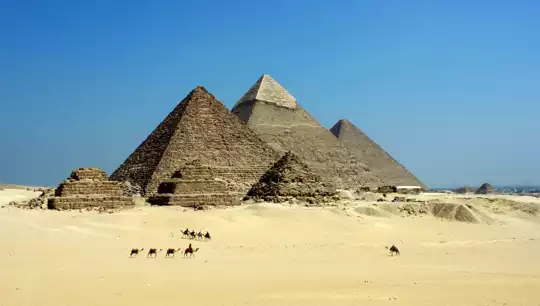
A classic, but worth it. About 1.5 hours from Banha, the Pyramids are a must-see. Entry is around 200 EGP, and you can spend hours marveling at these ancient wonders. Go early to beat the heat and the tour groups. Many overlook the nearby Sphinx—don’t be one of them.


El-Minya’s Ancient Tombs
For a deeper dive into Egypt’s past, head to El-Minya, roughly 2 hours away. The tombs of Beni Hasan are less crowded than Giza but equally fascinating. Expect to spend around 150 EGP for transport and entry. The best time to visit is during the cooler months. A rookie mistake? Not bringing water—this site is expansive and can be draining.


Fayoum Oasis
A bit farther at about 2.5 hours, Fayoum is a lush contrast to the desert. You can explore waterfalls, lakes, and ancient ruins for around 200 EGP total. Spring is ideal for blooming flora. Many miss the local cuisine—don’t skip trying the fresh fish dishes.


Each of these trips offers a unique slice of Egypt, making your stay in Banha not just a stopover, but a gateway to adventure.
Want to know what more Egypt offers?
The Egypt Travel Guide describes 116 highlights, from cities to national parks, from beaches to hikes

Get the Travel Guide -

🍲 FoodEating & Drinking in Banha

In Banha, the food scene is a vibrant tapestry of flavors. Dive into koshari, a hearty mix of rice, lentils, and pasta topped with spicy tomato sauce—it’s a local staple that fills you up without emptying your wallet. Don’t miss foul medames, a savory fava bean dish often enjoyed for breakfast, served with fresh bread and a drizzle of olive oil.

Street food stalls are your best bet for authentic bites. The bustling markets buzz with vendors selling everything from grilled kofta to sweet basbousa. Eating here is a communal experience; locals often share dishes, so don’t hesitate to join in.

When sipping tea, remember to take it slow. It’s not just a drink; it’s a social ritual. Enjoy the warmth of the moment, and you’ll feel the heart of Banha.

🛡️ SafetyStaying Safe: What Travelers Should Know

Banha is generally safe for travelers, but staying aware enhances your experience. Stick to well-lit areas at night, especially if you’re solo. The local market can be bustling, so keep an eye on your belongings; pickpockets occasionally lurk in crowds.

Watch for common scams, like overly friendly locals offering unsolicited help that leads to inflated prices. A firm but polite “no, thank you” usually suffices. Carry yourself confidently, and engage with locals when you feel comfortable; they can be genuinely welcoming.

Other Egyptian cities near Banha

Explore more nearby:

  • Zagazig—Canal-side streets, agricultural research, local markets, delta villages| 33 km away
  • Tanta—Sufi shrines, sweet factories, railway junction, festival grounds| 40 km away
  • Cairo—Pharaonic monuments, Islamic architecture, dense neighborhoods, sprawling bazaars| 47 km away

💡 Not sure where to go next?
Create a personalized itinerary for Egypt including Banha and the places that fit your trip.

Generate my itinerary

👉 Discover all cities

Or checkout all Egypt has to offer (think cities, towns, villages, national parks, hikes, beaches, festivals)
Country photo of Egypt

We 💚 feedbackParting advice and final tips

Banha has a raw, bustling energy that feels like the heart of Egypt. The best surprise? The local street food—grab a koshari from a vendor and savor the flavors. Just a heads up: the traffic can be chaotic, so keep your wits about you while exploring.

✍️ Help improve this page!
The information on this page is based on in-depth research, insights shared by experienced travelers, and feedback from the local travel community in Egypt. While every effort is made to keep the information accurate and current, conditions can change — so if you spot anything incorrect or outdated, please get in touch.


🙋‍♂️ Give feedback

👋 Meet the founderWho’s Behind Take Your Backpack?

Johan, backpacker and founder of TakeYourBackpackHi, I’m Johan (Netherlands 🇳🇱), the creator of TakeYourBackpack. Over the past decade, I’ve backpacked through 80+ countries across six continents, gaining extensive experience with independent travel, long-term trips, and overland routes.

This site is built on a combination of firsthand travel experience and carefully curated insights from other backpackers. Many guides are based on places I’ve personally visited, while others bring together tips, observations, and practical advice shared by trusted travelers I’ve met along the way.

The goal is to provide realistic, experience-driven guidance — not generic itineraries — so you can explore destinations with better context, clearer expectations, and more confidence.

Get full Egypt guide •
Instant download • 116 highlights • Full Offline guide