×

Egypt🇪🇬 | best citiesWhere to Find the 10 Best cities in Egypt

Egypt’s cities are a tapestry of ancient history and modern vibrancy, each offering a unique experience for backpackers and independent travelers. The major hubs like Cairo and Alexandria pulse with energy, showcasing rich cultural heritage, bustling markets, and a nightlife that never sleeps. In contrast, smaller urban centers such as Luxor and Aswan provide a more intimate glimpse into local life, where you can immerse yourself in the rhythms of everyday Egyptian culture.

Traveling through Egypt requires an understanding of regional nuances. For instance, summer can be scorching in the south, while winter brings milder temperatures in the north. Choosing the right city impacts your budget, as costs can vary significantly; Cairo may be more affordable for accommodations, while tourist-heavy areas can inflate prices. Safety and ease of travel also differ, with some cities offering better transport connections than others. Ultimately, your choice of city will shape your cultural immersion, so weigh your options carefully to maximize your Egyptian adventure.

By Johan Kruseman 🇳🇱 | Updated June 9, 2026
Explore the best towns in Egypt

Why go?What Makes Them Special

Egyptian cities are a mosaic of cultural diversity, shaped by millennia of history and the confluence of various civilizations. This rich tapestry sets Egypt apart from other countries, where urban experiences often lack such profound historical depth. The cities pulse with stories of ancient pharaohs, Islamic dynasties, and modern influences, creating a unique backdrop for exploration.

Geographically, Egypt’s cities are often situated along the Nile, which has historically served as a lifeline for trade and transportation. This river not only connects urban centers but also influences their climate and agricultural practices. However, the reliance on the Nile can lead to logistical challenges; travel times between cities can be lengthy, especially if one opts for deeper exploration rather … read more 👉
Egyptian cities are a mosaic of cultural diversity, shaped by millennia of history and the confluence of various civilizations. This rich tapestry sets Egypt apart from other countries, where urban experiences often lack such profound historical depth. The cities pulse with stories of ancient pharaohs, Islamic dynasties, and modern influences, creating a unique backdrop for exploration.

Geographically, Egypt’s cities are often situated along the Nile, which has historically served as a lifeline for trade and transportation. This river not only connects urban centers but also influences their climate and agricultural practices. However, the reliance on the Nile can lead to logistical challenges; travel times between cities can be lengthy, especially if one opts for deeper exploration rather than quick visits. This trade-off is crucial: a slower pace allows for richer experiences but requires more time.

The infrastructural landscape varies significantly. Major cities like Cairo and Alexandria boast extensive transport networks, yet navigating them can be daunting for newcomers. Public transport is often crowded and chaotic, which can detract from the immersive experience. Conversely, smaller towns may offer a more intimate glimpse into local life but lack the same level of accessibility.

Climate also plays a role in shaping urban experiences. The intense heat during summer months can limit exploration hours, pushing travelers to adapt their itineraries. Understanding these climatic constraints is essential for maximizing enjoyment.

In summary, Egypt’s cities are not just destinations; they are living histories that demand time and patience. The rewards are immense, but travelers must weigh the trade-offs of accessibility, depth of exploration, and climate to truly appreciate what these urban landscapes have to offer.
How the List Was Created
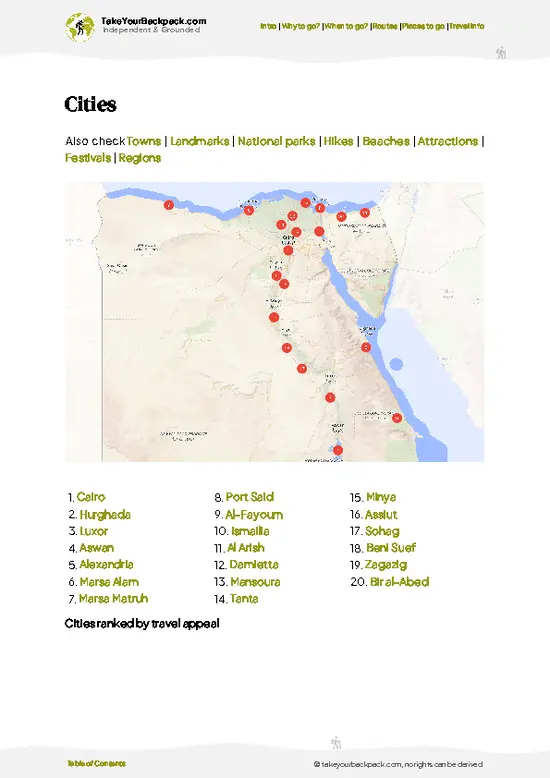
The list of best cities in Egypt is created based on culture, vibe, attractions, transport ease, and local charm. If you feel a city is missing in this list, please let us know.

When to go?When to Plan Your Trip

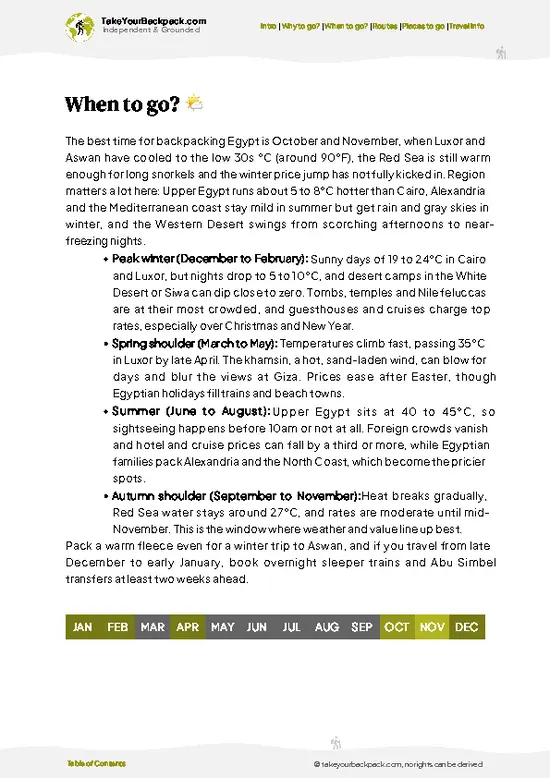
Seasonality in Egypt affects every aspect of travel, from weather to crowds. The country experiences extreme temperatures, especially in summer. Daytime highs can soar, making outdoor exploration uncomfortable. The best months for pleasant weather typically fall between late fall and early spring. During this time, temperatures are milder, allowing for more enjoyable sightseeing.

Peak tourist season aligns with the cooler months. Expect larger crowds and higher prices, particularly around major holidays and festivals. While the atmosphere is vibrant, navigating through throngs of tourists can be exhausting. If experiencing local culture is a priority, this is when many events occur, but be prepared for the hustle.

Shoulder seasons offer a different experience. Late spring and early fall … read more 👉
Seasonality in Egypt affects every aspect of travel, from weather to crowds. The country experiences extreme temperatures, especially in summer. Daytime highs can soar, making outdoor exploration uncomfortable. The best months for pleasant weather typically fall between late fall and early spring. During this time, temperatures are milder, allowing for more enjoyable sightseeing.

Peak tourist season aligns with the cooler months. Expect larger crowds and higher prices, particularly around major holidays and festivals. While the atmosphere is vibrant, navigating through throngs of tourists can be exhausting. If experiencing local culture is a priority, this is when many events occur, but be prepared for the hustle.

Shoulder seasons offer a different experience. Late spring and early fall can provide a balance. Crowds thin out, and prices drop, but the weather can be a gamble. Early fall may still be hot, while late spring can bring unexpected heat waves. Travelers should weigh the benefits of fewer tourists against the potential discomfort of high temperatures.

Winter months can be ideal for those seeking a quieter experience. However, be aware that some attractions may have reduced hours or limited access. The trade-off here is the chance to explore without the crowds, but with the risk of missing out on certain events or activities.

Overall, understanding the seasonal dynamics is crucial. It’s about finding the sweet spot between ideal weather, cultural experiences, and manageable crowds. Planning ahead can help preserve energy and budget for the moments that truly matter.

city hoppingOptimizing Your Multi-Stop Itinerary

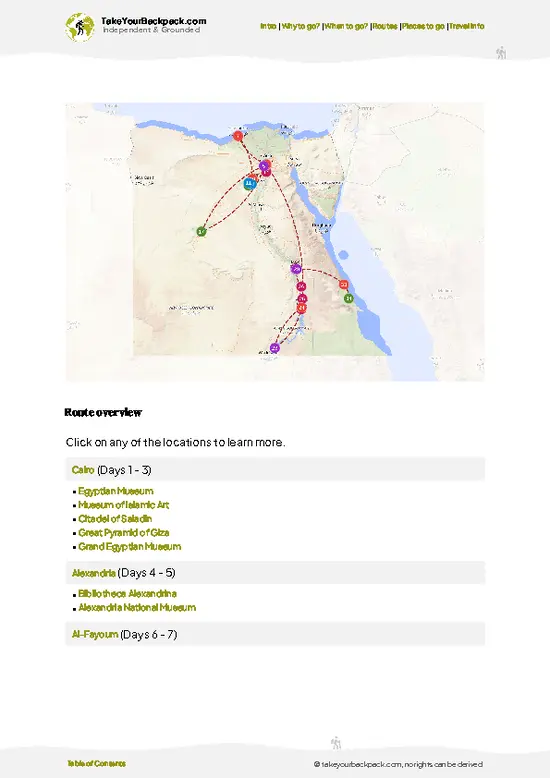
Egypt’s cities are a treasure trove, but combining them requires savvy planning. Start by clustering cities by region. Cairo, Giza, and Alexandria are close enough to tackle in one go. Then, head south to Luxor and Aswan. This routing minimizes travel time and maximizes exploration.

Consider the direction of travel. A north-to-south approach is logical. Begin in Cairo, where the Pyramids and the Egyptian Museum await. Allocate at least two full days here. Then, a quick train or bus ride to Luxor takes about 10 hours. Luxor deserves three days to soak in the Valley of the Kings and Karnak Temple. Aswan is just a few hours further, making it a natural next stop. Plan for two days here to visit the Philae Temple and take a felucca ride on the Nile.

Common pitfalls include trying to see too read more 👉
Egypt’s cities are a treasure trove, but combining them requires savvy planning. Start by clustering cities by region. Cairo, Giza, and Alexandria are close enough to tackle in one go. Then, head south to Luxor and Aswan. This routing minimizes travel time and maximizes exploration.

Consider the direction of travel. A north-to-south approach is logical. Begin in Cairo, where the Pyramids and the Egyptian Museum await. Allocate at least two full days here. Then, a quick train or bus ride to Luxor takes about 10 hours. Luxor deserves three days to soak in the Valley of the Kings and Karnak Temple. Aswan is just a few hours further, making it a natural next stop. Plan for two days here to visit the Philae Temple and take a felucca ride on the Nile.

Common pitfalls include trying to see too much too quickly. Rushing through cities leads to exhaustion and missed experiences. Each city has its own rhythm and charm, which requires time to appreciate. Budget constraints can also impact comfort. Opting for overnight buses might save money but can drain energy. Consider the trade-offs between speed and depth. Sometimes, spending an extra day in a city pays off in richer experiences.

Flexibility is key. Train schedules can change, and traffic in Cairo can be unpredictable. Build in buffer time for travel. Prioritize what truly matters to you—whether it’s historical sites, local cuisine, or cultural experiences. This strategic planning ensures that the journey through Egypt is not just about ticking boxes but about creating lasting memories.

The ListMust-Visit cities in Egypt

1 Cairo

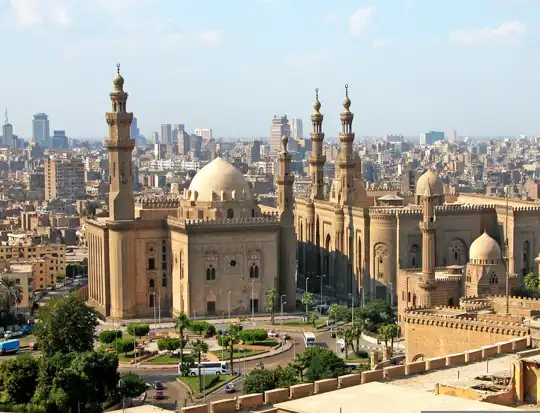
Pharaonic monuments, Islamic architecture, dense neighborhoods, sprawling bazaars

Navigate a city of contrasts, where ancient tombs and minarets rise above crowded streets and the pulse of daily life never slows.

Egypt - Cairo

2 Luxor

Temple complexes, Valley of the Kings, Nile-side villages, desert escarpments

Wander through monumental ruins and quiet riverside lanes, experiencing the stark divide between archaeological grandeur and rural calm.

3 Aswan

Nile islands, Nubian villages, granite quarries, riverside souks

Drift between palm-shaded islands and colorful communities, discovering a relaxed pace and distinct culture shaped by the river’s southern bend.

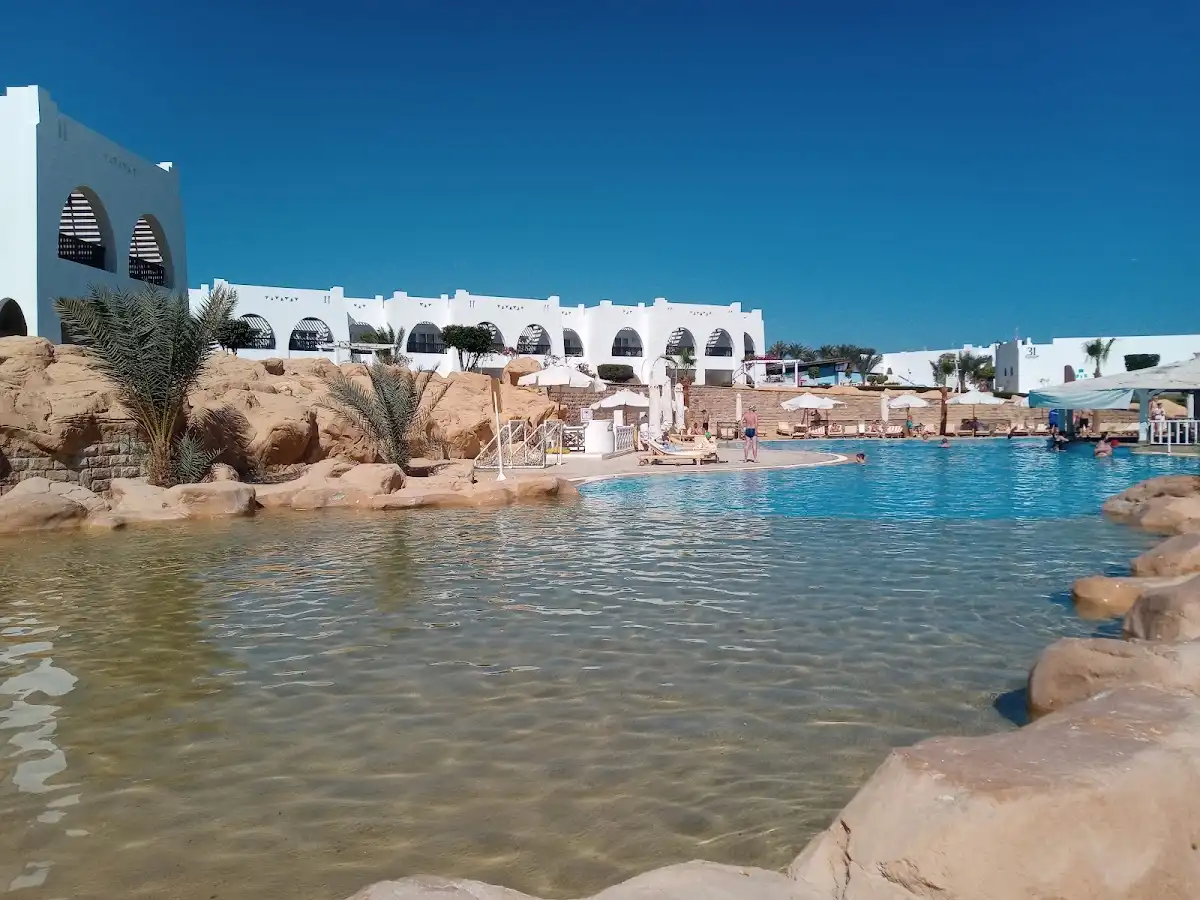
4 Marsa Alam

Coral coast, dive lodges, remote beaches

Swim with marine life, stay in low-key accommodations, and find quiet stretches of sand far from Egypt’s busier Red Sea towns.

egypt-city-marsa-alam
© Google |

5 Alexandria

Mediterranean shoreline, Greco-Roman sites, literary heritage, seafood markets

Trace the city’s layered past along breezy corniches, where ancient ruins and bookish cafés meet the rhythms of a working port.

6 Marsa Matruh

Mediterranean coves, white sand, summer crowds

Swim in turquoise bays, navigate busy seasonal streets, and use the town as a launch point for quieter stretches of the north coast.

7 Port Said

Suez Canal entrance, colonial facades, shipping lanes, waterfront promenades

Watch ships glide past historic buildings and lively docks, feeling the city’s unique blend of maritime bustle and faded grandeur.

8 Al-Fayoum

Desert lakes, waterwheels, ancient pyramids, rural villages

Discover a region of lakes and fields, where ancient engineering and rural life create a landscape distinct from the Nile Valley.

9 Suez

Canal port, industrial zones, Red Sea gateway, shipyards

Glance into Egypt’s maritime engine, where the canal’s global traffic meets a city defined by industry and the edge of the desert.

10 Al Arish

Sinai beaches, palm groves, Bedouin markets, Mediterranean breeze

Relax on sandy shores and explore a city where coastal life, Bedouin culture, and the Sinai’s open spaces converge.

11 Qena

Sugarcane fields, Dendera Temple, local crafts, Nile bridges

Cross into a city where agricultural landscapes meet ancient temples, offering a glimpse of Upper Egypt’s daily routines and traditions.

12 Minya

Limestone cliffs, rural markets, Middle Egypt tombs, riverside promenades

Experience a quieter Nile city framed by cliffs and fields, with archaeological sites and local life unfolding along the water’s edge.

13 Beni Suef

Canal networks, agricultural trade, pottery workshops, provincial squares

Observe the rhythms of a working city where commerce, craft, and farming intersect in a landscape shaped by irrigation and tradition.

14 Ismailia

Canal-side gardens, British-era villas, citrus groves, lakeside parks

Stroll through leafy neighborhoods and along the canal, where water, gardens, and old-world architecture create a distinct atmosphere.

15 Assiut

University town, river embankments, local bakeries, ancient necropolis

Engage with student life and traditional crafts in a city balancing academic energy, historic sites, and a strong sense of place.

16 Kafr El Sheikh

Delta farmland, Nile canals, local markets

Experience rural Egypt through its agricultural rhythms, canal-side villages, and a town center shaped by daily commerce and tradition.

17 Sohag

Monastic sites, Nile-side villages, Coptic heritage, agricultural plains

Visit a city where religious history and rural landscapes shape a quieter experience along the river’s less-traveled stretches.

18 Damietta

Delta waterways, furniture workshops, fishing ports, sweet shops

Sample local sweets and watch river life unfold in a city known for its crafts, bustling docks, and delta scenery.

egypt-city-damietta
© Google |

19 Bir al-Abed

North Sinai, Bedouin settlements, coastal road

Travel along the Mediterranean coast, encounter Bedouin communities, and experience a quieter side of the Sinai Peninsula.

20 Mansoura

University district, Nile corniche, medical centers, urban gardens

Experience a lively city where student culture, riverside walks, and a reputation for healthcare draw visitors from across the region.

21 Tanta

Sufi shrines, sweet factories, railway junction, festival grounds

Join crowds at religious festivals or sample local confections in a city where spiritual traditions and commerce go hand in hand.

22 El-Mahalla El-Kubra

Textile mills, industrial districts, local football, working-class cafés

See Egypt’s industrial heart at work, where factories, football, and daily routines define the city’s character and pace.

23 Zagazig

Canal-side streets, agricultural research, local markets, delta villages

Explore a delta city shaped by farming and education, with a network of waterways threading through neighborhoods and fields.

24 Banha

Railway hub, fruit orchards, delta crossroads, local eateries

Pause in a transport town surrounded by orchards, where the delta’s produce and a steady flow of travelers shape daily life.

Think you know Egypt?

Prove you’re a true local — uncover 14 lesser-known cities in Egypt that locals tend to keep to themselves.
Loading the map 🌍

Expert viewTips and Advice from Travelers

Transport Hubs
Egypt’s transport network is a mixed bag. Major cities are generally well-connected by trains and buses, but the quality varies. Trains can be a scenic way to travel, but they often run late and can be crowded. Buses are usually cheaper and more frequent, but they can be a gamble in terms of comfort and reliability. If you’re short on time, consider domestic flights for longer distances. They can save you hours, but be prepared for potential delays and the hassle of airport security.

When planning your route, think about how much time you want to spend in transit versus exploring. If you try to hit too many cities in a short span, you’ll end up exhausted and missing the essence of each place. Aim for three to four cities if you want to dive deeper into local culture, but … read more 👉
Transport Hubs
Egypt’s transport network is a mixed bag. Major cities are generally well-connected by trains and buses, but the quality varies. Trains can be a scenic way to travel, but they often run late and can be crowded. Buses are usually cheaper and more frequent, but they can be a gamble in terms of comfort and reliability. If you’re short on time, consider domestic flights for longer distances. They can save you hours, but be prepared for potential delays and the hassle of airport security.

When planning your route, think about how much time you want to spend in transit versus exploring. If you try to hit too many cities in a short span, you’ll end up exhausted and missing the essence of each place. Aim for three to four cities if you want to dive deeper into local culture, but be ready to spend at least a week to make it worthwhile.

Urban Pacing
Egyptian cities pulse with energy, but that rhythm can be overwhelming. The pace of life varies significantly from one city to another. In bustling urban centers, you’ll find a frenetic atmosphere that can be both exhilarating and exhausting. If you’re not acclimated to the chaos, it can drain your energy quickly.

Take the time to adjust your pace. Spend a few days in one city before moving on. This allows you to soak in the local vibe, sample street food, and engage with residents. Rushing through cities might seem efficient, but you’ll miss the nuances that make each place unique.

Local Costs
Budgeting in Egypt can be tricky. While some experiences are incredibly affordable, others can sneak up on you. Street food is cheap and delicious, but sit-down meals can vary widely in price. Entry fees for historical sites can add up, especially if you’re visiting multiple attractions in a single day.

Be mindful of hidden costs, like transportation within cities. Taxis and ride-sharing apps are convenient but can quickly inflate your budget if you’re not careful. Always negotiate fares or use apps that provide upfront pricing.

Consider setting aside a daily budget for unexpected expenses. This will help you avoid the stress of constantly calculating costs and allow you to enjoy spontaneous experiences.

Exploring More Cities vs. Deeper Immersion
The trade-off between visiting more cities quickly versus immersing yourself in fewer places is significant. If you’re the type who thrives on variety, you might be tempted to hop from one city to another. However, this approach can lead to superficial experiences. You’ll see the highlights but miss the heart of each locale.

On the flip side, spending more time in fewer cities allows for deeper connections. You can explore local markets, attend cultural events, and even make friends. This immersion often leads to the most memorable moments.

Think about what you want from your trip. If it’s a whirlwind adventure, plan for a fast-paced itinerary. But if you’re after meaningful experiences, slow down. Choose two or three cities and dedicate enough time to really get to know them.

Safety & Cultural Considerations
Safety is paramount in Egypt, and understanding local customs can make your experience smoother. While most travelers have no issues, it’s wise to stay aware of your surroundings. Dress modestly, especially in rural areas, to respect local culture.

Public spaces can be crowded, and pickpocketing is a risk. Keep your belongings secure and be cautious in busy areas. Learning a few basic Arabic phrases can go a long way in building rapport with locals and enhancing your experience.

Cultural norms can vary widely between cities. In more conservative areas, be prepared for different social expectations. Engaging respectfully with local customs not only enriches your experience but also fosters goodwill.

Planning & Prioritizing Cities
When planning your itinerary, prioritize cities based on your interests. If history fascinates you, focus on areas rich in archaeological sites. If you’re drawn to vibrant street life, seek out urban centers known for their markets and nightlife.

Consider the time of year as well. Some cities can be sweltering in summer, while others might be more pleasant. Flexibility is key; if you find a city that captivates you, don’t hesitate to extend your stay.

Ultimately, the best approach is to balance your desire for exploration with the need for rest. Egypt is a land of contrasts, and taking the time to appreciate its depth will reward you in ways that a rushed itinerary never could.

✈️ The backpacker research shortcutEgypt Travel Guide

An offline-friendly backpacking guide with optimized travel routes, ranked highlights, transport advice, and the best areas to stay.
example page 0 from our offline Travel Guide for Egyptexample page 1 from our offline Travel Guide for Egyptexample page 2 from our offline Travel Guide for Egyptexample page 3 from our offline Travel Guide for Egyptexample page 4 from our offline Travel Guide for Egyptexample page 5 from our offline Travel Guide for Egyptexample page 6 from our offline Travel Guide for Egyptexample page 7 from our offline Travel Guide for Egypt
The digital guide (438 pages) contains:
116 highlights, ranked by travel appeal
Optimized 7, 14 & 21-day travel routes
Cities, national parks, landmarks, beaches
How to get around
Offline-friendly for travel without Wi-Fi
👉 Click to see all 30+ guide features

📅 Plan smarter in minutes, not weeks
Month by month travel advice
Festivals & national holidays
Budget expectations

🗺️ Go to the right places, skip the overrated ones
Honest pros & cons of destinations
Top hikes, parks & viewpoints
Lesser-known places most travelers miss
Clear “worth it vs skip it” guidance

🛏️ Travel smoothly without rookie mistakes
Best areas to stay
Transport systems explained simply
Common scams & safety advice
SIM cards, money & practical tips

🌍 Understand the country, not just visit it
Culture & traditions
52 Essential phrases & customs
Festivals worth planning around
Traveler-friendly historical context
Insights that make places more meaningful

📱 Built for real travel conditions
Fully downloadable PDF
Works completely offline
Optimized for phone use
Useful in remote areas & buses
Everything in one place
Save weeks of stressful planning
Get instant access to your full guide. 30‑day money-back guarantee.


By proceeding you agree to our terms.
Sent to your inbox immediately after payment • 100% Secure Checkout
Best Backpacking Travel Advisor 2025 tourism awardBest Backpacking
Travel Advisor
2025
What others say about Take Your Backpack Guides:
⭐⭐⭐⭐⭐
Fantastic, amazing amount of information!
⭐⭐⭐⭐⭐
My goodness this is amazing, it's what I've been looking for hats off too you!
⭐⭐⭐⭐⭐
I think this is absolutely BRILLIANT
⭐⭐⭐⭐
Very complete and informative. It's still missing places, but I gotta to commend you
⭐⭐⭐⭐⭐
This is truly amazing, thank you, can't wait to explore it with my kids!
⭐⭐⭐⭐⭐
Awesome resource, thank you!
⭐⭐⭐⭐⭐
This is amazing! Can't wait to explore the ones I haven't seen
⭐⭐⭐⭐
I love this! Well done, great idea.
⭐⭐⭐⭐⭐
Thanks for taking the time to make this gem!
⭐⭐⭐⭐⭐
This might be the best website I've ever seen.
⭐⭐⭐⭐⭐
Congratulations, and thank you so much for your work; it's incredibly valuable.
⭐⭐⭐⭐
In all seriousness I think you did a great job pointing out the important spots
⭐⭐⭐⭐⭐
10/10 very good
⭐⭐⭐⭐⭐
As someone who's only just starting to visit regularly this is awesome, thank you.
⭐⭐⭐⭐
Thank you very much! I'm going to visit my dad, it's going to be very useful!
⭐⭐⭐⭐⭐
This is really cool! We'll be travelling for the first time and this definitely come in handy.
⭐⭐⭐⭐⭐
You are now our minister of culture, congratulations 👨‍💼
⭐⭐⭐⭐⭐
Just wanted to tell you that this is a pearl! Going to follow your recommendations.
⭐⭐⭐⭐⭐
This is so cool. I'll definitely be using the resource for my travels soon.
⭐⭐⭐⭐⭐
This is very impressive! Good work.
⭐⭐⭐⭐⭐
This is an amazing and informative site. Very well done!

🛏️ Where to stay?Top Areas to Stay

Hostels and budget accommodation are widely available across Egypt, concentrated in Cairo (Downtown, Islamic Quarter, Zamalek, Maadi), Nile/temple towns like Luxor and Aswan (Corniche and temple zones), Red Sea resorts (Hurghada, Sharm El Sheikh) and Sinai beach towns (Dahab, Nuweiba), while Alexandria has fewer true hostels but budget hotels along the Corniche.
Cairo: Downtown and the Islamic Quarter put you close to museums and markets but are noisy with higher petty‑theft risk; Zamalek and Maadi are quieter and safer but pricier and farther from ancient sites.
Luxor/Aswan: stay on the Corniche/East Bank for temple access and nightlife or take cheaper, basic guesthouses on the West Bank … read more 👉
Hostels and budget accommodation are widely available across Egypt, concentrated in Cairo (Downtown, Islamic Quarter, Zamalek, Maadi), Nile/temple towns like Luxor and Aswan (Corniche and temple zones), Red Sea resorts (Hurghada, Sharm El Sheikh) and Sinai beach towns (Dahab, Nuweiba), while Alexandria has fewer true hostels but budget hotels along the Corniche.
Cairo: Downtown and the Islamic Quarter put you close to museums and markets but are noisy with higher petty‑theft risk; Zamalek and Maadi are quieter and safer but pricier and farther from ancient sites.
Luxor/Aswan: stay on the Corniche/East Bank for temple access and nightlife or take cheaper, basic guesthouses on the West Bank for proximity to tombs; Red Sea and Sinai towns offer cheap dive‑hostels and lively tourist strips in Hurghada/Sharm or relaxed, budget backpacker vibes in Dahab/Nuweiba but expect rustic facilities and seasonal services.

If you enjoy meeting fellow travelers, consider choosing hostels with high ratings for atmosphere. On the other hand, if you prefer having your own space, a hotel might be a better option.

EgyptDiscover the Country

👋 Meet the founderWho’s Behind Take Your Backpack?

Johan, backpacker and founder of TakeYourBackpackHi, I’m Johan (Netherlands 🇳🇱), the creator of TakeYourBackpack. Over the past decade, I’ve backpacked through 80+ countries across six continents, gaining extensive experience with independent travel, long-term trips, and overland routes.

This site is built on a combination of firsthand travel experience and carefully curated insights from other backpackers. Many guides are based on places I’ve personally visited, while others bring together tips, observations, and practical advice shared by trusted travelers I’ve met along the way.

The goal is to provide realistic, experience-driven guidance — not generic itineraries — so you can explore destinations with better context, clearer expectations, and more confidence.

Get full Egypt guide •
Instant download • 116 highlights • Full Offline guide