v2.webp)
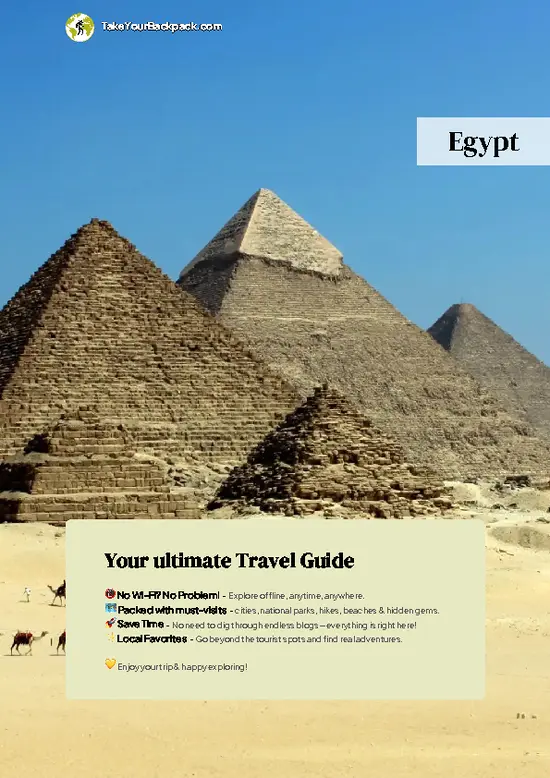
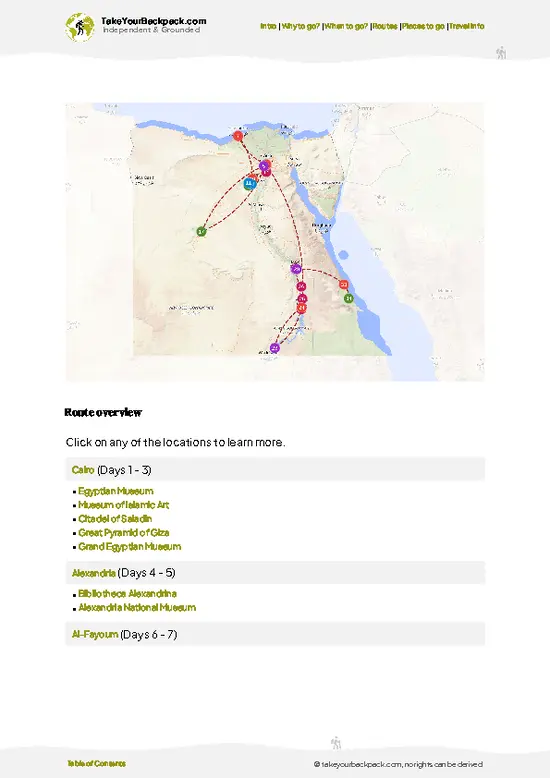
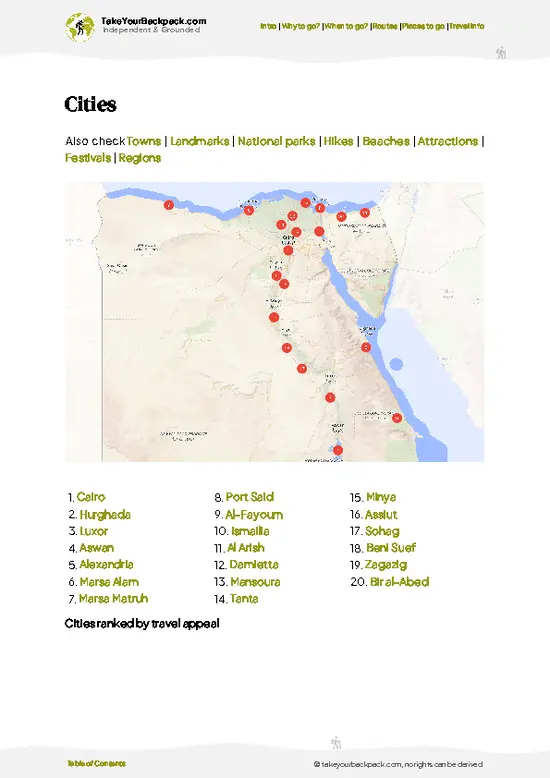
- Wadi El Hitan (Valley of the Whales) — A UNESCO site with spectacular fossilized whale skeletons exposed in the desert; feels like a natural history museum on open ground and nowhere else in the world will you see ancient whales sitting in sand dunes. Great for paleontology buffs, photographers, and anyone who likes the odd wonder of deep time made visible.
- Wadi El Rayan Protected Area & Waterfalls — Two freshwater lakes linked by Egypt’s famous waterfalls, framed by big sand dunes and quiet desert circulation; perfect for sunset dunes, simple camping, and seeing how a real oasis system works. The mix of lakes, dunes and occasional wild gazelles is uniquely Fayoumi.
- Lake Qarun (Birket Qarun) — A large saline lake ringed by fishing villages where you can watch local fishermen, catch dramatic
- Wadi El Hitan (Valley of the Whales) — A UNESCO site with spectacular fossilized whale skeletons exposed in the desert; feels like a natural history museum on open ground and nowhere else in the world will you see ancient whales sitting in sand dunes. Great for paleontology buffs, photographers, and anyone who likes the odd wonder of deep time made visible.
- Wadi El Rayan Protected Area & Waterfalls — Two freshwater lakes linked by Egypt’s famous waterfalls, framed by big sand dunes and quiet desert circulation; perfect for sunset dunes, simple camping, and seeing how a real oasis system works. The mix of lakes, dunes and occasional wild gazelles is uniquely Fayoumi.
- Lake Qarun (Birket Qarun) — A large saline lake ringed by fishing villages where you can watch local fishermen, catch dramatic sunsets, and go serious birdwatching (flamingos and migratory species in season). The shore communities and the lake’s flat, otherworldly landscapes feel distinct from Nile-side Egypt.
- Qasr Qarun (The Roman/Ptolemaic ruins on Lake Qarun) — Low, crumbling stone and mudbrick remains of a settlement and fortress beside the lake; not a polished tourist ruin but a terrific place to wander, imagine rural life in Roman Egypt, and see fishermen hauling nets nearby. A proper local-spot vibe—one of the quieter historical places in the region.
- Tuna el-Gebel (necropolis of Hermopolis) — A compact, atmospheric necropolis with rock-cut tombs, the famous tomb of Petosiris, and rows of animal mummies and falcon shrines. The carvings and painted fragments are intimate and oddly modern-feeling; it’s a hands-on archaeology stop that most mass-tour groups skip.
- Kom Oshim / Karanis (Greco-Roman ruins) — A sprawling mound of Greco-Roman streets, broken columns and countryside ruins—think less polished museum and more “archaeology you can touch.” It’s a genuine slice of rural provincial life from classical times and a quiet place to explore without daily crowds. (Hidden gem)
- Pyramid of Lahun (Kahun) and Workers’ Settlement — The Middle Kingdom pyramid of Senusret II and the adjacent mudbrick workers’ village remains give rare insight into pyramid construction logistics and daily life rather than grand tomb displays. If you want archaeology that explains how people lived, this is the place.
- Hawara Pyramid & the “Labyrinth” ruins — Ruins of another Middle Kingdom pyramid complex long associated with classical writers’ tales of a labyrinth; the site’s low, mysterious blocks and nearby cemetery remains are atmospheric and historically rich without the crush of bigger pyramids. Good for people who like archaeology with a dash of myth.
- Tunis Village (pottery hill and artists’ quarter) — A photogenic mudbrick village perched above the plain with small pottery studios, cafes, carved doorways and sweeping views of Lake Qarun. It’s one of Fayoum’s best local experiences: watch potters at work, buy ceramics, and stroll lanes that feel genuinely local rather than staged. (Locals’ favorite)
- Local village markets, date/olive farms and homestay experiences — Not a single monument but an experience you won’t replicate elsewhere: visiting family-run farms, tasting freshly pressed olive oil or dates, and joining a village market morning in places around Fayoum. The slow, agricultural rhythm and real hospitality are quietly special—and easily arranged through local guesthouses. (Hidden gem)
Spotted a mistake or missing something? Contact us.

Full-Day Fayoum Oasis and Waterfalls of Wadi El-Rayan Tour from Cairo

Private Tour Fayoum Oasis & WATERFALLS & Sandboarding with LUNCH

Fayoum Oasis Adventure 4WD Desert Safari with Traditional Lunch

Ultimate Fayoum Desert VIP Adventure Bedouin Feast

Fayoum Oasis Safari 4×4 Wadi El Rayan & Valley of the whales

Private Day Tour To El Fayoum From Cairo

Private tour El Fayoum Oasis and Waterfall &lunch &Atv& 4*4 car

Private Valley of whales, Fayoum Oasis, Waterfalls from Cairo

2 Days Private Fayoum and Alexandria Tour from Cairo


 Best Backpacking
.jpg) Hi, I’m Johan (Netherlands 🇳🇱), the creator of TakeYourBackpack. Over the past 3 decades, I’ve backpacked through 90+ countries across six continents, gaining extensive experience with independent travel, long-term trips, and overland routes.
Hi, I’m Johan (Netherlands 🇳🇱), the creator of TakeYourBackpack. Over the past 3 decades, I’ve backpacked through 90+ countries across six continents, gaining extensive experience with independent travel, long-term trips, and overland routes.