×

Egypt🇪🇬 | attractionsLuxor Templenight illumination, sphinx avenue, pharaoh reliefs | things to do and best time to go

Explore Karnak Temple ComplexExplore Valley of the Kings

Backpacking in Luxor Temple
🌟 Highlightattraction ranked #5
By Johan Kruseman 🇳🇱 | Updated June 2, 2026

Here’s what nobody tells you: Luxor Temple is open at night, and that’s when it’s at its most surreal—floodlit columns, cool air, and a fraction of the daytime crowds. Forget the Instagram feeds packed with empty courtyards at sunrise; the reality is midday bus tours and selfie sticks galore. Luxor Temple sits right in the heart of Luxor city, on the east bank of the Nile, so you’re never far from a falafel stand or a honking minibus. As a backpacker, you’ll feel the pinch—entry fees are higher than you’d expect, and hawkers are relentless, but the payoff is real. The scale is jaw-dropping, especially when you realize pharaohs and conquerors literally left their marks on these stones. It’s less serene than Karnak, but more electric—alive with local life and the chaos of the city. If you want ancient Egypt with a pulse, not a postcard, Luxor Temple delivers.

Discover everything you want to know in the 📖 Egypt Travel Guide.


Get your Egypt guide
116 ranked highlights, routes & tips, works offline (438 pages)
Loading the map 🌍
CLICK TO FILTER
cities
towns
landmarks
national parks
hikes
beaches
attractions
festivals
regions
SHOW COUNTRY’S BESTSHOW ALL

✨ Why go?
Ranked #5 attraction in Egypt
Why Luxor Temple should be on your travel list

Luxor Temple is not just another stop on Egypt’s tourist conveyor belt—it’s a raw, unfiltered dive into the heart of ancient power. Yes, it’s crowded. Yes, it’s often swarmed with tour groups and selfie sticks. But here’s the kicker: this place isn’t about Instagram-perfect shots; it’s about standing where pharaohs once commanded gods and armies. The sheer scale of the temple, with its towering columns and intricate hieroglyphs, hits you with a punch of history that no guidebook hype can match.

Backpackers grind through the heat and crowds because Luxor Temple is a milestone—a tangible connection to Egypt’s layered past, from the New Kingdom’s zenith to Roman tweaks. It’s a cultural heavyweight that demands time, not just a quick photo op. The adrenaline comes from peeling back those layers, … read more 👉
Luxor Temple is not just another stop on Egypt’s tourist conveyor belt—it’s a raw, unfiltered dive into the heart of ancient power. Yes, it’s crowded. Yes, it’s often swarmed with tour groups and selfie sticks. But here’s the kicker: this place isn’t about Instagram-perfect shots; it’s about standing where pharaohs once commanded gods and armies. The sheer scale of the temple, with its towering columns and intricate hieroglyphs, hits you with a punch of history that no guidebook hype can match.

Backpackers grind through the heat and crowds because Luxor Temple is a milestone—a tangible connection to Egypt’s layered past, from the New Kingdom’s zenith to Roman tweaks. It’s a cultural heavyweight that demands time, not just a quick photo op. The adrenaline comes from peeling back those layers, imagining the rituals, the politics, the human stories carved in stone. The effort-to-reward ratio is high: a few hours here can redefine your entire understanding of ancient civilization.

If you’re routing through Egypt, skipping Luxor Temple is like passing on the Mona Lisa in Paris. It’s not just a place; it’s a checkpoint in your journey through time, a raw pulse of history that no polished postcard can replicate.
Want to include Luxor Temple in your Egypt route?
Create a personalized Egypt itinerary that includes Luxor Temple and the places that fit your trip — based on your travel style, budget, and available time. Get your route in seconds.

Generate my trip

💡 HighlightsPlaces and moments you shouldn't skip

The Avenue of Sphinxes
Forget the Instagram shots of empty walkways—this is a gauntlet of 1,350 ram-headed sphinxes stretching for nearly two miles, connecting Luxor Temple to Karnak. Yes, you’ll dodge tour groups and selfie sticks, but the sheer scale is a gut-punch reminder: ancient Egyptians built for eternity, not for your feed. Walk it at dusk, when the heat drops and the stone glows. You’ll feel the weight of centuries under your boots, not just the pressure to get the perfect shot.


The Colonnade of Amenhotep III
This isn’t just a row of columns; it’s a stone forest, each pillar thick enough to swallow a bus, carved with scenes of pharaohs and gods. Stand in the middle and look up—those hieroglyphs aren’t just decoration, they’re propaganda, history, and cosmic order, all chiseled into … read more 👉
The Avenue of Sphinxes
Forget the Instagram shots of empty walkways—this is a gauntlet of 1,350 ram-headed sphinxes stretching for nearly two miles, connecting Luxor Temple to Karnak. Yes, you’ll dodge tour groups and selfie sticks, but the sheer scale is a gut-punch reminder: ancient Egyptians built for eternity, not for your feed. Walk it at dusk, when the heat drops and the stone glows. You’ll feel the weight of centuries under your boots, not just the pressure to get the perfect shot.


The Colonnade of Amenhotep III
This isn’t just a row of columns; it’s a stone forest, each pillar thick enough to swallow a bus, carved with scenes of pharaohs and gods. Stand in the middle and look up—those hieroglyphs aren’t just decoration, they’re propaganda, history, and cosmic order, all chiseled into place 3,400 years ago. The columns dwarf you, and that’s the point: you’re meant to feel small, awed, and a little bit lost. It’s theatrical, and it works.


The Court of Ramses II
Ramses II didn’t do subtle. His statues line the entrance, each one a 25-foot-tall flex of royal ego. The court is open to the sky, ringed with columns and colossal figures. It’s crowded, yes, but the energy is infectious—kids dart between the legs of ancient kings, guides shout over each other, and somewhere, a local cat is napping in the shade of a god’s foot. This is living history, not a museum diorama.


The Mosque of Abu Haggag
Here’s the plot twist: right in the middle of the temple, a working mosque rises above the ruins. Built on the ancient stones, it’s a living symbol of Egypt’s layered history—Pharaonic, Christian, Islamic, all stacked together. You’ll hear the call to prayer echo off the sandstone, mixing with the chatter of tourists and the click of cameras. It’s messy, real, and absolutely unique.


Nighttime Illumination
Daytime is for the crowds. Night is for the magic. When the sun drops, the temple is lit from below, shadows stretching across the columns, carvings flickering to life. The crowds thin out, the air cools, and the place feels less like a tourist attraction and more like a stage set for ancient rituals. You’ll see details you missed in the glare of noon, and if you’re lucky, you’ll catch a breeze off the Nile. It’s not private—nothing here is—but it’s as close as you’ll get to time travel.


Reliefs of the Opet Festival
Don’t just breeze past the carvings—these walls are a storyboard for one of Egypt’s wildest parties. The Opet Festival was a multi-day, city-wide celebration, and the reliefs show everything: priests hauling statues, musicians, dancers, even the sacred boats. It’s not just dry history; it’s a snapshot of ancient joy, chaos, and spectacle. If you want to understand why Luxor Temple mattered, start here.
Spotted a mistake or missing something? Contact us.

Things to do around Luxor Temple

Ratings based on Tripadvisor reviews. When you book through this link, you support our work at no extra cost to you.

🌤️ When to go?Weather, crowds, and seasonal trade-offs


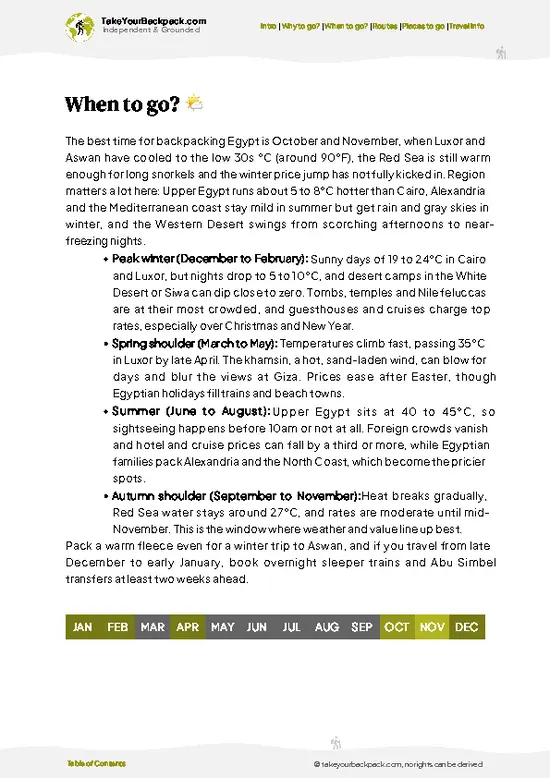
  • Weather: Luxor’s desert climate means scorching summers and mild winters. From May to September, temperatures routinely hit 38-43°C (100-110°F), making midday exploration brutal. The cooler months, from November to February, offer a more bearable 20-25°C (68-77°F), perfect for wandering without melting.

  • Temperature: Nights can be surprisingly chilly in winter, dropping to around 10°C (50°F), so pack layers. Spring and autumn shoulder seasons (March-April, October) balance warmth and comfort, hovering around 25-30°C (77-86°F).

  • Daylight Hours: Luxor enjoys long days year-round, but summer days stretch up to 14 hours, which can be exhausting under the sun. Winter days are shorter, about 10-11 hours, but cooler temperatures make the shorter daylight more manageable.

  • Crowds: Peak tourist
read more 👉

  • Weather: Luxor’s desert climate means scorching summers and mild winters. From May to September, temperatures routinely hit 38-43°C (100-110°F), making midday exploration brutal. The cooler months, from November to February, offer a more bearable 20-25°C (68-77°F), perfect for wandering without melting.

  • Temperature: Nights can be surprisingly chilly in winter, dropping to around 10°C (50°F), so pack layers. Spring and autumn shoulder seasons (March-April, October) balance warmth and comfort, hovering around 25-30°C (77-86°F).

  • Daylight Hours: Luxor enjoys long days year-round, but summer days stretch up to 14 hours, which can be exhausting under the sun. Winter days are shorter, about 10-11 hours, but cooler temperatures make the shorter daylight more manageable.

  • Crowds: Peak tourist season aligns with the cooler months (December to February), so expect busloads of tour groups and higher prices. Shoulder seasons see fewer crowds, especially early mornings or late afternoons, when the temple feels more like a secret than a spectacle.

  • Seasonal Activities: The Luxor Festival in February adds cultural depth but also crowds. Avoid major Egyptian holidays when local tourism spikes, jacking up prices and crowd density.

  • Price Fluctuations: Entry fees and local services spike during peak season and festivals. Visiting in shoulder months can save you a chunk of cash and hassle, without sacrificing the experience.


Pro-tip: Aim for late October to early December or late February to March—cooler temps, manageable crowds, and better prices make these windows the sweet spot for backpackers who want to savor Luxor Temple without the sweat and stampede.


source: climatestotravel.comJANJanuary: highly recommended for travelingFEBFebruary: good for travelingMARMarch: highly recommended for travelingAPRApril: highly recommended for travelingMAYMay: fair for travelingJUNJune: below average for travelingJULJuly: below average for travelingAUGAugust: below average for travelingSEPSeptember: fair for travelingOCTOctober: highly recommended for travelingNOVNovember: highly recommended for travelingDECDecember: highly recommended for traveling
when-to-go

✈️ The backpacker research shortcutEgypt Travel Guide

An offline-friendly backpacking guide with optimized travel routes, ranked highlights, transport advice, and the best areas to stay.
example page 0 from our offline Travel Guide for Egyptexample page 1 from our offline Travel Guide for Egyptexample page 2 from our offline Travel Guide for Egyptexample page 3 from our offline Travel Guide for Egyptexample page 4 from our offline Travel Guide for Egyptexample page 5 from our offline Travel Guide for Egyptexample page 6 from our offline Travel Guide for Egyptexample page 7 from our offline Travel Guide for Egypt
The digital guide (438 pages) contains:
116 highlights, ranked by travel appeal
Optimized 7, 14 & 21-day travel routes
Cities, national parks, landmarks, beaches
How to get around
Offline-friendly for travel without Wi-Fi
👉 Click to see all 30+ guide features

📅 Plan smarter in minutes, not weeks
Month by month travel advice
Festivals & national holidays
Budget expectations

🗺️ Go to the right places, skip the overrated ones
Honest pros & cons of destinations
Top hikes, parks & viewpoints
Lesser-known places most travelers miss
Clear “worth it vs skip it” guidance

🛏️ Travel smoothly without rookie mistakes
Best areas to stay
Transport systems explained simply
Common scams & safety advice
SIM cards, money & practical tips

🌍 Understand the country, not just visit it
Culture & traditions
52 Essential phrases & customs
Festivals worth planning around
Traveler-friendly historical context
Insights that make places more meaningful

📱 Built for real travel conditions
Fully downloadable PDF
Works completely offline
Optimized for phone use
Useful in remote areas & buses
Everything in one place
Save weeks of stressful planning
Get instant access to your full guide. 30‑day money-back guarantee.


By proceeding you agree to our terms.
Sent to your inbox immediately after payment • 100% Secure Checkout
Best Backpacking Travel Advisor 2025 tourism awardBest Backpacking
Travel Advisor
2025
What others say about Take Your Backpack Guides:
⭐⭐⭐⭐⭐
Fantastic, amazing amount of information!
⭐⭐⭐⭐⭐
My goodness this is amazing, it's what I've been looking for hats off too you!
⭐⭐⭐⭐⭐
I think this is absolutely BRILLIANT
⭐⭐⭐⭐
Very complete and informative. It's still missing places, but I gotta to commend you
⭐⭐⭐⭐⭐
This is truly amazing, thank you, can't wait to explore it with my kids!
⭐⭐⭐⭐⭐
Awesome resource, thank you!
⭐⭐⭐⭐⭐
This is amazing! Can't wait to explore the ones I haven't seen
⭐⭐⭐⭐
I love this! Well done, great idea.
⭐⭐⭐⭐⭐
Thanks for taking the time to make this gem!
⭐⭐⭐⭐⭐
This might be the best website I've ever seen.
⭐⭐⭐⭐⭐
Congratulations, and thank you so much for your work; it's incredibly valuable.
⭐⭐⭐⭐
In all seriousness I think you did a great job pointing out the important spots
⭐⭐⭐⭐⭐
10/10 very good
⭐⭐⭐⭐⭐
As someone who's only just starting to visit regularly this is awesome, thank you.
⭐⭐⭐⭐
Thank you very much! I'm going to visit my dad, it's going to be very useful!
⭐⭐⭐⭐⭐
This is really cool! We'll be travelling for the first time and this definitely come in handy.
⭐⭐⭐⭐⭐
You are now our minister of culture, congratulations 👨‍💼
⭐⭐⭐⭐⭐
Just wanted to tell you that this is a pearl! Going to follow your recommendations.
⭐⭐⭐⭐⭐
This is so cool. I'll definitely be using the resource for my travels soon.
⭐⭐⭐⭐⭐
This is very impressive! Good work.
⭐⭐⭐⭐⭐
This is an amazing and informative site. Very well done!

🛏️ Where to stay?How to pick the right area

Luxor Temple is one of those places that looks like a postcard but can quickly turn into a sweaty, crowded slog if you just show up expecting magic. The reality? It’s packed with tour groups, vendors, and the relentless Egyptian sun. But here’s the kicker: the real magic isn’t just inside the temple walls—it’s in where you land your backpack afterward.

If you want to be close enough to hit the temple at dawn or dusk when the light actually does justice to those sandstone columns, stay in the East Bank’s city center. This area is the heartbeat of Luxor’s backpacker scene. It’s safe, buzzing with … read more 👉
Luxor Temple is one of those places that looks like a postcard but can quickly turn into a sweaty, crowded slog if you just show up expecting magic. The reality? It’s packed with tour groups, vendors, and the relentless Egyptian sun. But here’s the kicker: the real magic isn’t just inside the temple walls—it’s in where you land your backpack afterward.

If you want to be close enough to hit the temple at dawn or dusk when the light actually does justice to those sandstone columns, stay in the East Bank’s city center. This area is the heartbeat of Luxor’s backpacker scene. It’s safe, buzzing with fellow travelers, and loaded with budget-friendly cafés and street food stalls where you can swap stories over cheap falafel and mint tea. The vibe here is social without being overwhelming, perfect for solo travelers who want to connect without losing their independence.

Avoid the West Bank for your base—it’s quieter and more residential, but you’ll spend extra time and money crossing the river every day. Plus, the East Bank’s proximity means you can walk to the temple, saving cash and dodging the tourist buses.

Bottom line: the East Bank city center is your launchpad. It’s where the crowds thin out after sunset, the local life kicks in, and you get to experience Luxor beyond the temple’s Instagram glow. That’s the real deal.

👛 Costs (as of 29 January 2026)Money, prices, and spending tips

The entrance ticket to Luxor Temple typically costs around USD10 for foreign tourists. Additional costs may include fees for guided tours, which can range from USD15 to USD30 depending on the guide and group size. Night visits may have a slightly higher ticket price. Photography permits, if required, can add a few extra dollars.
⚠️ Prices can change and everyone travels differently, so take this as a rough guide. Hope it helps you plan your adventure!

Other Egyptian attractions near Luxor Temple

Explore more nearby:


💡 Not sure where to go next?
Create a personalized itinerary for Egypt including Luxor Temple and the places that fit your trip.

Generate my itinerary

👉 Discover all attractions

Or checkout all Egypt has to offer (think cities, towns, villages, national parks, hikes, beaches, festivals)
Country photo of Egypt

We 💚 feedbackParting advice and final tips

Luxor Temple isn’t some quiet, untouched relic—expect crowds, especially as the sun dips and the light show kicks in. But here’s the kicker: once the day-trippers fade, the temple’s atmosphere shifts. The carvings feel alive, the history presses close, and you get a real sense of the ancient pulse beneath your feet. Skip the midday rush, linger after dark, and you’ll find the magic isn’t in perfect solitude—it’s in the raw, gritty connection to a civilization that still speaks through stone.

✍️ Help improve this page!
The information on this page is based on in-depth research, insights shared by experienced travelers, and feedback from the local travel community in Egypt. While every effort is made to keep the information accurate and current, conditions can change — so if you spot anything incorrect or outdated, please get in touch.


🙋‍♂️ Give feedback

👋 Meet the founderWho’s Behind Take Your Backpack?

Johan, backpacker and founder of TakeYourBackpackHi, I’m Johan (Netherlands 🇳🇱), the creator of TakeYourBackpack. Over the past decade, I’ve backpacked through 80+ countries across six continents, gaining extensive experience with independent travel, long-term trips, and overland routes.

This site is built on a combination of firsthand travel experience and carefully curated insights from other backpackers. Many guides are based on places I’ve personally visited, while others bring together tips, observations, and practical advice shared by trusted travelers I’ve met along the way.

The goal is to provide realistic, experience-driven guidance — not generic itineraries — so you can explore destinations with better context, clearer expectations, and more confidence.

Get full Egypt guide •
Instant download • 116 highlights • Full Offline guide