×

Egypt🇪🇬 | festivalsMoulid of Al-DessoukiDelta town, spiritual healing, local markets | things to do and best time to go

Explore Moulid of Al-Sayyid Al-BadawiExplore Moulid of Al-Sayyida Nafisa

Backpacking in Moulid of Al-Dessouki
👀 For curious travelersfestival ranked #12
By Johan Kruseman 🇳🇱 | Updated October 15, 2026

Here’s the trick most travelers miss: at the Moulid of Al-Dessouki, you can slip into the heart of Egyptian hospitality without the tourist markup or the staged smiles—if you know how to move with the crowd. This festival unfolds in the city of Desouk, tucked into the Nile Delta north of Cairo, where the Nile’s humidity clings to your skin and the air thrums with Sufi chants and hypnotic drumming. The Moulid celebrates Sidi Ibrahim al-Dessouki, drawing pilgrims, families, and the odd backpacker into a swirl of devotion, street food, and all-night music. It’s chaotic, loud, and deeply communal—less a spectacle for outsiders, more a living ritual. Go for the raw energy, stay for the stories you’ll earn by simply showing up.

Discover everything you want to know in the 📖 Egypt Travel Guide.


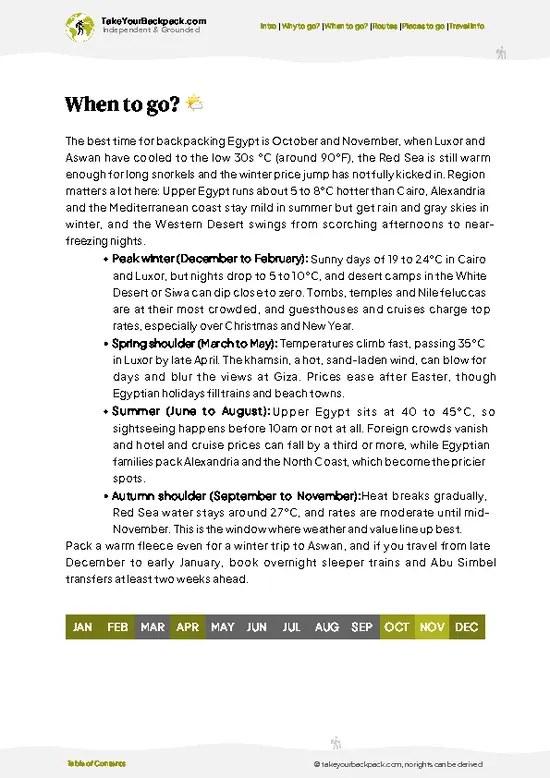
example page 0 from our offline Travel Guide for Egypt
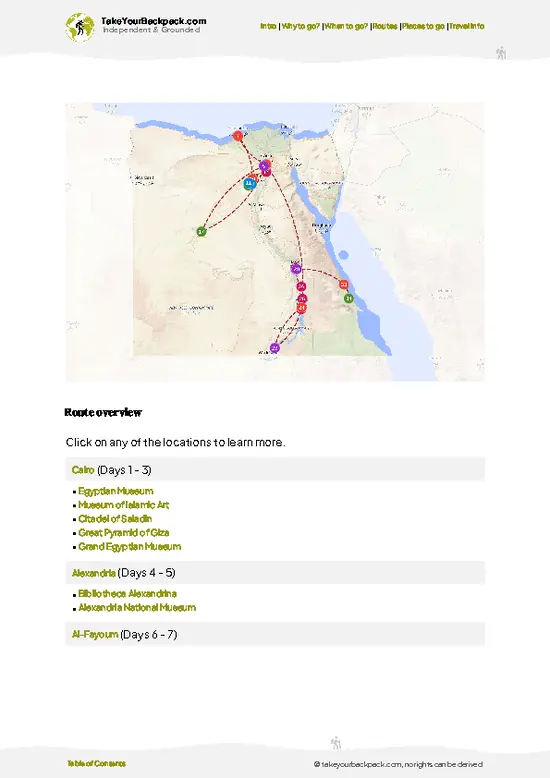
example page 1 from our offline Travel Guide for Egypt
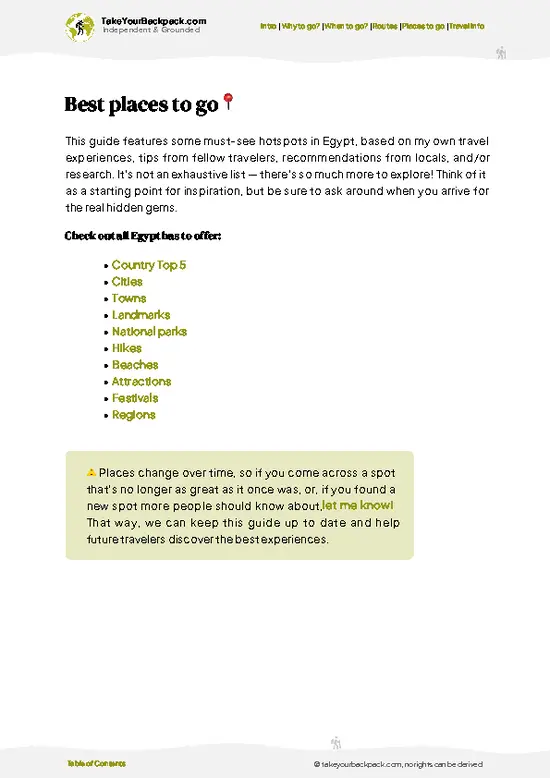
example page 2 from our offline Travel Guide for Egypt
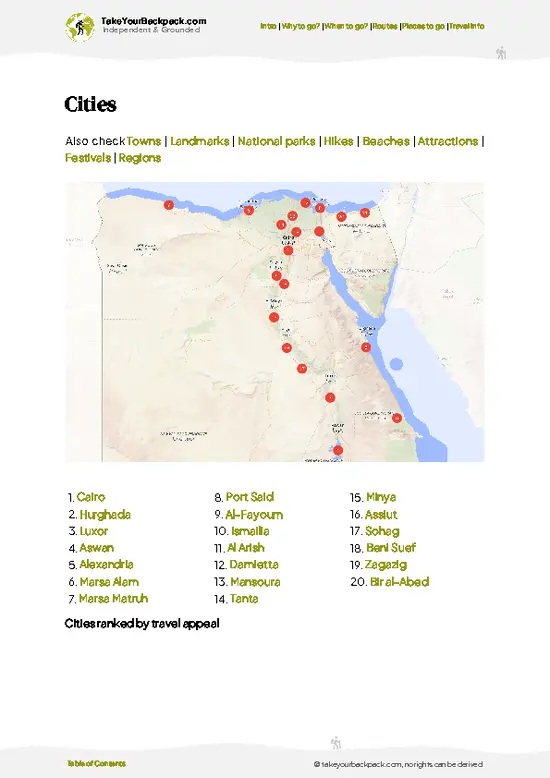
example page 3 from our offline Travel Guide for Egypt
example page 4 from our offline Travel Guide for Egypt
example page 5 from our offline Travel Guide for Egypt
example page 6 from our offline Travel Guide for Egypt
example page 7 from our offline Travel Guide for Egypt
Loading the map 🌍
CLICK TO FILTER
cities
towns
landmarks
national parks
hikes
beaches
attractions
festivals
regions
SHOW COUNTRY’S BESTSHOW ALL

✨ Why go?
Ranked #12 festival in Egypt
What sets this place apart

Backpackers plan their routes around the Moulid of Al-Dessouki for a reason. This festival is a magnet for social energy, drawing people into a vibrant, temporary community. You’ll find yourself immersed in local traditions, tasting street food that’s both delicious and affordable. Compared to other global festivals, this one won’t break the bank, allowing you to save for those epic experiences later in your journey.

The festival’s timing fits perfectly into longer travel plans, making it a strategic stop. You’ll not only witness the celebration but also connect with fellow travelers and locals alike, creating memories that fuel your adventure. Embrace the chaos and let the festival energize your entire trip!

💡 HighlightsKey sights and experiences for travelers

  • The Pilgrimage to the Saint’s Shrine — Crowds gather to visit Al-Dessouki’s tomb: people bring offerings, touch the carved wood and embroidered textiles, and queue for blessings. It’s the spiritual heart of the moulid, where private devotion and public ritual mix in a very tangible way.
  • Collective Dhikr and Devotional Singing — Long, hypnotic rounds of dhikr, madih and chanting fold the crowd into one voice. The repetition, call-and-response singing and sudden crescendos create an intense, trance-like atmosphere you feel in your chest more than hear.
  • Colorful Processions and Mounted Parades — Expect lively street processions with decorated horses (and sometimes camels), banners, and musicians. They cut through the crowd, spark spontaneous dancing, and give the festival a bright, cinematic
… read more 👉
  • The Pilgrimage to the Saint’s Shrine — Crowds gather to visit Al-Dessouki’s tomb: people bring offerings, touch the carved wood and embroidered textiles, and queue for blessings. It’s the spiritual heart of the moulid, where private devotion and public ritual mix in a very tangible way.
  • Collective Dhikr and Devotional Singing — Long, hypnotic rounds of dhikr, madih and chanting fold the crowd into one voice. The repetition, call-and-response singing and sudden crescendos create an intense, trance-like atmosphere you feel in your chest more than hear.
  • Colorful Processions and Mounted Parades — Expect lively street processions with decorated horses (and sometimes camels), banners, and musicians. They cut through the crowd, spark spontaneous dancing, and give the festival a bright, cinematic energy that’s half-religion, half-carnival.
  • Traditional Music, Percussion and Spontaneous Dance — Small ensembles with frame drums, reed pipes and stringed instruments set the tempo for everything: slow hymns, ecstatic uptempo numbers, and improvisational breaks that invite onlookers to join in. It’s raw, live, and bracingly immediate.
  • Street Food, Crafts and Night Market Vibe — Around the shrine the scene turns into a bustling souk: street food stalls pouring out sweet and savory smells, sellers hawking amulets, fabrics and toys, and kids running between lights and fireworks. The mix of devotional seriousness and everyday fun is what gives this moulid its special character.
Spotted a mistake or missing something? Contact us.

Things to do near Moulid of Al-Dessouki

Ratings based on Tripadvisor reviews. When you book through this link, you support our work at no extra cost to you.

🌤️ When to go?When is the celebration of Moulid of Al-Dessouki?

  • Topic: Weather and Temperature - The festival usually falls in late autumn or early winter, when Egypt cools down from its scorching summer highs. Expect daytime temps around 20-25°C (68-77°F), perfect for long days on foot without overheating. Nights can dip to 10-15°C (50-59°F), so pack layers.
  • Topic: Daylight Hours - With roughly 10-11 hours of daylight, you get enough time to soak in the festival’s energy and explore the surrounding areas without rushing. The sun sets early enough to enjoy cooler evenings but late enough to keep the vibe alive.
  • Topic: Crowds - The Moulid draws mostly local pilgrims, so it’s busy but not tourist-packed. Visiting during the festival means embracing the buzz without the tourist crush, but avoid the very first and last days if you want a bit more breathing room.
… read more 👉
  • Topic: Weather and Temperature - The festival usually falls in late autumn or early winter, when Egypt cools down from its scorching summer highs. Expect daytime temps around 20-25°C (68-77°F), perfect for long days on foot without overheating. Nights can dip to 10-15°C (50-59°F), so pack layers.
  • Topic: Daylight Hours - With roughly 10-11 hours of daylight, you get enough time to soak in the festival’s energy and explore the surrounding areas without rushing. The sun sets early enough to enjoy cooler evenings but late enough to keep the vibe alive.
  • Topic: Crowds - The Moulid draws mostly local pilgrims, so it’s busy but not tourist-packed. Visiting during the festival means embracing the buzz without the tourist crush, but avoid the very first and last days if you want a bit more breathing room.
  • Topic: Seasonal Activities - This period aligns with harvest season in Upper Egypt, so local markets brim with fresh produce and crafts. It’s a bonus layer of cultural immersion beyond the festival itself.
  • Topic: Price Fluctuations - Accommodation and transport costs spike slightly during the festival but remain reasonable compared to peak tourist seasons. Booking early locks in better rates and spares you last-minute stress.
Pro-tip: Time your visit to hit the festival mid-way through its run—this balances crowd size, weather comfort, and local activity, letting you dive deep without burning out.


source: climatestotravel.comJANJanuary: not recommended for travelingFEBFebruary: not recommended for travelingMARMarch: not recommended for travelingAPRApril: not recommended for travelingMAYMay: not recommended for travelingJUNJune: not recommended for travelingJULJuly: not recommended for travelingAUGAugust: not recommended for travelingSEPSeptember: not recommended for travelingOCTOctober: excellent for travelingNOVNovember: not recommended for travelingDECDecember: not recommended for traveling

✈️ The backpacker research shortcutEgypt Travel Guide

An offline-friendly backpacking guide with optimized travel routes, ranked highlights, transport advice, and the best areas to stay.
example page 0 from our offline Travel Guide for Egypt
example page 1 from our offline Travel Guide for Egypt
example page 2 from our offline Travel Guide for Egypt
example page 3 from our offline Travel Guide for Egypt
example page 4 from our offline Travel Guide for Egypt
example page 5 from our offline Travel Guide for Egypt
example page 6 from our offline Travel Guide for Egypt
example page 7 from our offline Travel Guide for Egypt
The digital guide (389 pages) contains:
✅ 100 highlights, ranked by travel appeal
✅ Optimized 7, 14 & 21-day travel routes
✅ Cities, national parks, landmarks, beaches
✅ How to get around
✅ Offline-friendly for travel without Wi-Fi
👉 Click to see all 30+ guide features

📅 Plan smarter in minutes, not weeks
✅ Month by month travel advice
✅ Festivals & national holidays
✅ Budget expectations

🗺️ Go to the right places, skip the overrated ones
✅ Honest pros & cons of destinations
✅ Top hikes, parks & viewpoints
✅ Lesser-known places most travelers miss
✅ Clear “worth it vs skip it” guidance

🛏️ Travel smoothly without rookie mistakes
✅ Best areas to stay
✅ Transport systems explained simply
✅ Common scams & safety advice
✅ SIM cards, money & practical tips

🌍 Understand the country, not just visit it
✅ Culture & traditions
✅ 52 Essential phrases & customs
✅ Festivals worth planning around
✅ Traveler-friendly historical context
✅ Insights that make places more meaningful

📱 Built for real travel conditions
✅ Fully downloadable PDF
✅ Works completely offline
✅ Optimized for phone use
✅ Useful in remote areas & buses
✅ Everything in one place
Stop searching, start planning
Get instant access to your full guide. 30‑day money-back guarantee.
+ Add another guide for just

By proceeding you agree to our terms.
Sent to your inbox immediately after payment • 100% Secure Checkout
Best Backpacking Travel Advisor 2025 tourism awardBest Backpacking
Travel Advisor
2025
What others say about Take Your Backpack Guides:
⭐⭐⭐⭐⭐
Fantastic, amazing amount of information!
⭐⭐⭐⭐⭐
My goodness this is amazing, it's what I've been looking for hats off too you!
⭐⭐⭐⭐⭐
I think this is absolutely BRILLIANT
⭐⭐⭐⭐
Very complete and informative. It's still missing places, but I gotta to commend you
⭐⭐⭐⭐⭐
This is truly amazing, thank you, can't wait to explore it with my kids!
⭐⭐⭐⭐⭐
Awesome resource, thank you!
⭐⭐⭐⭐⭐
This is amazing! Can't wait to explore the ones I haven't seen
⭐⭐⭐⭐
I love this! Well done, great idea.
⭐⭐⭐⭐⭐
Thanks for taking the time to make this gem!
⭐⭐⭐⭐⭐
This might be the best website I've ever seen.
⭐⭐⭐⭐⭐
Congratulations, and thank you so much for your work; it's incredibly valuable.
⭐⭐⭐⭐
In all seriousness I think you did a great job pointing out the important spots
⭐⭐⭐⭐⭐
10/10 very good
⭐⭐⭐⭐⭐
As someone who's only just starting to visit regularly this is awesome, thank you.
⭐⭐⭐⭐
Thank you very much! I'm going to visit my dad, it's going to be very useful!
⭐⭐⭐⭐⭐
This is really cool! We'll be travelling for the first time and this definitely come in handy.
⭐⭐⭐⭐⭐
You are now our minister of culture, congratulations 👨‍💼
⭐⭐⭐⭐⭐
Just wanted to tell you that this is a pearl! Going to follow your recommendations.
⭐⭐⭐⭐⭐
This is so cool. I'll definitely be using the resource for my travels soon.
⭐⭐⭐⭐⭐
This is very impressive! Good work.
⭐⭐⭐⭐⭐
This is an amazing and informative site. Very well done!

🛏️ Where to stay?Best areas to stay in Egypt

When you’re gearing up for the Moulid of Al-Dessouki, head straight for the heart of the action in the bustling streets of Damietta. This area pulses with energy, especially during the festival. You’ll find a mix of local guesthouses and budget-friendly lodgings that cater to backpackers and solo travelers.

Stay close to the main square; it’s a hive of activity, with food stalls and vibrant street performances. The atmosphere is electric, and you’ll easily connect with fellow travelers.

Another solid option is the riverside neighborhoods. They offer a more laid-back vibe, perfect for unwinding … read more 👉
When you’re gearing up for the Moulid of Al-Dessouki, head straight for the heart of the action in the bustling streets of Damietta. This area pulses with energy, especially during the festival. You’ll find a mix of local guesthouses and budget-friendly lodgings that cater to backpackers and solo travelers.

Stay close to the main square; it’s a hive of activity, with food stalls and vibrant street performances. The atmosphere is electric, and you’ll easily connect with fellow travelers.

Another solid option is the riverside neighborhoods. They offer a more laid-back vibe, perfect for unwinding after a day of festivities. Just keep an eye out for places with good reviews on safety and social interaction.

Avoid the tourist traps that pop up during the festival; they’ll drain your budget and energy. Stick to the local spots, and you’ll soak up the true spirit of the celebration.

👛 Costs (as of 15 October 2026)How expensive it really is

The Moulid of Al-Dessouki in Egypt is a vibrant celebration, but navigating the costs can be tricky. Here’s a breakdown to keep your budget in check and your energy focused on the festivities.
  • Festival Tickets: Entry to the festival is generally free, but some special events or performances may charge a small fee, typically around €5 to €15 ($5 to $16). Keep an eye out for any exclusive shows that might be worth the splurge.
  • Accommodation: Options range from budget hostels to mid-range hotels. Expect to pay between €10 to €30 ($11 to $32) per night for a hostel or basic hotel. For a more comfortable stay, look at €40 to €70 ($43 to $75) for nicer accommodations. Book early to avoid inflated prices.
  • Local Transport: Getting around can be affordable. Public transport like buses or microbuses costs
… read more 👉
The Moulid of Al-Dessouki in Egypt is a vibrant celebration, but navigating the costs can be tricky. Here’s a breakdown to keep your budget in check and your energy focused on the festivities.
  • Festival Tickets: Entry to the festival is generally free, but some special events or performances may charge a small fee, typically around €5 to €15 ($5 to $16). Keep an eye out for any exclusive shows that might be worth the splurge.
  • Accommodation: Options range from budget hostels to mid-range hotels. Expect to pay between €10 to €30 ($11 to $32) per night for a hostel or basic hotel. For a more comfortable stay, look at €40 to €70 ($43 to $75) for nicer accommodations. Book early to avoid inflated prices.
  • Local Transport: Getting around can be affordable. Public transport like buses or microbuses costs about €0.50 to €2 ($0.55 to $2.20) per ride. If you prefer taxis, budget around €5 to €10 ($5.50 to $11) for short trips. Always negotiate fares beforehand to avoid surprises.
  • Food & Drinks: Street food is a highlight. You can grab a meal for as little as €2 to €5 ($2.20 to $5.50). Dining at local restaurants will set you back about €5 to €15 ($5.50 to $16). Don’t forget to try the local sweets; they’re often inexpensive and delicious.
  • Miscellaneous Expenses: Budget for souvenirs, tips, and unexpected costs. Set aside around €10 to €20 ($11 to $22) for these extras. It’s always good to have a little cushion for spontaneous experiences.

Stay sharp and plan ahead. This way, you’ll keep your focus on the celebration, not the costs.


source: egymonuments.gov.eg
⚠️ Prices can change and everyone travels differently, so take this as a rough guide. Hope it helps you plan your adventure!

🍲 FoodWhat to Eat & Drink

At the Moulid of Al-Dessouki, the air buzzes with the aroma of spiced meats and sweet pastries. Dive into koshari, a hearty mix of rice, lentils, and pasta topped with a zesty tomato sauce. Don’t miss the sweets—try basbousa, a semolina cake drenched in syrup, or konafa, a crispy, syrup-soaked delight that’s a festival favorite.

Stalls overflow with fresh juices—think sugarcane and pomegranate—that quench your thirst and energize your spirit. As you navigate the crowd, remember that sharing is part of the experience; locals often invite you to taste their dishes.

Cash is king here; many vendors don’t accept cards, so stock up on small bills. Serving sizes can be generous, so pace yourself. Embrace the chaos, savor the flavors, and let the festival sweep you into its vibrant heart.

FAQTraveler FAQ

Moulid of Al-Dessouki takes place annually on the 13th day of the Islamic month of Safar, which varies each year in the Gregorian calendar but generally falls around October or November. The festival lasts for about three days.
Attending Moulid of Al-Dessouki is free of charge. Costs may arise from travel, accommodation, and food, but there is no entrance fee to the festival itself.
No, you do not need tickets in advance to attend Moulid of Al-Dessouki. The event is open to the public and entry is unrestricted.
⚠️ Things can change over time, so always validate details locally before you go.

Other Egyptian festivals near Moulid of Al-Dessouki

Explore more nearby:


💡 Not sure where to go next?
Create a personalized itinerary for Egypt including Moulid of Al-Dessouki and the places that fit your trip.

Generate my itinerary

👉 Discover all festivals

Or checkout all Egypt has to offer (think cities, towns, villages, national parks, hikes, beaches, festivals)
Country photo of Egypt

We 💚 feedbackWhat to keep in mind

The Moulid of Al-Dessouki is electric. You’ll feel the pulse of the crowd, the scent of spices, and the rhythm of drums. But watch your wallet; those tempting street snacks add up fast. The best surprise? The warmth of the locals. They’ll pull you into their celebrations. Embrace it, and you’ll leave with stories that linger long after.

✍️ Help improve this page!
The information on this page is based on in-depth research, insights shared by experienced travelers, and feedback from the local travel community in Egypt. While every effort is made to keep the information accurate and current, conditions can change — so if you spot anything incorrect or outdated, please get in touch.


🙋‍♂️ Give feedback

👋 Meet the founderWho’s Behind Take Your Backpack?

Johan, backpacker and founder of TakeYourBackpackHi, I’m Johan (Netherlands 🇳🇱), the creator of TakeYourBackpack. Over the past 3 decades, I’ve backpacked through 90+ countries across six continents, gaining extensive experience with independent travel, long-term trips, and overland routes.

This site is built on a combination of firsthand travel experience and carefully curated insights from other backpackers. Many guides are based on places I’ve personally visited, while others bring together tips, observations, and practical advice shared by trusted travelers I’ve met along the way.

The goal is to provide realistic, experience-driven guidance — not generic itineraries — so you can explore destinations with better context, clearer expectations, and more confidence.