×

Egypt🇪🇬 | attractionsMuseum of Islamic Artceramics, metalwork, Qur’anic manuscripts | things to do and best time to go

Explore Coptic MuseumExplore Alexandria National Museum

Backpacking in Museum of Islamic Art
👌 Worth visitingattraction ranked #15
By Johan Kruseman 🇳🇱 | Updated October 15, 2026

A guard’s sandal scuffs the marble as you lean in, nose-to-glass, tracing the gold filigree on a centuries-old Qur’an. The air is cool, almost dusty, and the silence is so complete you can hear your own breath echoing off the domed ceiling. This isn’t the Cairo of honking horns and hustling touts—it’s a pocket of stillness, tucked just south of the Citadel in the heart of Islamic Cairo.

Let’s cut through the Instagram haze: the Islamic Art Museum isn’t flashy, and you won’t find crowds jostling for selfies. That’s the win. It’s affordable, rarely packed, and delivers a punch of history that most backpackers skip in favor of pyramids or bazaars. The wow-factor here is cerebral, not adrenaline—think intricate tiles, weapons, and manuscripts that tell the story of empires. It’s not the easiest to reach if you’re staying downtown, and the neighborhood is gritty, but the payoff is a raw, unfiltered look at Egypt’s soul—no filter, no hype, just the real deal.

Discover everything you want to know in the 📖 Egypt Travel Guide.


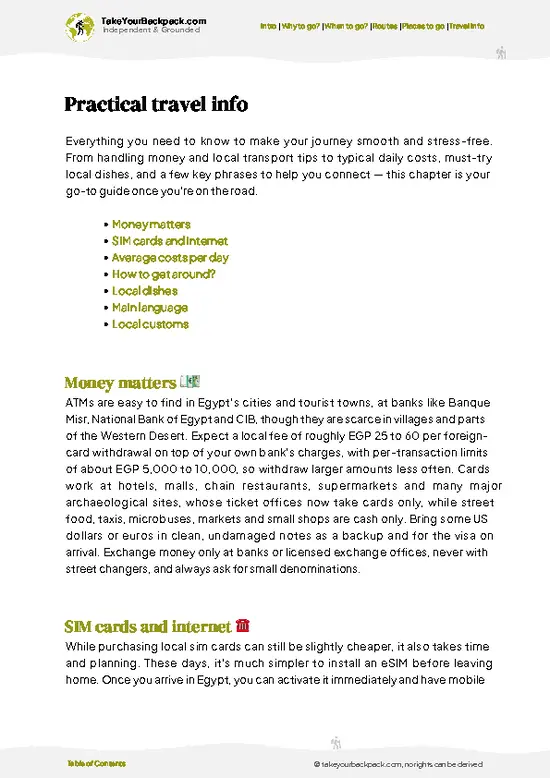
example page 0 from our offline Travel Guide for Egypt
example page 1 from our offline Travel Guide for Egypt
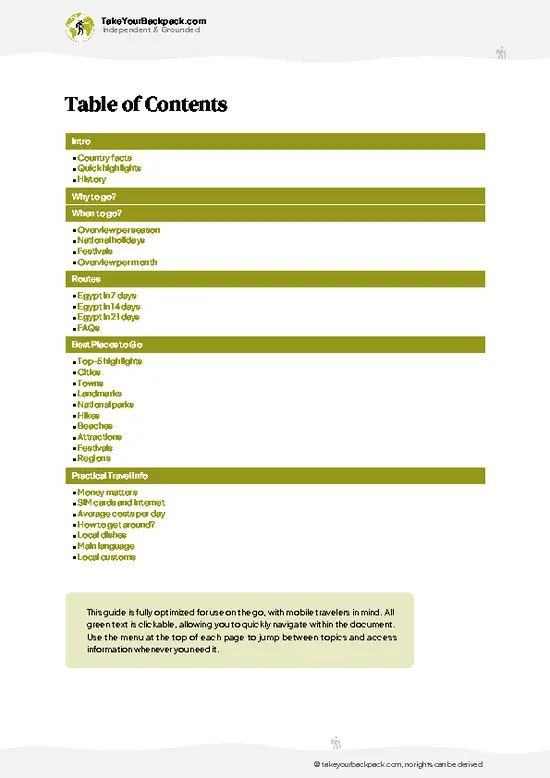
example page 2 from our offline Travel Guide for Egypt
example page 3 from our offline Travel Guide for Egypt
example page 4 from our offline Travel Guide for Egypt
example page 5 from our offline Travel Guide for Egypt
example page 6 from our offline Travel Guide for Egypt
example page 7 from our offline Travel Guide for Egypt
Loading the map 🌍
CLICK TO FILTER
cities
towns
landmarks
national parks
hikes
beaches
attractions
festivals
regions
SHOW COUNTRY’S BESTSHOW ALL

✨ Why go?
Ranked #15 attraction in Egypt
Reasons people choose to visit here

The Museum of Islamic Art isn’t just another stop on the tourist checklist—it’s a heavyweight in the world of cultural landmarks. Yes, it can get crowded, especially during peak season, and the entrance fee isn’t exactly pocket change for a backpacker. But here’s the kicker: this place packs a punch that’s hard to find anywhere else. It’s not just about the artifacts; it’s about the story they tell. You’re walking through centuries of Islamic history, from intricate calligraphy to stunning ceramics and textiles that reveal the craftsmanship and daily life of civilizations that shaped the Middle East and beyond.

This museum is a milestone on any Egypt route because it offers a break from the usual pharaohs-and-pyramids narrative. It’s a deep dive into a rich, often overlooked chapter of history … read more 👉
The Museum of Islamic Art isn’t just another stop on the tourist checklist—it’s a heavyweight in the world of cultural landmarks. Yes, it can get crowded, especially during peak season, and the entrance fee isn’t exactly pocket change for a backpacker. But here’s the kicker: this place packs a punch that’s hard to find anywhere else. It’s not just about the artifacts; it’s about the story they tell. You’re walking through centuries of Islamic history, from intricate calligraphy to stunning ceramics and textiles that reveal the craftsmanship and daily life of civilizations that shaped the Middle East and beyond.

This museum is a milestone on any Egypt route because it offers a break from the usual pharaohs-and-pyramids narrative. It’s a deep dive into a rich, often overlooked chapter of history that’s still alive in the culture around you. The effort to navigate the crowds and the cost pays off with a genuine connection to the art and ideas that influenced everything from architecture to science. For backpackers craving substance over spectacle, this museum delivers a rare, authentic hit of intellectual adrenaline that’s worth every minute spent inside.

💡 HighlightsTop highlights of Museum of Islamic Art

The Fatimid Rock Crystal Ewers
Forget the glass cases you breeze past in most museums. These ewers are the kind of objects that make you stop dead in your tracks. Carved from single blocks of rock crystal over 1,000 years ago, they’re so technically audacious that even modern gem-cutters would sweat. The ewers survived centuries of palace intrigue, Crusader looting, and the Nile’s humidity. They’re not just pretty—they’re a flex of medieval engineering and Fatimid swagger. If you want to see what “luxury” meant before Instagram, this is it.


The Mamluk Metalwork Hall
This is where the museum ditches the polite, “please observe quietly” vibe and just shows off. The Mamluks didn’t do subtle. Their inlaid brass basins, candlesticks, and Qur’an stands are all about maximalism—silver, gold, and … read more 👉
The Fatimid Rock Crystal Ewers
Forget the glass cases you breeze past in most museums. These ewers are the kind of objects that make you stop dead in your tracks. Carved from single blocks of rock crystal over 1,000 years ago, they’re so technically audacious that even modern gem-cutters would sweat. The ewers survived centuries of palace intrigue, Crusader looting, and the Nile’s humidity. They’re not just pretty—they’re a flex of medieval engineering and Fatimid swagger. If you want to see what “luxury” meant before Instagram, this is it.


The Mamluk Metalwork Hall
This is where the museum ditches the polite, “please observe quietly” vibe and just shows off. The Mamluks didn’t do subtle. Their inlaid brass basins, candlesticks, and Qur’an stands are all about maximalism—silver, gold, and copper hammered into geometric and calligraphic patterns so dense you’ll lose track of time tracing them. These aren’t just relics; they’re the original bling, made for sultans who wanted their dinnerware to outshine their rivals. The craftsmanship is so sharp you’ll wonder if modern luxury brands are even trying.


The Monumental Wooden Doors
You’ll see a lot of doors in Cairo, but these are the ones you’ll remember. Salvaged from mosques and palaces, the museum’s collection of carved wooden doors is a crash course in Islamic geometry and patience. Some are inlaid with ivory, others with mother-of-pearl, and all of them are massive—built to impress, intimidate, and survive centuries of sandstorms. Run your eyes (not your hands, unless you want a guard’s glare) over the interlocking stars and arabesques. This is what happens when architecture and art are inseparable.


The Umayyad and Abbasid Ceramics
If you think “Islamic art” means endless blue tiles, you’re in for a surprise. The ceramics here are wild—think turquoise glazes, Kufic inscriptions, and animal motifs that would make a modern tattoo artist jealous. Some bowls are so thin they’re almost translucent; others are chunky and built for feasts. The best part? These pieces were everyday objects, not just palace showpieces. You’re looking at the dinnerware of caliphs and commoners alike, and the designs are still fresh after a millennium.


The Museum’s Facade and Entrance Hall
Before you even see a single artifact, the building itself sets the tone. The facade is a mashup of Islamic architectural styles—arches, muqarnas, and carved stone that feels more like a fortress than a gallery. Step inside and you’re hit with a cool hush, a welcome break from Cairo’s chaos. The entrance hall’s domed ceiling and marble floors aren’t just for show; they’re a statement that what’s inside is worth your full attention. This isn’t just a museum—it’s a portal into centuries of ambition, artistry, and obsession with beauty.
Spotted a mistake or missing something? Contact us.

Things to do around Museum of Islamic Art

Ratings based on Tripadvisor reviews. When you book through this link, you support our work at no extra cost to you.

🌤️ When to go?Choosing the right time of year

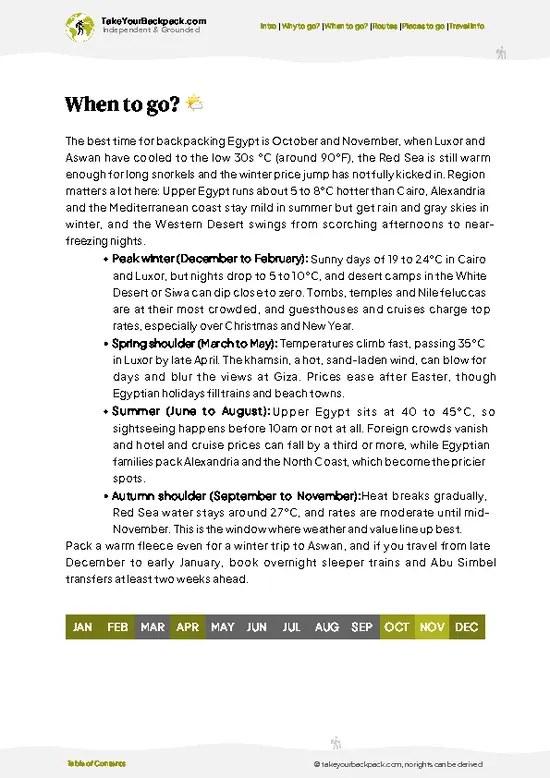
  • Topic: Weather and Temperature - Cairo’s heat is no joke from June to August, often soaring above 35°C (95°F), making museum visits sweaty and exhausting. The best weather hits between October and April, with daytime temps ranging from 18°C to 25°C (65°F to 77°F), perfect for wandering without melting.
  • Topic: Daylight Hours - From late October to early March, daylight shrinks to about 10-11 hours, which means shorter museum hours and less time to explore. April to September offers longer days, around 12-14 hours, but brace for the heat if you go in summer.
  • Topic: Crowds - The Islamic Art Museum is a magnet for tourists year-round, but expect the heaviest crowds during winter holidays (December-January) and spring break (March-April). Weekdays outside these peaks are your best bet for a
… read more 👉
  • Topic: Weather and Temperature - Cairo’s heat is no joke from June to August, often soaring above 35°C (95°F), making museum visits sweaty and exhausting. The best weather hits between October and April, with daytime temps ranging from 18°C to 25°C (65°F to 77°F), perfect for wandering without melting.
  • Topic: Daylight Hours - From late October to early March, daylight shrinks to about 10-11 hours, which means shorter museum hours and less time to explore. April to September offers longer days, around 12-14 hours, but brace for the heat if you go in summer.
  • Topic: Crowds - The Islamic Art Museum is a magnet for tourists year-round, but expect the heaviest crowds during winter holidays (December-January) and spring break (March-April). Weekdays outside these peaks are your best bet for a quieter experience.
  • Topic: Seasonal Activities - Ramadan shifts annually but usually falls between April and May or May and June. During this holy month, the museum’s atmosphere changes—quieter days but lively nights. It’s a unique cultural window if you can handle altered hours and some closures.
  • Topic: Price Fluctuations - Entry fees stay stable year-round, but expect higher prices and surcharges during peak tourist seasons (winter and spring). Off-season visits (summer) might save you a few pounds but come with the trade-off of oppressive heat.
Pro-tip: Aim for late October or early November—cool weather, manageable crowds, and full daylight hours combine for the most balanced, authentic visit.


source: climatestotravel.comJANJanuary: good for travelingFEBFebruary: highly recommended for travelingMARMarch: good for travelingAPRApril: fair for travelingMAYMay: fair for travelingJUNJune: below average for travelingJULJuly: below average for travelingAUGAugust: below average for travelingSEPSeptember: good for travelingOCTOctober: excellent for travelingNOVNovember: excellent for travelingDECDecember: good for traveling
when-to-go

✈️ The backpacker research shortcutEgypt Travel Guide

An offline-friendly backpacking guide with optimized travel routes, ranked highlights, transport advice, and the best areas to stay.
example page 0 from our offline Travel Guide for Egypt
example page 1 from our offline Travel Guide for Egypt
example page 2 from our offline Travel Guide for Egypt
example page 3 from our offline Travel Guide for Egypt
example page 4 from our offline Travel Guide for Egypt
example page 5 from our offline Travel Guide for Egypt
example page 6 from our offline Travel Guide for Egypt
example page 7 from our offline Travel Guide for Egypt
The digital guide (389 pages) contains:
✅ 100 highlights, ranked by travel appeal
✅ Optimized 7, 14 & 21-day travel routes
✅ Cities, national parks, landmarks, beaches
✅ How to get around
✅ Offline-friendly for travel without Wi-Fi
👉 Click to see all 30+ guide features

📅 Plan smarter in minutes, not weeks
✅ Month by month travel advice
✅ Festivals & national holidays
✅ Budget expectations

🗺️ Go to the right places, skip the overrated ones
✅ Honest pros & cons of destinations
✅ Top hikes, parks & viewpoints
✅ Lesser-known places most travelers miss
✅ Clear “worth it vs skip it” guidance

🛏️ Travel smoothly without rookie mistakes
✅ Best areas to stay
✅ Transport systems explained simply
✅ Common scams & safety advice
✅ SIM cards, money & practical tips

🌍 Understand the country, not just visit it
✅ Culture & traditions
✅ 52 Essential phrases & customs
✅ Festivals worth planning around
✅ Traveler-friendly historical context
✅ Insights that make places more meaningful

📱 Built for real travel conditions
✅ Fully downloadable PDF
✅ Works completely offline
✅ Optimized for phone use
✅ Useful in remote areas & buses
✅ Everything in one place
Stop searching, start planning
Get instant access to your full guide. 30‑day money-back guarantee.
+ Add another guide for just

By proceeding you agree to our terms.
Sent to your inbox immediately after payment • 100% Secure Checkout
Best Backpacking Travel Advisor 2025 tourism awardBest Backpacking
Travel Advisor
2025
What others say about Take Your Backpack Guides:
⭐⭐⭐⭐⭐
Fantastic, amazing amount of information!
⭐⭐⭐⭐⭐
My goodness this is amazing, it's what I've been looking for hats off too you!
⭐⭐⭐⭐⭐
I think this is absolutely BRILLIANT
⭐⭐⭐⭐
Very complete and informative. It's still missing places, but I gotta to commend you
⭐⭐⭐⭐⭐
This is truly amazing, thank you, can't wait to explore it with my kids!
⭐⭐⭐⭐⭐
Awesome resource, thank you!
⭐⭐⭐⭐⭐
This is amazing! Can't wait to explore the ones I haven't seen
⭐⭐⭐⭐
I love this! Well done, great idea.
⭐⭐⭐⭐⭐
Thanks for taking the time to make this gem!
⭐⭐⭐⭐⭐
This might be the best website I've ever seen.
⭐⭐⭐⭐⭐
Congratulations, and thank you so much for your work; it's incredibly valuable.
⭐⭐⭐⭐
In all seriousness I think you did a great job pointing out the important spots
⭐⭐⭐⭐⭐
10/10 very good
⭐⭐⭐⭐⭐
As someone who's only just starting to visit regularly this is awesome, thank you.
⭐⭐⭐⭐
Thank you very much! I'm going to visit my dad, it's going to be very useful!
⭐⭐⭐⭐⭐
This is really cool! We'll be travelling for the first time and this definitely come in handy.
⭐⭐⭐⭐⭐
You are now our minister of culture, congratulations 👨‍💼
⭐⭐⭐⭐⭐
Just wanted to tell you that this is a pearl! Going to follow your recommendations.
⭐⭐⭐⭐⭐
This is so cool. I'll definitely be using the resource for my travels soon.
⭐⭐⭐⭐⭐
This is very impressive! Good work.
⭐⭐⭐⭐⭐
This is an amazing and informative site. Very well done!

🛏️ Where to stay?Where staying makes the most sense

If you’re backpacking to see the Museum of Islamic Art, brace yourself: this isn’t a quiet stroll through a tucked-away gallery. The area around the museum is busy, noisy, and packed with locals and tourists alike. Crowds aren’t just a nuisance here—they’re part of the city’s pulse. So, where do you crash to soak it all in without losing your mind or your wallet?

Forget the glitzy hotel zones. The real backpacker action is in the neighborhoods just north and west of the museum, especially around Bab El Louk and Abdeen. These areas are gritty but safe enough if you keep your wits about you. They’re … read more 👉
If you’re backpacking to see the Museum of Islamic Art, brace yourself: this isn’t a quiet stroll through a tucked-away gallery. The area around the museum is busy, noisy, and packed with locals and tourists alike. Crowds aren’t just a nuisance here—they’re part of the city’s pulse. So, where do you crash to soak it all in without losing your mind or your wallet?

Forget the glitzy hotel zones. The real backpacker action is in the neighborhoods just north and west of the museum, especially around Bab El Louk and Abdeen. These areas are gritty but safe enough if you keep your wits about you. They’re buzzing with street vendors, cheap eats, and a mix of locals and travelers who aren’t here for luxury but for the authentic Cairo experience. You’ll find plenty of budget guesthouses and small hostels where social vibes thrive—perfect for solo travelers looking to swap stories over a cup of strong Egyptian tea.

The charm here isn’t in polished tourist traps but in the chaotic streets, the call to prayer echoing off old stone, and the chance to watch Cairo’s daily grind up close. It’s not Instagram-perfect, but it’s real. And that’s what makes it worth the trip.

👛 Costs (as of 15 October 2026)Typical daily expenses

As of the latest available information, the Museum of Islamic Art in Cairo charges the following admission fees: Foreign visitors: €10 for adults, €5 for students; Egyptian and Arab visitors: €1 for adults, €0.5 for students. Photography with a mobile phone is permitted free of charge. Free entry is granted to children under 6 years, Egyptian and Arab citizens aged 60 and over, Egyptian and Arab citizens with special needs, orphaned children, and public primary and preparatory school trips. The museum operates from 9:00 AM to 5:00 PM daily, with the last ticket sold at 4:00 PM. Please note that these prices and policies are subject to change; it's advisable to check the official website for the most current information.
⚠️ Prices can change and everyone travels differently, so take this as a rough guide. Hope it helps you plan your adventure!

FAQFrequently asked questions about Museum of Islamic Art

2 to 3 hours is sufficient to explore the Museum of Islamic Art thoroughly. This allows time to view the extensive collection of artifacts, textiles, ceramics, and manuscripts. Allocate extra time if you want to read detailed descriptions or join a guided tour.
Yes, the Museum of Islamic Art is worth the entrance fee, which is around 70 EGP for foreigners. The museum houses one of the world's finest collections of Islamic art, offering valuable insights into Islamic culture and history. The quality and rarity of exhibits justify the cost for most visitors.
Take a taxi or ride-hailing service directly to the museum, located in the Bab Al-Khalq area near downtown Cairo. It is about 3 km from Tahrir Square, making it accessible by a short taxi ride. Public buses also serve the area, but taxis are more convenient for travelers with luggage.
⚠️ Things can change over time, so always validate details locally before you go.

Other Egyptian attractions near Museum of Islamic Art

Explore more nearby:


💡 Not sure where to go next?
Create a personalized itinerary for Egypt including Museum of Islamic Art and the places that fit your trip.

Generate my itinerary

👉 Discover all attractions

Or checkout all Egypt has to offer (think cities, towns, villages, national parks, hikes, beaches, festivals)
Country photo of Egypt

We 💚 feedbackSumming up the experience

The Museum of Islamic Art isn’t some quiet sanctuary—expect a steady flow of visitors, especially on weekends. But here’s the kicker: once you step past the crowds, the sheer depth of craftsmanship hits you like a secret handshake. The intricate woodwork and ceramics aren’t just old artifacts; they’re stories carved and painted with soul. Don’t rush. Find a quiet corner, soak in the details, and you’ll realize this place isn’t about flashy Instagram shots—it’s about connecting with centuries of human creativity that still speaks loud and clear.

✍️ Help improve this page!
The information on this page is based on in-depth research, insights shared by experienced travelers, and feedback from the local travel community in Egypt. While every effort is made to keep the information accurate and current, conditions can change — so if you spot anything incorrect or outdated, please get in touch.


🙋‍♂️ Give feedback

👋 Meet the founderWho’s Behind Take Your Backpack?

Johan, backpacker and founder of TakeYourBackpackHi, I’m Johan (Netherlands 🇳🇱), the creator of TakeYourBackpack. Over the past 3 decades, I’ve backpacked through 90+ countries across six continents, gaining extensive experience with independent travel, long-term trips, and overland routes.

This site is built on a combination of firsthand travel experience and carefully curated insights from other backpackers. Many guides are based on places I’ve personally visited, while others bring together tips, observations, and practical advice shared by trusted travelers I’ve met along the way.

The goal is to provide realistic, experience-driven guidance — not generic itineraries — so you can explore destinations with better context, clearer expectations, and more confidence.