×

El Salvador🇸🇻 | festivalsSemana SantaHoly Week processions, sawdust carpets, church rituals | things to do and best time to go

Explore Carnaval de San MiguelExplore Día de la Cruz

Backpacking in Semana Santa
🏆 Top pickfestival ranked #1
By Johan Kruseman 🇳🇱 | Updated June 8, 2026

Years ago, Semana Santa in El Salvador felt almost entirely local: slow, heavy processions, incense hanging in the heat, families lining the streets because that’s just what you did every year. Today, you still get that core, but it’s layered with backpackers, domestic tourists, and a lot more cameras. You’ll find the biggest action in western El Salvador, especially in towns like Sonsonate and along the Ruta de las Flores, with processions also rolling through San Salvador and coastal communities. Expect brass bands, solemn religious hymns, and the soft crunch of feet over alfombras de aserrín—those intricate sawdust carpets that turn streets into temporary art. The crowd skews local, multigenerational, with a thin but growing stripe of budget travelers. The vibe is devout but curious-friendly, more reflective than party-heavy, and it runs for the week leading up to Easter. It’s worth it if you want culture and ritual, not nightlife.

Discover everything you want to know in the 📖 El Salvador Travel Guide.
Loading the map 🌍
CLICK TO FILTER
cities
towns
landmarks
national parks
hikes
beaches
attractions
festivals
regions
SHOW COUNTRY’S BESTSHOW ALL

✨ Why go?
Ranked #1 festival in El Salvador
What sets this place apart

Backpackers flock to Semana Santa in El Salvador for a reason. This isn’t just a festival; it’s a social energy explosion. Picture vibrant processions, the scent of incense wafting through the air, and the rhythm of drums echoing in the streets. It’s a temporary community where locals and travelers unite, sharing stories and laughter.

Planning your route around this event isn’t just smart; it’s essential for cultural immersion. You’ll witness traditions that date back centuries, from intricate floats to heartfelt rituals. This is your chance to dive deep into the local culture, far beyond the typical tourist experience.

And let’s talk affordability. Compared to similar festivals worldwide, Semana Santa offers a rich experience without breaking the bank. Street food is delicious and cheap, … read more 👉
Backpackers flock to Semana Santa in El Salvador for a reason. This isn’t just a festival; it’s a social energy explosion. Picture vibrant processions, the scent of incense wafting through the air, and the rhythm of drums echoing in the streets. It’s a temporary community where locals and travelers unite, sharing stories and laughter.

Planning your route around this event isn’t just smart; it’s essential for cultural immersion. You’ll witness traditions that date back centuries, from intricate floats to heartfelt rituals. This is your chance to dive deep into the local culture, far beyond the typical tourist experience.

And let’s talk affordability. Compared to similar festivals worldwide, Semana Santa offers a rich experience without breaking the bank. Street food is delicious and cheap, and accommodations are often more budget-friendly during this time, thanks to the influx of visitors.

Incorporating Semana Santa into your travel plans means you’re not just checking off a destination; you’re embracing a dynamic journey. It’s a chance to recharge your spirit, connect with others, and create memories that resonate long after the last drumbeat fades.
Want to include Semana Santa in your El Salvador route?
Create a personalized El Salvador itinerary that includes Semana Santa and the places that fit your trip — based on your travel style, budget, and available time. Get your route in seconds.

Generate my trip

💡 HighlightsWhat this place is best known for

  1. Slow, solemn processions and pasos — Towering wooden floats (andas/pasos) hauled through streets by teams of locals create an almost theatrical crawl. It’s the core of Semana Santa: slow pace, heavy incense, people in robes or barefoot penitents, and moments where the whole street goes silent as a statue passes. The intensity feels very local and raw — not a staged tourist show.
  2. Alfombras de aserrín and street carpets — Neighbourhoods lay down vivid, temporary carpets of colored sawdust, flowers and salt with intricate religious scenes and patterns. They’re community art made the night before and then walked over by the processions at dawn — beautiful, fragile, and worth getting up early to see before they’re gone.
  3. Passion plays and live reenactments — Many towns stage their own versions
read more 👉
  1. Slow, solemn processions and pasos — Towering wooden floats (andas/pasos) hauled through streets by teams of locals create an almost theatrical crawl. It’s the core of Semana Santa: slow pace, heavy incense, people in robes or barefoot penitents, and moments where the whole street goes silent as a statue passes. The intensity feels very local and raw — not a staged tourist show.
  2. Alfombras de aserrín and street carpets — Neighbourhoods lay down vivid, temporary carpets of colored sawdust, flowers and salt with intricate religious scenes and patterns. They’re community art made the night before and then walked over by the processions at dawn — beautiful, fragile, and worth getting up early to see before they’re gone.
  3. Passion plays and live reenactments — Many towns stage their own versions of the Passion of Christ, from modest local casts to surprisingly elaborate productions. What makes them special is the community participation: it’s not a polished theater piece but neighbours, families and kids putting their hearts into it, which gives the performances a gritty, emotional honesty.
  4. Music, drums and those moments of hush — Brass bands and percussion set the pace for processions, with mournful marches that can be loud, rhythmic, and oddly beautiful. Then, abruptly, the music cuts or the crowd goes quiet when a paso approaches. That contrast —rowdy brass and sudden silence— is one of Semana Santa’s most powerful sensory memories.
  5. Food stalls, fasting foods and market atmosphere — Holy Week changes what shows up at street markets and plazas: more fish and seafood dishes, sweet atoles and quick snacks sold near churches so you can grab something between events. It’s practical and inexpensive — perfect for budget travellers who want local flavors tied to the ritual rhythm of the week.
Spotted a mistake or missing something? Contact us.
🌤️ When to go?When is the celebration of Semana Santa?


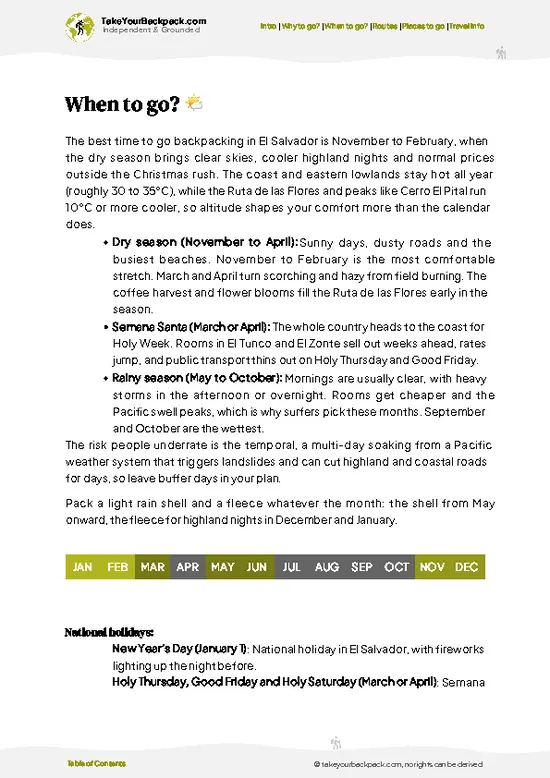
  • Topic: Weather – Semana Santa falls during El Salvador’s dry season, which runs roughly from November to April. Expect clear skies and minimal rain, perfect for pounding the pavement and soaking in processions without soggy gear. Temperatures hover between 25-32°C (77-90°F), so pack light but prepare for the heat.

  • Topic: Temperature – Daytime highs push into the low 30s Celsius (upper 80s to 90°F), with nights cooling to a comfortable 20-22°C (68-72°F). This range keeps you energized for long days of walking and late-night festivities without overheating or shivering.

  • Topic: Daylight Hours – Around 12 hours of daylight give you a solid window to catch early morning parades and late afternoon rituals. The sun rises around 5:30 AM and sets near 6:30 PM, so plan your days to maximize both
read more 👉

  • Topic: Weather – Semana Santa falls during El Salvador’s dry season, which runs roughly from November to April. Expect clear skies and minimal rain, perfect for pounding the pavement and soaking in processions without soggy gear. Temperatures hover between 25-32°C (77-90°F), so pack light but prepare for the heat.

  • Topic: Temperature – Daytime highs push into the low 30s Celsius (upper 80s to 90°F), with nights cooling to a comfortable 20-22°C (68-72°F). This range keeps you energized for long days of walking and late-night festivities without overheating or shivering.

  • Topic: Daylight Hours – Around 12 hours of daylight give you a solid window to catch early morning parades and late afternoon rituals. The sun rises around 5:30 AM and sets near 6:30 PM, so plan your days to maximize both light and the cooler morning hours.

  • Topic: Crowds – Semana Santa is the biggest event of the year, so expect packed streets and full accommodations. Arriving early in the dry season helps you dodge the worst crush and snag better lodging rates before the festival frenzy hits.

  • Topic: Seasonal Activities – Beyond the religious processions, local markets brim with traditional foods and crafts only available during this period. Timing your visit to overlap with these adds layers to your experience beyond the main events.

  • Topic: Price Fluctuations – Prices spike sharply during Semana Santa, especially for hotels and transport. Booking weeks in advance is non-negotiable if you want to avoid inflated last-minute rates that drain your budget before you’ve even started exploring.


Pro-tip: Lock in your spot early and lean into the dry season’s rhythm—this combo keeps your energy high, your wallet intact, and your experience rich.


source: climatestotravel.comJANJanuary: not recommended for travelingFEBFebruary: not recommended for travelingMARMarch: highly recommended for travelingAPRApril: highly recommended for travelingMAYMay: not recommended for travelingJUNJune: not recommended for travelingJULJuly: not recommended for travelingAUGAugust: not recommended for travelingSEPSeptember: not recommended for travelingOCTOctober: not recommended for travelingNOVNovember: not recommended for travelingDECDecember: not recommended for traveling

✈️ The backpacker research shortcutEl Salvador Travel Guide

An offline-friendly backpacking guide with optimized travel routes, ranked highlights, transport advice, and the best areas to stay.
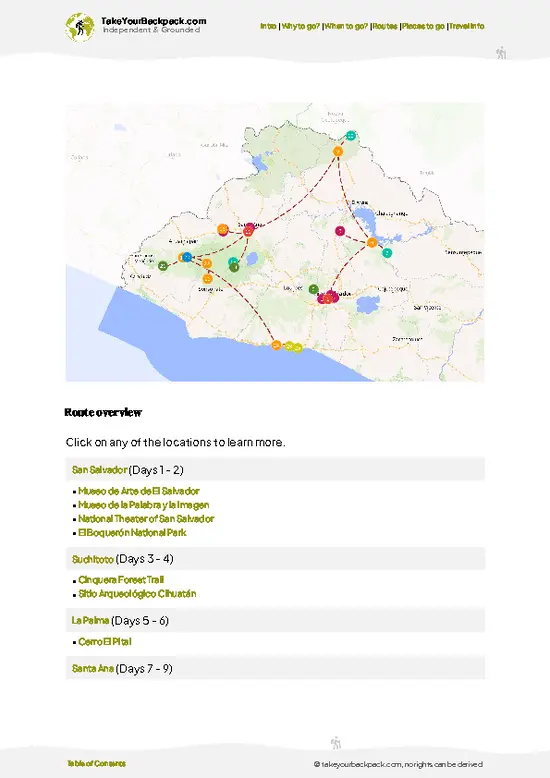
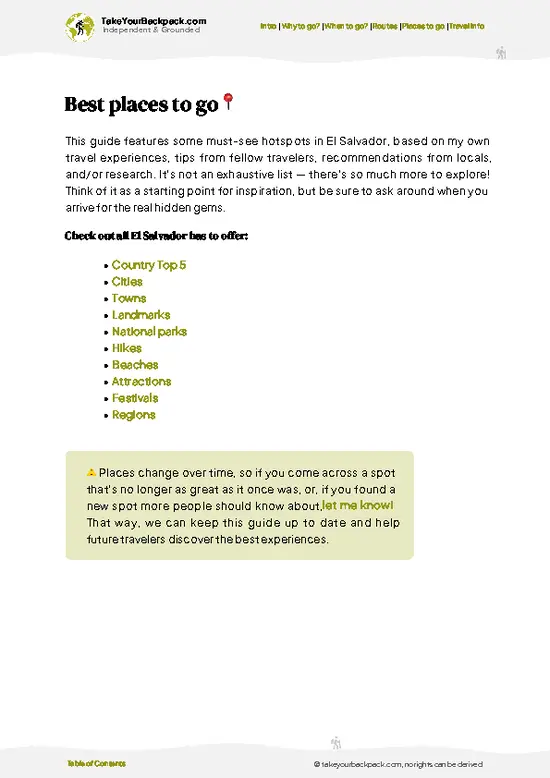
example page 0 from our offline Travel Guide for El Salvador
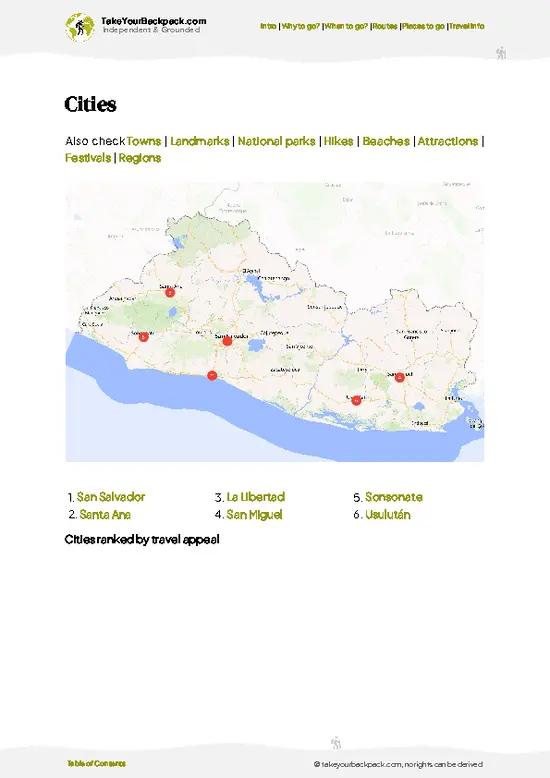
example page 1 from our offline Travel Guide for El Salvador
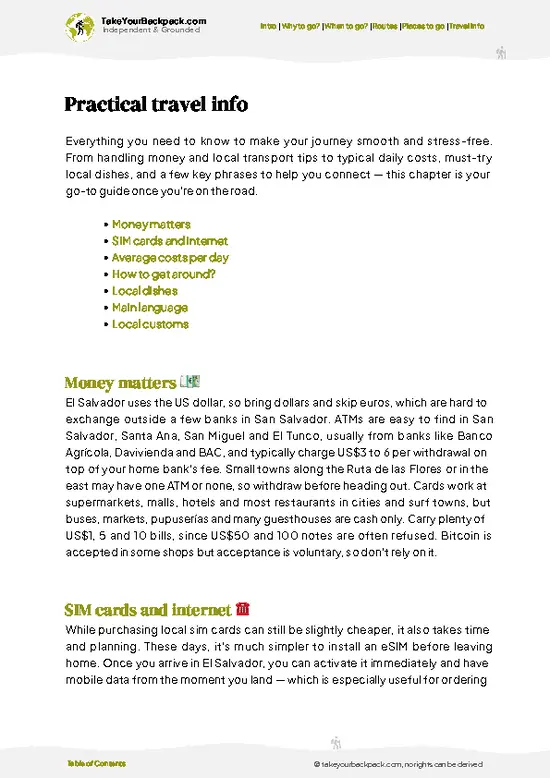
example page 2 from our offline Travel Guide for El Salvador
example page 3 from our offline Travel Guide for El Salvador
example page 4 from our offline Travel Guide for El Salvador
example page 5 from our offline Travel Guide for El Salvador
example page 6 from our offline Travel Guide for El Salvador
example page 7 from our offline Travel Guide for El Salvador
The digital guide (302 pages) contains:
79 highlights, ranked by travel appeal
Optimized 5, 10 & 15-day travel routes
Cities, national parks, landmarks, beaches
How to get around
Offline-friendly for travel without Wi-Fi
👉 Click to see all 30+ guide features

📅 Plan smarter in minutes, not weeks
Month by month travel advice
Festivals & national holidays
Budget expectations

🗺️ Go to the right places, skip the overrated ones
Honest pros & cons of destinations
Top hikes, parks & viewpoints
Lesser-known places most travelers miss
Clear “worth it vs skip it” guidance

🛏️ Travel smoothly without rookie mistakes
Best areas to stay
Transport systems explained simply
Common scams & safety advice
SIM cards, money & practical tips

🌍 Understand the country, not just visit it
Culture & traditions
52 Essential phrases & customs
Festivals worth planning around
Traveler-friendly historical context
Insights that make places more meaningful

📱 Built for real travel conditions
Fully downloadable PDF
Works completely offline
Optimized for phone use
Useful in remote areas & buses
Everything in one place
Save weeks of stressful planning
Get instant access to your full guide. 30‑day money-back guarantee.


By proceeding you agree to our terms.
Sent to your inbox immediately after payment • 100% Secure Checkout
Best Backpacking Travel Advisor 2025 tourism awardBest Backpacking
Travel Advisor
2025
What others say about Take Your Backpack Guides:
⭐⭐⭐⭐⭐
Fantastic, amazing amount of information!
⭐⭐⭐⭐⭐
My goodness this is amazing, it's what I've been looking for hats off too you!
⭐⭐⭐⭐⭐
I think this is absolutely BRILLIANT
⭐⭐⭐⭐
Very complete and informative. It's still missing places, but I gotta to commend you
⭐⭐⭐⭐⭐
This is truly amazing, thank you, can't wait to explore it with my kids!
⭐⭐⭐⭐⭐
Awesome resource, thank you!
⭐⭐⭐⭐⭐
This is amazing! Can't wait to explore the ones I haven't seen
⭐⭐⭐⭐
I love this! Well done, great idea.
⭐⭐⭐⭐⭐
Thanks for taking the time to make this gem!
⭐⭐⭐⭐⭐
This might be the best website I've ever seen.
⭐⭐⭐⭐⭐
Congratulations, and thank you so much for your work; it's incredibly valuable.
⭐⭐⭐⭐
In all seriousness I think you did a great job pointing out the important spots
⭐⭐⭐⭐⭐
10/10 very good
⭐⭐⭐⭐⭐
As someone who's only just starting to visit regularly this is awesome, thank you.
⭐⭐⭐⭐
Thank you very much! I'm going to visit my dad, it's going to be very useful!
⭐⭐⭐⭐⭐
This is really cool! We'll be travelling for the first time and this definitely come in handy.
⭐⭐⭐⭐⭐
You are now our minister of culture, congratulations 👨‍💼
⭐⭐⭐⭐⭐
Just wanted to tell you that this is a pearl! Going to follow your recommendations.
⭐⭐⭐⭐⭐
This is so cool. I'll definitely be using the resource for my travels soon.
⭐⭐⭐⭐⭐
This is very impressive! Good work.
⭐⭐⭐⭐⭐
This is an amazing and informative site. Very well done!

🛏️ Where to stay?Where staying makes the most sense

For Semana Santa in El Salvador, you want to be where the action is, but also where you can recharge. Head to San Salvador, the capital, where the festival’s energy pulses through the streets. Stay in neighborhoods like Zona Rosa or Santa Tecla. These areas are buzzing with backpackers, street vendors, and local eateries. You’ll find a mix of budget-friendly hostels and guesthouses that foster a social vibe.

Next, consider La Libertad. It’s a coastal town that’s not just about surf; it’s a hub for festival-goers looking to unwind after the day’s processions. The beach scene here is laid-back, … read more 👉
For Semana Santa in El Salvador, you want to be where the action is, but also where you can recharge. Head to San Salvador, the capital, where the festival’s energy pulses through the streets. Stay in neighborhoods like Zona Rosa or Santa Tecla. These areas are buzzing with backpackers, street vendors, and local eateries. You’ll find a mix of budget-friendly hostels and guesthouses that foster a social vibe.

Next, consider La Libertad. It’s a coastal town that’s not just about surf; it’s a hub for festival-goers looking to unwind after the day’s processions. The beach scene here is laid-back, and you can mingle with fellow travelers while enjoying fresh seafood.

If you’re feeling adventurous, Suchitoto offers a more tranquil escape. This charming town, with its cobblestone streets and vibrant arts scene, is a short trip from the capital. It’s perfect for those who want a quieter spot to reflect on the festival’s intensity.

Avoid the tourist traps by sticking to these areas. They’re safe, lively, and filled with opportunities to connect with locals and fellow backpackers. Your energy and budget will thank you when you’re not stuck in a tourist bubble.

👛 Costs (as of 22 December 2024)Travel costs and budget guide for Semana Santa

The Semana Santa festival in El Salvador is a vibrant celebration, but navigating the costs can be tricky. Here’s what you need to know to keep your budget intact while soaking up the experience.
  • Festival Tickets: Most events during Semana Santa are free, but some special activities or performances may charge a small fee. Expect to pay around $5 to $20 for premium events, which can include concerts or special processions. Keep an eye out for local announcements to catch any ticketed events that are worth your time.
  • Accommodation: Prices can vary widely depending on location and comfort level. Budget hostels start at about $10 per night, while mid-range hotels can range from $30 to $70. If you’re looking for something more upscale, expect to pay $100 or more. Book early, as places fill up fast
read more 👉
The Semana Santa festival in El Salvador is a vibrant celebration, but navigating the costs can be tricky. Here’s what you need to know to keep your budget intact while soaking up the experience.
  • Festival Tickets: Most events during Semana Santa are free, but some special activities or performances may charge a small fee. Expect to pay around $5 to $20 for premium events, which can include concerts or special processions. Keep an eye out for local announcements to catch any ticketed events that are worth your time.
  • Accommodation: Prices can vary widely depending on location and comfort level. Budget hostels start at about $10 per night, while mid-range hotels can range from $30 to $70. If you’re looking for something more upscale, expect to pay $100 or more. Book early, as places fill up fast during the festival.
  • Local Transport: Public transport is affordable. Buses and shuttles typically cost between $0.50 and $2 for short trips. If you’re planning to travel between towns, budget around $5 to $10. Rideshares or taxis can add up, so consider walking when possible to save cash and soak in the atmosphere.
  • Food & Drinks: Street food is a highlight, with meals costing as little as $2 to $5. If you prefer dining in restaurants, expect to pay $10 to $20 for a decent meal. Don’t forget to budget for drinks; local beers are around $2, while cocktails can range from $5 to $10.
  • Miscellaneous Expenses: This includes souvenirs, tips, and any unexpected costs. Set aside about $20 to $50 for extras. It’s wise to have some cash on hand, as not all vendors accept cards, especially in smaller towns.

Planning ahead will keep your energy focused on enjoying the festival rather than stressing over expenses.


source: elsalvador.travel
⚠️ Prices can change and everyone travels differently, so take this as a rough guide. Hope it helps you plan your adventure!

🍲 FoodLocal Cuisine & Drinks

At Semana Santa in El Salvador, food and drink pulse with the festival’s vibrant spirit. Street stalls burst with pupusas, those thick corn tortillas stuffed with cheese, beans, or chicharrón. Grab one fresh off the griddle and savor the gooey warmth. Don’t skip the curtido, a tangy cabbage slaw that cuts through the richness.

As you wander, the aroma of sopa de pata wafts through the air. This hearty soup, made with cow’s feet, is a local favorite, perfect for refueling after hours of processions. Pair it with a horchata, a sweet rice drink that cools the palate and brings a refreshing balance to the savory dishes.

Expect lines at popular stalls, but that’s part of the experience. Chat with locals while you wait; they’ll often share tips on what to try next. Cash is king here, so stash … read more 👉
At Semana Santa in El Salvador, food and drink pulse with the festival’s vibrant spirit. Street stalls burst with pupusas, those thick corn tortillas stuffed with cheese, beans, or chicharrón. Grab one fresh off the griddle and savor the gooey warmth. Don’t skip the curtido, a tangy cabbage slaw that cuts through the richness.

As you wander, the aroma of sopa de pata wafts through the air. This hearty soup, made with cow’s feet, is a local favorite, perfect for refueling after hours of processions. Pair it with a horchata, a sweet rice drink that cools the palate and brings a refreshing balance to the savory dishes.

Expect lines at popular stalls, but that’s part of the experience. Chat with locals while you wait; they’ll often share tips on what to try next. Cash is king here, so stash some bills for those spontaneous bites. Serving sizes can be generous, so consider sharing a few dishes to sample more flavors without overstuffing yourself.

Embrace the communal vibe—sharing food is a way to connect. Dive into the festival’s culinary offerings, and let each bite tell you a story. This is where the heart of El Salvador beats strongest.

Other Salvadoran festivals near Semana Santa

Explore more nearby:


💡 Not sure where to go next?
Create a personalized itinerary for El Salvador including Semana Santa and the places that fit your trip.

Generate my itinerary

👉 Discover all festivals

Or checkout all El Salvador has to offer (think cities, towns, villages, national parks, hikes, beaches, festivals)
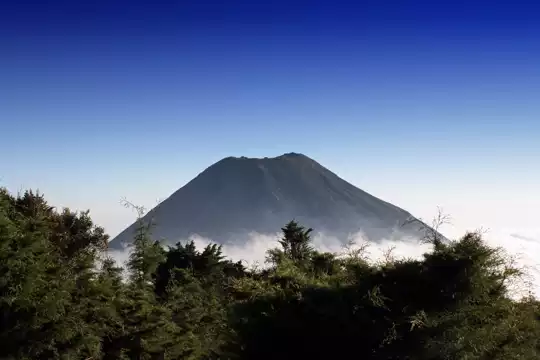
Country photo of El Salvador

We 💚 feedbackKey takeaways before you go

Semana Santa in El Salvador is electric. The streets pulse with life, and the processions are a sensory overload of color and sound. But here’s the kicker: don’t underestimate the heat. Hydrate like it’s your job, or you’ll miss the best parts. The surprise? The local food stalls. They serve up flavors that’ll make your taste buds dance. Embrace the chaos, savor the moments, and keep your energy for the celebrations that truly matter. You’ll leave with stories that stick.

✍️ Help improve this page!
The information on this page is based on in-depth research, insights shared by experienced travelers, and feedback from the local travel community in El Salvador. While every effort is made to keep the information accurate and current, conditions can change — so if you spot anything incorrect or outdated, please get in touch.


🙋‍♂️ Give feedback

👋 Meet the founderWho’s Behind Take Your Backpack?

Johan, backpacker and founder of TakeYourBackpackHi, I’m Johan (Netherlands 🇳🇱), the creator of TakeYourBackpack. Over the past decade, I’ve backpacked through 80+ countries across six continents, gaining extensive experience with independent travel, long-term trips, and overland routes.

This site is built on a combination of firsthand travel experience and carefully curated insights from other backpackers. Many guides are based on places I’ve personally visited, while others bring together tips, observations, and practical advice shared by trusted travelers I’ve met along the way.

The goal is to provide realistic, experience-driven guidance — not generic itineraries — so you can explore destinations with better context, clearer expectations, and more confidence.

Get full country guide •
Instant download • 79 highlights • Full Offline guide