×

El Salvador🇸🇻 | best festivalsTop-Rated 10 festivals in El Salvador

Festivals in El Salvador run on smoke, drums and street food. Expect fireworks cracking over church plazas, the sweet reek of fried plantain and sugarcane, and brass bands out of tune by midnight. The country is small, so most celebrations sit within a few hours of San Salvador by chicken bus, which keeps costs low and access easy. Highland towns on the Ruta de las Flores feel relaxed and walkable, while western and central towns turn into packed, loud, sweaty street parties. Eastern and coastal events draw fewer foreigners and more locals. Independent travelers can manage all of it, but rooms fill fast on patron saint weekends, so plan ahead.

By Johan Kruseman 🇳🇱 | Updated October 9, 2026
Explore the best regions in El Salvador

Why go?Key Factors That Shape the Experience

El Salvador suits festivals because everything is close. The country is the size of Massachusetts, so a backpacker can sleep in one town and reach another celebration the same afternoon. Its calendar blends Catholic saint days with Indigenous Pipil and Maya-descended traditions, and that mix shows up in costumes, masks, ritual dances and fireworks that smell of gunpowder long after the crowd leaves. Nearly every town holds a patron saint fiesta with a plaza stage, loudspeakers and stalls selling pupusas, atol de elote and cold horchata.

Temperatures stay warm year round, so nights outdoors are comfortable, but the rainy season can soak a procession in minutes. Infrastructure is simple. Buses are cheap and frequent, though they stop running early and get crammed during big weekends. Many events … read more 👉
El Salvador suits festivals because everything is close. The country is the size of Massachusetts, so a backpacker can sleep in one town and reach another celebration the same afternoon. Its calendar blends Catholic saint days with Indigenous Pipil and Maya-descended traditions, and that mix shows up in costumes, masks, ritual dances and fireworks that smell of gunpowder long after the crowd leaves. Nearly every town holds a patron saint fiesta with a plaza stage, loudspeakers and stalls selling pupusas, atol de elote and cold horchata.

Temperatures stay warm year round, so nights outdoors are comfortable, but the rainy season can soak a procession in minutes. Infrastructure is simple. Buses are cheap and frequent, though they stop running early and get crammed during big weekends. Many events are local rather than polished tourist shows, so schedules shift, signs are in Spanish and information often travels by word of mouth or Facebook. Security has improved noticeably in recent years, yet travelers should still go with a plan for getting back to their lodging. Expect heat, noise and crowds, and enjoy the unfiltered result.
Why These Made the Cut
The list of best festivals in El Salvador is created based on energy, traditions, crowd experience, activities, and overall excitement. If you feel a festival is missing in this list, please let us know.

When to go?Optimal Periods for Travel

Best months and weather: The best months for festivals in El Salvador are November to April, the dry season, when days are sunny, skies are clear and processions and outdoor concerts rarely get rained out. Daytime highs reach 30 to 34°C (86 to 93°F) on the coast and in San Salvador, while highland towns such as Juayúa and Apaneca cool to 15 to 25°C (59 to 77°F) at night, so a light jacket helps after dark.
Shoulder and rainy season: May to October brings afternoon downpours, often heavy for an hour or two, with total annual rainfall of roughly 1,700 to 2,000 mm. Mornings are usually clear, and the air smells of wet earth and cut grass. Roads to mountain villages can turn muddy, and rain can delay evening events. Lower prices and thinner foreign crowds are the upside.
Peak periods: Holy Week … read more 👉
Best months and weather: The best months for festivals in El Salvador are November to April, the dry season, when days are sunny, skies are clear and processions and outdoor concerts rarely get rained out. Daytime highs reach 30 to 34°C (86 to 93°F) on the coast and in San Salvador, while highland towns such as Juayúa and Apaneca cool to 15 to 25°C (59 to 77°F) at night, so a light jacket helps after dark.
Shoulder and rainy season: May to October brings afternoon downpours, often heavy for an hour or two, with total annual rainfall of roughly 1,700 to 2,000 mm. Mornings are usually clear, and the air smells of wet earth and cut grass. Roads to mountain villages can turn muddy, and rain can delay evening events. Lower prices and thinner foreign crowds are the upside.
Peak periods: Holy Week (Semana Santa) in March or April and the August festivities around San Salvador fill hostels and buses, and rooms can cost 20 to 50 percent more. Book a bed at least a week ahead at those times. Coastal areas get especially packed during Holy Week, while December has strong local travel as families return home. Outside these windows, dorm beds generally cost US$10 to 15.

festival hoppingTips for Visiting Multiple Destinations

How long to plan: A trip combining several festivals in El Salvador needs 7 to 12 days, since the country is compact but local transport is slow. Distances look short on a map, yet a 100 km ride on a chicken bus often takes 2.5 to 3 hours with stops.
Grouping regions: Cluster by area. The western highlands (Santa Ana, Ahuachapán, Juayúa, Apaneca) sit within 1 to 1.5 hours of each other by bus or shuttle. The central zone around San Salvador links to coastal towns like La Libertad in about 1 hour and to the east in 3 to 4 hours. The north, around La Palma and Chalatenango, sits 2.5 to 3.5 hours from the capital on winding roads. Travel west to east, or the reverse, rather than zigzagging, and use San Salvador as your hub, with the Terminal de Occidente and Terminal de Oriente serving each side. … read more 👉
How long to plan: A trip combining several festivals in El Salvador needs 7 to 12 days, since the country is compact but local transport is slow. Distances look short on a map, yet a 100 km ride on a chicken bus often takes 2.5 to 3 hours with stops.
Grouping regions: Cluster by area. The western highlands (Santa Ana, Ahuachapán, Juayúa, Apaneca) sit within 1 to 1.5 hours of each other by bus or shuttle. The central zone around San Salvador links to coastal towns like La Libertad in about 1 hour and to the east in 3 to 4 hours. The north, around La Palma and Chalatenango, sits 2.5 to 3.5 hours from the capital on winding roads. Travel west to east, or the reverse, rather than zigzagging, and use San Salvador as your hub, with the Terminal de Occidente and Terminal de Oriente serving each side.
Pacing and common mistakes: Allow 2 to 3 nights per stop so you can catch the build-up as well as the main night. The most common mistake is packing a different town into every day, which leaves you tired and hurrying to catch the last bus, often by 5 or 6 pm in rural areas. Another is arriving on the event day without a bed. Reserve ahead, and consider a private shuttle for early or late connections.

The ListMust-Visit festivals in El Salvador

1 Carnaval de San Miguel

all-night street party, live bands, elaborate costumes

Join thousands moving through city streets as music, parades, and spontaneous dancing transform San Miguel into a massive open-air celebration.

2 Semana Santa

Holy Week processions, sawdust carpets, church rituals

Observe elaborate religious ceremonies and colorful street art as towns commemorate Easter with a mix of solemnity and creativity.

3 Fiestas Agostinas

religious processions, amusement rides, citywide fair

Navigate crowded streets filled with parades, temporary markets, and family activities during San Salvador’s largest annual holiday.

4 Día de los Farolitos

lantern displays, cobblestone streets, evening processions

Experience towns glowing with handcrafted lanterns as families light up streets and plazas in a communal nighttime ritual.

5 Pupusa Festival

pupusa cook-offs, street vendors, culinary contests

Watch cooks prepare El Salvador’s signature dish and try different fillings as the community gathers to celebrate national flavors.

6 Festival de la Palma

folk art market, pine forests, artisan workshops

Browse stalls filled with painted crafts and watch artisans at work in a highland town known for its colorful wooden art.

7 Festival del Maíz

corn-based foods, indigenous dances, rural parades

Sample tamales and atole while watching traditional performances that highlight the importance of maize in Salvadoran culture.

8 Festival del Mar

beach events, seafood feasts, coastal competitions

Spend the day by the ocean enjoying fresh catches, sand sports, and local festivities along El Salvador’s Pacific shoreline.

9 Festival de la Yuca

yuca dishes, food stalls, local music

Taste regional specialties made from cassava while mingling with locals at open-air food stands and informal concerts.

10 Festival del Jocote

fruit harvest, jocote tastings, small-town fair

Try tart jocote fruits in various preparations and join residents in a relaxed gathering centered around the seasonal crop.

11 Festival de las Flores

flower carpets, mountain villages, seasonal blooms

Stroll through streets lined with intricate floral designs and enjoy cool highland air during this celebration of spring blossoms.

12 Día de la Cruz

decorated crosses, flower offerings, neighborhood altars

Witness homes and public spaces adorned with handmade crosses and seasonal fruits, reflecting a blend of indigenous and Catholic traditions.

13 Festival de la Panela

sugarcane harvest, traditional sweets, rural demonstrations

Sample fresh panela and observe the process of transforming sugarcane into local treats during this countryside gathering.

Think you know El Salvador?

Prove you’re a true local — uncover 3 lesser-known festivals in El Salvador that locals tend to keep to themselves.
Loading the map 🌍

Expert viewPro Tips for Exploring the Best

How many to visit: Aim for two or three festivals on a trip of one to two weeks. That number leaves room for travel days, which run slow, and for the recovery you need after a night of drums and fireworks that run until 2 am. A fourth event usually means a rushed morning bus with a headache and no sleep. Two well-chosen celebrations give you time to wander the plaza at dusk, watch the stalls fire up and find where locals actually eat.
Choosing a kind: If you prefer calm, pick highland food and craft events, where coffee-scented air, strings of lights and easy walking suit solo travelers. For energy, choose patron saint fiestas and big street parades, with loud brass, dancing and crowds shoulder to shoulder in the plaza. Culture seekers should look for Indigenous and religious rituals, often … read more 👉
How many to visit: Aim for two or three festivals on a trip of one to two weeks. That number leaves room for travel days, which run slow, and for the recovery you need after a night of drums and fireworks that run until 2 am. A fourth event usually means a rushed morning bus with a headache and no sleep. Two well-chosen celebrations give you time to wander the plaza at dusk, watch the stalls fire up and find where locals actually eat.
Choosing a kind: If you prefer calm, pick highland food and craft events, where coffee-scented air, strings of lights and easy walking suit solo travelers. For energy, choose patron saint fiestas and big street parades, with loud brass, dancing and crowds shoulder to shoulder in the plaza. Culture seekers should look for Indigenous and religious rituals, often quieter and more formal, with costumes, incense and ceremonial music. Beach-minded travelers can pick coastal events with surf and live music, though expect more sun and fewer cultural details.
What it costs: Budget US$25 to 45 a day in festival season: a dorm bed or basic room at US$10 to 25, street meals (a pupusa runs US$0.50 to 1.25) at US$6 to 12, and local buses at US$0.25 to 1.50 a ride. Most town festivals are free to enter. Add US$5 to 15 per visit for drinks, snacks and a shuttle or taxi home, and US$15 to 30 if a local guide leads you through a ritual event. Carry small US dollar bills, because El Salvador uses the dollar and vendors rarely have change for US$20.
Safety and etiquette: Festivals are generally safe and family oriented, yet pickpocketing in dense crowds happens, so keep your phone in a front pocket and carry only the cash you need. Return to your lodging before late night if you are alone, and use a trusted taxi or app rather than walking dark streets. Fireworks are handheld, close and unpredictable, so stand back and protect your ears. At religious events, dress modestly, ask before photographing people in costume or ceremony, and keep your voice low during processions. Accept a small cup of atol or a taste of food when offered, and leave a tip. The warmth you get in return is usually the best part of the night.

✈️ The backpacker research shortcutEl Salvador Travel Guide

An offline-friendly backpacking guide with optimized travel routes, ranked highlights, transport advice, and the best areas to stay.
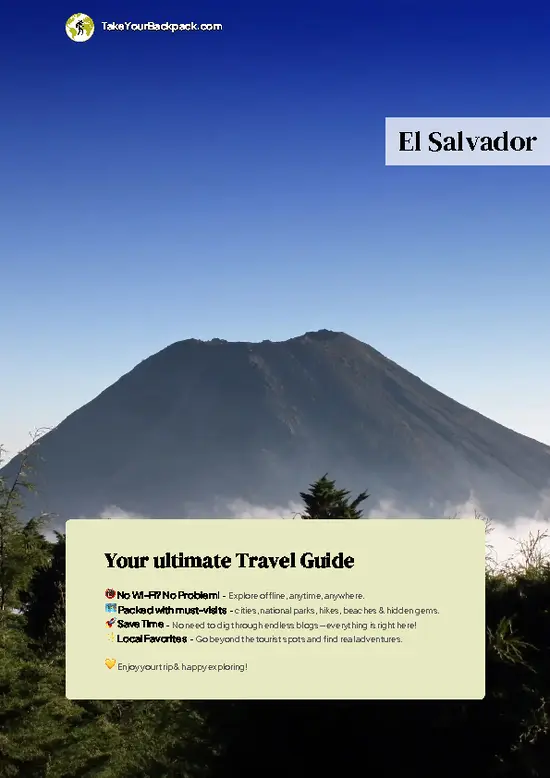
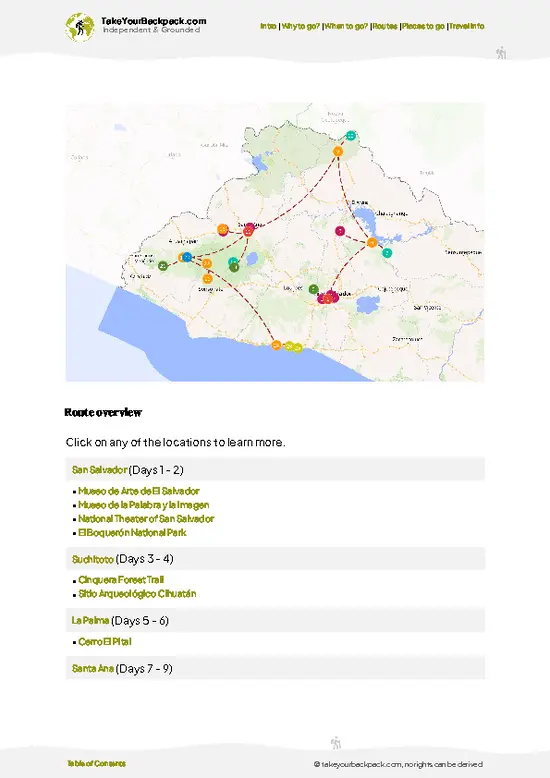
example page 0 from our offline Travel Guide for El Salvador
example page 1 from our offline Travel Guide for El Salvador
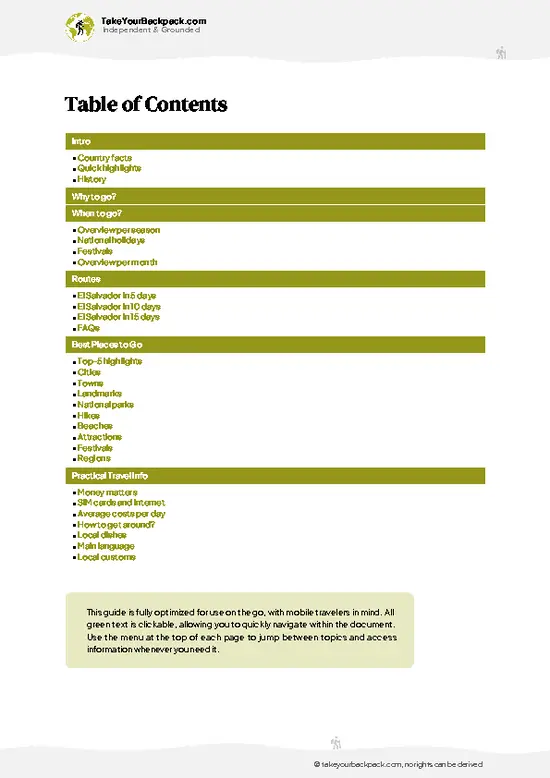
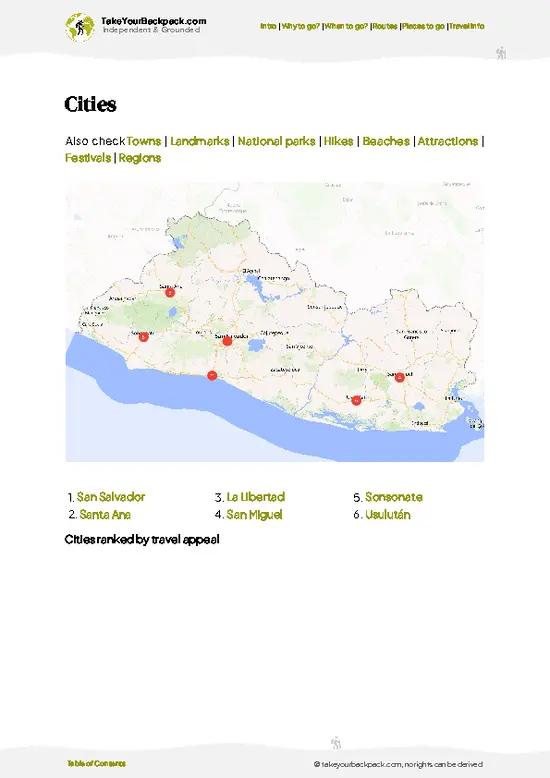
example page 2 from our offline Travel Guide for El Salvador
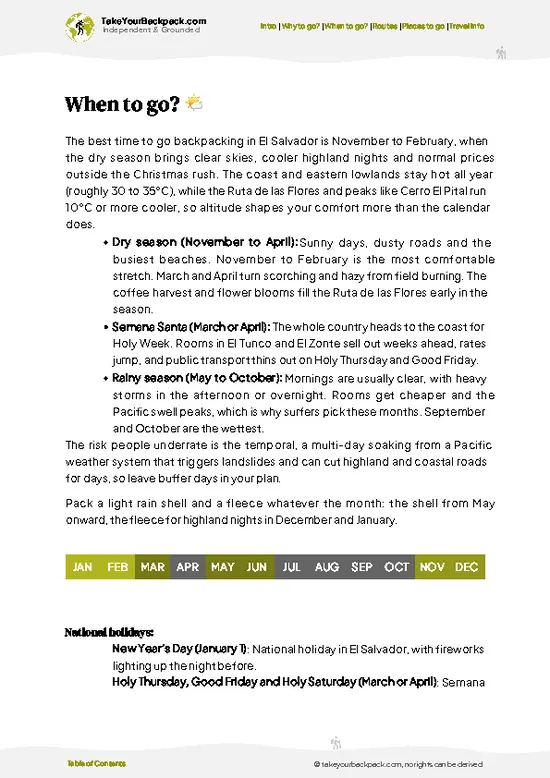
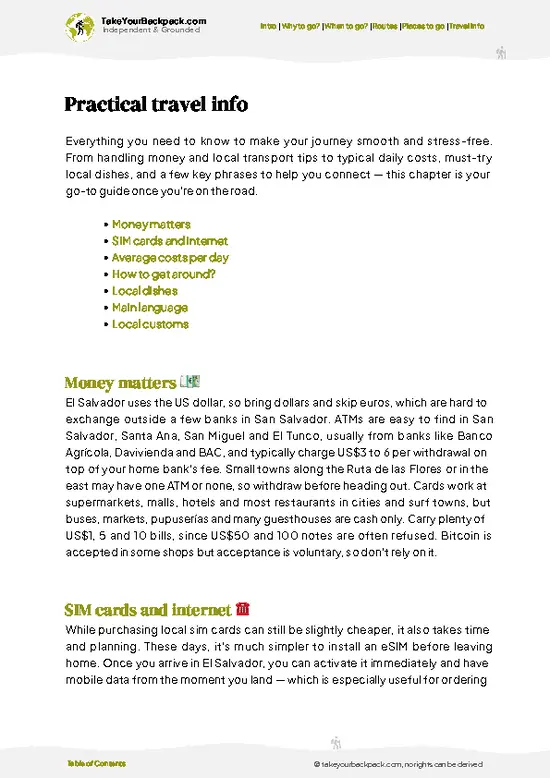
example page 3 from our offline Travel Guide for El Salvador
example page 4 from our offline Travel Guide for El Salvador
example page 5 from our offline Travel Guide for El Salvador
example page 6 from our offline Travel Guide for El Salvador
example page 7 from our offline Travel Guide for El Salvador
The digital guide (294 pages) contains:
✅ 77 highlights, ranked by travel appeal
✅ Optimized 5, 10 & 15-day travel routes
✅ Cities, national parks, landmarks, beaches
✅ How to get around
✅ Offline-friendly for travel without Wi-Fi
👉 Click to see all 30+ guide features

📅 Plan smarter in minutes, not weeks
✅ Month by month travel advice
✅ Festivals & national holidays
✅ Budget expectations

🗺️ Go to the right places, skip the overrated ones
✅ Honest pros & cons of destinations
✅ Top hikes, parks & viewpoints
✅ Lesser-known places most travelers miss
✅ Clear “worth it vs skip it” guidance

🛏️ Travel smoothly without rookie mistakes
✅ Best areas to stay
✅ Transport systems explained simply
✅ Common scams & safety advice
✅ SIM cards, money & practical tips

🌍 Understand the country, not just visit it
✅ Culture & traditions
✅ 52 Essential phrases & customs
✅ Festivals worth planning around
✅ Traveler-friendly historical context
✅ Insights that make places more meaningful

📱 Built for real travel conditions
✅ Fully downloadable PDF
✅ Works completely offline
✅ Optimized for phone use
✅ Useful in remote areas & buses
✅ Everything in one place
Save weeks of stressful planning
Get instant access to your full guide. 30‑day money-back guarantee.
+ Add another guide for just

By proceeding you agree to our terms.
Sent to your inbox immediately after payment • 100% Secure Checkout
Best Backpacking Travel Advisor 2025 tourism awardBest Backpacking
Travel Advisor
2025
What others say about Take Your Backpack Guides:
⭐⭐⭐⭐⭐
Fantastic, amazing amount of information!
⭐⭐⭐⭐⭐
My goodness this is amazing, it's what I've been looking for hats off too you!
⭐⭐⭐⭐⭐
I think this is absolutely BRILLIANT
⭐⭐⭐⭐
Very complete and informative. It's still missing places, but I gotta to commend you
⭐⭐⭐⭐⭐
This is truly amazing, thank you, can't wait to explore it with my kids!
⭐⭐⭐⭐⭐
Awesome resource, thank you!
⭐⭐⭐⭐⭐
This is amazing! Can't wait to explore the ones I haven't seen
⭐⭐⭐⭐
I love this! Well done, great idea.
⭐⭐⭐⭐⭐
Thanks for taking the time to make this gem!
⭐⭐⭐⭐⭐
This might be the best website I've ever seen.
⭐⭐⭐⭐⭐
Congratulations, and thank you so much for your work; it's incredibly valuable.
⭐⭐⭐⭐
In all seriousness I think you did a great job pointing out the important spots
⭐⭐⭐⭐⭐
10/10 very good
⭐⭐⭐⭐⭐
As someone who's only just starting to visit regularly this is awesome, thank you.
⭐⭐⭐⭐
Thank you very much! I'm going to visit my dad, it's going to be very useful!
⭐⭐⭐⭐⭐
This is really cool! We'll be travelling for the first time and this definitely come in handy.
⭐⭐⭐⭐⭐
You are now our minister of culture, congratulations 👨‍💼
⭐⭐⭐⭐⭐
Just wanted to tell you that this is a pearl! Going to follow your recommendations.
⭐⭐⭐⭐⭐
This is so cool. I'll definitely be using the resource for my travels soon.
⭐⭐⭐⭐⭐
This is very impressive! Good work.
⭐⭐⭐⭐⭐
This is an amazing and informative site. Very well done!

🛏️ Where to stay?Top Places to Consider Staying

El Salvador has a solid spread of hostels and budget guesthouses, with dorm beds typically US$10 to 18 and private rooms US$25 to 45. Surf towns El Tunco and El Zonte hold the most options, with El Tunco offering beach bars and late nights while El Zonte is calmer and better for longer surf stays. In San Salvador, the Colonia Escalón, San Benito and Flor Blanca areas are the safest, handy for restaurants and nightlife but a ride away from the historic center, while Santa Ana’s center and Juayúa on the Ruta de las Flores are quiet, cheap bases close to volcanoes and coffee farms.

If you enjoy meeting fellow travelers, consider choosing hostels with high ratings for atmosphere. On the other hand, … read more 👉
El Salvador has a solid spread of hostels and budget guesthouses, with dorm beds typically US$10 to 18 and private rooms US$25 to 45. Surf towns El Tunco and El Zonte hold the most options, with El Tunco offering beach bars and late nights while El Zonte is calmer and better for longer surf stays. In San Salvador, the Colonia Escalón, San Benito and Flor Blanca areas are the safest, handy for restaurants and nightlife but a ride away from the historic center, while Santa Ana’s center and Juayúa on the Ruta de las Flores are quiet, cheap bases close to volcanoes and coffee farms.

If you enjoy meeting fellow travelers, consider choosing hostels with high ratings for atmosphere. On the other hand, if you prefer having your own space, a hotel might be a better option.

El SalvadorMore Places Across El Salvador

👋 Meet the founderWho’s Behind Take Your Backpack?

Johan, backpacker and founder of TakeYourBackpackHi, I’m Johan (Netherlands 🇳🇱), the creator of TakeYourBackpack. Over the past 3 decades, I’ve backpacked through 90+ countries across six continents, gaining extensive experience with independent travel, long-term trips, and overland routes.

This site is built on a combination of firsthand travel experience and carefully curated insights from other backpackers. Many guides are based on places I’ve personally visited, while others bring together tips, observations, and practical advice shared by trusted travelers I’ve met along the way.

The goal is to provide realistic, experience-driven guidance — not generic itineraries — so you can explore destinations with better context, clearer expectations, and more confidence.