×

Eswatini🇸🇿 | landmarksNgwenya Glass Villageglassblowing studio, recycled art, craft workshops, local artisans | things to do and best time to go

Explore SimunyeExplore Maguga Dam

Backpacking in Ngwenya Glass Village
🏆 Top pickunique site ranked #1
By Johan Kruseman 🇳🇱 | Updated May 28, 2026

Let’s get real: most people show up at Ngwenya Glass Village expecting to watch molten glass swirl into animal figurines, snap a few photos, and tick off a quirky “eco-art” stop for their feed. But if you’re only here for the glass-blowing demo, you’re missing the real story. The magic isn’t in the souvenirs—it’s in the grit and ingenuity of a Swazi community that’s been recycling glass since the 1980s, long before “sustainable travel” was a hashtag. Tucked just outside Mbabane, near the border with South Africa, Ngwenya Glass Village is easy to reach by minibus or taxi, but don’t expect a hidden sanctuary. Tour buses roll in, and yes, the prices inside the shop can make a backpacker wince. Still, the energy is infectious—kids from the local school peering through the windows, artisans laughing as they work, the smell of hot glass and wood smoke. It’s not a world wonder, but it’s a rare chance to see real craft, real people, and a slice of Eswatini that’s more than just a photo op.

Discover everything you want to know in the 📖 Eswatini Travel Guide.


Get your Eswatini guide
46 ranked highlights, routes & tips, works offline (202 pages)
Loading the map 🌍
CLICK TO FILTER
cities
towns
landmarks
national parks
hikes
attractions
festivals
regions
SHOW COUNTRY’S BESTSHOW ALL

✨ Why go?
Ranked #1 unique site in Eswatini
What makes it a must-see unique site

Ngwenya Glass Village in Eswatini isn’t just another stop on the backpacking trail; it’s a hands-on experience that flips the script on typical tourist traps. Yes, you’ll find crowds, especially during peak season, but that’s part of the charm. Watching artisans blow glass is mesmerizing. You’re not just a spectator; you’re witnessing craftsmanship that’s been honed over generations.

The cost? Surprisingly low. You can stroll through the village for free, and if you want to snag a unique souvenir, prices are reasonable. This isn’t a flashy, overpriced gift shop; it’s about supporting local artists.

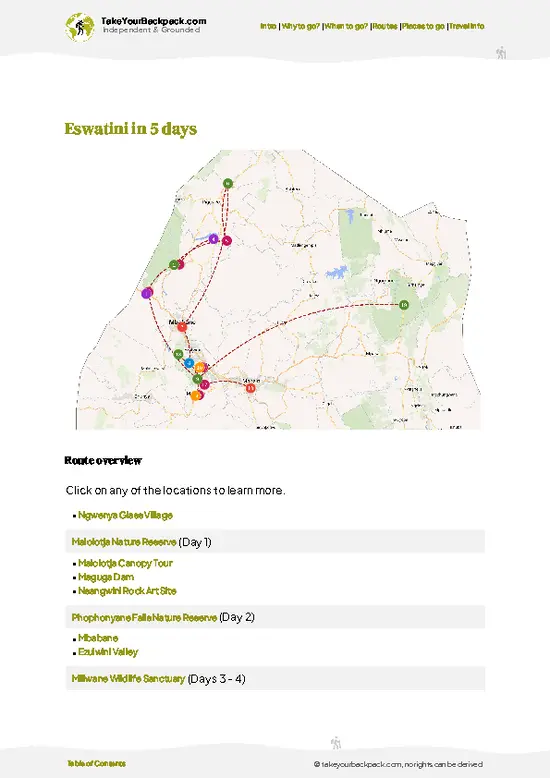
What makes Ngwenya truly special is its location. Nestled between other attractions like the Malolotja Nature Reserve and Hlane Royal National Park, it fits seamlessly into your itinerary. You … read more 👉
Ngwenya Glass Village in Eswatini isn’t just another stop on the backpacking trail; it’s a hands-on experience that flips the script on typical tourist traps. Yes, you’ll find crowds, especially during peak season, but that’s part of the charm. Watching artisans blow glass is mesmerizing. You’re not just a spectator; you’re witnessing craftsmanship that’s been honed over generations.

The cost? Surprisingly low. You can stroll through the village for free, and if you want to snag a unique souvenir, prices are reasonable. This isn’t a flashy, overpriced gift shop; it’s about supporting local artists.

What makes Ngwenya truly special is its location. Nestled between other attractions like the Malolotja Nature Reserve and Hlane Royal National Park, it fits seamlessly into your itinerary. You can hike in the morning, then pop over to the village in the afternoon for a refreshing change of pace.

This isn’t just a pit stop; it’s a chance to connect with the soul of Eswatini. The real magic lies in the stories shared, the skills displayed, and the community spirit that permeates the air. Don’t skip it.
Want to include Ngwenya Glass Village in your Eswatini route?
Create a personalized Eswatini itinerary that includes Ngwenya Glass Village and the places that fit your trip — based on your travel style, budget, and available time. Get your route in seconds.

Generate my trip

💡 HighlightsPlaces and moments you shouldn't skip

  • Live glassblowing demonstrations — Watch artisans transform molten recycled glass into bowls, vases and crazy-shaped art right in front of you; the speed and skill are addictive and it’s the best way to appreciate how much craft goes into each piece.
  • Upcycling and recycling story — The whole place is built around turning tossed bottles into useful and beautiful objects, so it’s both a creative workshop and a real-world lesson in waste reduction and sustainable tourism.
  • Unique glass sculptures and installations — Scattered around the village are large, quirky sculptures and display pieces you won’t see in a regular gallery; they make great photo stops and show how versatile recycled glass can be.
  • Hands-on bead-making and small workshops — Short, informal sessions (or live close-up demos)
read more 👉
  • Live glassblowing demonstrations — Watch artisans transform molten recycled glass into bowls, vases and crazy-shaped art right in front of you; the speed and skill are addictive and it’s the best way to appreciate how much craft goes into each piece.
  • Upcycling and recycling story — The whole place is built around turning tossed bottles into useful and beautiful objects, so it’s both a creative workshop and a real-world lesson in waste reduction and sustainable tourism.
  • Unique glass sculptures and installations — Scattered around the village are large, quirky sculptures and display pieces you won’t see in a regular gallery; they make great photo stops and show how versatile recycled glass can be.
  • Hands-on bead-making and small workshops — Short, informal sessions (or live close-up demos) let you try basic bead-making or see the smaller skills in action — fun if you like tactile experiences more than just watching.
  • Community and social-enterprise vibe — This isn’t just a craft shop: it supports local artisans and trainees, so visiting feels like supporting livelihoods and local craft traditions rather than just buying a souvenir.
  • Authentic shopping straight from the makers — The on-site shop carries everything from cheap, funky trinkets to finely crafted pieces; prices are generally fair and you’re buying directly from the people who made the items.
  • Sculpture garden and scenic nooks — Small paths, walls and viewing spots around the village are dotted with glass art and lookouts; it’s a relaxed place to wander, photograph details and soak up a different kind of craft-meets-nature atmosphere.
Spotted a mistake or missing something? Contact us.

🌤️ When to go?When to go for the best experience


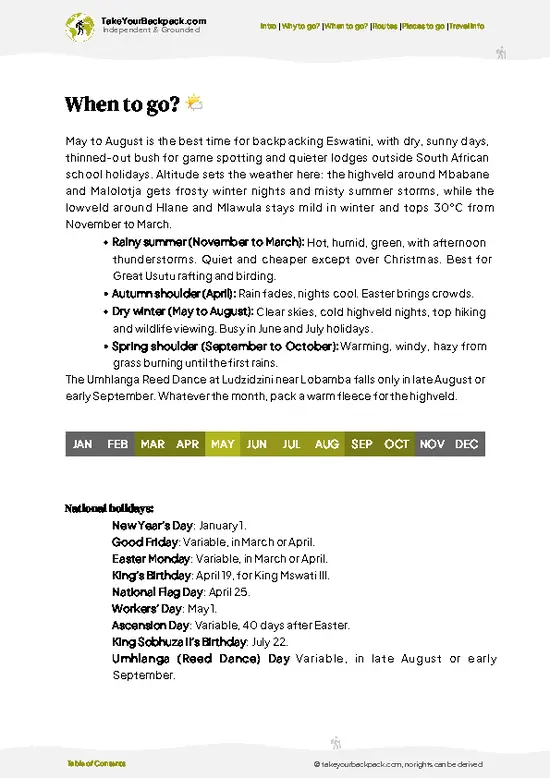
  • Weather: Ngwenya Glass Village is best visited during Eswatini’s dry season, from May to September. Expect crisp, cool days with temperatures around 15-25°C (59-77°F), perfect for wandering without sweating through your shirt. The rainy season (October to April) can turn the area muddy and less pleasant for exploring.

  • Temperature: Daytime highs in the dry months hover around 20-25°C (68-77°F), while nights can dip to 10-15°C (50-59°F). Pack layers—you’ll want a jacket for the evenings but can ditch it by midday.

  • Daylight Hours: Dry season means shorter days, roughly 10-11 hours of daylight. Plan your visit mid-morning to mid-afternoon to catch the glassblowers in action and soak up the village’s vibe without rushing.

  • Crowds: The village draws a steady trickle of tourists year-round,
read more 👉

  • Weather: Ngwenya Glass Village is best visited during Eswatini’s dry season, from May to September. Expect crisp, cool days with temperatures around 15-25°C (59-77°F), perfect for wandering without sweating through your shirt. The rainy season (October to April) can turn the area muddy and less pleasant for exploring.

  • Temperature: Daytime highs in the dry months hover around 20-25°C (68-77°F), while nights can dip to 10-15°C (50-59°F). Pack layers—you’ll want a jacket for the evenings but can ditch it by midday.

  • Daylight Hours: Dry season means shorter days, roughly 10-11 hours of daylight. Plan your visit mid-morning to mid-afternoon to catch the glassblowers in action and soak up the village’s vibe without rushing.

  • Crowds: The village draws a steady trickle of tourists year-round, but the dry season sees a noticeable bump. Weekdays are quieter; weekends and holidays bring in local families and tour groups, which can dilute the intimate feel.

  • Seasonal Activities: The dry months coincide with more outdoor demonstrations and workshops. Glassblowers are more active, and you’ll find special events or markets popping up, adding layers to the experience beyond just watching glass melt and shape.

  • Price Fluctuations: Prices for workshops and souvenirs stay fairly stable year-round, but accommodation nearby can spike during peak dry season and holidays. Booking ahead saves headaches and cash.


Pro-tip: Aim for a weekday visit in the dry season’s shoulder months (May or September) to dodge crowds, enjoy cooler temps, and catch the village at its most authentic rhythm.


source: climatestotravel.comJANJanuary: fair for travelingFEBFebruary: fair for travelingMARMarch: fair for travelingAPRApril: fair for travelingMAYMay: highly recommended for travelingJUNJune: excellent for travelingJULJuly: excellent for travelingAUGAugust: excellent for travelingSEPSeptember: highly recommended for travelingOCTOctober: fair for travelingNOVNovember: fair for travelingDECDecember: fair for traveling
when-to-go

✈️ The backpacker research shortcutEswatini Travel Guide

An offline-friendly backpacking guide with optimized travel routes, ranked highlights, transport advice, and the best areas to stay.
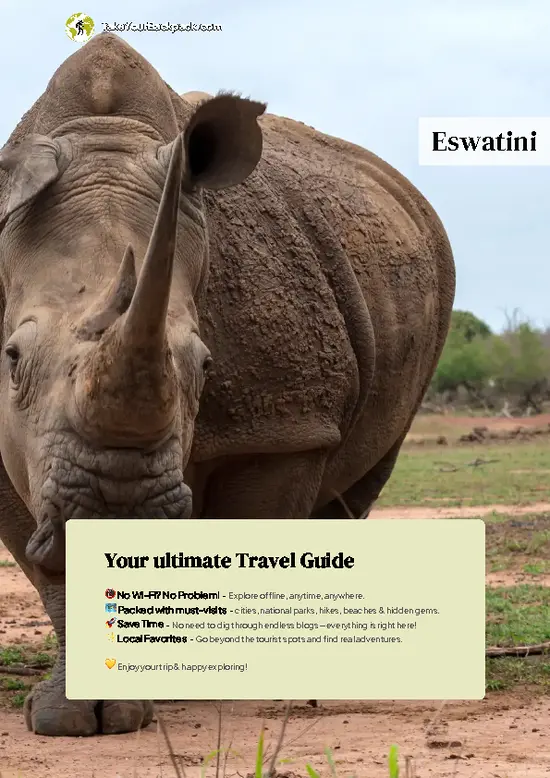
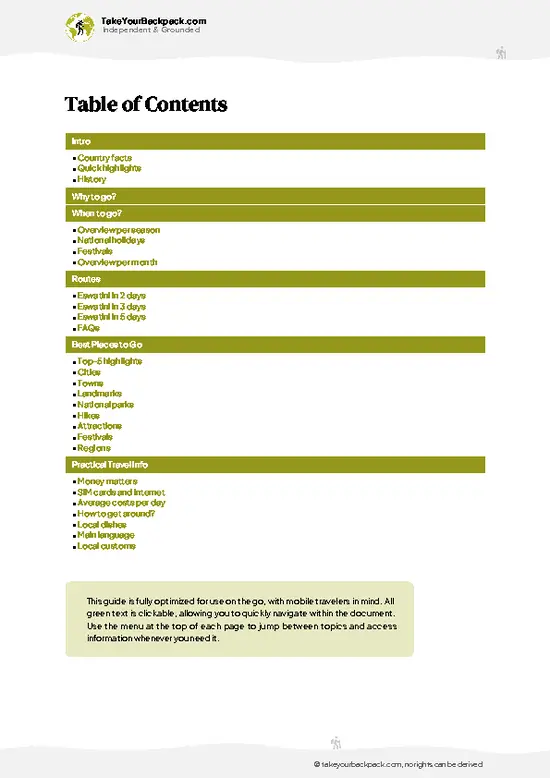
example page 0 from our offline Travel Guide for Eswatini
example page 1 from our offline Travel Guide for Eswatini
example page 2 from our offline Travel Guide for Eswatini
example page 3 from our offline Travel Guide for Eswatini
example page 4 from our offline Travel Guide for Eswatini
example page 5 from our offline Travel Guide for Eswatini
example page 6 from our offline Travel Guide for Eswatini
example page 7 from our offline Travel Guide for Eswatini
The digital guide (202 pages) contains:
46 highlights, ranked by travel appeal
Optimized 2, 3 & 5-day travel routes
Cities, national parks, landmarks, beaches
How to get around
Offline-friendly for travel without Wi-Fi
👉 Click to see all 30+ guide features

📅 Plan smarter in minutes, not weeks
Month by month travel advice
Festivals & national holidays
Budget expectations

🗺️ Go to the right places, skip the overrated ones
Honest pros & cons of destinations
Top hikes, parks & viewpoints
Lesser-known places most travelers miss
Clear “worth it vs skip it” guidance

🛏️ Travel smoothly without rookie mistakes
Best areas to stay
Transport systems explained simply
Common scams & safety advice
SIM cards, money & practical tips

🌍 Understand the country, not just visit it
Culture & traditions
52 Essential phrases & customs
Festivals worth planning around
Traveler-friendly historical context
Insights that make places more meaningful

📱 Built for real travel conditions
Fully downloadable PDF
Works completely offline
Optimized for phone use
Useful in remote areas & buses
Everything in one place
Save weeks of stressful planning
Get instant access to your full guide. 30‑day money-back guarantee.


By proceeding you agree to our terms.
Sent to your inbox immediately after payment • 100% Secure Checkout
Best Backpacking Travel Advisor 2025 tourism awardBest Backpacking
Travel Advisor
2025
What others say about Take Your Backpack Guides:
⭐⭐⭐⭐⭐
Fantastic, amazing amount of information!
⭐⭐⭐⭐⭐
My goodness this is amazing, it's what I've been looking for hats off too you!
⭐⭐⭐⭐⭐
I think this is absolutely BRILLIANT
⭐⭐⭐⭐
Very complete and informative. It's still missing places, but I gotta to commend you
⭐⭐⭐⭐⭐
This is truly amazing, thank you, can't wait to explore it with my kids!
⭐⭐⭐⭐⭐
Awesome resource, thank you!
⭐⭐⭐⭐⭐
This is amazing! Can't wait to explore the ones I haven't seen
⭐⭐⭐⭐
I love this! Well done, great idea.
⭐⭐⭐⭐⭐
Thanks for taking the time to make this gem!
⭐⭐⭐⭐⭐
This might be the best website I've ever seen.
⭐⭐⭐⭐⭐
Congratulations, and thank you so much for your work; it's incredibly valuable.
⭐⭐⭐⭐
In all seriousness I think you did a great job pointing out the important spots
⭐⭐⭐⭐⭐
10/10 very good
⭐⭐⭐⭐⭐
As someone who's only just starting to visit regularly this is awesome, thank you.
⭐⭐⭐⭐
Thank you very much! I'm going to visit my dad, it's going to be very useful!
⭐⭐⭐⭐⭐
This is really cool! We'll be travelling for the first time and this definitely come in handy.
⭐⭐⭐⭐⭐
You are now our minister of culture, congratulations 👨‍💼
⭐⭐⭐⭐⭐
Just wanted to tell you that this is a pearl! Going to follow your recommendations.
⭐⭐⭐⭐⭐
This is so cool. I'll definitely be using the resource for my travels soon.
⭐⭐⭐⭐⭐
This is very impressive! Good work.
⭐⭐⭐⭐⭐
This is an amazing and informative site. Very well done!

🛏️ Where to stay?How to pick the right area

Staying near Ngwenya Glass Village in Eswatini can be a mixed bag. The village itself is a fascinating spot where you can watch artisans create stunning glass pieces. But let’s get real about where to crash.

First off, consider the area around Mbabane. It’s a short drive from the glass village and offers a variety of budget-friendly accommodations. You’ll find a mix of backpacker lodges and guesthouses that cater to solo travelers. The vibe is social, making it easy to connect with fellow adventurers. Plus, you can explore local markets and eateries without breaking the bank.

Another option … read more 👉
Staying near Ngwenya Glass Village in Eswatini can be a mixed bag. The village itself is a fascinating spot where you can watch artisans create stunning glass pieces. But let’s get real about where to crash.

First off, consider the area around Mbabane. It’s a short drive from the glass village and offers a variety of budget-friendly accommodations. You’ll find a mix of backpacker lodges and guesthouses that cater to solo travelers. The vibe is social, making it easy to connect with fellow adventurers. Plus, you can explore local markets and eateries without breaking the bank.

Another option is the town of Piggs Peak. It’s a bit more off the beaten path, but that’s part of its charm. Here, you’ll find cozy lodges and campsites that offer a more intimate experience with nature. The scenery is breathtaking, and you’ll have the chance to meet locals who are often eager to share their stories.

Both areas are generally safe, but always trust your instincts. The real magic lies in the connections you make and the stories you gather. So, choose a spot that feels right, and dive into the authentic culture that surrounds you.

👛 Costs (as of 23 April 2026)How expensive it really is

Visiting Ngwenya Glass Village in Eswatini can be a rewarding experience, but it’s essential to know what to expect in terms of costs.
  • Entrance Fee: Expect to pay around $5 to $10 USD. This fee grants you access to the glass-making demonstrations and the opportunity to explore the village. It’s a small price for a glimpse into the craftsmanship that goes into each piece.
  • Workshops: If you’re feeling adventurous, workshops range from $30 to $100 USD, depending on the type of experience you choose. You can create your own glass art, which is a fantastic way to connect with the craft and take home a unique souvenir.
  • Shopping: Prices for glass products vary widely. Small items like ornaments start at around $10 USD, while larger pieces can go up to $200 USD or more. It’s worth browsing; the quality
read more 👉
Visiting Ngwenya Glass Village in Eswatini can be a rewarding experience, but it’s essential to know what to expect in terms of costs.
  • Entrance Fee: Expect to pay around $5 to $10 USD. This fee grants you access to the glass-making demonstrations and the opportunity to explore the village. It’s a small price for a glimpse into the craftsmanship that goes into each piece.
  • Workshops: If you’re feeling adventurous, workshops range from $30 to $100 USD, depending on the type of experience you choose. You can create your own glass art, which is a fantastic way to connect with the craft and take home a unique souvenir.
  • Shopping: Prices for glass products vary widely. Small items like ornaments start at around $10 USD, while larger pieces can go up to $200 USD or more. It’s worth browsing; the quality is impressive, and you’re supporting local artisans.
  • Food and Drink: Dining options on-site can cost between $5 to $15 USD for a meal. The local cuisine is a treat, and grabbing a bite while enjoying the view adds to the experience.
  • Transportation: If you’re traveling from Mbabane or Manzini, expect to spend about $10 to $20 USD on a taxi or shuttle. Public transport is cheaper but less convenient, so factor in your comfort level.

Understanding these costs helps you budget wisely. Ngwenya Glass Village is more than just a tourist stop; it’s a chance to witness and participate in a craft that’s deeply rooted in local culture.


source: thekingdomofeswatini.com
⚠️ Prices can change and everyone travels differently, so take this as a rough guide. Hope it helps you plan your adventure!

Where to go next

Ngwenya Glass Village isn’t the only highlight in Eswatini. Explore all what Eswatini has to offer.
Country photo of Eswatini

We 💚 feedbackIs it worth it?

Ngwenya Glass Village is a mixed bag, but it’s got heart. Yes, you’ll dodge crowds and overpriced trinkets, but the real magic lies in watching artisans blow glass right before your eyes. That moment when a molten blob transforms into something beautiful? Pure gold. Just be ready for the heat—both from the furnace and the sun. Bring water and a hat. If you’re open to the experience, you’ll leave with a piece of art and a story worth sharing.

✍️ Help improve this page!
The information on this page is based on in-depth research, insights shared by experienced travelers, and feedback from the local travel community in Eswatini. While every effort is made to keep the information accurate and current, conditions can change — so if you spot anything incorrect or outdated, please get in touch.


🙋‍♂️ Give feedback

👋 Meet the founderWho’s Behind Take Your Backpack?

Johan, backpacker and founder of TakeYourBackpackHi, I’m Johan (Netherlands 🇳🇱), the creator of TakeYourBackpack. Over the past decade, I’ve backpacked through 80+ countries across six continents, gaining extensive experience with independent travel, long-term trips, and overland routes.

This site is built on a combination of firsthand travel experience and carefully curated insights from other backpackers. Many guides are based on places I’ve personally visited, while others bring together tips, observations, and practical advice shared by trusted travelers I’ve met along the way.

The goal is to provide realistic, experience-driven guidance — not generic itineraries — so you can explore destinations with better context, clearer expectations, and more confidence.

Get full Eswatini guide •
Instant download • 46 highlights • Full Offline guide