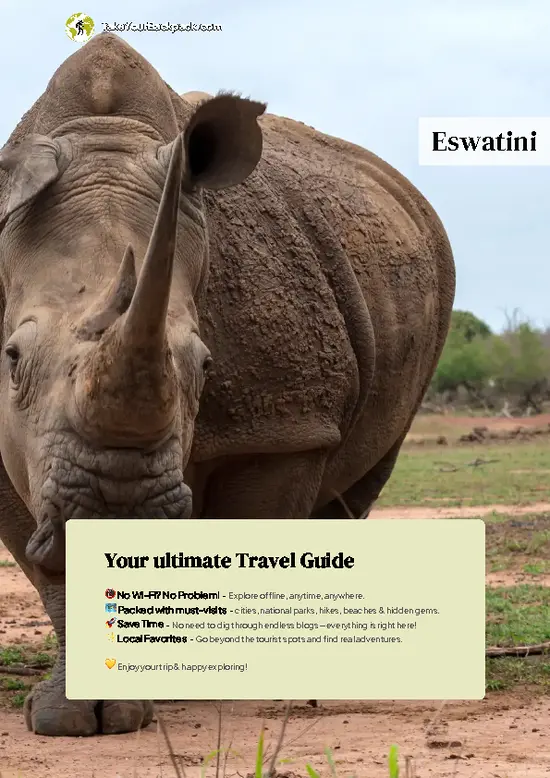

The Main Shelter: The Heart of Nsangwini
This is where the real story unfolds—literally, on the rock face. Forget the Instagram fantasy of a lonely explorer discovering ancient secrets. You’ll probably share the space with a handful of other travelers and a local guide, but that’s part of the charm. The main shelter’s paintings are the best-preserved in Eswatini, with ochre and white figures that leap out at you: hunters, antelope, and trance-dancing shamans. The artistry is raw and direct, not the polished museum version. You’re looking at the work of San people, painted up to 4,000 years ago, and it’s still got bite. The sense of time collapse—standing where someone else stood millennia ago, painting their world—is the real magic. No filter needed.
The Guided Walk: Storytelling With Teeth
You … read more 👉
This is where the real story unfolds—literally, on the rock face. Forget the Instagram fantasy of a lonely explorer discovering ancient secrets. You’ll probably share the space with a handful of other travelers and a local guide, but that’s part of the charm. The main shelter’s paintings are the best-preserved in Eswatini, with ochre and white figures that leap out at you: hunters, antelope, and trance-dancing shamans. The artistry is raw and direct, not the polished museum version. You’re looking at the work of San people, painted up to 4,000 years ago, and it’s still got bite. The sense of time collapse—standing where someone else stood millennia ago, painting their world—is the real magic. No filter needed.
The Guided Walk: Storytelling With Teeth
You … read more 👉
The Main Shelter: The Heart of Nsangwini
This is where the real story unfolds—literally, on the rock face. Forget the Instagram fantasy of a lonely explorer discovering ancient secrets. You’ll probably share the space with a handful of other travelers and a local guide, but that’s part of the charm. The main shelter’s paintings are the best-preserved in Eswatini, with ochre and white figures that leap out at you: hunters, antelope, and trance-dancing shamans. The artistry is raw and direct, not the polished museum version. You’re looking at the work of San people, painted up to 4,000 years ago, and it’s still got bite. The sense of time collapse—standing where someone else stood millennia ago, painting their world—is the real magic. No filter needed.
The Guided Walk: Storytelling With Teeth
You don’t just wander in. Local guides run the show, and that’s a good thing. They’re not reciting from a script—they’re translating a worldview. Expect blunt honesty about what’s known and what’s guesswork. You’ll hear about the San’s trance rituals, the meaning behind the eland (spoiler: it’s not just dinner), and the spiritual logic behind the art. The guides’ pride is infectious, and their candor cuts through any romantic nonsense. This is living heritage, not a fossilized diorama.
The View Over the Komati River Gorge
Here’s where the Instagrammers get it right—sort of. The view is wild, not manicured. You’re perched above a gorge that drops away into tangled bush and river, with vultures riding the thermals. It’s not a backdrop; it’s a reminder that the San artists lived in a place that demanded respect. The wind, the silence, the sense of exposure—this is the Eswatini that doesn’t make it onto postcards.
The Walk-In: Earning Your Awe
You don’t drive up to a turnstile. There’s a short, steep walk down a rocky path, and it’s not for flip-flops or anyone expecting a theme park. The approach is part of the experience. You feel the land under your boots, the heat, the dust, the anticipation. By the time you reach the shelter, you’ve earned the view—and the art feels less like a display and more like a secret you’ve been let in on.
The Silence and Scale
No crowds, no vendors, no piped-in music. Just you, the rock, and the ghosts of artists past. The scale is intimate—this isn’t a grand amphitheater, but a human-sized canvas. The silence is thick, broken only by birds or the wind. It’s a rare kind of entertainment: the thrill of presence, the weight of history, and the realization that the best stories don’t need hashtags.
This is where the real story unfolds—literally, on the rock face. Forget the Instagram fantasy of a lonely explorer discovering ancient secrets. You’ll probably share the space with a handful of other travelers and a local guide, but that’s part of the charm. The main shelter’s paintings are the best-preserved in Eswatini, with ochre and white figures that leap out at you: hunters, antelope, and trance-dancing shamans. The artistry is raw and direct, not the polished museum version. You’re looking at the work of San people, painted up to 4,000 years ago, and it’s still got bite. The sense of time collapse—standing where someone else stood millennia ago, painting their world—is the real magic. No filter needed.
The Guided Walk: Storytelling With Teeth
You don’t just wander in. Local guides run the show, and that’s a good thing. They’re not reciting from a script—they’re translating a worldview. Expect blunt honesty about what’s known and what’s guesswork. You’ll hear about the San’s trance rituals, the meaning behind the eland (spoiler: it’s not just dinner), and the spiritual logic behind the art. The guides’ pride is infectious, and their candor cuts through any romantic nonsense. This is living heritage, not a fossilized diorama.
The View Over the Komati River Gorge
Here’s where the Instagrammers get it right—sort of. The view is wild, not manicured. You’re perched above a gorge that drops away into tangled bush and river, with vultures riding the thermals. It’s not a backdrop; it’s a reminder that the San artists lived in a place that demanded respect. The wind, the silence, the sense of exposure—this is the Eswatini that doesn’t make it onto postcards.
The Walk-In: Earning Your Awe
You don’t drive up to a turnstile. There’s a short, steep walk down a rocky path, and it’s not for flip-flops or anyone expecting a theme park. The approach is part of the experience. You feel the land under your boots, the heat, the dust, the anticipation. By the time you reach the shelter, you’ve earned the view—and the art feels less like a display and more like a secret you’ve been let in on.
The Silence and Scale
No crowds, no vendors, no piped-in music. Just you, the rock, and the ghosts of artists past. The scale is intimate—this isn’t a grand amphitheater, but a human-sized canvas. The silence is thick, broken only by birds or the wind. It’s a rare kind of entertainment: the thrill of presence, the weight of history, and the realization that the best stories don’t need hashtags.
Spotted a mistake or missing something? Contact us.
v2.webp)

Best Backpacking
Hi, I’m Johan (Netherlands 🇳🇱), the creator of TakeYourBackpack. Over the past decade, I’ve backpacked through 80+ countries across six continents, gaining extensive experience with independent travel, long-term trips, and overland routes.