v2.webp)
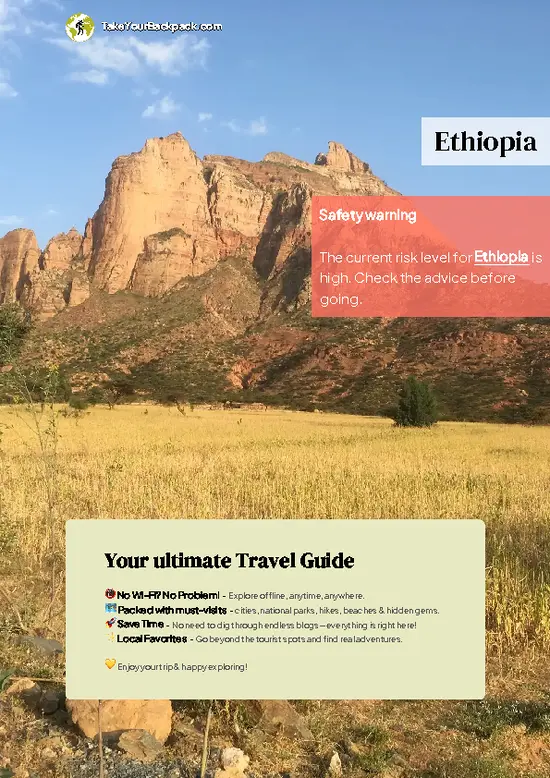
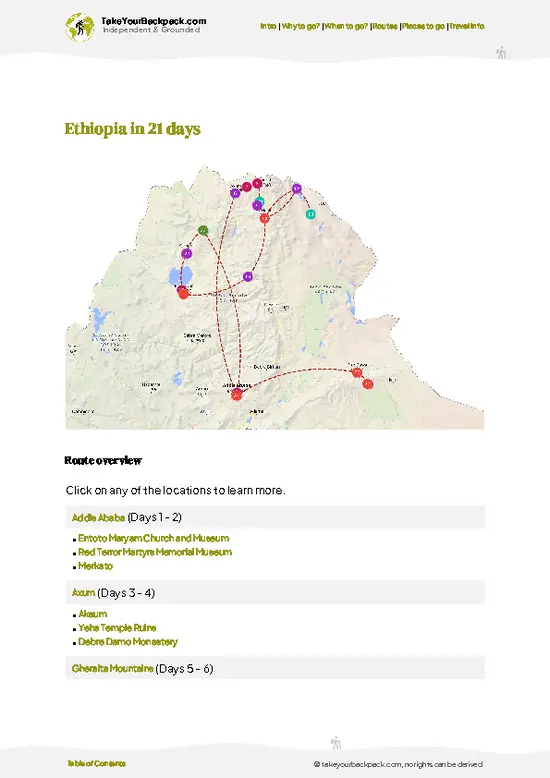

- Midnight (pre-dawn) church service and procession — The whole festival pivots on this: candlelit churches, priests in ornate robes swinging incense, and long, hypnotic chants (Zema) that stretch into the dark. It’s intense and atmospheric in a way few religious ceremonies are — you feel the moment shift from solemn to joyful as the sun rises. (Personal favorite — nothing beats that quiet-turned-electric feeling at 4 a.m.)
- Breaking the fast: the communal feast — After a long Lent of vegan eating for many, families and neighborhoods gather around huge injera platters piled with doro wat, tibs, lentils and celebratory stews. Food isn’t just fuel here; it’s ritual, hospitality and competition — who made the best spice blend? Expect shared bowls, loud toasts, and the unmistakable smell of berbere
- Midnight (pre-dawn) church service and procession — The whole festival pivots on this: candlelit churches, priests in ornate robes swinging incense, and long, hypnotic chants (Zema) that stretch into the dark. It’s intense and atmospheric in a way few religious ceremonies are — you feel the moment shift from solemn to joyful as the sun rises. (Personal favorite — nothing beats that quiet-turned-electric feeling at 4 a.m.)
- Breaking the fast: the communal feast — After a long Lent of vegan eating for many, families and neighborhoods gather around huge injera platters piled with doro wat, tibs, lentils and celebratory stews. Food isn’t just fuel here; it’s ritual, hospitality and competition — who made the best spice blend? Expect shared bowls, loud toasts, and the unmistakable smell of berbere and clarified butter.
- Traditional singing and dancing — From church choirs’ layered harmonies to the secular, joyfully physical eskista (shoulder dance) in the streets, music moves the day. Local bands, drummers and spontaneous dance circles turn courtyards and market squares into party zones by afternoon — a perfect place to jump in and learn a few moves.
- White garments and the visual pageant — Men, women and kids draped in white cotton shawls (shamma/netela) give the cities and villages a striking, almost timeless look. It’s not just fashion — the clothes mark respect and renewal. The sight of entire streets in white, with colorful children and carved crosses, is one of those photo moments that actually lives up to the picture.
- Pilgrimage and congregations at historic churches — Fasika draws people to Ethiopia’s holy sites: rock-hewn churches, lakeside monasteries and hilltop chapels swell with worshippers. The sense of continuity — centuries of the same rites, the same routes — is powerful. Even if you don’t do a multi-day trek, visiting a big church cluster during Fasika shows the festival’s scale and devotion like nothing else.
Spotted a mistake or missing something? Contact us.
 Best Backpacking
.jpg) Hi, I’m Johan (Netherlands 🇳🇱), the creator of TakeYourBackpack. Over the past 3 decades, I’ve backpacked through 90+ countries across six continents, gaining extensive experience with independent travel, long-term trips, and overland routes.
Hi, I’m Johan (Netherlands 🇳🇱), the creator of TakeYourBackpack. Over the past 3 decades, I’ve backpacked through 90+ countries across six continents, gaining extensive experience with independent travel, long-term trips, and overland routes.