×

Ethiopia🇪🇹 | regionsKonso Cultural Landscapeterraced hills, fortified villages, wooden grave markers, dryland farming | things to do and best time to go

Explore Senkele Swayne’s Hartebeest SanctuaryExplore Lake Tana

Backpacking in Konso Cultural Landscape
UNESCO World Heritage site
🌟 Highlightregion ranked #2
By Johan Kruseman 🇳🇱 | Updated September 3, 2026

Everyone’s heard that people flock to the Konso Cultural Landscape for its UNESCO status—those terraced hills and fortress-like villages that look like a set piece from a lost civilization. But here’s the real secret: the magic isn’t in the plaques or the photo ops, it’s in the rhythm of daily life and the stubborn, inventive spirit of the Konso people. Tucked in Ethiopia’s far south, just north of the Omo Valley, Konso is a world away from the tourist conveyor belt of Lalibela or the Simien Mountains. Backpackers get a raw, honest slice of Ethiopia here—think bone-dry hills carved by hand, totem fields, and elders who’ll size you up with a grin before launching into stories. It’s cheap, but the transport is slow and rough, and you’ll earn every kilometer. The vibe is earthy, not overrun, but don’t expect nightlife or a buffet of activities. Compared to the Omo tribes’ spectacle or Bale’s wild peaks, Konso is quieter, more lived-in, and, if you’re patient, deeply rewarding.

Discover everything you want to know in the 📖 Ethiopia Travel Guide.
Safety warning

The current risk level for Ethiopia is high. Check the advice before going.


Get your Ethiopia guide
100 ranked highlights, routes & tips, works offline (387 pages)
Loading the map 🌍
CLICK TO FILTER
cities
towns
landmarks
national parks
hikes
attractions
festivals
regions
SHOW COUNTRY’S BESTSHOW ALL

✨ Why go?
Ranked #2 region in Ethiopia
Why Konso Cultural Landscape should be on your travel list

In the Konso Cultural Landscape, backpackers find a sweet spot where nature and culture collide. This region offers a variety of landscapes—from terraced hills to vibrant villages—without the hassle of constant relocation. You can soak in the rich traditions of the Konso people while hiking through stunning scenery, making it a perfect blend of slow travel and immersive experiences.

Transport here is surprisingly flexible. You can hop on a local bus or even rent a bike to explore at your own pace. This means you can easily shift from a cultural tour in a village to a nature hike in the hills, all in one day.

The beauty of Konso is that it allows you to dive deep into the local way of life while still enjoying the great outdoors. You’re not just ticking boxes; you’re savoring each moment. … read more 👉
In the Konso Cultural Landscape, backpackers find a sweet spot where nature and culture collide. This region offers a variety of landscapes—from terraced hills to vibrant villages—without the hassle of constant relocation. You can soak in the rich traditions of the Konso people while hiking through stunning scenery, making it a perfect blend of slow travel and immersive experiences.

Transport here is surprisingly flexible. You can hop on a local bus or even rent a bike to explore at your own pace. This means you can easily shift from a cultural tour in a village to a nature hike in the hills, all in one day.

The beauty of Konso is that it allows you to dive deep into the local way of life while still enjoying the great outdoors. You’re not just ticking boxes; you’re savoring each moment. This is where you can truly appreciate the art of travel—balancing time, money, and comfort for high-value experiences that stick with you long after you leave.
Want to include Konso Cultural Landscape in your Ethiopia route?
Create a personalized Ethiopia itinerary that includes Konso Cultural Landscape and the places that fit your trip — based on your travel style, budget, and available time. Get your route in seconds.

Generate my trip

💡 HighlightsDon't-miss highlights and experiences

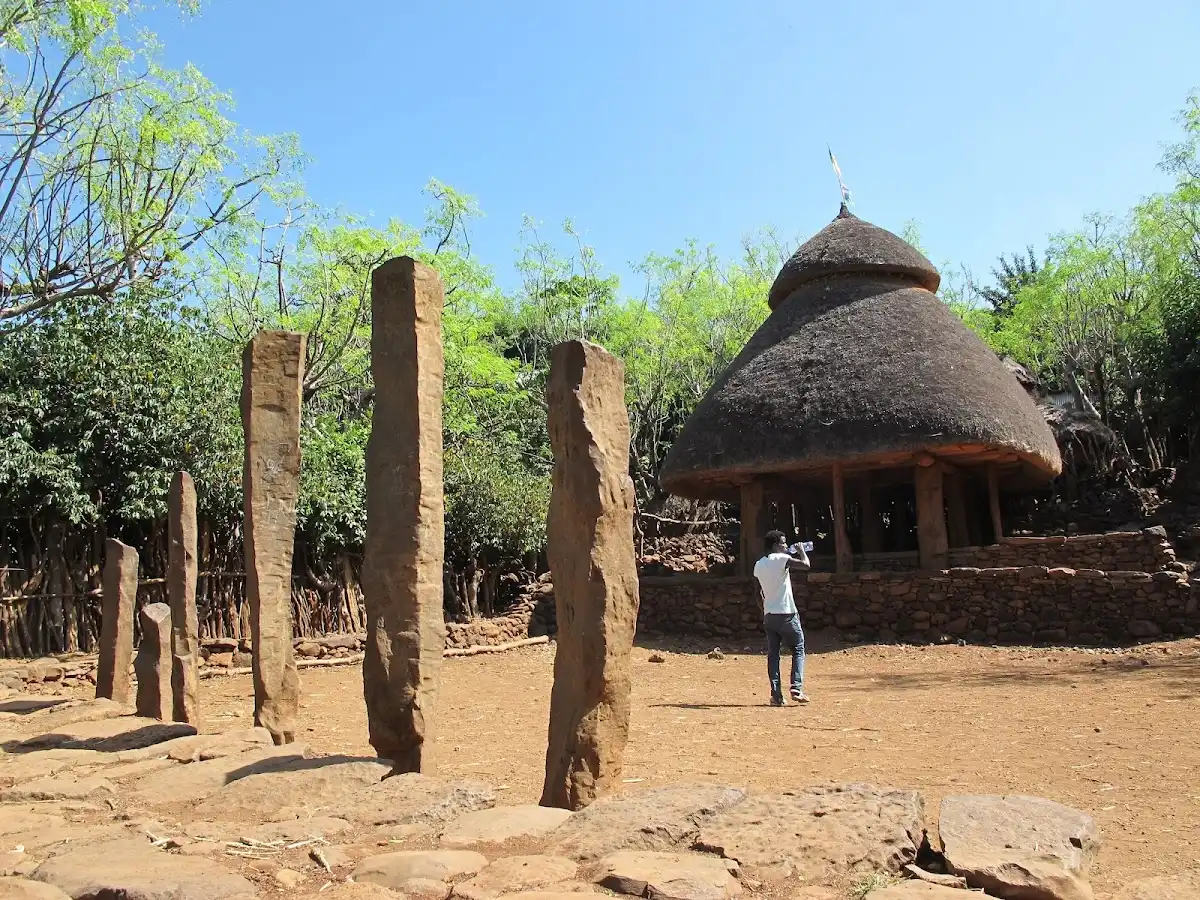
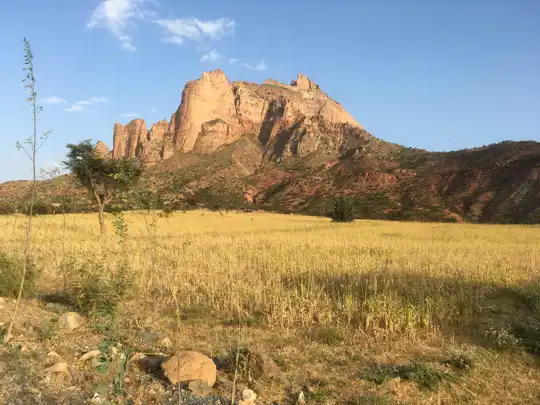
  • Stone-walled terraced fields — The hand-built, dry-stone terraces that stitch the hills together are the single defining thing about Konso: massive, neat bands of agriculture held by stone retaining walls that you can walk along, touch, and watch families tend. Seeing how the terraces follow the contours is a study in low-tech landscape engineering you won’t mistake for anything else in Ethiopia.
  • Traditional fortified Konso villages (palisaded compounds) — Konso settlements are compact, with houses gathered inside low stone walls and wooden palisades; the layout, clan compounds and watch-posts feel like living history. Walk inside a village and you’ll get the social geography—where elders sit, where ceremonies happen—rather than a staged “cultural show.”
  • Waga memorial statues — These tall,
read more 👉
  • Stone-walled terraced fields — The hand-built, dry-stone terraces that stitch the hills together are the single defining thing about Konso: massive, neat bands of agriculture held by stone retaining walls that you can walk along, touch, and watch families tend. Seeing how the terraces follow the contours is a study in low-tech landscape engineering you won’t mistake for anything else in Ethiopia.
  • Traditional fortified Konso villages (palisaded compounds) — Konso settlements are compact, with houses gathered inside low stone walls and wooden palisades; the layout, clan compounds and watch-posts feel like living history. Walk inside a village and you’ll get the social geography—where elders sit, where ceremonies happen—rather than a staged “cultural show.”
  • Waga memorial statues — These tall, carved wooden figures placed beside graves are unique to Konso: stylized human forms, sometimes with symbols of the deceased’s life. They’re not museum pieces—many still stand in village squares and graveyards, telling personal stories in a very practical, local way.
  • Karat town and market — Karat is the main hub inside the landscape: dusty lanes, stone-built houses and an energetic market where you’ll see Konso dress, barter, and carry produce off the terraces. Markets are where strangers become acquaintances fast—great for photos, but better for tea and a chat with a vendor.
  • Village homestays and daily-life visits — Staying with a Konso family (or spending a day helping with threshing, food prep or pit-oven baking) is how the culture actually makes sense. It’s low-budget, unglamorous, and honest: you leave with an understanding of seasonal rhythms rather than souvenirs.
  • Funerary cairns and tumulus clusters — Scattered earthen mounds and stone cairns mark old burial places that form a quiet, tangible layer of history across the slopes. The sites aren’t theatrical; they’re integrated into fields and paths, which makes them powerful and immediate when you stumble on one.
  • Ridge walks and terrace viewpoints (personal favorite) — Hiking a ridge at dawn or dusk to look back over the stitched terraces, villages and gullies is my go-to in Konso: light, shadow and tiny human figures working the land make the place feel lived-in and enormous at the same time. Bring water, go slow, and pick a local kid to point out the family plots—instant context.
  • (Hidden gem) Waga carvers’ compounds — Off the main trail you can find small clusters of carvers still making waga and ritual knives; watching someone finish a figure with simple tools is quietly brilliant. Most visitors miss these studios because they’re behind family compounds, but a polite ask goes a long way.
  • (Hidden gem) Dry-stone repair demonstrations with local masons — The terrace walls need constant fixing; a few villages welcome visitors to watch (or try) the traditional stone-laying techniques. It’s practical, hands-on, cheap, and you learn a craft that keeps the whole landscape alive.
  • (Hidden gem) Outlying hamlet with storytelling elders — Small hamlets tucked between terraces often host older elders who still tell genealogies, clan stories and local laws that explain why fields are where they are. These are not staged “performances”—they’re the community archive, and most tourists never get invited in.
Spotted a mistake or missing something? Contact us.

Things to do near Konso Cultural Landscape

Ratings based on Tripadvisor reviews. When you book through this link, you support our work at no extra cost to you.

⌛️ 5 days5-day itinerary for Konso Cultural Landscape

Day 1: Arba Minch
Start your journey in Arba Minch, the gateway to the Konso Cultural Landscape. This town is your launchpad, with decent accommodations and a vibrant market scene. You’ll want to acclimate here, as the transport system is a bit of a puzzle. Buses and shared taxis are the main modes of transport, but they operate on their own schedule. Spend the day exploring the local culture, sampling the delicious grilled fish from Lake Chamo, and getting your bearings.

Day 2: Konso
Hit the road early to Konso, about a two-hour drive. The scenery is stunning, with terraced hills and traditional villages dotting the landscape. This is where the real magic begins. Konso is known for its unique cultural practices and the famous Konso people, who are incredibly welcoming. Spend the day … read more 👉
Day 1: Arba Minch
Start your journey in Arba Minch, the gateway to the Konso Cultural Landscape. This town is your launchpad, with decent accommodations and a vibrant market scene. You’ll want to acclimate here, as the transport system is a bit of a puzzle. Buses and shared taxis are the main modes of transport, but they operate on their own schedule. Spend the day exploring the local culture, sampling the delicious grilled fish from Lake Chamo, and getting your bearings.

Day 2: Konso
Hit the road early to Konso, about a two-hour drive. The scenery is stunning, with terraced hills and traditional villages dotting the landscape. This is where the real magic begins. Konso is known for its unique cultural practices and the famous Konso people, who are incredibly welcoming. Spend the day visiting the village and learning about their fascinating customs. The transport here is limited, so take your time to soak it all in.

Day 3: Tsemay
From Konso, head to Tsemay, a roughly 1.5-hour journey. This area is less frequented by tourists, giving you a more authentic experience. The Tsemay people have their own distinct traditions, and you’ll find vibrant markets and colorful attire. This is a great opportunity to interact with locals and maybe even join a traditional dance.

Day 4: Off-Path Reward - Chencha
Take a detour to Chencha, about an hour from Arba Minch. This village is famous for its weaving and the Dorze people, who create stunning textiles. It’s a bit off the main route, but the craftsmanship is worth it. You’ll get a chance to see the weaving process and even try your hand at it.

Day 5: Back to Arba Minch
Return to Arba Minch for your final day. Use this time to relax, visit the crocodile market, or take a boat trip on Lake Chamo. This day is about winding down and reflecting on your journey.

If you can only pick one day, make it Day 2 in Konso. The cultural immersion and the chance to connect with the locals will leave you with stories that last a lifetime.
Turn your Konso Cultural Landscape visit into an Ethiopia adventure
Build a complete Ethiopia route with Konso Cultural Landscape, hidden gems, must-see destinations, and realistic travel times included.

Generate my trip

🌤️ When to go?Seasonal considerations and timing


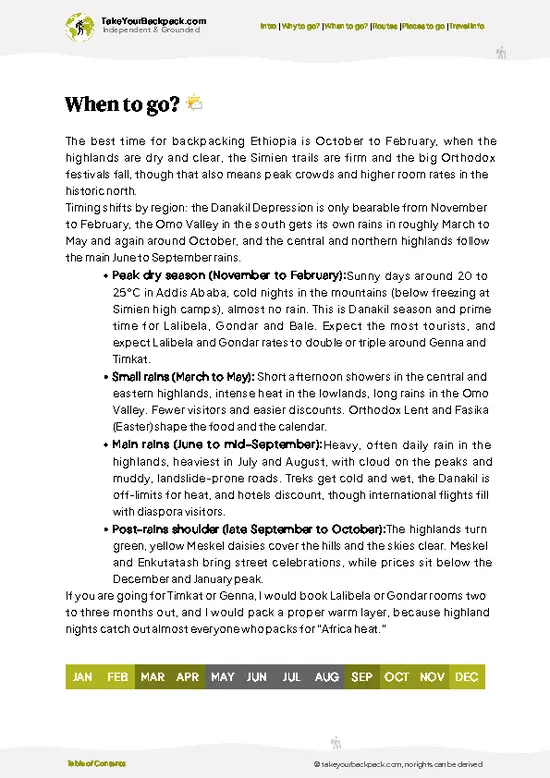
  • Weather: The dry season from October to March is your best bet. Rain is scarce, so trails stay firm and the landscape’s earthy reds pop against clear skies. April to September brings heavy rains, turning paths into mud traps and making travel unpredictable.

  • Temperature: Expect daytime highs around 25-30°C (77-86°F) during the dry months—warm but not scorching. Nights can dip to 10-15°C (50-59°F), so pack a light jacket. The wet season cools things down a bit but adds humidity, which can sap your energy.

  • Daylight Hours: Roughly 12 hours year-round, but the dry season offers more consistent sunny mornings, perfect for early starts and long hikes without the risk of afternoon downpours.

  • Crowds: Konso isn’t exactly overrun, but the dry season draws more visitors, especially December through
read more 👉

  • Weather: The dry season from October to March is your best bet. Rain is scarce, so trails stay firm and the landscape’s earthy reds pop against clear skies. April to September brings heavy rains, turning paths into mud traps and making travel unpredictable.

  • Temperature: Expect daytime highs around 25-30°C (77-86°F) during the dry months—warm but not scorching. Nights can dip to 10-15°C (50-59°F), so pack a light jacket. The wet season cools things down a bit but adds humidity, which can sap your energy.

  • Daylight Hours: Roughly 12 hours year-round, but the dry season offers more consistent sunny mornings, perfect for early starts and long hikes without the risk of afternoon downpours.

  • Crowds: Konso isn’t exactly overrun, but the dry season draws more visitors, especially December through February. If you want near solitude, aim for October or March—still dry, fewer travelers.

  • Seasonal Activities: The dry months coincide with key cultural events like the annual stick-fighting festival, a raw, authentic spectacle worth timing your visit for. Wet season means fewer events and limited access to some villages.

  • Price Fluctuations: Expect higher prices for guides and lodging during peak dry months, especially around holidays. Off-season offers better deals but comes with the risk of travel disruptions.


Pro-tip: Arrive just before the stick-fighting festival in late November to catch the build-up and avoid the peak crowds that flood in December. It’s the sweet spot for culture, comfort, and wallet-friendly rates.


source: climatestotravel.comJANJanuary: excellent for travelingFEBFebruary: excellent for travelingMARMarch: highly recommended for travelingAPRApril: fair for travelingMAYMay: fair for travelingJUNJune: fair for travelingJULJuly: fair for travelingAUGAugust: fair for travelingSEPSeptember: fair for travelingOCTOctober: highly recommended for travelingNOVNovember: highly recommended for travelingDECDecember: excellent for traveling
ethiopia-region-konso-cultural-landscape v1
© Google |

✈️ The backpacker research shortcutEthiopia Travel Guide

An offline-friendly backpacking guide with optimized travel routes, ranked highlights, transport advice, and the best areas to stay.
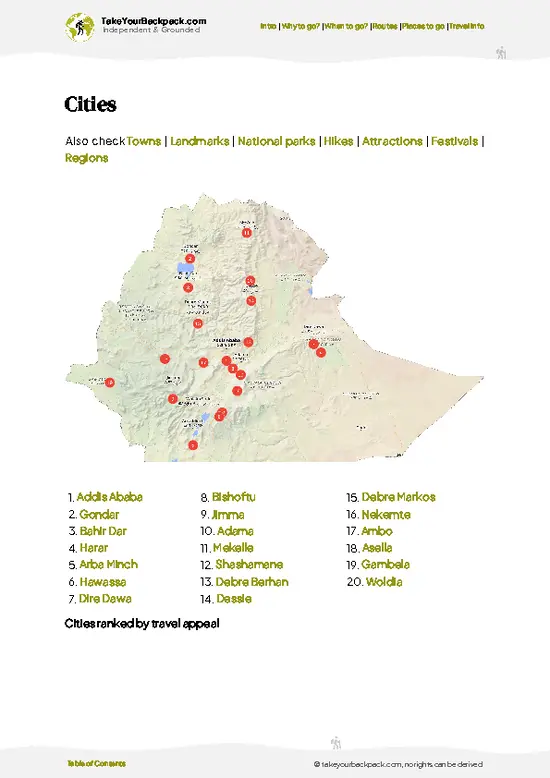
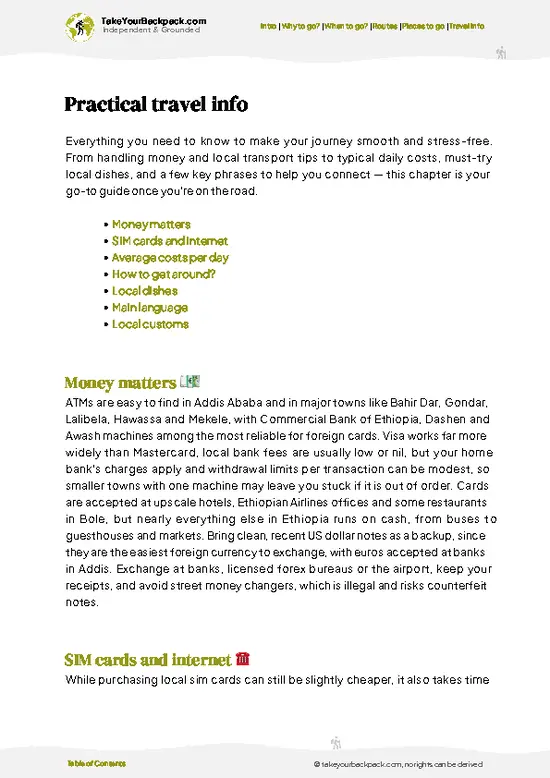
example page 0 from our offline Travel Guide for Ethiopia
example page 1 from our offline Travel Guide for Ethiopia
example page 2 from our offline Travel Guide for Ethiopia
example page 3 from our offline Travel Guide for Ethiopia
example page 4 from our offline Travel Guide for Ethiopia
example page 5 from our offline Travel Guide for Ethiopia
example page 6 from our offline Travel Guide for Ethiopia
example page 7 from our offline Travel Guide for Ethiopia
The digital guide (387 pages) contains:
100 highlights, ranked by travel appeal
Optimized 7, 14 & 21-day travel routes
Cities, national parks, landmarks, beaches
How to get around
Offline-friendly for travel without Wi-Fi
👉 Click to see all 30+ guide features

📅 Plan smarter in minutes, not weeks
Month by month travel advice
Festivals & national holidays
Budget expectations

🗺️ Go to the right places, skip the overrated ones
Honest pros & cons of destinations
Top hikes, parks & viewpoints
Lesser-known places most travelers miss
Clear “worth it vs skip it” guidance

🛏️ Travel smoothly without rookie mistakes
Best areas to stay
Transport systems explained simply
Common scams & safety advice
SIM cards, money & practical tips

🌍 Understand the country, not just visit it
Culture & traditions
52 Essential phrases & customs
Festivals worth planning around
Traveler-friendly historical context
Insights that make places more meaningful

📱 Built for real travel conditions
Fully downloadable PDF
Works completely offline
Optimized for phone use
Useful in remote areas & buses
Everything in one place
Save weeks of stressful planning
Get instant access to your full guide. 30‑day money-back guarantee.
+ Add another guide for just US$7.80

By proceeding you agree to our terms.
Sent to your inbox immediately after payment • 100% Secure Checkout
Best Backpacking Travel Advisor 2025 tourism awardBest Backpacking
Travel Advisor
2025
What others say about Take Your Backpack Guides:
⭐⭐⭐⭐⭐
Fantastic, amazing amount of information!
⭐⭐⭐⭐⭐
My goodness this is amazing, it's what I've been looking for hats off too you!
⭐⭐⭐⭐⭐
I think this is absolutely BRILLIANT
⭐⭐⭐⭐
Very complete and informative. It's still missing places, but I gotta to commend you
⭐⭐⭐⭐⭐
This is truly amazing, thank you, can't wait to explore it with my kids!
⭐⭐⭐⭐⭐
Awesome resource, thank you!
⭐⭐⭐⭐⭐
This is amazing! Can't wait to explore the ones I haven't seen
⭐⭐⭐⭐
I love this! Well done, great idea.
⭐⭐⭐⭐⭐
Thanks for taking the time to make this gem!
⭐⭐⭐⭐⭐
This might be the best website I've ever seen.
⭐⭐⭐⭐⭐
Congratulations, and thank you so much for your work; it's incredibly valuable.
⭐⭐⭐⭐
In all seriousness I think you did a great job pointing out the important spots
⭐⭐⭐⭐⭐
10/10 very good
⭐⭐⭐⭐⭐
As someone who's only just starting to visit regularly this is awesome, thank you.
⭐⭐⭐⭐
Thank you very much! I'm going to visit my dad, it's going to be very useful!
⭐⭐⭐⭐⭐
This is really cool! We'll be travelling for the first time and this definitely come in handy.
⭐⭐⭐⭐⭐
You are now our minister of culture, congratulations 👨‍💼
⭐⭐⭐⭐⭐
Just wanted to tell you that this is a pearl! Going to follow your recommendations.
⭐⭐⭐⭐⭐
This is so cool. I'll definitely be using the resource for my travels soon.
⭐⭐⭐⭐⭐
This is very impressive! Good work.
⭐⭐⭐⭐⭐
This is an amazing and informative site. Very well done!

🛏️ Where to stay?Best areas to stay in Ethiopia

When you’re diving into the Konso Cultural Landscape, you want to land in spots that feel alive and welcoming. First up, Konso Town itself is a must. It’s the heart of the region, buzzing with local markets and vibrant street life. You’ll find plenty of fellow travelers here, making it easy to swap stories over a coffee or a local meal. The atmosphere is friendly, and you can soak in the rich culture without feeling like an outsider.

Next, consider Dimeka, especially if you’re there on a Saturday for the market. It’s a sensory overload—colors, sounds, and the smell of spices fill the air. Staying … read more 👉
When you’re diving into the Konso Cultural Landscape, you want to land in spots that feel alive and welcoming. First up, Konso Town itself is a must. It’s the heart of the region, buzzing with local markets and vibrant street life. You’ll find plenty of fellow travelers here, making it easy to swap stories over a coffee or a local meal. The atmosphere is friendly, and you can soak in the rich culture without feeling like an outsider.

Next, consider Dimeka, especially if you’re there on a Saturday for the market. It’s a sensory overload—colors, sounds, and the smell of spices fill the air. Staying here gives you a chance to connect with locals and other backpackers, all while enjoying a laid-back vibe.

Don’t overlook Jinka, the gateway to the Omo Valley. It’s a bit more developed, with a mix of travelers and locals. The social scene is lively, and you can easily arrange tours to nearby attractions.

Each of these spots offers a unique flavor of the region. Choose wisely based on what you want to experience, and you’ll walk away with stories that last a lifetime.

🚌 Getting aroundHow to get from A to B

The Konso Cultural Landscape is a symphony of vibrant life and rugged terrain, where time feels more like a suggestion than a strict schedule. Here, the rhythm of daily life ebbs and flows with the sun, and you’ll find that chaos often reigns supreme. Expect the unexpected: a bus that shows up late, a shared taxi that fills up when it feels like it, and locals who seem to have an innate sense of when to move. This isn’t a place for the rigid planner; it’s for those who embrace spontaneity and the thrill of the unknown. You’ll navigate through lush hills and terraced fields, all while soaking in the rich culture of the Konso people.

Here’s the lowdown on getting around this captivating region without breaking the bank:


  • Minibus: The lifeblood of local transport, these minibuses run between
read more 👉
The Konso Cultural Landscape is a symphony of vibrant life and rugged terrain, where time feels more like a suggestion than a strict schedule. Here, the rhythm of daily life ebbs and flows with the sun, and you’ll find that chaos often reigns supreme. Expect the unexpected: a bus that shows up late, a shared taxi that fills up when it feels like it, and locals who seem to have an innate sense of when to move. This isn’t a place for the rigid planner; it’s for those who embrace spontaneity and the thrill of the unknown. You’ll navigate through lush hills and terraced fields, all while soaking in the rich culture of the Konso people.

Here’s the lowdown on getting around this captivating region without breaking the bank:


  • Minibus: The lifeblood of local transport, these minibuses run between towns like Konso and Jinka. They typically leave when full, so patience is key. Expect to pay around 30-50 Ethiopian Birr for a ride that takes about 2-3 hours, depending on road conditions. Comfort? Think cozy, but not luxurious.


  • Shared Taxi: For a bit more speed and comfort, shared taxis are your best bet. They usually cost around 100-150 Birr and can whisk you from Konso to nearby attractions in about an hour. They leave when full, but you’ll have a bit more legroom than in a minibus.


  • Bicycle Rentals: If you’re feeling adventurous, rent a bike in Konso for about 50 Birr a day. This gives you the freedom to explore at your own pace, but be prepared for some steep climbs. It’s a great way to connect with the landscape and locals alike.


  • Walking: Don’t underestimate the power of your own two feet. Many villages are close enough to explore on foot, and you’ll get a real taste of the culture. Just pack good shoes and plenty of water.


  • Motorbike Taxis: For a quick hop around town, motorbike taxis are available and cost about 20-30 Birr for short distances. They’re fast and can navigate through tight spots, but hold on tight!


To navigate the Konso Cultural Landscape efficiently, embrace the local vibe: don’t rush. Strike up conversations with locals; they often know the best times to travel and can help you find the right transport. Plus, you’ll get insider tips on where to go and what to see, making your journey all the more rewarding.

🍲 FoodLocal Cuisine & Drinks

In the Konso Cultural Landscape, food is a vibrant expression of community and tradition. Start with injera, the spongy, sour flatbread that serves as the base for most meals. It’s not just food; it’s a communal experience. You’ll scoop up doro wat, a spicy chicken stew, or shiro, a rich chickpea dish, using your hands. The flavors are bold, with spices that dance on your palate.

Street food stalls are where the magic happens. Grab a plate of kitfo, finely minced raw beef seasoned with spices, or try sambusa, crispy pastries filled with lentils or meat. The aroma wafts through the air, mingling with the chatter of locals. Markets are bustling, filled with vendors selling fresh produce and spices. Don’t miss the chance to sip on t’ej, a honey wine that’s sweet and slightly tangy, perfect for … read more 👉
In the Konso Cultural Landscape, food is a vibrant expression of community and tradition. Start with injera, the spongy, sour flatbread that serves as the base for most meals. It’s not just food; it’s a communal experience. You’ll scoop up doro wat, a spicy chicken stew, or shiro, a rich chickpea dish, using your hands. The flavors are bold, with spices that dance on your palate.

Street food stalls are where the magic happens. Grab a plate of kitfo, finely minced raw beef seasoned with spices, or try sambusa, crispy pastries filled with lentils or meat. The aroma wafts through the air, mingling with the chatter of locals. Markets are bustling, filled with vendors selling fresh produce and spices. Don’t miss the chance to sip on t’ej, a honey wine that’s sweet and slightly tangy, perfect for toasting with new friends.

Dining here is a social affair. Expect to share plates and stories, and remember, it’s polite to eat with your right hand. Embrace the slow pace; meals are meant to be savored, not rushed. This isn’t just about filling your stomach; it’s about connecting with the heart of Konso culture.

FAQCommon questions from travelers

2 to 3 days are sufficient to explore Konso Cultural Landscape thoroughly. This allows time to visit the terraced fields, traditional villages, and the unique stone-walled settlements. Guided tours often last around 2 days, covering the main cultural and natural highlights.
You can get around Konso Cultural Landscape on foot or by hiring local guides with donkeys or motorbikes. Walking is common and practical for short distances between villages and terraces. Motorbike taxis are available for longer distances, typically costing around 100-200 Ethiopian Birr per trip.
Konso Cultural Landscape is known for its ancient terraced agriculture and stone-walled settlements. It is a UNESCO World Heritage site recognized for its unique cultural traditions, including wooden statues called wagas and a complex social system. The landscape reflects sustainable farming practices dating back over 400 years.
⚠️ Things can change over time, so always validate details locally before you go.

Other Ethiopian regions near Konso Cultural Landscape

Explore more nearby:

  • Omo Valley—tribal markets, body painting, riverine forests, seasonal migration| 105 km away
  • Lakes Ziway and Abijatta—rift valley lakes, hippo sightings, soda flats, migratory birds| 352 km away
  • Lake Tana—island monasteries, papyrus boats, Blue Nile source, birdlife| 760 km away

💡 Not sure where to go next?
Create a personalized itinerary for Ethiopia including Konso Cultural Landscape and the places that fit your trip.

Generate my itinerary

👉 Discover all regions

Or checkout all Ethiopia has to offer (think cities, towns, villages, national parks, hikes, beaches, festivals)
Country photo of Ethiopia

We 💚 feedbackFinal thoughts on visiting Konso Cultural Landscape

The Konso Cultural Landscape is a treasure trove of vibrant traditions and terraced hills that tell stories of resilience. You’ll feel the pulse of a community that’s rich in culture. But here’s the kicker: getting there can be a trek, and accommodations might not match your usual standards. Embrace the adventure, but pack your patience. It’s all part of the experience, and trust me, it’s worth every step.

✈️ When did I visit Ethiopia?
Ethiopia I visited back in October 2017. I combined the trip with a visit to Sudan. Ethiopia was a pure suprise with the magical scenery like the Danikal Depression and the Simien Mountains.

✍️ Help improve this page!
The information on this page is based on my own backpacking experience in Ethiopia, supplemented with up-to-date research and feedback from other travelers. Travel details can change, so if you notice anything outdated or incomplete, feel free to let me know.


🙋‍♂️ Give feedback

👋 Meet the founderWho’s Behind Take Your Backpack?

Johan, backpacker and founder of TakeYourBackpackHi, I’m Johan (Netherlands 🇳🇱), the creator of TakeYourBackpack. Over the past decade, I’ve backpacked through 80+ countries across six continents, gaining extensive experience with independent travel, long-term trips, and overland routes.

This site is built on a combination of firsthand travel experience and carefully curated insights from other backpackers. Many guides are based on places I’ve personally visited, while others bring together tips, observations, and practical advice shared by trusted travelers I’ve met along the way.

The goal is to provide realistic, experience-driven guidance — not generic itineraries — so you can explore destinations with better context, clearer expectations, and more confidence.

Get full Ethiopia guide •
Instant download • 100 highlights • Full Offline guide