

The Memorial’s Central Obelisk
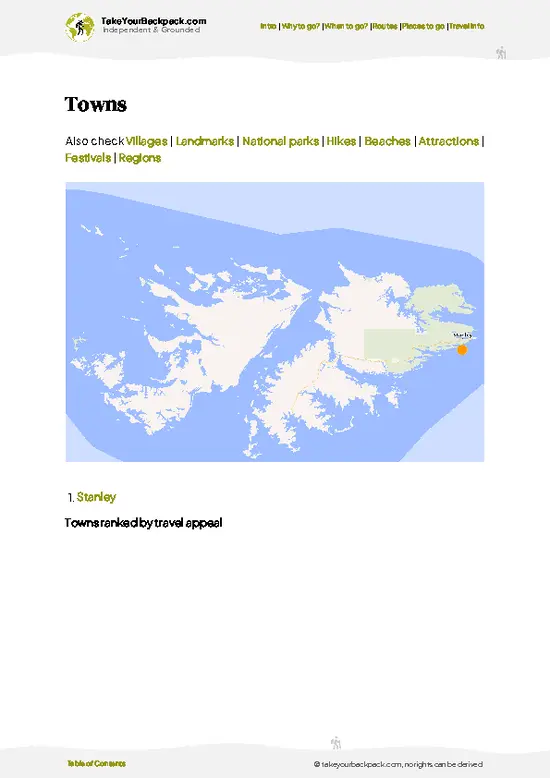
Let’s cut through the Instagram haze: this isn’t some grandiose, selfie-ready monument. The 1982 Liberation Memorial’s obelisk is stark, almost severe, and that’s the point. It’s a slab of granite that refuses to sugarcoat history. You’ll see the names of the 255 British servicemen who died in the Falklands War, etched with a kind of brutal honesty that makes you stop and actually read them. No filters, no soft focus—just the raw facts of sacrifice. If you’re looking for spectacle, you’ll be disappointed. If you want a place that forces you to reckon with the cost of conflict, this is it.
The Annual Liberation Day Ceremony
Here’s where the real magic happens, and it’s not something you’ll catch on a casual stroll. Every June 14th, the memorial becomes the emotional … read more 👉
Let’s cut through the Instagram haze: this isn’t some grandiose, selfie-ready monument. The 1982 Liberation Memorial’s obelisk is stark, almost severe, and that’s the point. It’s a slab of granite that refuses to sugarcoat history. You’ll see the names of the 255 British servicemen who died in the Falklands War, etched with a kind of brutal honesty that makes you stop and actually read them. No filters, no soft focus—just the raw facts of sacrifice. If you’re looking for spectacle, you’ll be disappointed. If you want a place that forces you to reckon with the cost of conflict, this is it.
The Annual Liberation Day Ceremony
Here’s where the real magic happens, and it’s not something you’ll catch on a casual stroll. Every June 14th, the memorial becomes the emotional … read more 👉
The Memorial’s Central Obelisk
Let’s cut through the Instagram haze: this isn’t some grandiose, selfie-ready monument. The 1982 Liberation Memorial’s obelisk is stark, almost severe, and that’s the point. It’s a slab of granite that refuses to sugarcoat history. You’ll see the names of the 255 British servicemen who died in the Falklands War, etched with a kind of brutal honesty that makes you stop and actually read them. No filters, no soft focus—just the raw facts of sacrifice. If you’re looking for spectacle, you’ll be disappointed. If you want a place that forces you to reckon with the cost of conflict, this is it.
The Annual Liberation Day Ceremony
Here’s where the real magic happens, and it’s not something you’ll catch on a casual stroll. Every June 14th, the memorial becomes the emotional heart of Stanley. Locals—many of whom lived through the war—gather with veterans, schoolkids, and the odd traveler who’s done their homework. There’s a military parade, bagpipes, and a silence that feels heavier than the South Atlantic wind. It’s not a tourist show; it’s a living ritual. If you want to understand why this place matters, time your visit for this day. You’ll feel the island’s soul in the crowd’s quiet pride.
The View Over Stanley Harbour
Most people snap a quick photo and move on, but linger a minute. The memorial sits on a rise, and the view across Stanley Harbour is a lesson in contrasts: war memorial in the foreground, fishing boats and penguins in the distance. It’s a reminder that life here is both fragile and fiercely defended. The wind will slap you awake, and the light—when it breaks through the clouds—makes the water look like hammered steel. This isn’t postcard-pretty; it’s elemental, and it sticks with you.
The Engraved Plaques and Regimental Badges
Skip the urge to rush. Walk the perimeter and look at the regimental badges and plaques. Each one tells a micro-story: a unit, a ship, a squadron. You’ll see the Royal Navy, the Parachute Regiment, the Gurkhas—names that mean something here, not just in history books. It’s a crash course in British military culture, but also a reminder that the Falklands War was fought by real people with real allegiances. If you’re a detail nerd, this is where you’ll find the texture Instagram never shows.
The Memorial’s Role in Local Identity
This isn’t just a monument—it’s a touchstone for the islanders. The memorial is woven into daily life: schoolchildren visit, locals lay wreaths, and it’s the backdrop for moments of both grief and celebration. Ask anyone in Stanley, and they’ll tell you it’s not about glorifying war, but about remembering what was at stake. The sense of ownership is palpable. You’re not just visiting a site; you’re stepping into a living chapter of Falklands history. That’s the real entertainment here—witnessing how memory shapes a community.
Let’s cut through the Instagram haze: this isn’t some grandiose, selfie-ready monument. The 1982 Liberation Memorial’s obelisk is stark, almost severe, and that’s the point. It’s a slab of granite that refuses to sugarcoat history. You’ll see the names of the 255 British servicemen who died in the Falklands War, etched with a kind of brutal honesty that makes you stop and actually read them. No filters, no soft focus—just the raw facts of sacrifice. If you’re looking for spectacle, you’ll be disappointed. If you want a place that forces you to reckon with the cost of conflict, this is it.
The Annual Liberation Day Ceremony
Here’s where the real magic happens, and it’s not something you’ll catch on a casual stroll. Every June 14th, the memorial becomes the emotional heart of Stanley. Locals—many of whom lived through the war—gather with veterans, schoolkids, and the odd traveler who’s done their homework. There’s a military parade, bagpipes, and a silence that feels heavier than the South Atlantic wind. It’s not a tourist show; it’s a living ritual. If you want to understand why this place matters, time your visit for this day. You’ll feel the island’s soul in the crowd’s quiet pride.
The View Over Stanley Harbour
Most people snap a quick photo and move on, but linger a minute. The memorial sits on a rise, and the view across Stanley Harbour is a lesson in contrasts: war memorial in the foreground, fishing boats and penguins in the distance. It’s a reminder that life here is both fragile and fiercely defended. The wind will slap you awake, and the light—when it breaks through the clouds—makes the water look like hammered steel. This isn’t postcard-pretty; it’s elemental, and it sticks with you.
The Engraved Plaques and Regimental Badges
Skip the urge to rush. Walk the perimeter and look at the regimental badges and plaques. Each one tells a micro-story: a unit, a ship, a squadron. You’ll see the Royal Navy, the Parachute Regiment, the Gurkhas—names that mean something here, not just in history books. It’s a crash course in British military culture, but also a reminder that the Falklands War was fought by real people with real allegiances. If you’re a detail nerd, this is where you’ll find the texture Instagram never shows.
The Memorial’s Role in Local Identity
This isn’t just a monument—it’s a touchstone for the islanders. The memorial is woven into daily life: schoolchildren visit, locals lay wreaths, and it’s the backdrop for moments of both grief and celebration. Ask anyone in Stanley, and they’ll tell you it’s not about glorifying war, but about remembering what was at stake. The sense of ownership is palpable. You’re not just visiting a site; you’re stepping into a living chapter of Falklands history. That’s the real entertainment here—witnessing how memory shapes a community.
Spotted a mistake or missing something? Contact us.
v2.webp)

Best Backpacking
Hi, I’m Johan (Netherlands 🇳🇱), the creator of TakeYourBackpack. Over the past decade, I’ve backpacked through 80+ countries across six continents, gaining extensive experience with independent travel, long-term trips, and overland routes.